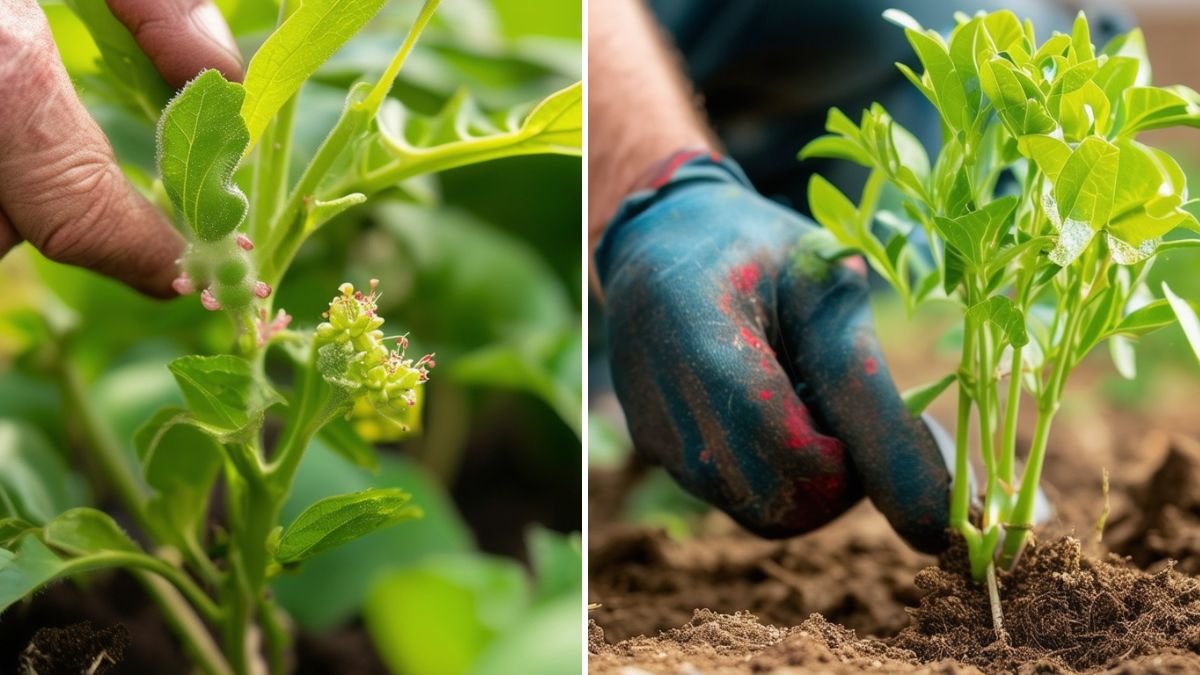
Propagation is one of the most exciting and rewarding skills in gardening. It allows you to create new plants from existing ones—saving money, expanding your garden, preserving rare varieties, and sharing plants with friends and family. Whether you want to multiply fruit trees, flowering plants, vegetables, or ornamental shrubs, mastering propagation gives you complete control over plant growth and development.
In this detailed guide, you will learn what propagation is, why it matters, and step-by-step methods to successfully propagate plants using the most reliable techniques. Get ready to explore everything from cuttings, air-layering, division, grafting, seeds, and budding, along with powerful tips to maximize success.
Let’s begin your journey into the world of plant multiplication!
What Is Propagation?
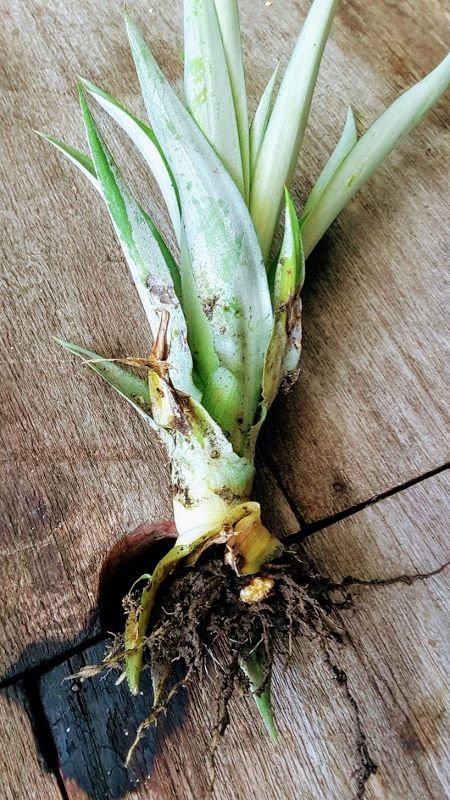
Propagation is the process of creating new plants from various parts of an existing plant. This can be done through:
- Sexual reproduction (seeds)
- Asexual reproduction (vegetative methods) like cuttings, stems, leaves, roots, grafting, and layering
Vegetative propagation is especially popular because it produces plants identical to the parent—same fruit quality, same flower color, same growth habits.
Why Should You Propagate Plants?
Propagation offers countless advantages:
✔ Save money
Instead of buying new plants, create your own.
✔ Multiply your favorite species
Turn one plant into many.
✔ Clone high-quality plants
Maintain identical fruit, flower, and leaf characteristics.
✔ Grow plants faster
Vegetative plants mature quicker than seedlings.
✔ Preserve rare or endangered plants
Many species survive only through propagation.
✔ A fun and educational activity
Great for hobbyists, students, or home gardeners.
Now let’s explore the most powerful techniques for plant propagation.
1. Propagation by Cuttings (Most Popular Method)
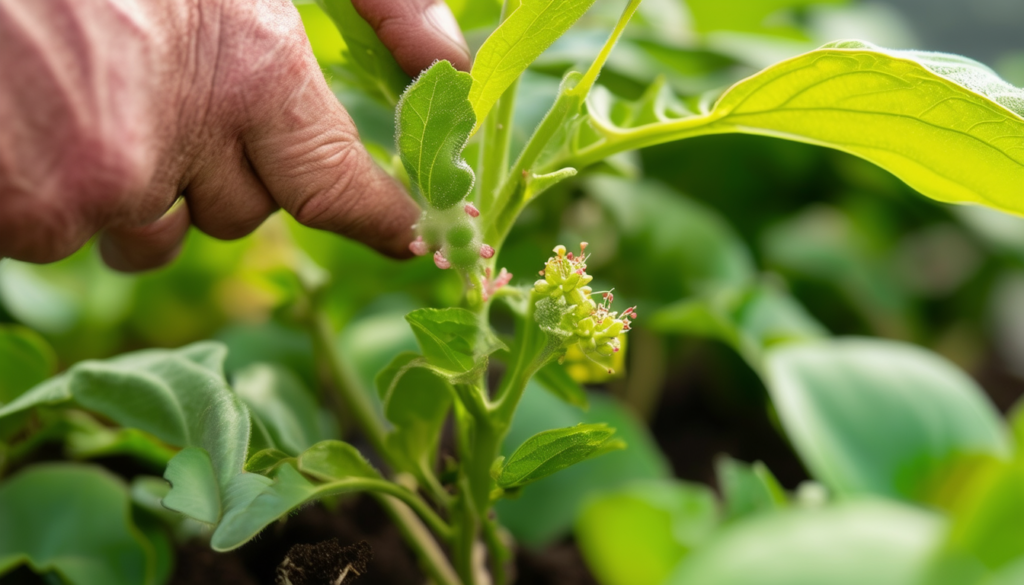
One of the easiest and most reliable propagation methods is using cuttings. This involves taking a part of a plant—usually a stem—and encouraging it to grow roots.
Types of Cuttings
- Softwood cuttings (new growth shoots)
- Semi-hardwood cuttings
- Hardwood cuttings (mature branches)
- Leaf cuttings
- Root cuttings
What You Need
- Sharp pruning shears
- Rooting hormone (honey, aloe vera, cinnamon, or IBA rooting powder)
- Potting mix
- Small nursery pots
- Plastic cover for humidity
Steps for Propagating Through Cuttings
- Choose a healthy branch with at least 2–3 nodes.
- Cut a 5–8 inch section at a 45° angle.
- Remove lower leaves.
- Dip the cut end in rooting hormone.
- Insert into moist soil or cocopeat.
- Cover with a plastic bag to maintain humidity.
- Keep in shade for 2–3 weeks until roots develop.
Best Plants for Cuttings
- Lemon
- Guava
- Ficus
- Rose
- Hibiscus
- Grapes
- Bougainvillea
- Many indoor plants (Pothos, Snake plant, Monstera)
Cuttings are fast, easy, and work for most species.
2. Propagation by Air Layering (Perfect for Big Plants)
Air layering is ideal for plants that are difficult to root from cuttings.
⭐ How Air Layering Works
A branch is wounded and wrapped with moist soil or moss to encourage roots while still attached to the plant.
🌿 Steps for Air Layering
- Select a healthy branch.
- Remove bark in a 1-inch ring.
- Apply rooting hormone.
- Wrap with cocopeat or sphagnum moss.
- Cover with plastic sheet and tie both ends.
- Keep moist for 30–45 days.
- Once roots appear, cut below the layered area and plant in soil.
🌱 Best Plants for Air Layering
- Mango
- Lemon
- Guava
- Litchi
- Pomegranate
- Rubber plant
- Jackfruit
Air layering gives you a fully grown plant with strong roots—perfect for fruit trees.
3. Propagation by Division (Fastest for Clumping Plants)
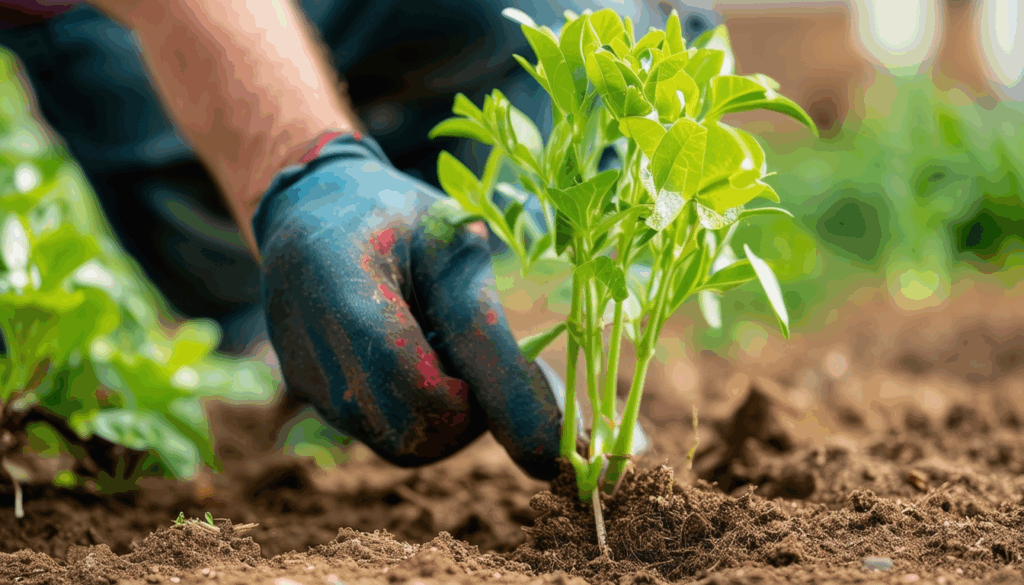
Division involves separating one plant into multiple parts.
⭐ How It Works
Plants that grow in clumps—like ginger, banana, aloe, or ornamental grasses—can be gently divided into smaller groups.
Steps for Division
- Uproot the plant gently.
- Separate the root ball into sections.
- Each section must have roots and a growing shoot.
- Plant each section separately.
Best Plants for Division
- Banana
- Ginger
- Turmeric
- Aloe vera
- Peace lily
- Spider plant
- Lemongrass
This method is extremely easy and has a high success rate.
4. Propagation by Seeds (Natural and Traditional)
Seeds are the natural way plants reproduce.
⭐ Steps for Seed Propagation
- Choose high-quality seeds.
- Soak seeds (if needed) to improve germination.
- Plant in seed trays or pots.
- Keep soil moist but not waterlogged.
- Place in a warm spot.
- Transplant when seedlings grow 2–3 sets of true leaves.
Plants Best Suited for Seeds
- Vegetables (tomato, cucumber, chili, brinjal)
- Flowers (marigold, sunflower, zinnia)
- Herbs (coriander, basil)
- Some fruit trees (papaya, custard apple)
However, seed-grown plants may not be identical to the parent.
5. Propagation by Grafting (Best for Fruit Trees)

Grafting joins two plant parts to grow as one.
- The upper part: Scion
- The lower part: Rootstock
⭐ Benefits of Grafting
- Clone high-quality fruit plants
- Faster fruiting
- Stronger disease resistance
- Grow multiple varieties on one tree
Common Grafting Methods
- Wedge grafting
- Cleft grafting
- Bud grafting
- Veneer grafting
🌱 Best Plants for Grafting
- Mango
- Guava
- Citrus
- Jackfruit
- Apple
- Sapota
Grafting ensures excellent fruit quality and strong, long-living trees.
6. Propagation by Budding (Ideal for Citrus and Roses)
Budding is similar to grafting but uses only a bud instead of a branch.
⭐ Popular Budding Types
- T-budding
- Chip budding
🌱 Best Plants for Budding
- Lemon
- Orange
- Rose
- Peach
- Plum
Budding is simple and has high success rates in warm climates.
Tips to Increase Success in Any Propagation Method

✔ Use clean, sharp tools
Avoid infections and ensure smooth cuts.
✔ Choose healthy mother plants
Propagation always reflects the quality of the source.
✔ Maintain humidity
Essential for rooting, growth, and survival.
✔ Avoid direct sunlight initially
Bright, indirect light is best.
✔ Keep medium moist, not soggy
Overwatering causes rot.
✔ Use natural rooting boosters
Honey, cinnamon, aloe vera, and willow water help speed root formation.
✔ Be patient
Some plants take time—don’t disturb the new roots.
Common Problems During Propagation & Their Fixes
Cuttings drying out
✔ Cover with plastic to maintain humidity.
Fungus on soil
✔ Use sterilized potting mix.
Roots not forming
✔ Use rooting hormone and ensure proper temperature.
Graft union failure
✔ Match cambium layers perfectly.
Seedlings weak or leggy
✔ Increase light exposure.
Propagation becomes easier when you understand plant behavior and environmental needs.
Final Thoughts
Propagation is a magical and essential skill for every gardener. With just a little effort and patience, you can transform a single plant into dozens more—each capable of producing fruits, flowers, or foliage for years to come.
Whether you choose cuttings, air layering, grafting, budding, seeds, or division, the key is to practice, observe, and enjoy the process. Every plant teaches something new, and the joy of seeing a propagated plant grow is unmatched.