
Lemon trees are admired worldwide for their refreshing aroma, vibrant green foliage, and tangy fruits packed with vitamin C. Whether grown in gardens or containers, lemon trees add beauty while providing fresh fruit throughout the year. One of the best aspects of lemon cultivation is that they can be propagated easily, even by beginners.
Propagation allows gardeners to create new plants from an existing lemon tree, ensuring the new plant inherits the same qualities—such as fruit size, aroma, and disease resistance. This article explores the science, techniques, and best practices behind the propagation of lemon trees, offering a detailed 1200-word guide to help you grow healthy lemon plants at home.
Introduction: Why Learn Lemon Propagation?
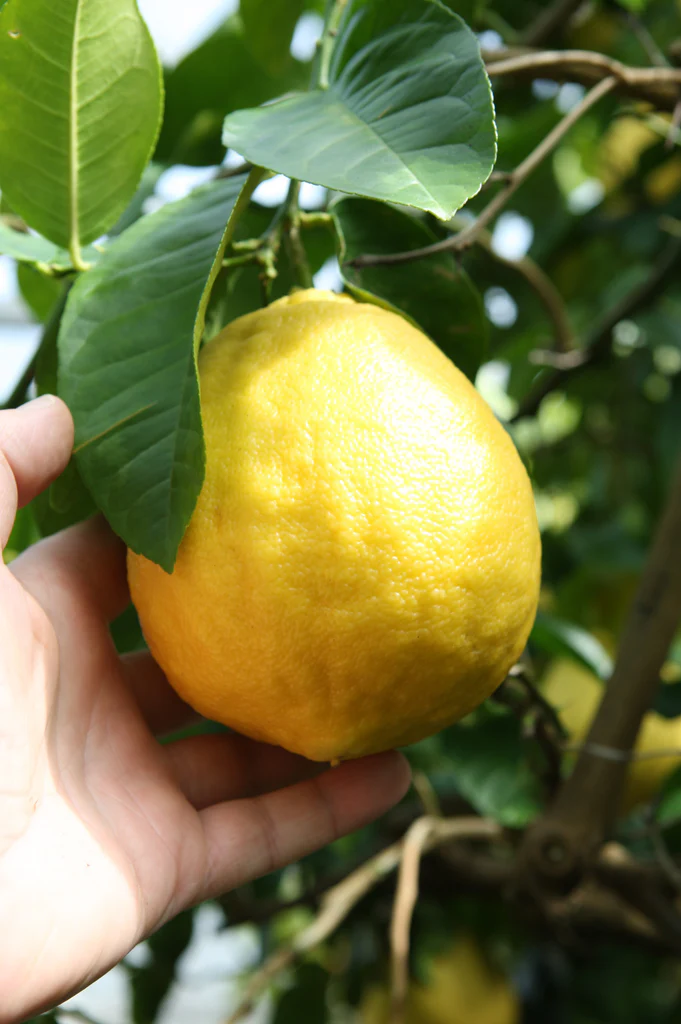
Propagation refers to creating new plants using parts of an existing plant—like cuttings, seeds, or grafts. For lemons, propagation is especially useful because:
- Lemon seeds don’t always produce true-to-type fruits
- Cuttings and grafting produce faster fruiting plants
- Propagation saves money
- You can clone a high-quality plant
- Lemon cuttings root quickly
- New plants grow stronger and healthier when propagated correctly
Gardeners often prefer vegetative propagation because it maintains the exact traits of the original plant.
Understanding Lemon Plant Biology
Lemon trees belong to the citrus family and have woody stems. They store energy in their branches, which makes them ideal for rooting. When a cutting is taken:
- The plant releases hormones
- Cells at the cut site divide
- Roots begin to form
- New shoots emerge
This natural process forms the foundation of vegetative propagation.
Lemon trees respond best to propagation when the wood is semi-hardwood—neither too soft nor too hard.
Method 1: Propagation of Lemon Through Cuttings (Most Popular)

Cuttings are the easiest and most successful way to propagate lemon trees.
Advantages
- High success rate
- Produces true-lemon varieties
- Roots quickly
- Requires minimal tools
- Ideal for beginners
Materials Needed
- Healthy lemon branch
- Sharp pruners
- Rooting hormone (optional)
- Pot with moist soil
- Plastic sheet or humidity dome
- Spray bottle
Step-by-Step Process
Step 1: Selecting the Cutting
Choose a branch that is:
- 6–8 inches long
- Semi-hardwood
- Greenish-brown
- Free of pests
- With 3–4 nodes
Remove all leaves from the lower half.
Step 2: Making the Cut
Cut at a 45-degree angle.
This increases surface area and promotes rooting.
Step 3: Apply Rooting Hormone (Optional)
It speeds up root growth and improves success.
Step 4: Plant the Cutting
Insert the cutting into a pot containing:
- Cocopeat
- Sand
- Perlite
- Or a mix
Depth: ~2 inches.
Step 5: Maintain Humidity
Cover with a plastic bag to create a greenhouse effect.
Keep it:
- Warm
- Moist
- Out of direct sunlight
Step 6: Wait for Roots
Roots usually develop in 2–4 weeks.
Signs of successful rooting:
- New leaves
- Cutting feels firm
- Growth increases
Method 2: Air Layering (Best for Mature Lemon Trees)
Air layering is used when propagating older lemon branches.
Advantages:
- Very high success
- Roots form while still attached
- No transplant shock
- Works on woody branches
Steps for Air Layering
- Choose a healthy branch
- Remove a ring of bark (1 inch wide)
- Apply rooting hormone
- Wrap the exposed area with moist moss
- Cover with plastic
- Secure tightly
Roots appear in 4–8 weeks.
Once roots are visible:
- Cut below the rooted portion
- Plant in soil
- Water gently
Method 3: Grafting (Professional Technique)
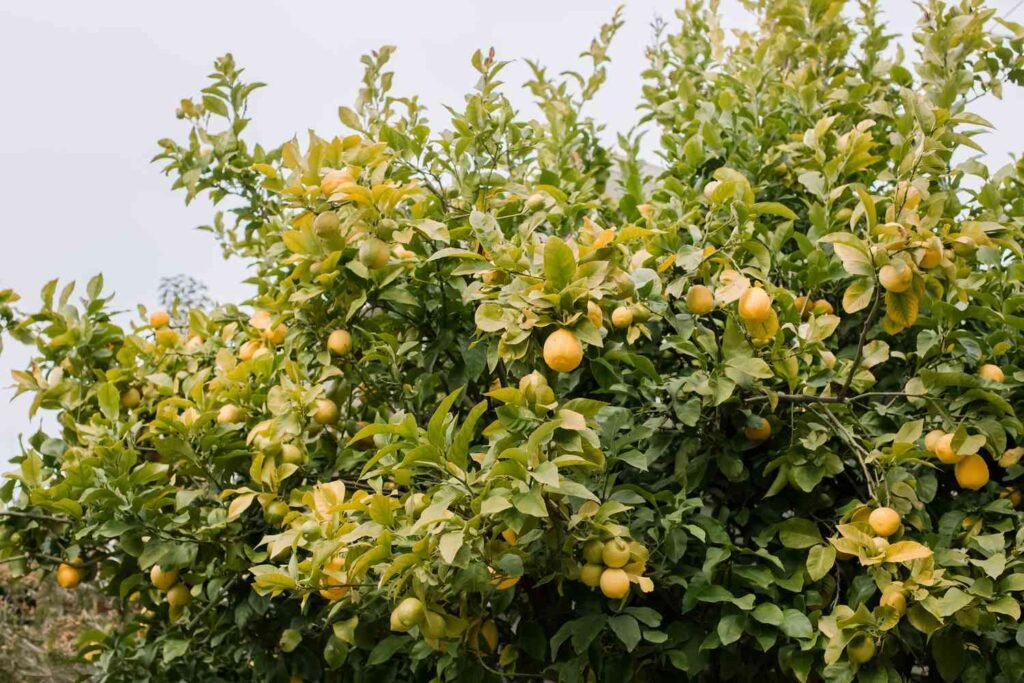
Grafting is widely used in nurseries because it produces strong plants that fruit earlier.
Why grafting is popular:
- Faster fruiting
- Disease resistance
- Strong root system
- Reliable results
- High-quality fruits
Common Grafting Methods
1. Bud Grafting (T-Budding)
Uses a single bud; very high success rate.
2. Cleft Grafting
Used for thicker stems.
3. Tongue Grafting
Used for young plants.
Grafting Steps (Basic)
- Prepare rootstock
- Prepare scion
- Join them together
- Wrap with grafting tape
- Keep shaded
- Wait for union
Growth occurs in 1–2 weeks.
Method 4: Seed Propagation (Least Preferred but Fun)
Growing lemons from seeds is easy but has drawbacks.
Pros:
- Simple
- Good for experiments
- No tools needed
Cons:
- Fruits may take 3–5 years
- Fruit quality varies
- Plant may not resemble parent
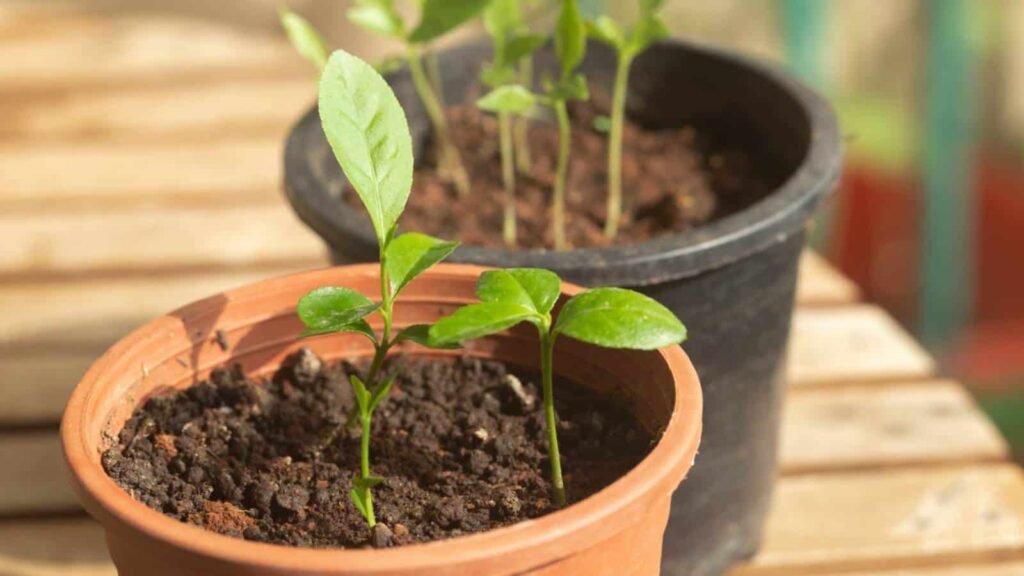
Steps
- Clean seeds
- Dry them
- Plant half-inch deep
- Keep moist
- Provide sunlight
Seedlings appear in 7–14 days.
Ideal Soil for Lemon Propagation
Lemons prefer soil that is:
- Well-draining
- Slightly acidic
- Rich in organic matter
Ideal mix:
- Garden soil
- Sand
- Compost
- Cocopeat
Avoid heavy clay soil.
Sunlight Requirements
Lemon trees need:
- 6–8 hours sunlight daily
Best locations:
- Rooftops
- Balconies
- Gardens
- South-facing areas
Sunlight influences growth, flowering, and fruiting.
Watering Tips
Watering must be balanced.
Water when soil feels dry
Keep soil slightly moist
Avoid overwatering
Avoid waterlogging
Too much water causes:
- Root rot
- Yellow leaves
- Weak growth
Fertilization Schedule
Use:
- Organic compost
- Banana peel fertilizer
- Fish emulsion
- NPK (low nitrogen)
Feed every:
- 4–6 weeks
Common Problems During Propagation
1. Cuttings Drying Out
Solution: Mist frequently or cover with plastic.
2. Mold Growth
Solution: Reduce humidity and watering.
3. No Roots
Cause: Wrong cutting or no hormone.
4. Yellow Leaves
Cause: Overwatering or nutrient deficiency.
When Does a Propagated Lemon Tree Bear Fruit?
| Method | Time to Fruit |
|---|---|
| Cuttings | 1–2 years |
| Air layering | ~1 year |
| Grafting | 6–12 months |
| Seeds | 3–5 years |
Grafting gives the fastest fruiting.
Tips for Faster Growth
Prune regularly
Keep soil moist
Provide full sunlight
Use organic fertilizers
Protect from pests
Maintain humidity for cuttings
Remove weak branches
Conclusion: Propagation of Lemon Is Simple, Rewarding, and Affordable
Propagating lemon trees allows gardeners to multiply plants easily while maintaining fruit quality. Whether you choose cuttings, air layering, grafting, or seeds, each method has unique advantages.
Cuttings and air layering are best for beginners, while grafting is ideal for professional-quality plants. With patience and proper care, your propagated lemon tree will reward you with fragrant flowers and juicy fruits.
Start propagation today—your home-grown lemons are closer than you think!