
Propagation has been practiced for thousands of years, but gardening is evolving. Today, gardeners are no longer limited to traditional cuttings, seeds, or grafting. With advancements in horticulture, new techniques have emerged—techniques that make plant propagation faster, easier, and more successful than ever before.
Whether you are a home gardener, a nursery owner, or a plant enthusiast, understanding these new propagation methods can help you grow stronger plants, increase yields, and save time and money.
In this 1200-word article, we explore the most innovative propagation techniques, how they work, why they are more effective, and how you can use them in your own garden.
Introduction: Why Propagation Methods Are Changing
Traditional propagation methods—such as rooting cuttings in soil or growing plants from seeds—still work, but they come with limitations:
- Slow growth
- Low success rate
- Risk of infection
- Inconsistent plant quality
- Long waiting time
Modern propagation techniques aim to solve these issues.
Today’s new methods focus on:
- Controlled environments
- Faster root formation
- Disease-free plants
- Consistency
- Higher survival rates
These innovations are transforming both small gardens and commercial plant nurseries.
1. The New Way: Aeroponic Propagation (Rooting Without Soil)
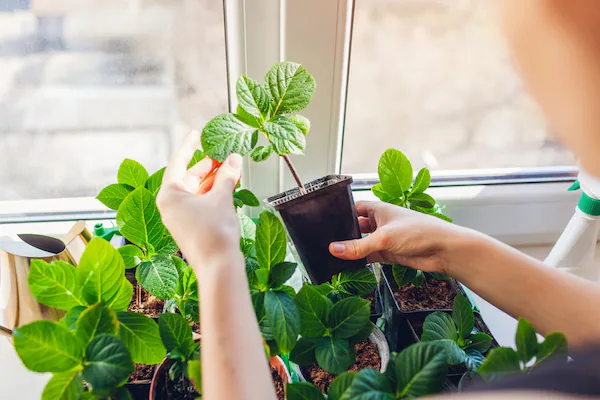
Aeroponic propagation is one of the most revolutionary techniques in plant science.
What is Aeroponic Propagation?
Instead of soil or water, roots grow suspended in air.
A fine mist containing nutrients is sprayed on the roots.
Why it Works Better
- Roots get maximum oxygen
- No soil-borne diseases
- Faster root growth
- Clean and controlled environment
- High success rate
Roots grow thicker and stronger because they receive oxygen and nutrients simultaneously.
Applications
- Commercial nurseries
- Rare plant propagation
- Herbs
- Ornamentals
- Vegetables
It is considered one of the most efficient modern propagation systems.
2. Nano-Gel Propagation (The Newest Trend in Home Gardening)
Nano-gel is a transparent gel infused with minerals and hormones.
Gardeners place cuttings into the gel, which:
- Provides constant moisture
- Prevents drying
- Supplies nutrients
- Promotes hormones
- Reduces infection
Advantages
- Clean
- Reusable
- No soil
- Very high rooting success
- Works even for difficult plants
Many plant labs use nano-gel because it mimics the natural rooting environment perfectly.
3. Hydrogel Rooting Medium (Modern Soil Alternative)
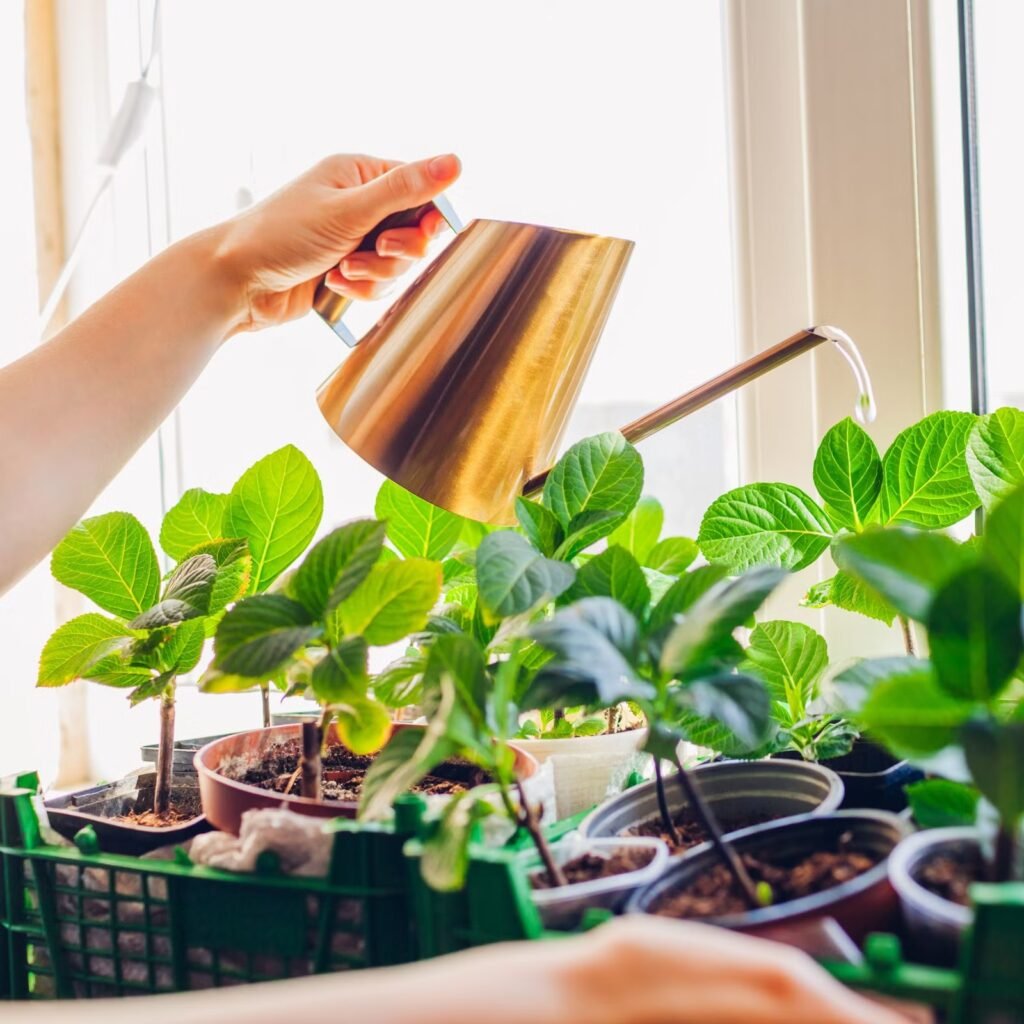
Hydrogels absorb water and release it slowly.
When used for propagation:
- Cuttings remain moist
- Roots develop evenly
- No soil compaction
- Less risk of rot
Ideal for:
- Roses
- Hibiscus
- Lemon
- Bougainvillea
- Orchids
Because the moisture stays balanced, cuttings survive longer and root faster.
4. Tissue Culture Propagation (Micro-Propagation)
This is the most advanced method used globally.
How it works:
Plants are grown in sterile labs using:
- Agar
- Nutrients
- Hormones
- Controlled temperature
- Artificial light
Small tissue samples develop into full plants.
Benefits:
- Disease-free plants
- Millions produced from one sample
- Identical clones
- Very fast multiplication
Used for:
- Orchids
- Bananas
- Roses
- Medicinal plants
- Forest saplings
This technique revolutionized commercial plant production.
5. Modern Air-Layering With Moisture Sensors
Traditional air layering works, but modern versions use:
- Moisture sensors
- Humidity-controlled wraps
- Sterile moss
- GPS-tagged planting
These tools improve success rates and reduce human error.
Benefits:
- Roots form faster
- Less fungal infection
- Works even on old branches
- Higher quality plants
Especially useful for:
- Lemon
- Mango
- Guava
- Roses
- Pomegranate
6. Rooting Cuttings Using LED Grow Chambers
A new trend in propagation involves small chambers with LED lighting.
Advantages:
- Temperature control
- Humidity control
- Light spectrum optimization
- Faster rooting
- No pests
LEDs provide the perfect wavelengths for root hormone production.
Cuttings rooted in LED chambers:
- Grow 30–40% faster
- Have stronger roots
- Survive transplanting better
7. The “Potato Method 2.0” (Reinvented)
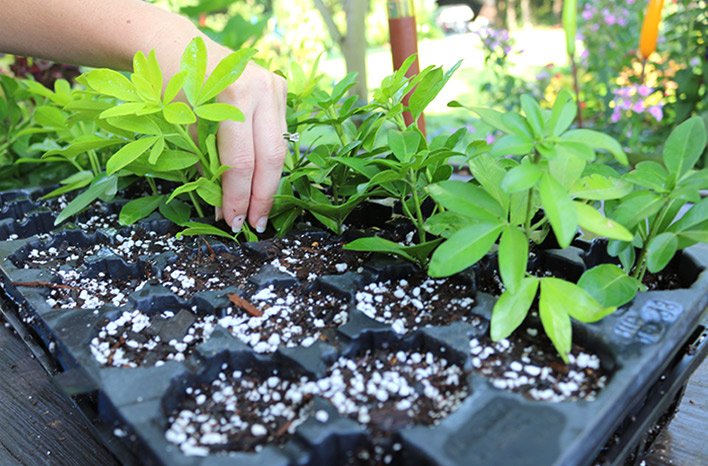
Many gardeners used potatoes for rooting cuttings.
Modern versions improve this method by using:
- Sterilized potatoes
- Pre-cut rooting chambers
- Nutrient-infused potato plugs
- Humidity-controlled pots
This technique is now used in schools and hobby gardens because it is:
- Cheap
- Easy
- Highly effective
Works best for:
- Roses
- Hibiscus
- Citrus
- Bougainvillea
8. Propagation Using Coconut Coir Blocks
Coco coir is naturally:
- Antifungal
- Moist
- Airy
- Eco-friendly
Modern propagation blocks compress coco coir into:
- High-moisture pads
- Sterile blocks
- Fast-rooting pellets
Benefits:
- Clean
- Low cost
- High rooting success
- No soil-borne diseases
Ideal for beginners and professionals.
9. Smart Propagation Pots (IoT Gardening)
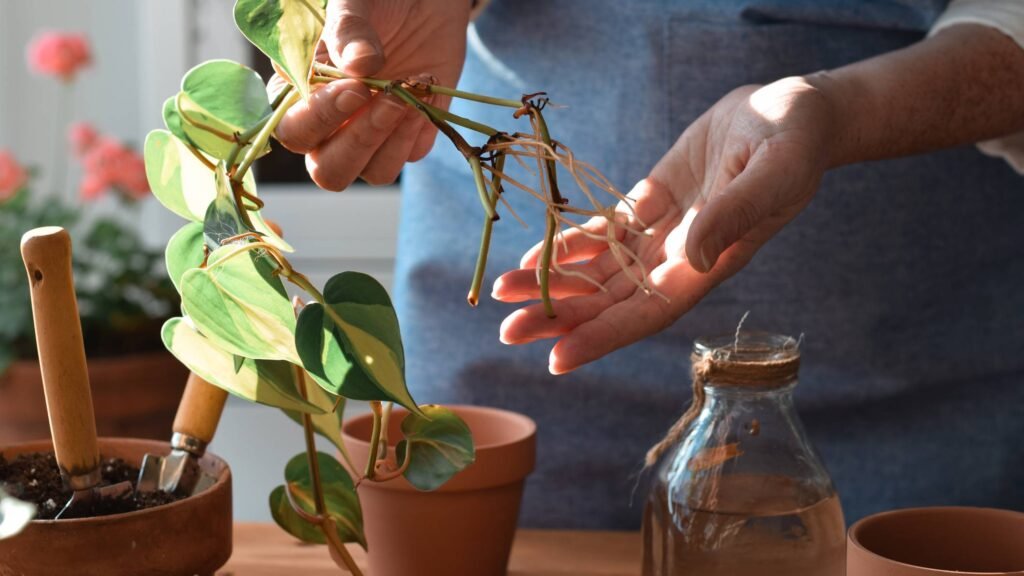
Technology has reached gardening!
Smart pots now monitor:
- Moisture
- Temperature
- Light
- Soil nutrients
They connect to smartphones and alert you when:
- Watering is needed
- Conditions are poor
- Roots are developing
These pots increase success rates by up to 70%.
10. Hormone-Infused Propagation Films
These thin biodegradable films contain:
- Auxins
- Cytokinins
- Minerals
When wrapped around cuttings:
- Roots form faster
- Growth hormones activate
- No chemical mess
- Clean and safe
Widely used in commercial nurseries.
Why New Propagation Methods Are More Effective
Modern techniques succeed because they improve:
- Oxygen supply
- Moisture control
- Hormone balance
- Sterility
- Light quality
- Root oxygenation
Traditional propagation relies on natural conditions, which vary.
New methods provide precision and consistency.
This leads to:
- Higher survival
- Faster growth
- Bigger roots
- Healthier plants
- Less disease
Which Modern Method Is Best for Home Gardeners?
For beginners:
Hydrogel
Nano-gel
Coconut coir blocks
Potato method 2.0
For advanced gardeners:
LED chambers
Air layering
Smart pots
For commercial growers:
Tissue culture
Aeroponics
Conclusion: The Future of Propagation Is Here
Propagation is no longer limited to soil and seeds.
New techniques—ranging from aeroponics to nano-gel and tissue culture—have made plant multiplication faster, cleaner, and more reliable.
These innovations allow gardeners to:
- Grow healthy clones
- Reduce disease
- Save time
- Increase plant production
- Experiment with rare plants
Whether you choose a simple new method like hydrogel or a high-tech method like aeroponic misting, the future of plant propagation is exciting and accessible.