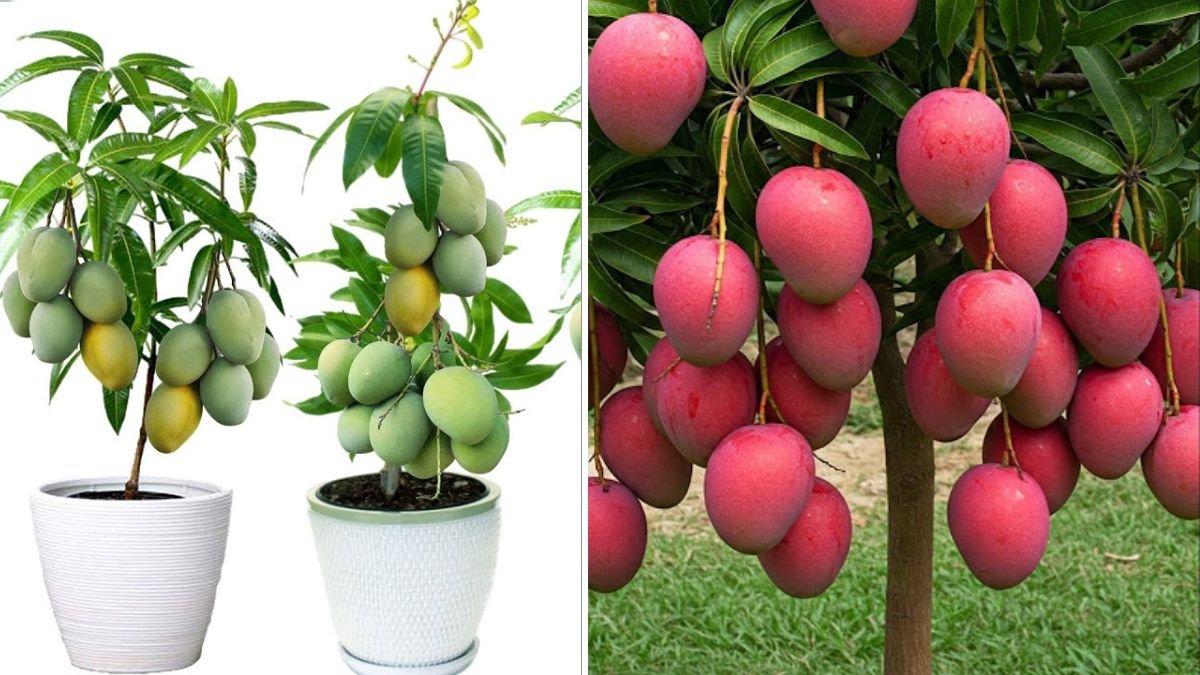
Growing a mango tree is one of the most rewarding experiences for any gardener. Whether you have a backyard, a terrace garden, or just a few containers to spare, mango propagation can be surprisingly easy—if you know the right secrets. Many gardeners struggle with slow growth, weak seedlings, poor rooting, or trees that take years to fruit. But with the right methods, you can grow stronger mango saplings faster and even encourage earlier fruiting.
In this guide, you’ll discover the true secrets of mango tree propagation—techniques used by expert gardeners but rarely explained in detail. From choosing the right seeds to using pro-level grafting tricks, this article will walk you through everything you need to know.
Why Mango Propagation Matters
Propagation is more than just “starting a plant.” It determines how healthy your tree will be, how well it resists diseases, and how soon it will produce fruits. The right method sets the foundation for decades of growth.
There are three primary methods to propagate mango trees:
Seed propagation
Grafting
Air-layering
Each has unique benefits, but some are far more effective than others. Let’s break down the secrets.
SECRET #1: Choose Polyembryonic Seeds (They Grow True to Type!)
Most beginners make the mistake of growing mango trees from any seed. But not all seeds are equal.
Mango seeds fall into two categories:
Monoembryonic
- Common in varieties like Haden or Alphonso
- Grow into a plant different from the parent
- Unpredictable fruit quality
Polyembryonic
- Found in many Southeast Asian varieties like Kensington Pride, Nam Dok Mai
- Produce clones of the parent
- More disease-resistant
- Faster growth
Polyembryonic seeds are the secret to getting a tree identical to the parent fruit.
If you grow from these, you skip the guesswork and grow a stronger, more reliable plant.
How to identify them:
- Polyembryonic mangoes often have smooth, fiber-less flesh
- The seed typically produces multiple sprouts
If you want guaranteed results, always select these.
SECRET #2: Use the Wet-Towel Method for Fast Sprouting
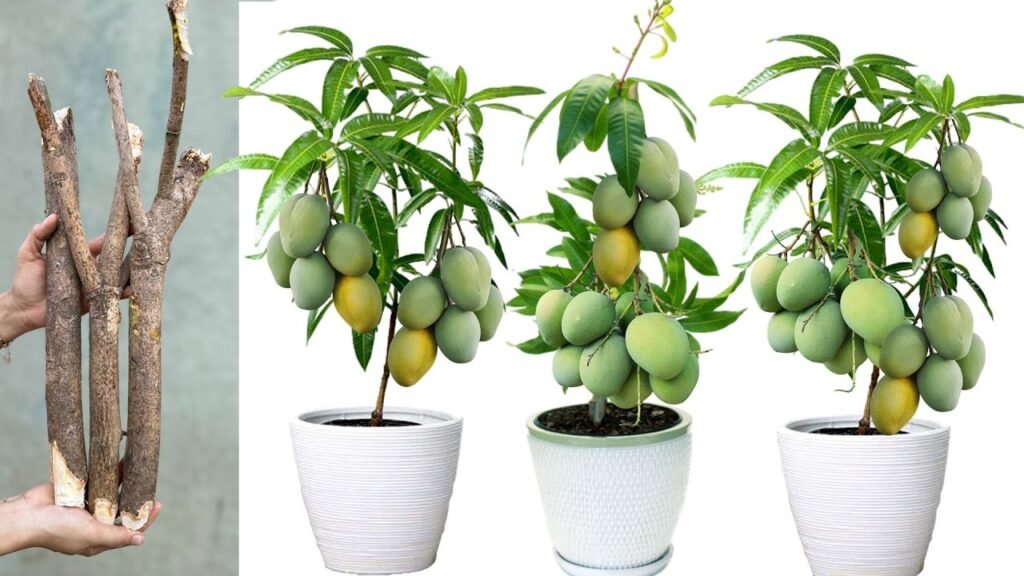
Mango seeds take weeks to germinate if planted directly in soil. But with this simple technique, you can cut germination time by half.
Steps:
- Remove the husk carefully without damaging the embryo.
- Wrap the seed in a slightly moist towel.
- Place inside a zip-lock bag.
- Store in a warm, dark space for 5–7 days.
Soon you’ll see thick white roots appear—now the seed is ready to plant.
Benefits:
- Faster germination
- Protects seed from fungus
- Helps you choose the strongest sprout
SECRET #3: Use Deep Pots for Strong Taproots
Mango trees have powerful taproots. If the root cannot grow deep, the plant will become weak and slow.
Best practice:
Use deep, narrow pots (like 12–16 inch root-trainers).
This promotes:
- Strong taproot growth
- Faster upward growth
- Better disease resistance
- Earlier fruiting potential
Avoid shallow pots—they stunt growth from day one.
SECRET #4: Prune the Seedling at the Right Time
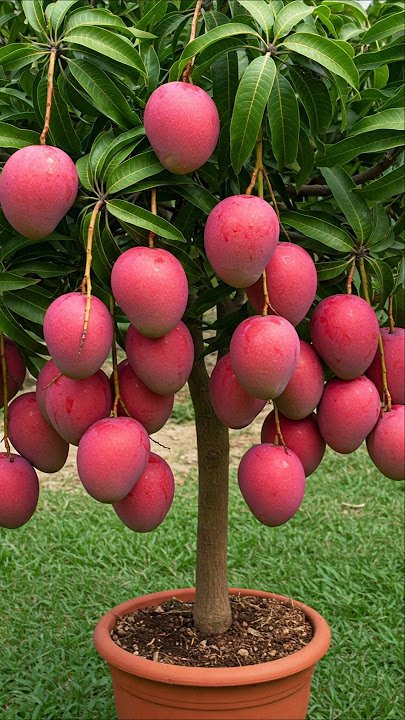
Most gardeners never prune young mango plants… but this one trick changes everything.
Why prune?
Pruning encourages:
- Strong branching
- Better canopy formation
- Faster vertical and lateral growth
When to prune?
When the mango seedling reaches 50–70 cm tall, gently pinch off the tip.
This forces side shoots to appear, creating a healthier structure for future fruit.
It’s a small step but makes a huge difference.
SECRET #5: Grafting for Guaranteed Quality & Faster Fruits
If you want the best mango tree possible, grafting is the ultimate method—and here’s the secret: use a young seedling as the rootstock and graft a mature scion.
Best grafting methods:
- Veneer graft
- Cleft graft
- Softwood graft
Why graft?
- Fruits appear in 2–4 years instead of 6–10
- Disease resistance improves
- Size and quality of fruits become reliable
The magic lies in using new, green scion wood from a fruiting branch.
This dramatically increases success.
SECRET #6: Air-Layering for Quick Clones of Mature Trees
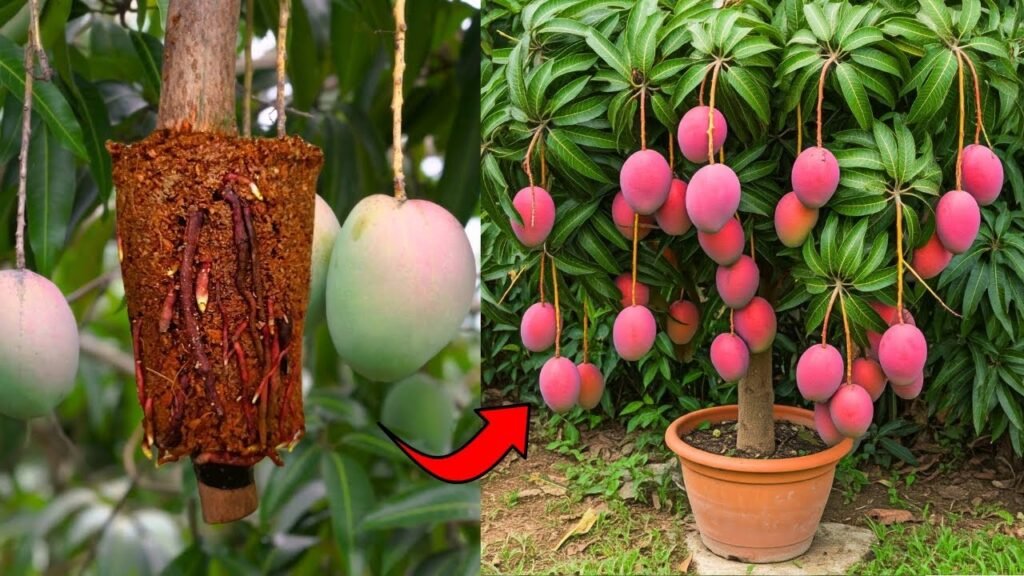
If you want to clone your existing mango tree—or someone else’s—air-layering is the hidden gem.
Benefits of Air-Layering:
- Produces a clone identical to parent
- Roots form while attached to the tree
- 90% success with correct method
- Fruits within a few years
Simple steps:
- Select a healthy green branch.
- Remove a small ring of bark.
- Apply rooting hormone (optional but helpful).
- Cover with moist cocopeat or moss.
- Wrap tightly with plastic.
In 4–6 weeks, roots appear—your new tree is ready.
SECRET #7: Sunlight = Growth Speed
Mango loves sunlight—a lot.
But the real secret is to give your propagating plant:
- Bright morning sun
- Filtered afternoon sun
Seedlings exposed to harsh mid-day heat too early can burn or stunt.
But proper light exposure will accelerate growth dramatically.
SECRET #8: Use These Natural Fertilizers for Faster Growth
Organic fertilizers create healthier, more productive trees.
The best natural boosters:
- Cow dung compost
- Vermicompost
- Seaweed extract
- Neem cake powder
- Wood ash (for potassium)
Pro tip:
Use liquid seaweed spray every 15 days—this is a secret weapon for strong root development.
SECRET #9: Keep Pests Away Naturally
Mango seedlings are sensitive to pests like aphids and mealybugs.
Use natural methods:
- Neem oil spray
- Garlic–chili solution
- Soap water spray
Healthy seedlings grow faster and stronger.
SECRET #10: Repot Only When the Roots Demand It
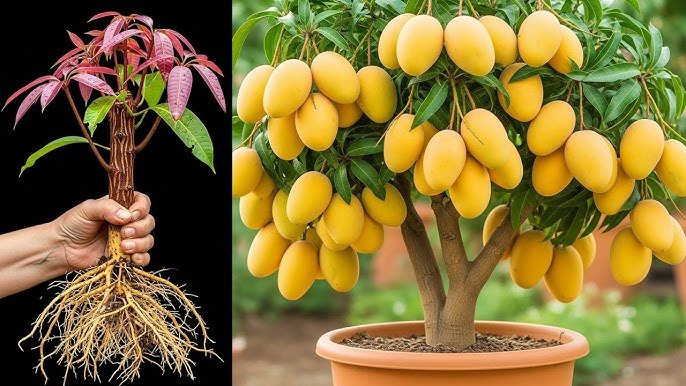
Mango hates unnecessary disturbance.
Repot only when:
- Roots circle the bottom
- Growth slows down
- Soil dries unusually fast
Transplant into a pot 2–3 inches bigger for steady growth.
Conclusion: Grow a Mango Tree Faster with These Secrets
Mango propagation becomes easy—and even fun—when you understand the right techniques. Whether you’re growing from seeds, grafting, or air-layering, the key is to give the plant the right environment and structure from the very beginning.
By using the secrets in this guide—polyembryonic seeds, deep containers, grafting methods, proper pruning, and the right organic care—you can grow mango trees faster, stronger, and with better fruiting potential than ever before.