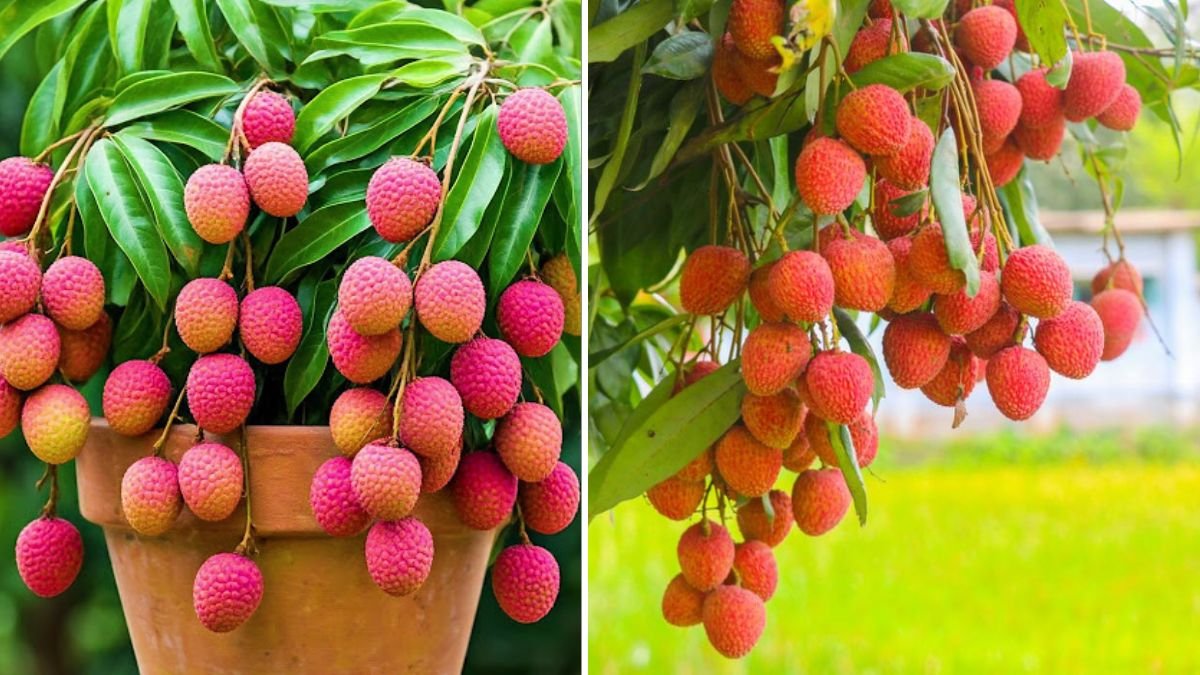
Discover the Easiest, Most Reliable Way to Propagate Lychee at Home
Lychee is one of the most delicious tropical fruits—sweet, juicy, and fragrant. But despite its popularity, many gardeners struggle to grow lychee trees successfully. The reason is simple: lychee is picky about propagation, and using the wrong method can result in slow growth, weak trees, or no fruit at all.
So, what is the best method to grow lychee successfully?
If you ask experienced gardeners or commercial growers, the answer is almost always the same:
👉 AIR LAYERING (also called marcotting)
Why? Because air layering ensures strong, healthy, fast-growing trees that produce fruit much earlier and remain true to the parent plant.
In this full 1200-word guide, you’ll learn why air layering is the best method, how to do it step by step, and additional tips to help your lychee tree thrive—whether you grow it in the ground or containers.
Why Lychee Is Hard to Grow from Seeds
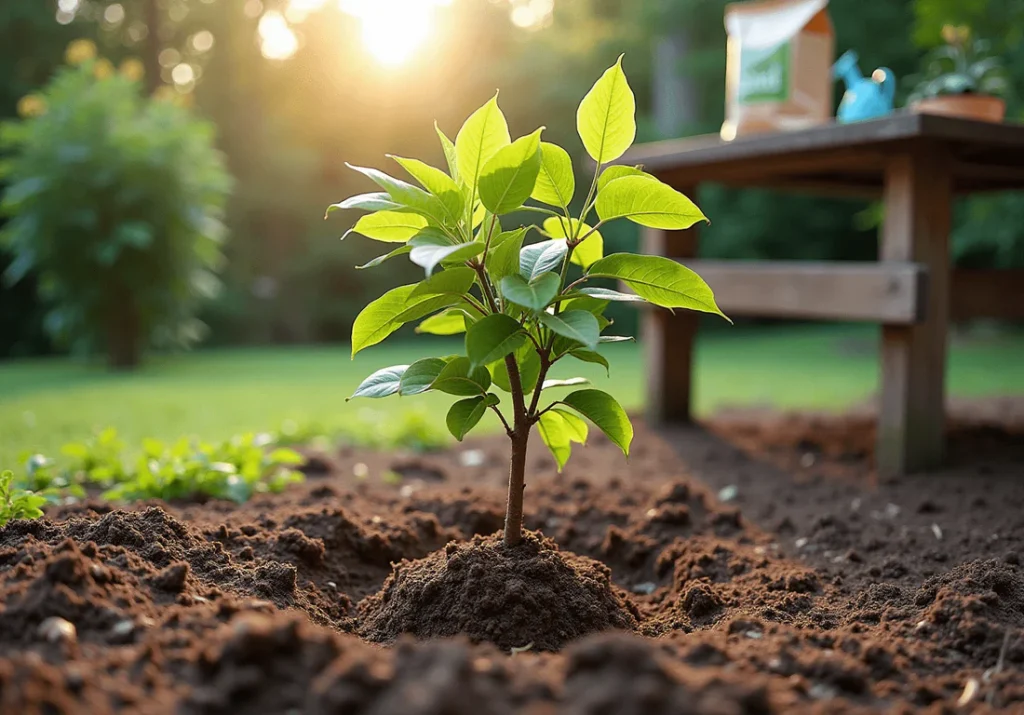
Before we talk about the best method, it’s important to understand why some methods don’t work well.
Many gardeners start lychee from seeds, but here’s the truth:
- Seed-grown lychee takes 8 to 10 years to fruit
- The fruits may not be like the parent plant
- Seedlings are extremely sensitive for the first 2–3 years
- Slow, unpredictable growth
This is why seed propagation is rarely used by professional growers.
Cuttings are also difficult because lychee wood is slow to root.
That leaves us with…
Why Air Layering Is the BEST Method to Grow Lychee
Air layering is the process of making roots on a branch while it is still attached to the mother tree. This gives the baby plant everything it needs to grow strong roots before it is separated.
Benefits of Air Layering:
1. Early Fruiting
Air-layered lychee trees fruit within 4–5 years, much faster than seeds.
2. True-to-Type Plants
The new plant will produce fruits exactly like the mother tree—same taste, texture, sweetness, and size.
3. High Success Rate
More than 90% of air layers root successfully when done correctly.
4. Stronger, Faster Growth
Roots formed during air layering are healthy and well-developed.
5. No Special Skills Required
Even beginners can do it easily.
6. Perfect for Home Gardeners
Air-layered plants stay compact and manageable, ideal for pots and small spaces.
Now that you know why air layering is the best method, let’s learn how to do it.
How to Air Layer Lychee (Step-by-Step Guide)
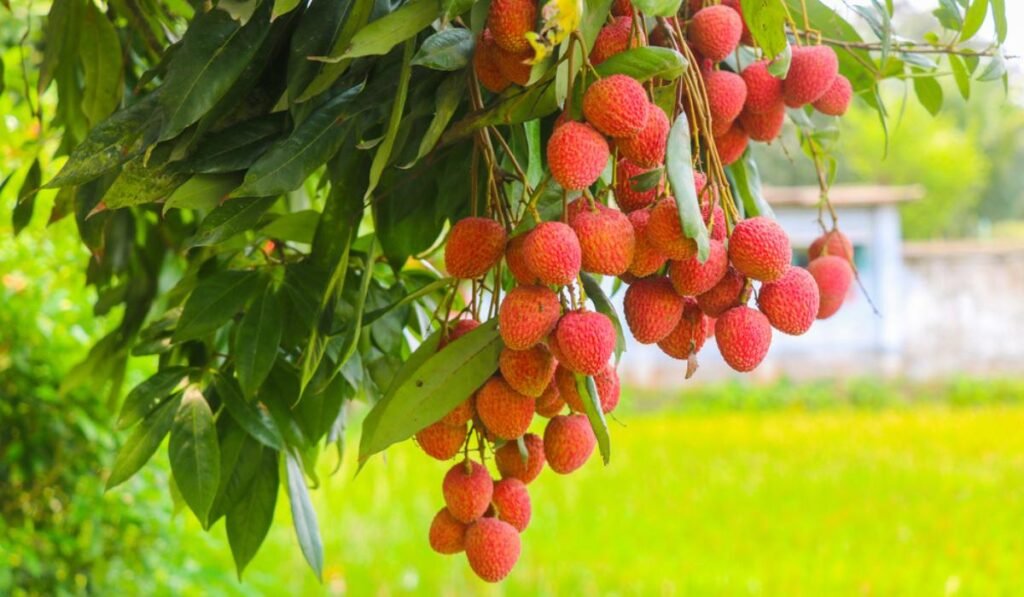
What You Need:
- Sharp knife or pruning tool
- Coco peat or sphagnum moss
- Plastic wrap or a polythene sheet
- Twine or zip ties
- Rooting hormone (optional but helpful)
- Water spray bottle
Step-by-Step Air Layering Procedure
1. Choose a Healthy Branch
Select a branch that is:
- 1 to 2 cm thick
- Strong and disease-free
- Semi-hardwood (not too young, not entirely woody)
- Exposed to sunlight
The branch should be roughly 1 year old.
2. Make a Circular Cut
At the selected point:
- Remove the bark around the branch
- Create a ring (1–1.5 inches wide)
- Scrape off the green layer to prevent healing
This will encourage the plant to form new roots.
3. Apply Rooting Hormone (Optional)
Using rooting powder or gel speeds up the rooting process by 20–30%.
4. Prepare Moist Coco Peat or Moss
Soak the moss until it is moist—not dripping wet.
Moisture is very important for root formation.
5. Pack the Moss Around the Cut
- Take a handful of moist moss
- Wrap it tightly around the exposed area
- Make sure the entire ring is covered
The moss acts as the rooting medium.
6. Wrap with Plastic
Use a plastic sheet to cover the moss:
- Wrap it tightly
- Tie both ends securely
- Ensure no air gaps
This creates a mini greenhouse around the branch.
7. Maintain Moisture
If the weather is too dry:
- Open one side
- Check moisture
- Spray water if necessary
- Reseal the layer
Rooting Time
Lychee air layers take 40–60 days to form strong roots.
You can check by gently pressing the moss—hard lumps indicate root formation.
8. Remove and Plant
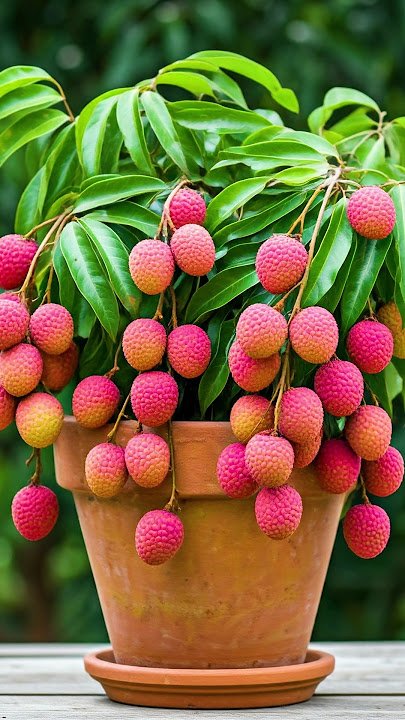
Once roots fill the moss:
- Cut below the rooted area
- Remove the plastic carefully
- Plant the rooted branch in a pot
- Keep it in partial shade for 2–3 weeks
After it adjusts, move it to full sunlight.
Best Soil Mix for Lychee Trees
Lychee trees love well-draining, slightly acidic soil.
Perfect Soil Mix:
- 40% garden soil
- 30% compost
- 20% river sand
- 10% coco peat
Optional boosters:
- Neem cake
- Bone meal
- Vermicompost
This mixture promotes fast root expansion and strong growth.
Sunlight Requirements
Lychee trees grow best in:
- Full sunlight
- At least 6–8 hours of direct light per day
More sunlight = faster growth + earlier fruit formation.
Avoid shade, as lychee becomes weak and slow-growing in low light.
Watering Tips for Lychee
Lychee hates both drought and waterlogging.
Watering Rules:
- Keep soil evenly moist
- Do NOT let soil dry completely
- Water deeply twice a week in summer
- Reduce watering in winter
- Never keep the pot sitting in water
Young air-layered trees need extra care during the first 3 months.
Fertilizing Lychee for Faster Growth
Once your lychee tree is stable (after 2–3 months), start feeding it regularly.
Monthly Fertilizers:
- Vermicompost
- Cow dung compost
- Mustard cake water
- Banana peel fertilizer (for potassium)
Seasonal Boosters:
- Rock phosphate (root development)
- Potash (flowering and fruiting)
- Seaweed solution (general growth)
Do NOT use too much nitrogen; it produces leaves but delays fruiting.
Pruning Tips for Lychee
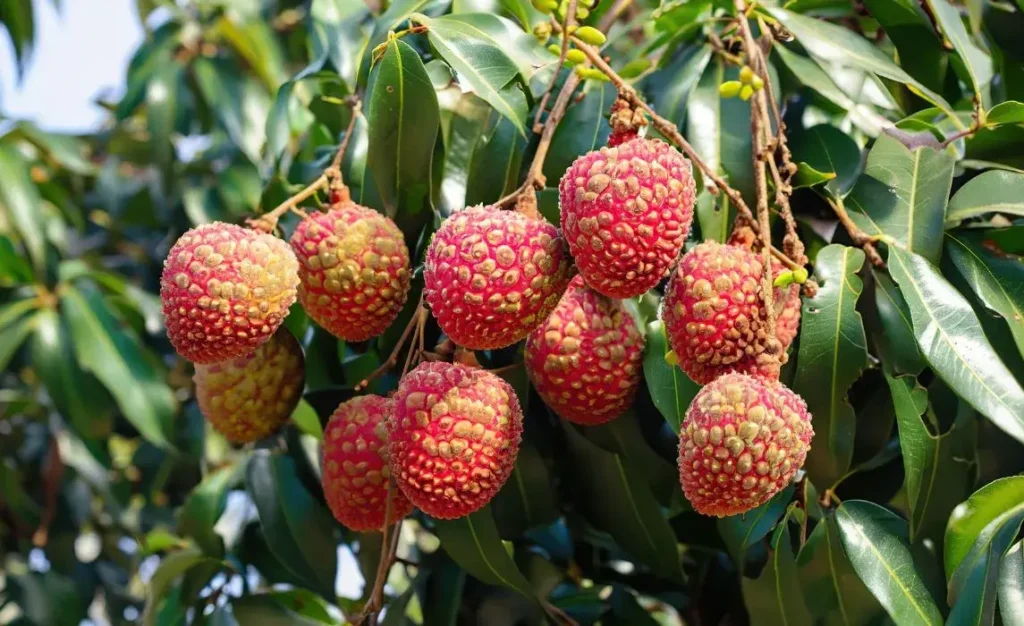
Pruning is essential for shaping lychee trees.
When to Prune:
- After harvest
- Before new flushes of growth
What to Prune:
- Weak branches
- Crossing branches
- Dead wood
- Long vertical shoots
Pruning helps lychee develop a strong structure and more flowering points.
Common Pests & Natural Control
Lychee trees are prone to pests like:
- Aphids
- Leaf miners
- Mealybugs
- Fruit borer
Natural Remedies:
- Neem oil spray every 15 days
- Soap + water spray for mealybugs
- Yellow sticky traps
- Garlic-chili spray
Keep the tree clean, dry, and well-ventilated.
When Will Your Lychee Tree Fruit?
This depends on the propagation method:
Seed-grown trees:
8–10 years
Air-layered trees:
4–5 years
This is why air layering is the BEST and fastest method.
Final Thoughts: Air Layering Is the Best Way to Grow Lychee
If you want a lychee tree that:
- grows fast
- stays healthy
- produces fruits earlier
- matches the quality of the parent tree
- is easy to care for
…then air layering is undeniably the best method.
This technique is simple, highly successful, and perfect for home gardeners who want to enjoy fresh lychees from their own backyard or terrace.