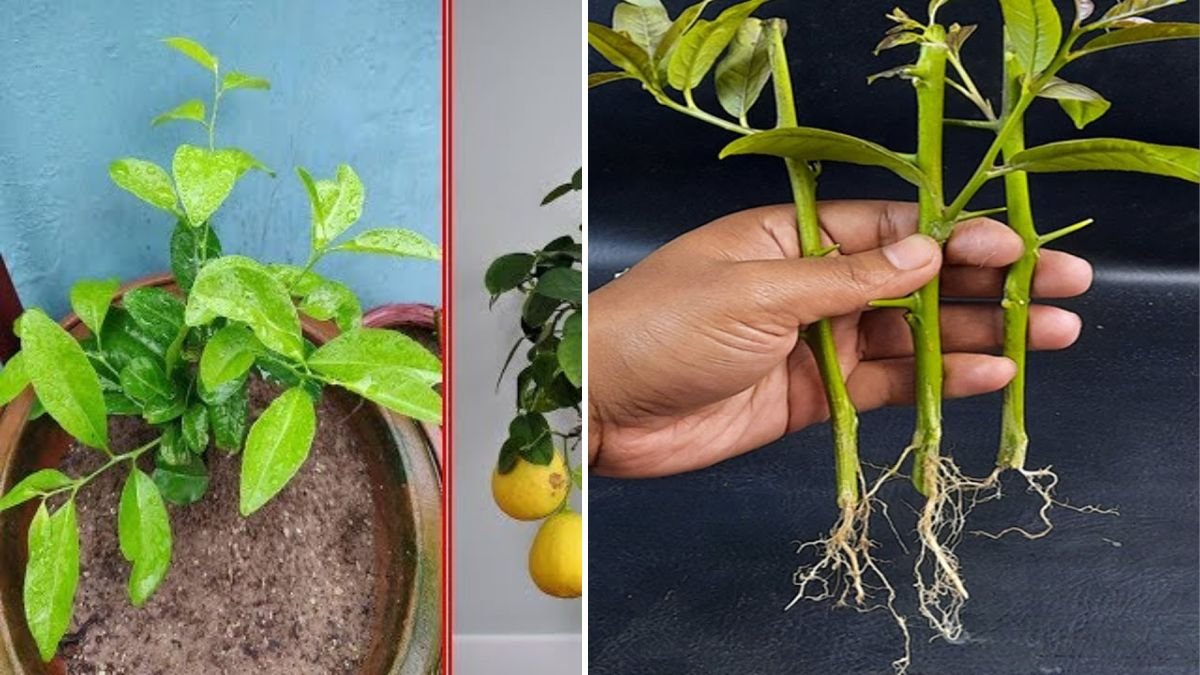
Growing lemon trees from cuttings is one of the easiest and most satisfying ways to multiply your plants without buying new ones. If you’ve ever wished to grow more lemon trees—whether for your garden, balcony, or gifts for friends—propagation is the perfect method. Not only is it cheaper, but it also ensures your new tree is genetically identical to the parent plant. This means you can clone a highly productive, disease-free lemon tree and enjoy the same juicy fruits sooner.
In this detailed guide, you’ll learn step-by-step how to root lemon cuttings successfully, the best time to propagate, essential mistakes to avoid, and how to care for new rooted cuttings until they become strong young trees.
Why Root Lemon Trees from Cuttings?
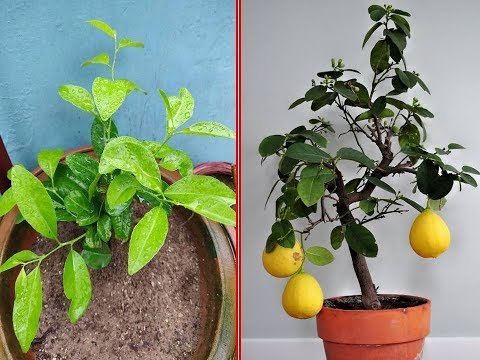
While most gardeners grow citrus from seeds, they often don’t realize that seed-grown lemon trees take years before producing fruit—sometimes 4 to 7 years. On the other hand, a tree grown from cuttings can produce within 1–2 years because it is already a mature clone of the parent.
Here’s why rooting lemon tree cuttings is a smart choice:
- ✔️ Early fruiting
- ✔️ Clones strong, healthy parent plants
- ✔️ Cost-effective and simple
- ✔️ Suitable for containers or ground planting
- ✔️ Higher success rate than seed propagation
Even if you’re a beginner, once you understand the correct techniques, you can root lemon cuttings with an impressive success rate.
Best Time to Take Lemon Cuttings
Timing plays a huge role in success. The ideal seasons are:
- Spring – when new growth begins
- Early monsoon – high humidity boosts rooting
- Early fall – softer stems root faster
Avoid peak summer because excessive heat dries the cutting. Winter is also slow for rooting because plants go dormant.
How to Select the Perfect Cutting
The success of rooting begins with choosing the right branch. Follow these guidelines:
Choose Semi-Hardwood Stems
These are green but slightly firm stems that snap when bent. They root much more easily than fully woody stems.
Cutting Length: 6–8 Inches
This is the ideal size—not too long and not too short.
Use Disease-Free, Healthy Stems
Avoid stems with:
- Spots
- Wilting
- Cracked bark
- Pests
Healthy parent plants produce strong young trees.
Look for Nodes and Leaves
Nodes are where roots will emerge. More nodes = higher rooting chances.
Step-by-Step Guide to Rooting Lemon Tree from Cuttings
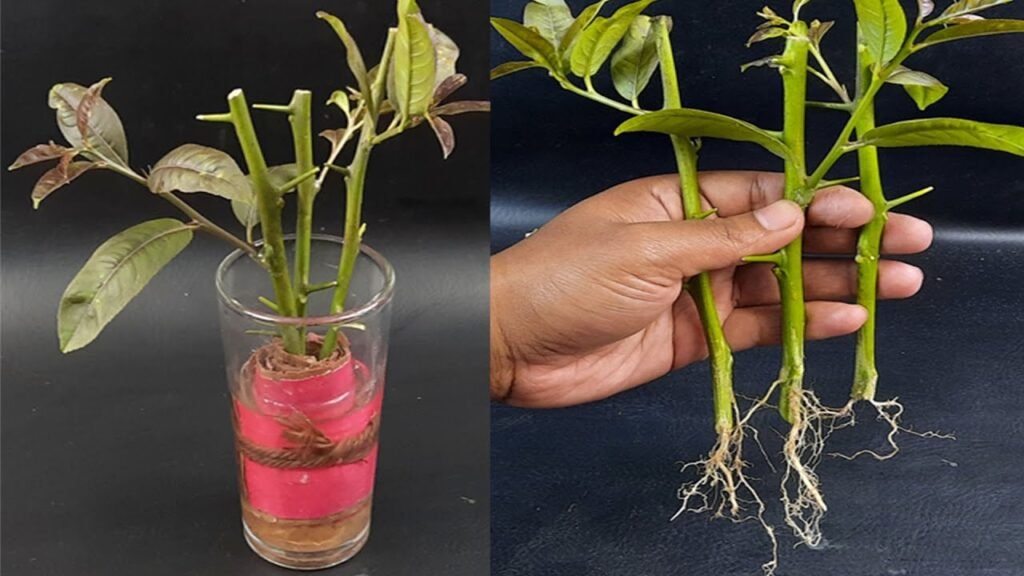
Below is a complete, beginner-friendly guide.
Step 1: Prepare Tools and Materials
You’ll need:
- Sterile pruning shears
- A small pot or grow bag
- Well-draining soil mix
- Rooting hormone (optional but very helpful)
- A clear plastic bag or humidity dome
- Spray bottle with water
Best Soil Mix for Rooting
Roots require oxygen and moisture—not soggy soil. Try this mix:
- 50% coco peat
- 30% perlite or sand
- 20% garden soil or compost
This combination prevents fungal rot.
Step 2: Take the Cutting
Cut a branch just below a node at a 45-degree angle. This increases the rooting area and water absorption.
Important Preparation Steps
- Remove all leaves except the top 2 leaves.
- If leaves are big, cut them in half to reduce moisture loss.
- Dip the cut end in rooting hormone powder or gel.
If you don’t have rooting hormone, use natural alternatives:
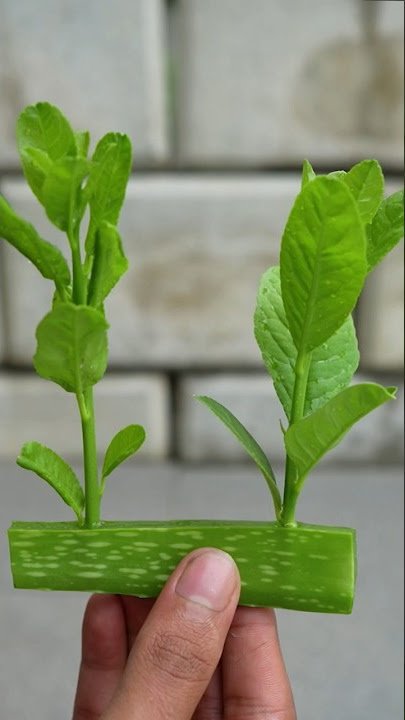
- Aloe vera gel
- Honey
- Cinnamon powder
These reduce fungal infection and slightly improve rooting.
Step 3: Plant the Cutting
- Make a hole in the soil using a stick or pencil.
- Insert the cutting 2–3 inches deep.
- Firm the soil around the base for support.
- Water lightly—do not soak the soil.
Step 4: Create a Mini Greenhouse
To keep your cutting humid and protected, cover the pot with:
- A clear plastic bag
- A clear plastic bottle top
- A humidity dome
Humidity is the secret to successful rooting because the cutting has no roots to absorb water. The mini greenhouse keeps it hydrated and alive during the rooting process.
Step 5: Caring for the Cutting During Rooting
This is where most beginners fail—care during the next few weeks is crucial.
Place in Bright, Indirect Light
Avoid direct sunlight—it will dry the cutting quickly.
Maintain 60–70% Moisture
Soil should be slightly moist, never soggy.
Open the Plastic Cover for Fresh Air Daily
This prevents fungal growth.
Do Not Move the Cutting
Movement disturbs fragile developing roots.
How Long Does Rooting Take?
Lemon cuttings normally take:
- 3–4 weeks to start forming roots
- 6–8 weeks to develop strong roots
You can test rooting gently:
- Tug slightly on the cutting
- If you feel resistance—it has rooted
Do not pull hard or remove it prematurely.
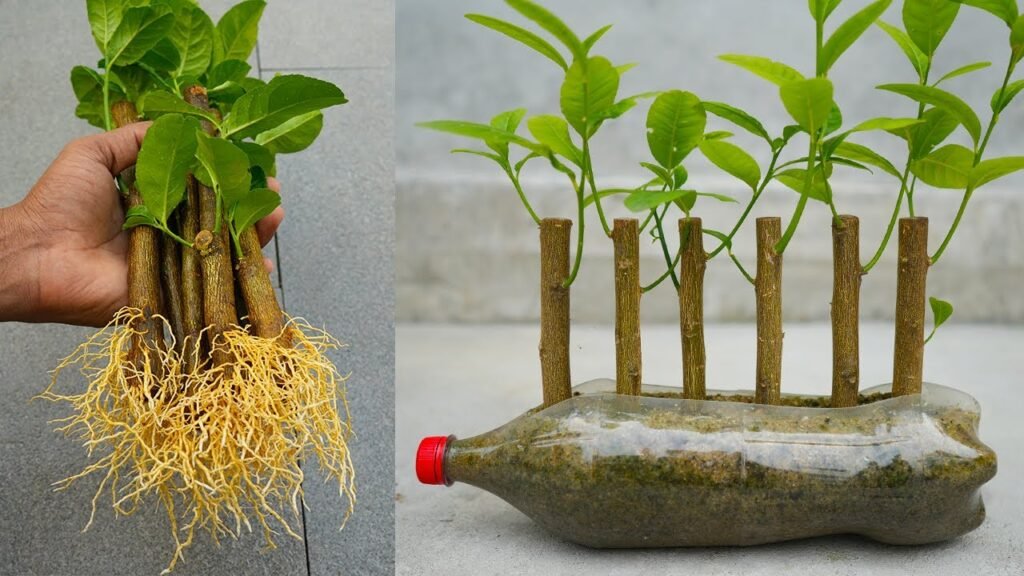
Transplanting the Rooted Cutting
Once the roots are at least 2–3 inches long, you can transplant it into a bigger pot.
Best Pot Size: 8–10 inches
Later, shift to a 12–16 inch container when it matures.
Use Citrus-Friendly Potting Mix:
- Garden soil
- Compost
- Coco peat
- Sand
- Neem cake (optional)
This mix provides nutrients while ensuring drainage.
Sunlight and Watering After Transplanting
After transplanting:
Light
- Keep the young plant in partial shade for 7–10 days.
- Then gradually expose it to full sunlight.
Watering
- Water only when the topsoil feels dry.
- Young lemon plants dislike waterlogging and can rot easily.
Boost Growth with Gentle Fertilizers
Once the plant is well-established (after 1–2 months), start light feeding.
Best fertilizers for young lemon plants:
- Vermicompost
- Cow dung compost
- Seaweed extract (excellent for root growth)
- Banana peel liquid
- Neem cake
Feed every 20–25 days.
Common Problems & How to Avoid Them
1. Cutting turns black
✔ Too much water
✔ Fungal disease
✔ Direct sunlight
Solution: Improve drainage, reduce watering, provide shade.
2. Leaves droop or dry
✔ Low humidity
✔ Too much heat
Solution: Increase moisture; cover with a plastic dome.
3. Cutting rots at the base
✔ Soil too wet
✔ No airflow
Solution: Use a lighter rooting mix, open the dome regularly.
When Will the New Lemon Tree Bear Fruit?
If grown from cuttings, your new tree may produce lemons in:
1.5 to 2.5 years
(depending on care and sunlight)
This is much faster than seed-grown trees.
Final Thoughts
Rooting lemon trees from cuttings is one of the most rewarding gardening activities. With a small branch, the right soil, and good care, you can grow a strong, productive lemon tree without spending a single rupee on buying new plants. It’s a simple technique—even beginners can achieve a high success rate by following the steps carefully.
Whether you want a thriving citrus garden, fresh homemade lemonade, or a beautiful potted plant, propagating lemon trees from cuttings is your gateway to endless possibilities.