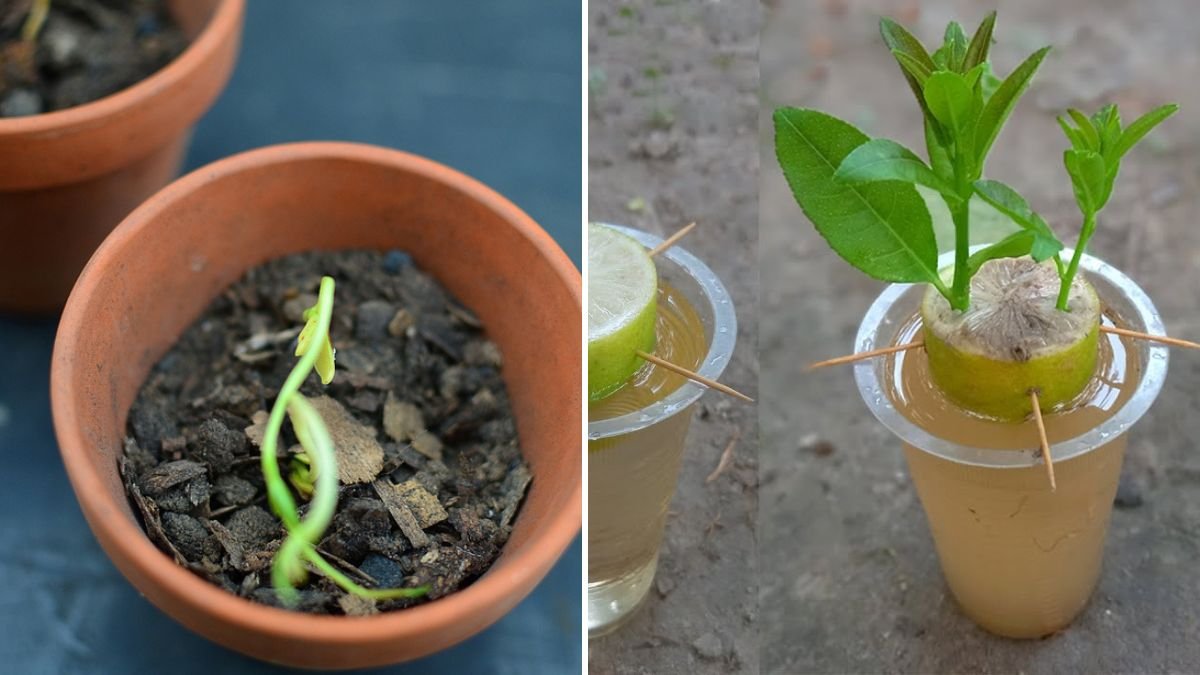
If you love the idea of growing your own lemon tree—one that produces fragrant flowers, juicy fruits, and adds beauty to your garden—then you’re going to love this simple and powerful method: rooting lemon cuttings in water.
Many gardeners assume that lemons can only be grown from seeds or soil propagation, but water propagation has proven to be one of the fastest, easiest, and cleanest ways to grow new lemon trees at home.
This guide will teach you exactly how to grow lemon trees faster using water—without expensive tools, without complicated setups, and without needing much space. Whether you’re a beginner or an expert, this step-by-step method guarantees a high success rate and strong root development.
Let’s dive in!
Why Choose Water Propagation for Lemon Trees?
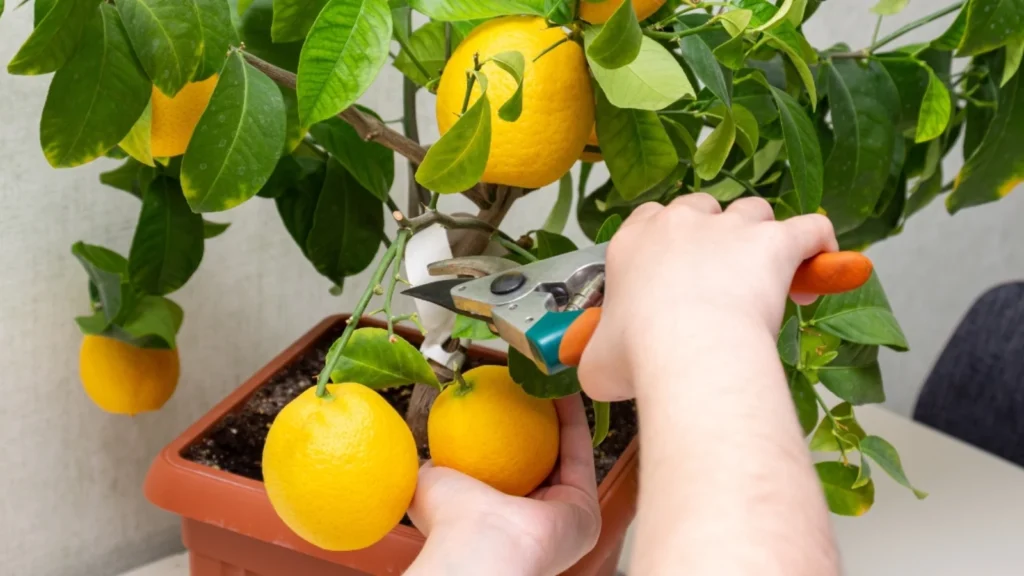
Water propagation has become incredibly popular in gardening for several good reasons. Compared to rooting lemon cuttings in soil, water offers multiple advantages:
You can see roots developing in real time
This helps you monitor progress and avoid guessing.
Higher success rate
Cuttings in water rarely dry out, making root formation easier.
Fast rooting
Lemon branches root much faster in water when kept in warm, bright conditions.
Beginner-friendly
No need for complicated soil mixtures or constant watering.
Clean and pest-free
Water eliminates soil insects, fungus gnats, and other pests.
With this method, you’ll have a young lemon plant ready for potting in just a few weeks.
What You Need to Start
Before starting, collect the following simple items:
- Healthy lemon branch (6–8 inches long)
- A clean glass or transparent jar
- Fresh, chlorine-free water
- Sharp scissors or pruning shears
- Rooting hormone (optional but helpful)
- Indoor sunny spot or bright window
- Clean cloth or tissue
These items are easily available and inexpensive—perfect for home gardeners.
Step-by-Step Guide: Grow Your Lemon Tree Faster Using Water
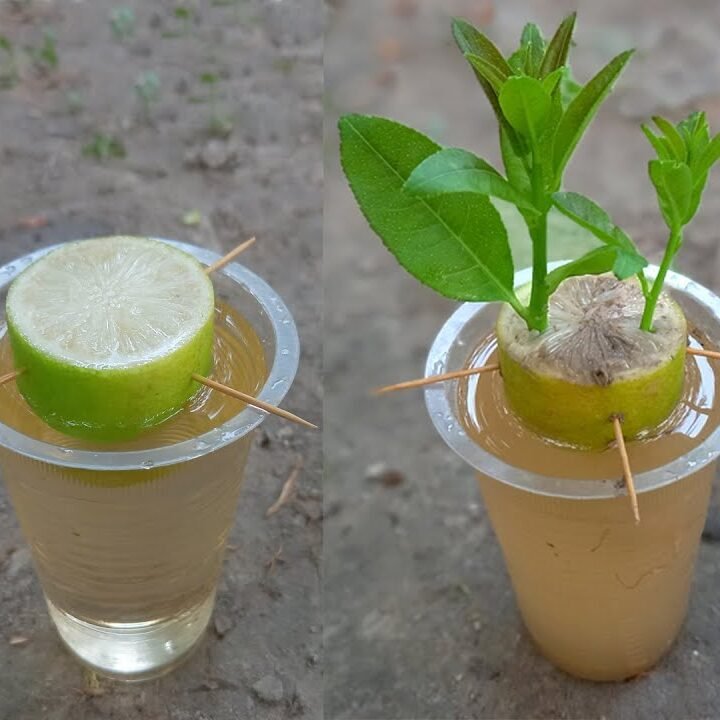
Step 1: Choose the Right Lemon Cutting
Pick a healthy branch from a mature, disease-free lemon tree.
The ideal cutting should be:
- 6–8 inches long
- Green but firm (semi-hardwood)
- From the current season’s growth
- Containing 3–4 leaf nodes
Avoid old, woody stems—they take much longer to root.
Step 2: Make a Clean Cut
Use sterilized scissors or pruning shears to cut the branch at a 45-degree angle. This maximizes the surface area for water absorption.
Before placing the cutting in water:
- Remove leaves from the bottom half
- Keep 2–3 leaves at the top
- Remove any flowers or buds (they drain energy)
This prepares the cutting to focus entirely on root development.
Step 3: Apply Rooting Hormone (Optional but Recommended)
Dip the base of the cutting into powdered or gel rooting hormone.
Why use it?
- Speeds up root growth
- Improves success rate
- Prevents fungal rot
If you don’t have rooting hormone, don’t worry—water propagation still works beautifully.
Step 4: Place the Cutting in Water
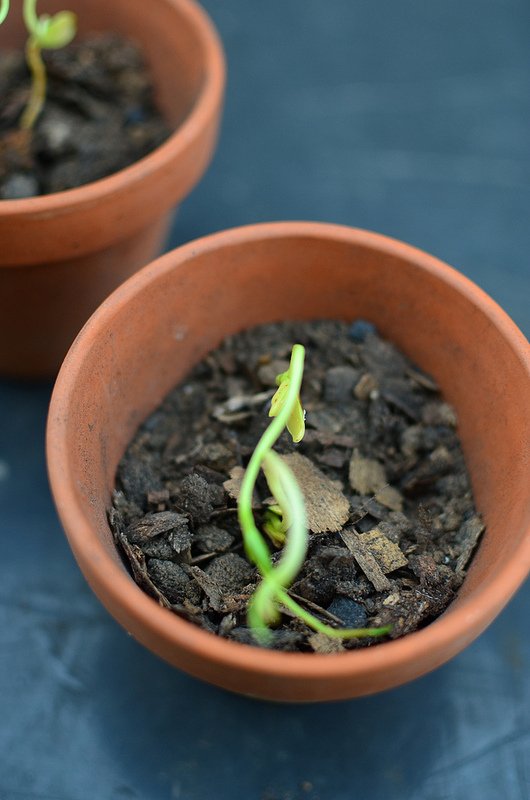
Fill a clean transparent jar with chlorine-free water.
You can use:
- Filtered water
- RO water
- Rainwater
- Or let tap water sit for 12 hours to release chlorine
Place the cutting into the jar so that the bottom 2–3 inches are submerged.
Ensure:
- Leaves are NOT touching the water
- The cutting stands upright
- No part of the branch rubs against the glass
Roots need space to grow freely.
Step 5: Choose the Right Location
Place the jar in a bright, warm location—such as:
- A sunny windowsill
- Near a balcony
- Under indirect sunlight
- A bright indoor shelf
Avoid direct hot sunlight, which can overheat the water and damage the cutting.
Step 6: Change the Water Regularly
To prevent bacteria and fungal growth, change the water every:
3–4 days in warm months
5–7 days in cool months
Always use room-temperature water.
Whenever you change the water, gently rinse the bottom of the cutting to keep it healthy.
Timeline: What to Expect While Rooting Lemon in Water
Week 1:
The cutting remains fresh and green. No roots yet.
Week 2:
Small white bumps (root initials) begin appearing.
Week 3–4:
Thin white roots grow 1–2 inches long.
Week 5–6:
Multiple roots form, strong enough for transplantation.
Some cuttings root faster (especially in warm seasons), while others take a bit longer.
Step 7: Transplanting Your Rooted Lemon Cutting
Once roots reach 3 inches or more, your lemon cutting is ready for soil.
Prepare a potting mix:
- 40% garden soil
- 30% compost or cow dung
- 20% coco peat
- 10% sand for drainage
Planting steps:
- Fill a medium-sized 8–10 inch pot.
- Make a 3-inch hole.
- Carefully place the rooted cutting into the hole.
- Cover gently with soil.
- Water lightly.
- Keep in partial shade for 7–10 days.
Gradually allow your plant to adjust to sunlight.
Care Tips to Make Your Lemon Tree Grow Faster
Once your lemon plant is established in soil, follow these care techniques to boost growth:
Sunlight
Lemon trees love 6–8 hours of direct sunlight daily.
Watering
Keep the soil moist but not soggy.
Overwatering can lead to root rot.
Fertilizing
Feed the plant every 30 days with:
- Vermicompost
- Banana peel fertilizer
- Epsom salt (magnesium) once a month
- Seaweed extract for root strength
Mulching
Apply dry leaves or grass around the base to retain moisture.
Pruning
Pinch the top growth to promote bushy branching and faster growth.
When Will Your Water-Propagated Lemon Tree Produce Fruit?
Lemon trees propagated from cuttings grow much faster than seed-grown plants.
You can expect fruiting in:
2–3 years, with proper care
Even earlier for fast-growing varieties like Kagzi or Eureka
Because your new plant is genetically identical to the parent, fruit type and quality will also be identical.
Common Problems & How to Fix Them
Cutting turns yellow
Cause: Too much light or chlorine in water
Fix: Move to indirect sunlight and use filtered water
Brown slimy roots
Cause: Bacterial growth
Fix: Change water more frequently
No roots after 4 weeks
Cause: Wrong branch type
Fix: Try a younger semi-hardwood branch
Mold in jar
Cause: Lack of oxygen
Fix: Clean the jar with warm water before reuse
Why Water Propagation Works So Well for Lemon Trees
Lemon wood responds quickly to moisture.
When placed in water:
- The plant receives constant hydration
- Nutrients are easily delivered
- There’s no soil resistance for new roots
- Temperature remains stable
All these conditions help lemon trees root faster compared to soil propagation.
Final Thoughts: Growing Lemon Trees in Water Is Easy, Fast, and Fun
Growing a lemon tree using the water propagation method is truly magical.
You start with a simple cutting—and within weeks, you watch tiny roots appear, grow, and turn into a brand-new plant. This method is:
- Simple
- Clean
- Beginner-friendly
- Highly successful
- Perfect for indoor gardeners
With just a jar of water, a bit of patience, and some sunlight, you can grow multiple lemon trees at home—faster than the traditional soil method.
If you follow this step-by-step guide carefully, your lemon cuttings will root beautifully, and you’ll soon enjoy a healthy lemon tree producing fresh, juicy fruit in your own garden.