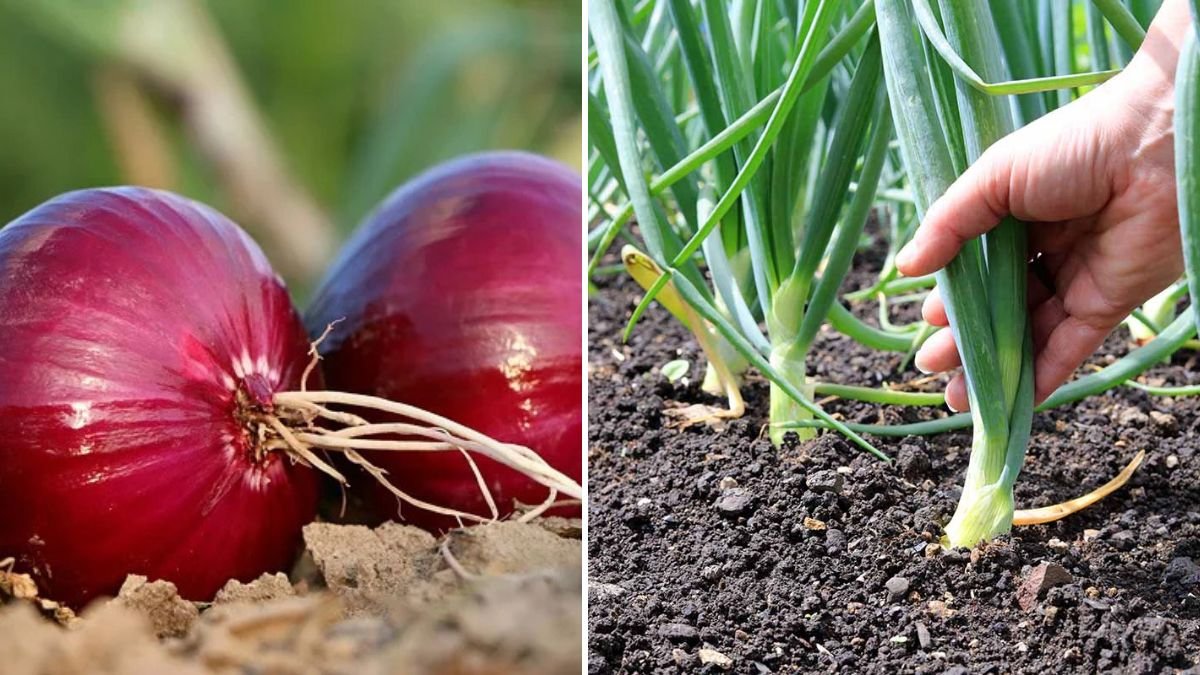
Spring onions—often called green onions, scallions, or bunching onions—are among the easiest and most rewarding vegetables to grow at home. They require little space, grow quickly, and can be harvested multiple times. And when grown in PVC pipes, they become a super space-saving, clean, and decorative gardening solution, perfect for balconies, terraces, or small home gardens.
This guide will take you through the complete journey of growing spring onions in PVC pipes from seed to harvest, covering seed germination, pipe preparation, soil mix, planting, watering, fertilization, pest control, and harvesting methods.
Whether you’re a beginner or an experienced gardener, this ultimate step-by-step method will guarantee a continuous supply of fresh, crunchy spring onions.
1. Why Grow Spring Onions in PVC Pipes?
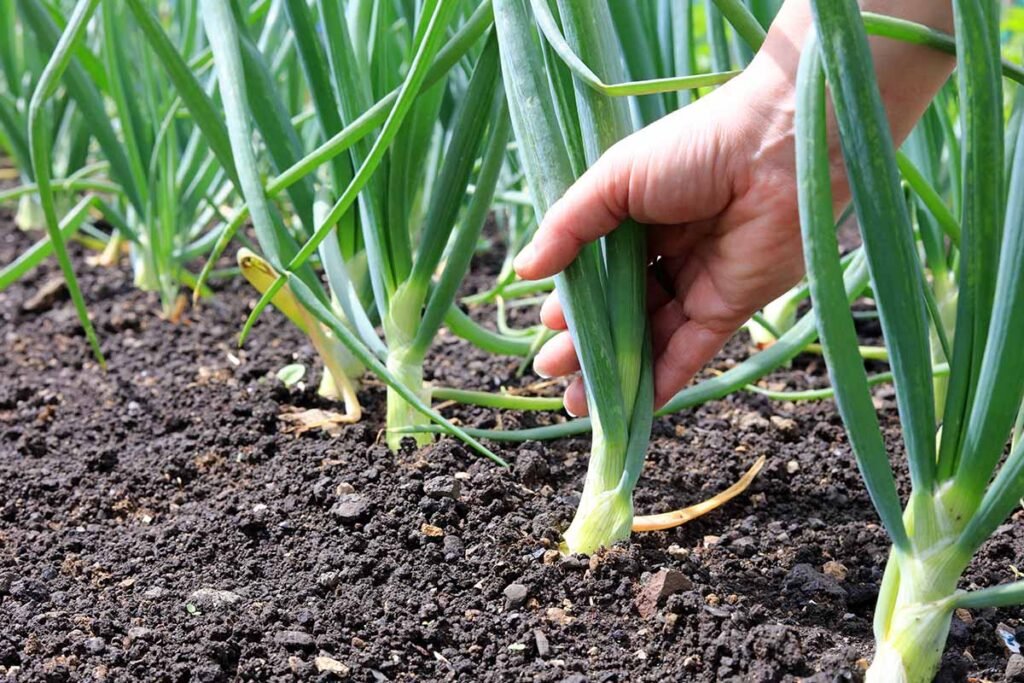
PVC pipe gardening has become a popular option among urban gardeners. Here’s why it works so well for spring onions:
Saves Space
Vertical or horizontal pipes allow you to grow many plants in a very small area.
Clean Growing Environment
No muddy soil, fewer weeds, and easy maintenance.
Efficient Water Usage
Water flows evenly through the pipe without wastage.
Continuous Production
Once established, spring onions keep producing for months.
Stylish and Organized
Looks neat and decorative on balconies, patios, and terraces.
2. What You Need to Get Started
Materials List
- PVC pipe (4–6 inches diameter, 2–4 feet long)
- End caps (optional but useful)
- Drill machine
- Hole saw bit (2–3 inches)
- Premium soil mix
- Spring onion seeds
- Cocopeat
- Compost or vermicompost
- Perlite or sand
- Watering can or spray bottle
If you prefer, you can grow them in vertical pipes with holes or use a horizontal pipe with slits—both work well.
3. Preparing the PVC Pipe
Step 1: Drill Planting Holes
Use a 2–3 inch hole saw to create planting holes:
- Vertical pipe: Make holes spiraled around the pipe, spaced 10 cm apart.
- Horizontal pipe: Make holes on the top side only.
Step 2: Drill Drainage Holes
At the bottom or end of the pipe, drill small drainage holes.
Good drainage prevents mold and root rot.
Step 3: Add End Caps (Optional)
These help retain soil and improve water flow control.
4. Best Soil Mix for Spring Onions
Spring onions thrive in soft, well-draining soil.
Ideal Soil Mix:
- 40% cocopeat
- 30% compost or vermicompost
- 20% garden soil
- 10% perlite or coarse sand
Optional Additives:
- 1 tablespoon neem cake powder
- A handful of wood ash
- A pinch of Epsom salt
This mixture ensures:
Proper aeration
Steady moisture
Nutrient-rich environment
5. Seed Preparation and Sowing
Step 1: Pre-Soak Seeds (Optional)
Soak for 2–4 hours to speed up germination.
Step 2: Fill the PVC Pipe with Soil
Fill the pipe from top to bottom, tapping it lightly to remove air gaps.
Step 3: Sowing Seeds
Spring onion seeds are tiny—do not plant them too deep.
- Make a small hole or shallow dip
- Sow 6–10 seeds per opening (you will thin later)
- Cover lightly with cocopeat
- Water gently with a spray bottle
Germination Time:
Approx. 7–10 days depending on temperature.
6. Early Seedling Care
The first 2 weeks are crucial for healthy growth.
Light:
Place your PVC pipe where it receives:
- 4–6 hours of sunlight OR
- Bright indirect light all day
Avoid harsh noon sun in early stages.
Watering:
Seedlings need moisture but not soggy soil.
- Water lightly every 1–2 days
- Use bottom watering for horizontal pipes
- Avoid waterlogging
Thinning:
Once seedlings reach 5–7 cm, thin them to 4–5 seedlings per hole for proper airflow and growth.
7. Fertilization: Boosting Fast Growth
Spring onions grow fast and benefit from consistent feeding.
Start fertilizing 10–12 days after sprouting.
Use mild fertilizers like:
- Compost tea
- Seaweed extract
- Vermicompost tea
- Fish emulsion (weak solution)
Apply once every 7–10 days.
Avoid strong chemical fertilizers—spring onions don’t need heavy nitrogen early on.
8. Watering Schedule After Establishment
Spring onions prefer moist but not soaked soil.
Watering Plan:
- Summer: Every 1–2 days
- Winter: Every 2–3 days
- Rainy season: Only when topsoil feels dry
The PVC pipe retains moisture well, so check soil before watering to prevent rot.
9. Sunlight Requirements Throughout Growth
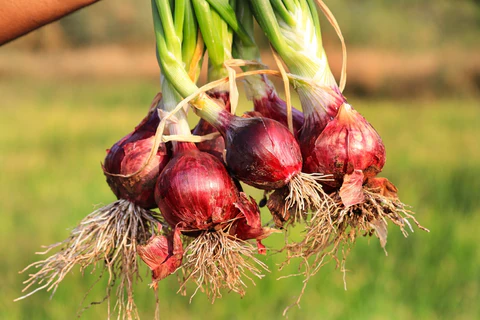
Spring onions perform best with:
5–6 hours of direct sunlight
OR
Bright light all day
Too little sunlight causes slow growth and thin stalks.
10. Pest & Disease Prevention
Spring onions are generally hardy, but early prevention helps.
Common Problems:
- Aphids
- Thrips
- Root rot
- Fungus due to poor airflow
Solutions:
- Spray neem oil weekly
- Avoid overwatering
- Improve ventilation
- Check leaves regularly
Spring onions grown in PVC pipes have fewer soil pests compared to open soil.
11. Growth Stages and Timeline
Week 1: Seed germination
Week 2–3: Seedlings strengthen; thin them
Week 4: Plants begin producing new shoots
Week 5–6: Green onions ready for harvest
Week 7–10: Regrowth after cutting
After Week 10: Continuous harvesting possible
You can harvest spring onions in just 40–50 days.
12. How to Harvest Spring Onions Properly
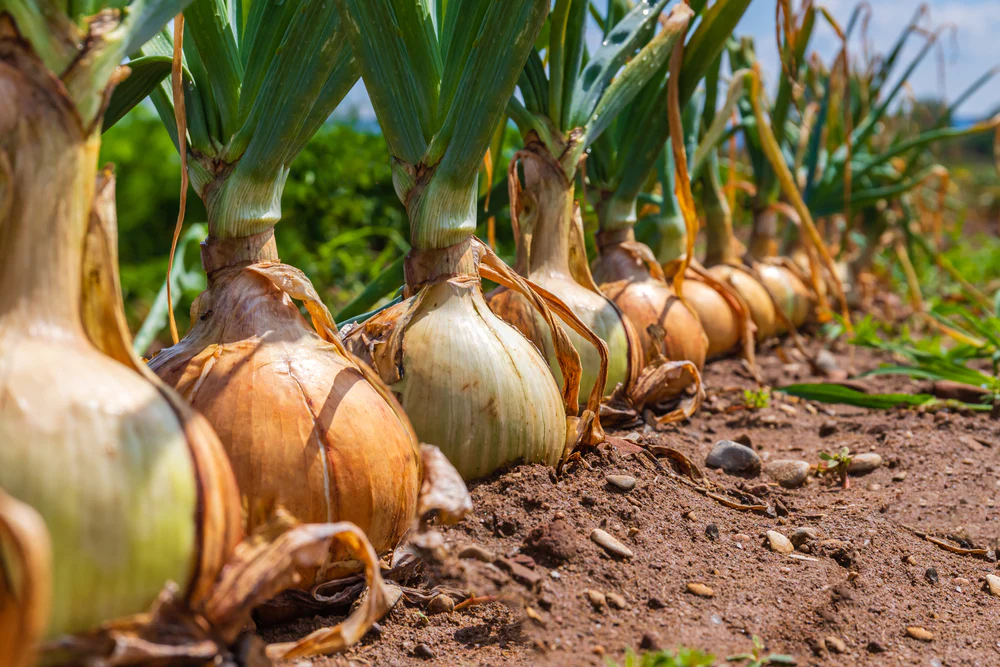
Spring onions offer two harvesting methods:
Method 1: Cut-and-Grow-Again Harvesting
- Use scissors to cut the stems 3 cm above the soil
- Leaves will grow back within 10–15 days
- You can repeat harvesting 4–5 times
✔ Perfect for year-round supply
Method 2: Full Uprooting
- Grab the plant near the base
- Gently pull it out
- Replace the hole with new seeds
✔ Best when stalks thicken and bulbs form
13. Maintaining Continuous Production
To keep your PVC pipe always full:
- Sow new seeds every 3 weeks
- Refill compost once a month
- Remove weak or thin plants
- Rotate pipe direction for even sunlight
This ensures nonstop spring onions all year long.
14. Bonus Tips for Maximum Growth
Use reflective foil behind the pipe to improve light
Add mulch on top holes to retain moisture
Avoid overcrowding—airflow is essential
Keep seeds moist until they germinate
Use vertical pipes for small spaces
Use horizontal pipes for larger harvest
Conclusion: Fresh Spring Onions at Your Fingertips
Growing spring onions in PVC pipes is one of the easiest and smartest gardening projects for beginners and urban gardeners. With minimal space, simple materials, and regular care, you can enjoy fresh, crunchy, flavorful green onions throughout the year.
This seed-to-harvest PVC pipe method is:
Low-maintenance
Fast-growing
Highly productive
Space-efficient
Perfect for rooftops, balconies, and home gardens
Follow the steps in this guide, and in just a few weeks, your PVC pipe will be overflowing with vibrant green spring onions ready for your kitchen.