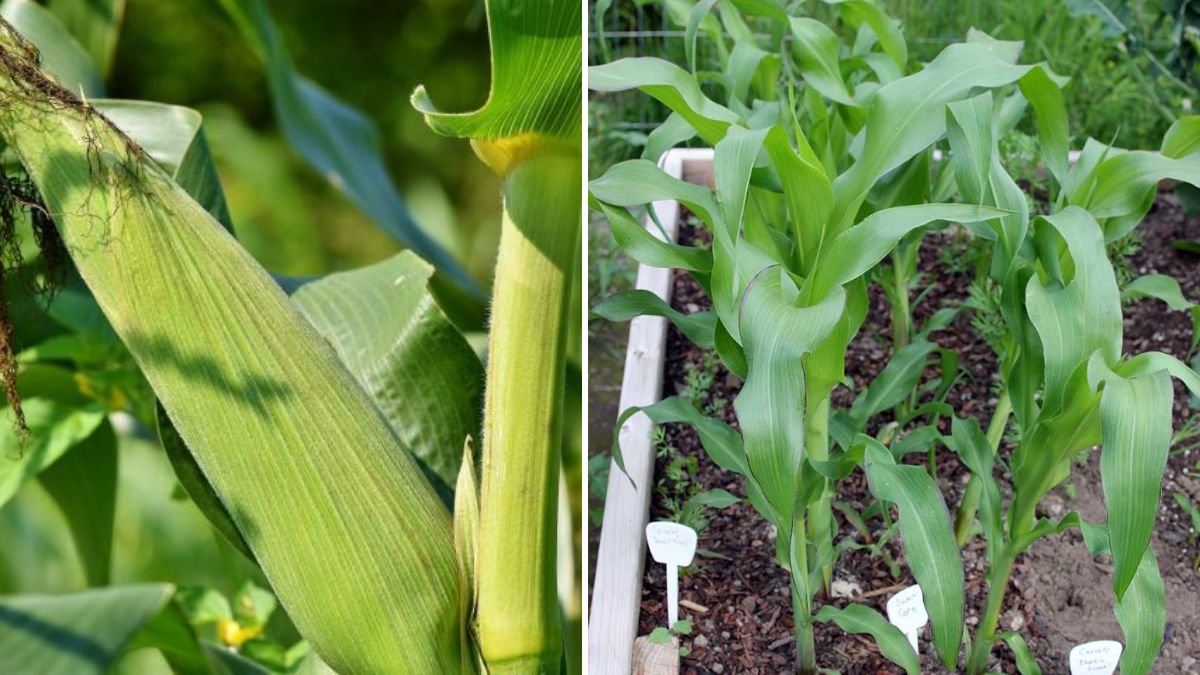
Growing corn is often seen as something only possible in large fields—but home gardeners are now proving that you can grow sweet, juicy corn even in small spaces. And here’s the exciting part: you can grow three healthy corn plants in one container and still enjoy a high-yield mini harvest right on your balcony, rooftop, or small backyard.
This guide will walk you through everything you need to know—from choosing the right container to harvesting sweet, golden cobs. Whether you’re a beginner or an urban gardener, this step-by-step method will give you the confidence to grow container corn successfully.
Why Grow Corn in Containers?
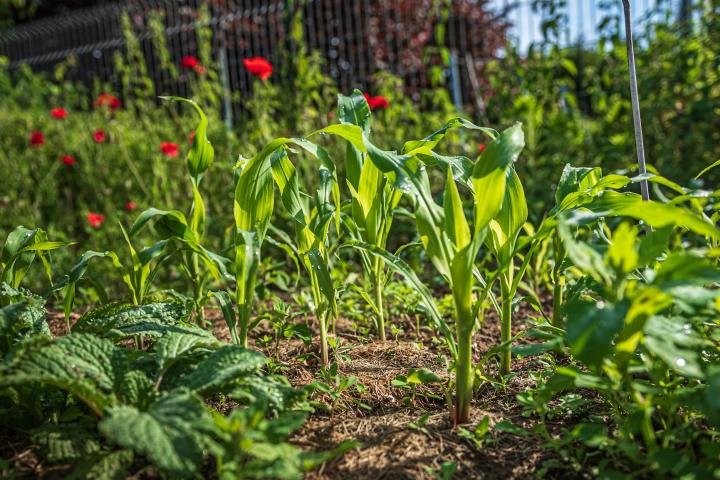
Container gardening is no longer limited to herbs and small vegetables. Corn, with its rapid growth and upright form, is an excellent candidate for pot cultivation.
Here’s why:
1. Space Efficiency
Growing three corn plants per pot allows even small balconies to produce a meaningful harvest.
2. Better Control
You control soil quality, water distribution, sunlight exposure, and pest management—all of which lead to healthier plants.
3. Easy Pollination
Having three plants in one pot improves pollination naturally, leading to fuller, well-formed cobs.
What You Need Before Planting
1. The Right Container
Corn needs space for deep roots.
✔ Minimum size: 15–20 gallon container
✔ Depth: At least 18–20 inches
✔ Shape: Round containers work best
✔ Drainage: Must have holes at the bottom
Heavy plastic buckets, fabric grow bags, or large pots are all suitable. A 20-gallon grow bag is ideal for 3 plants.
2. Soil Mix
Corn prefers loose, fertile, moisture-retentive soil.
Best soil recipe (per container):
- 40% high-quality potting mix
- 30% compost or well-rotted manure
- 20% cocopeat
- 10% perlite or sand
Add 1 cup of organic fertilizer (NPK-balanced) before planting.
3. Sunlight
Corn is a sun-loving crop.
Requires: Minimum 6–8 hours of direct sunlight daily
More sunlight = bigger plants + fuller cobs.
4. Water Source
Corn is a thirsty plant and requires consistent watering.
Make sure your container is close to an accessible water point.
Step-by-Step: How to Grow 3 Corn Plants in One Container
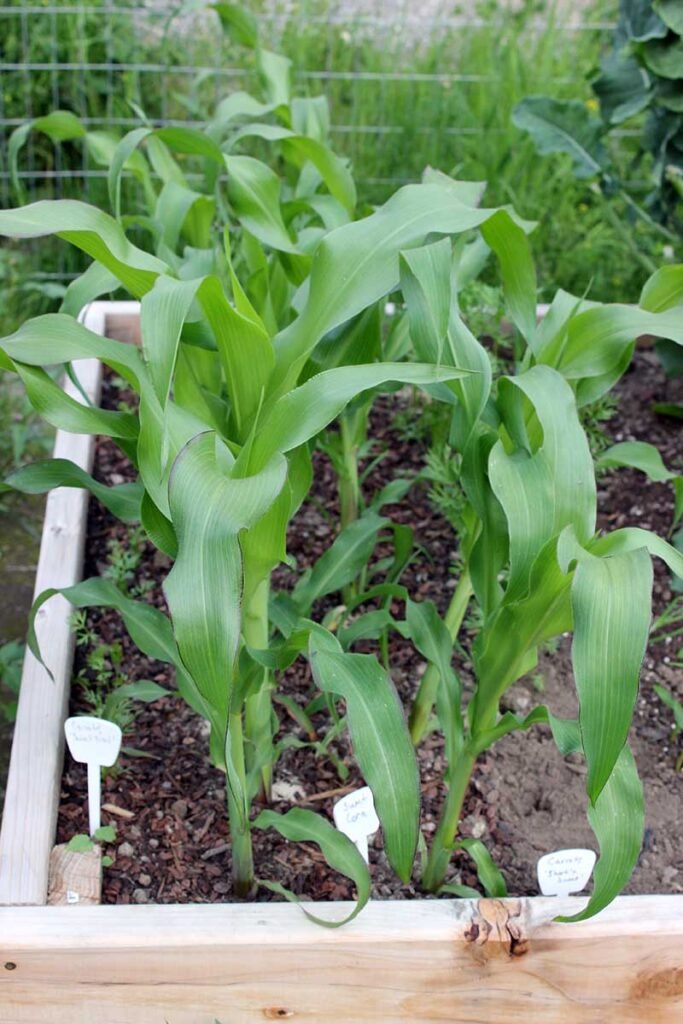
Step 1: Planting the Seeds
Corn seeds germinate best when planted directly in the container.
✔ Create three evenly spaced holes, forming a triangle.
✔ Depth: 1 inch
✔ Drop one seed per hole (you may plant 2 and thin later).
✔ Cover lightly and water well.
Germination time: 5–10 days
Step 2: Early Care and Thinning
Once seedlings reach 3–4 inches, select the strongest plant in each spot and remove any extra weak shoots.
At this stage, make sure the soil stays moist but not waterlogged.
Step 3: Fertilizing for Strong Growth
Corn is a heavy feeder. You must replenish nutrients regularly for best results.
Fertilizer Schedule:
At 2 weeks – Apply nitrogen-rich fertilizer
Examples: urea, fish emulsion, or compost tea
At 4 weeks – Add balanced NPK
For container corn, use slow-release 10-10-10 or organic granular fertilizer
At 6–8 weeks – Apply high-potassium fertilizer
Promotes cob development and sweetness
Mulching with straw or dried leaves helps retain soil moisture and suppress weeds.
Step 4: Supporting the Plants
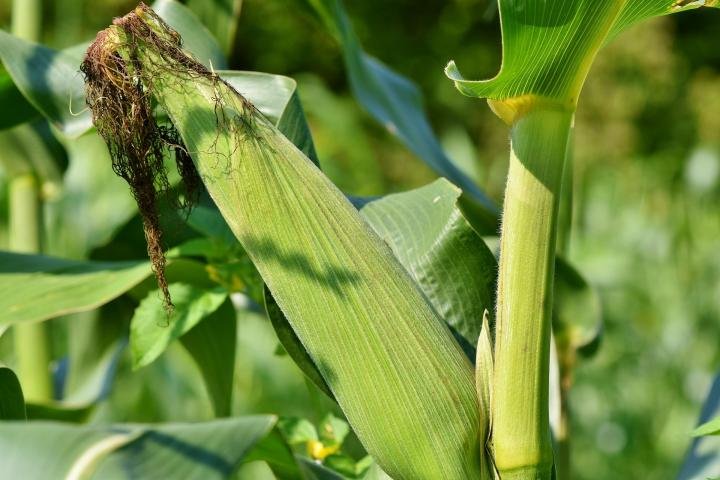
Corn can grow 6–8 feet tall even in containers, so wind protection is essential.
Ti
Place the pot in a location sheltered from strong winds
Avoid moving the container frequently after the stems harden
Ensuring Proper Pollination
Corn is wind-pollinated. With only three plants, you must help the process for fuller cobs.
How to hand-pollinate:
- Gently tap the tassels at the top of the plant.
- This releases pollen onto the silks.
- Repeat daily for 3–4 days during peak flowering.
This simple step can dramatically improve your harvest.
Watering Requirements
Corn needs consistent moisture throughout its growth cycle.
✔ Water daily during summer
✔ Keep soil evenly moist but not soggy
✔ Increase watering during tasseling and cob formation
✔ Reduce water slightly 5–7 days before harvest to improve sweetness
Tip: Use a deep-water technique where you water slowly, letting it soak deep into the roots.
Pest & Disease Management
Container corn faces fewer issues than field corn, but keep an eye out for:
- Aphids
- Corn earworms
- Armyworms
- Fungal rust
Natural remedies:
✔ Neem oil spray every 10 days
✔ Hand-pick visible pests
✔ Keep foliage dry to prevent fungal growth
✔ Companion planting with basil or marigold
Cob Development & Signs Your Corn Is Ready
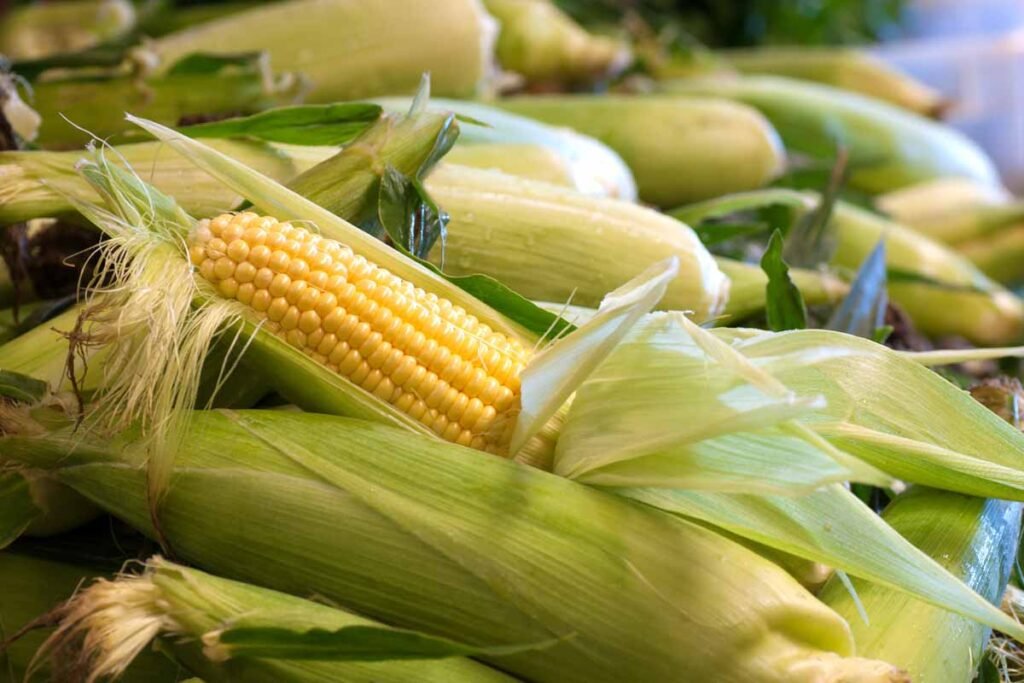
Corn cobs typically mature 65–90 days from seed, depending on the variety.
Signs of harvest readiness:
- Silks turn brown and dry
- Cobs feel firm when squeezed
- Kernels release a milky liquid when pressed (milk stage)
Use a downward twist to break the cob cleanly from the plant.
Enjoying Your Homegrown Corn
Freshly harvested corn is sweeter and more flavorful than store-bought because sugars begin converting to starch immediately after picking.
You can enjoy your corn:
- Boiled with a pinch of salt
- Grilled with butter and spices
- Cooked in soups, stews, or roasted snacks
Your three plants can yield 3–6 cobs depending on care and variety.
Final Thoughts
Growing three corn plants in a single container might sound ambitious, but with the right setup and a little care, it’s completely achievable—even for beginner gardeners. Container corn grows fast, looks beautiful, and rewards you with sweet, homegrown cobs that taste far better than anything from the market.