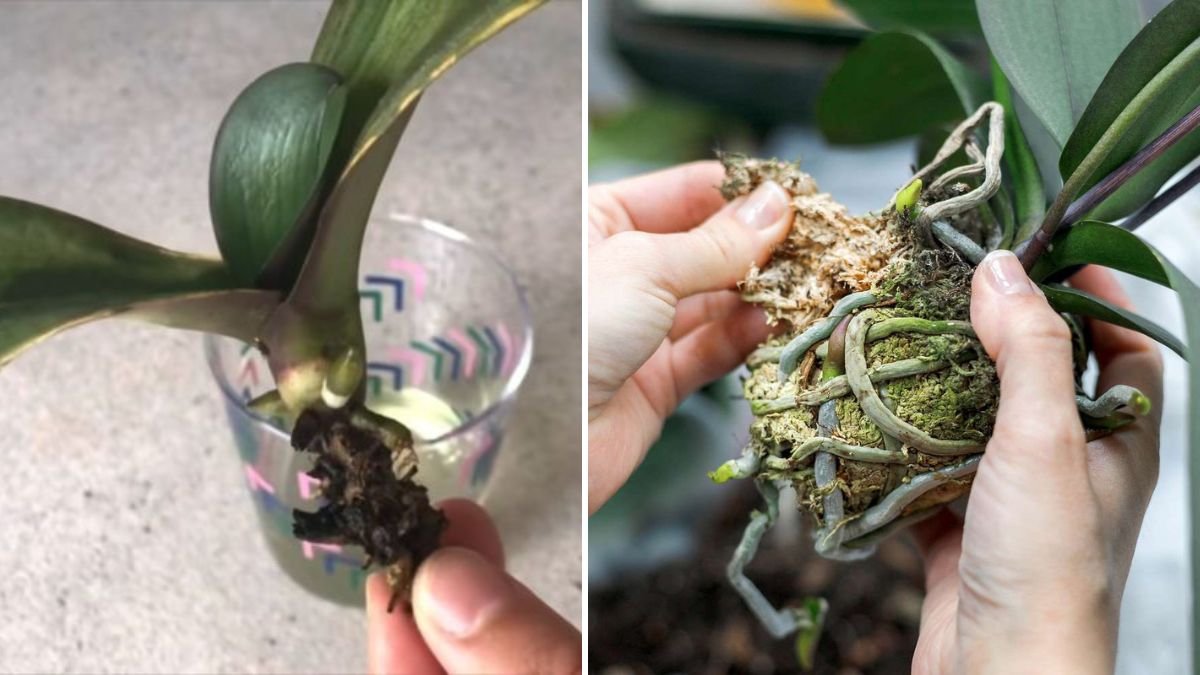
Orchids are one of the most elegant and mesmerizing houseplants, admired for their stunning flowers, exotic fragrance, and delicate foliage. Yet, many orchid enthusiasts struggle with one critical aspect of orchid care: healthy root growth. Without strong roots, orchids cannot absorb water and nutrients efficiently, which affects both their foliage and flowering.
The good news? There’s a surprisingly simple method that can help your orchid develop new roots quickly, improve leaf health, and even encourage more flowers. In this guide, we’ll reveal the secret, explain how it works, and provide a comprehensive care plan to maximize your orchid’s growth and beauty.
Why Orchid Roots Are So Important
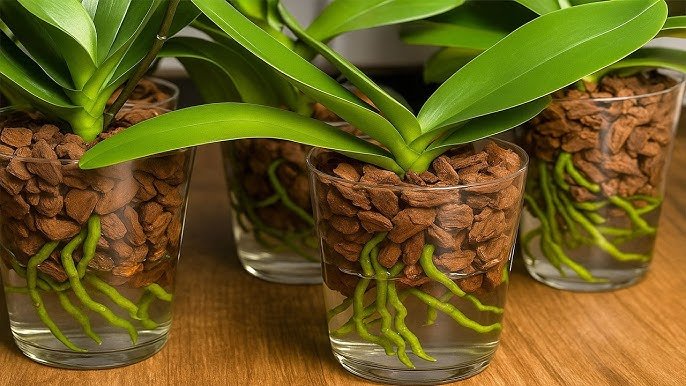
Before diving into the method, it’s essential to understand why roots are the lifeline of orchids.
Functions of Orchid Roots:
- Water Absorption: Roots take up moisture from the air and growing medium.
- Nutrient Uptake: Healthy roots absorb essential nutrients for growth and flowering.
- Structural Support: Roots anchor the orchid securely in its pot or bark medium.
- Energy Storage: Many orchids store energy in their roots, fueling blooms and leaf growth.
When roots are weak, damaged, or sparse, orchids struggle to thrive, even if leaves look green. That’s why stimulating root growth is key to a lush, flowering orchid.
The Secret Trick: Stimulating Roots with Natural Boosters
The trick that can make your orchid grow new roots rapidly involves using natural nutrients and stimulants that orchids love. These methods are safe, effective, and don’t rely on harsh chemicals.
1. Rice Water or Rice Soak
Rice contains natural starches, carbohydrates, and trace minerals that stimulate root development. When orchids are watered with rice water, they receive a gentle boost of energy that encourages new root growth.
How to Use:
- Rinse 2 tablespoons of rice to remove dust.
- Soak in 1 cup of water for 4–6 hours.
- Strain the rice, and use the water to lightly water orchid roots.
- Apply once a week for noticeable root growth.
💡 Tip: Only use plain rice without salt or additives.
2. Natural Hormones: Cinnamon & Aloe Vera
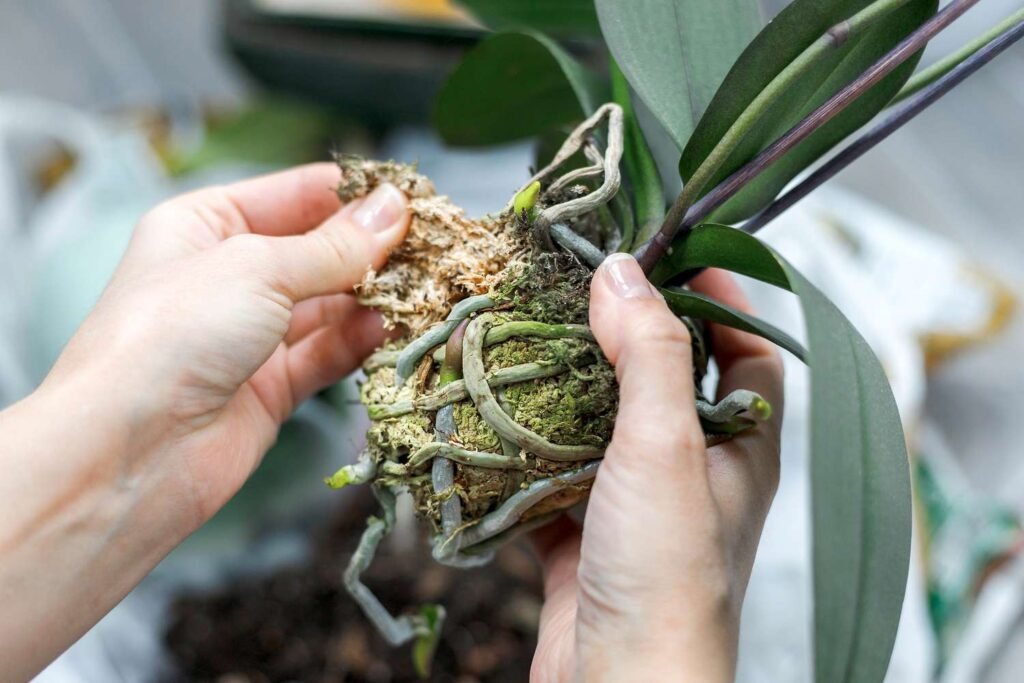
Natural substances like cinnamon and aloe vera gel can stimulate root development:
- Cinnamon: A natural antifungal that protects cuttings and stimulates root growth. Sprinkle a tiny amount on trimmed root tips.
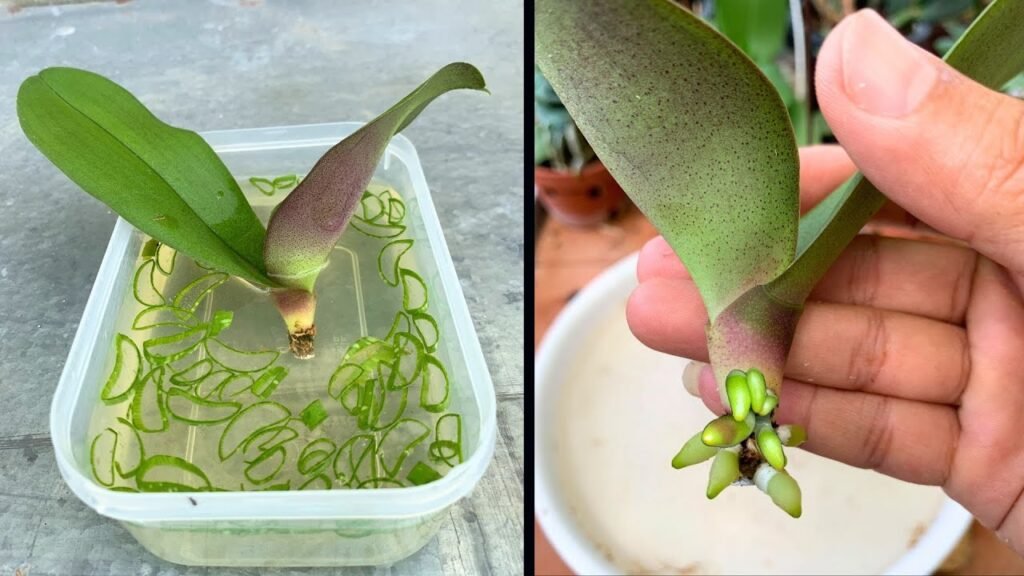
- Aloe Vera Gel: Contains growth hormones and enzymes that promote root development. Apply directly to new or damaged roots.
💡 Tip: These natural boosters are particularly useful when repotting or propagating orchids.
3. Proper Watering Technique
Orchids thrive with careful watering. Overwatering can cause root rot, while underwatering can slow root growth.
Watering Tips:
- Water only when the medium starts to dry.
- Use lukewarm water to avoid shocking roots.
- Apply moisture directly to the roots, not just leaves.
💡 Tip: Mist aerial roots lightly to encourage hydration and new growth.
Step-by-Step Method to Encourage New Roots

Here’s a practical, step-by-step plan to help your orchid fill with new roots:
Step 1: Inspect and Prepare
- Remove the orchid from its pot carefully.
- Examine the roots: trim away any rotten, black, or mushy roots with sterilized scissors.
Step 2: Apply Root Boosters
- Lightly coat trimmed root tips with cinnamon powder.
- Optionally, dab some aloe vera gel on aerial roots.
Step 3: Repot in a Healthy Medium
- Use a well-draining orchid medium such as bark, coconut husk, or sphagnum moss.
- Ensure the roots are lightly spread out and not compacted.
Step 4: Water with Rice Water
- Pour rice water around the roots once a week to supply nutrients and promote root growth.
Step 5: Provide Proper Environment
- Bright, indirect light
- 50–70% humidity
- Good air circulation
💡 Tip: Avoid placing orchids in direct sunlight, which can dry out roots and damage leaves.
Additional Tips for Healthy Roots and Year-Round Blooming
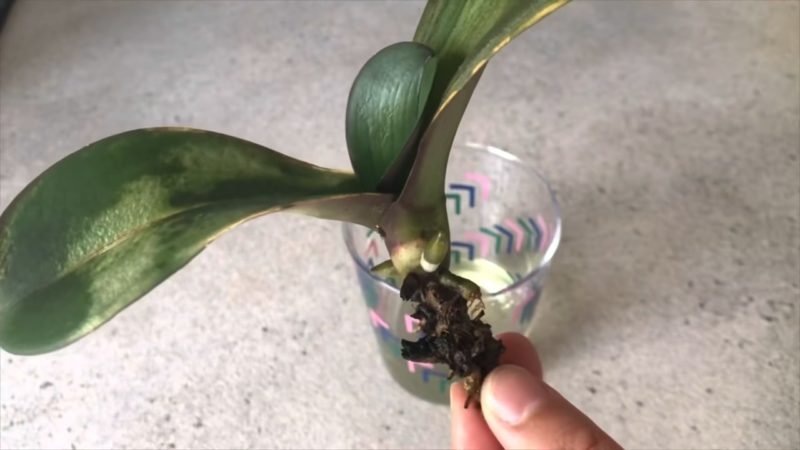
1. Fertilization
- Use a balanced orchid fertilizer diluted to half strength once every 2–3 weeks during the growing season.
- Fertilizers provide nitrogen for leaves, phosphorus for roots, and potassium for flowers.
2. Temperature
- Maintain a day temperature of 20–28°C (68–82°F) and a night temperature of 15–18°C (59–64°F).
- Temperature fluctuations help stimulate root growth and flowering.
3. Humidity
- Orchids grow best at moderate to high humidity.
- Use a humidity tray or mist aerial roots to keep them hydrated.
4. Air Circulation
- Ensure roots have airflow to prevent fungal and bacterial infections.
- Avoid placing orchids in stagnant, damp areas.
Common Mistakes That Hinder Root Growth
Even with natural boosters, orchids may fail to develop roots if certain mistakes are made:
- Overwatering: Leads to root rot and fungal infections.
- Poor Drainage: Roots suffocate in waterlogged mediums.
- Too Little Light: Insufficient light slows photosynthesis, reducing energy for root growth.
- Ignoring Dead Roots: Rotting roots can spread infection to healthy ones.
- Using Chemical Fertilizers Excessively: High concentrations can burn delicate roots.
💡 Tip: Focus on gentle care and natural boosters like rice water, aloe, and cinnamon for best results.
Benefits of Rapid Root Growth
By stimulating new root growth, you’ll notice several benefits for your orchid:
- Stronger, Thicker Roots: Improve water and nutrient absorption.
- Vibrant Leaves: Healthy roots lead to lush, green leaves.
- Frequent Flowering: Energy from strong roots supports continuous blooms.
- Improved Longevity: Orchids live longer and thrive with a robust root system.
- Resistance to Stress: Healthy roots withstand drought, repotting, and temperature changes better.
Quick Summary: Root Boosting for Orchids
| Step | Action |
|---|---|
| 1 | Inspect roots; trim rotten ones |
| 2 | Apply cinnamon or aloe vera gel to cut roots |
| 3 | Repot in well-draining medium (bark, moss, or coconut husk) |
| 4 | Water weekly with rice water or natural nutrient water |
| 5 | Provide bright, indirect light and moderate humidity |
| 6 | Fertilize with diluted orchid fertilizer every 2–3 weeks |
| 7 | Ensure good air circulation around roots |
| 8 | Mist aerial roots lightly to encourage hydration |
| 9 | Avoid overwatering and chemical overload |
Final Thoughts
Orchids are not only beautiful but also resilient plants if cared for properly. By focusing on root health, you lay the foundation for lush foliage, strong growth, and year-round flowering. Using simple, natural boosters like rice water, cinnamon, and aloe vera is a safe, effective, and cost-efficient way to stimulate root growth.
Combine these natural remedies with proper watering, lighting, and humidity, and you’ll find your orchid producing new roots rapidly, becoming stronger, healthier, and more vibrant than ever. Whether you’re a beginner or a seasoned orchid lover, this method brings your orchid care to the next level — ensuring your plant thrives and blooms beautifully all year round.