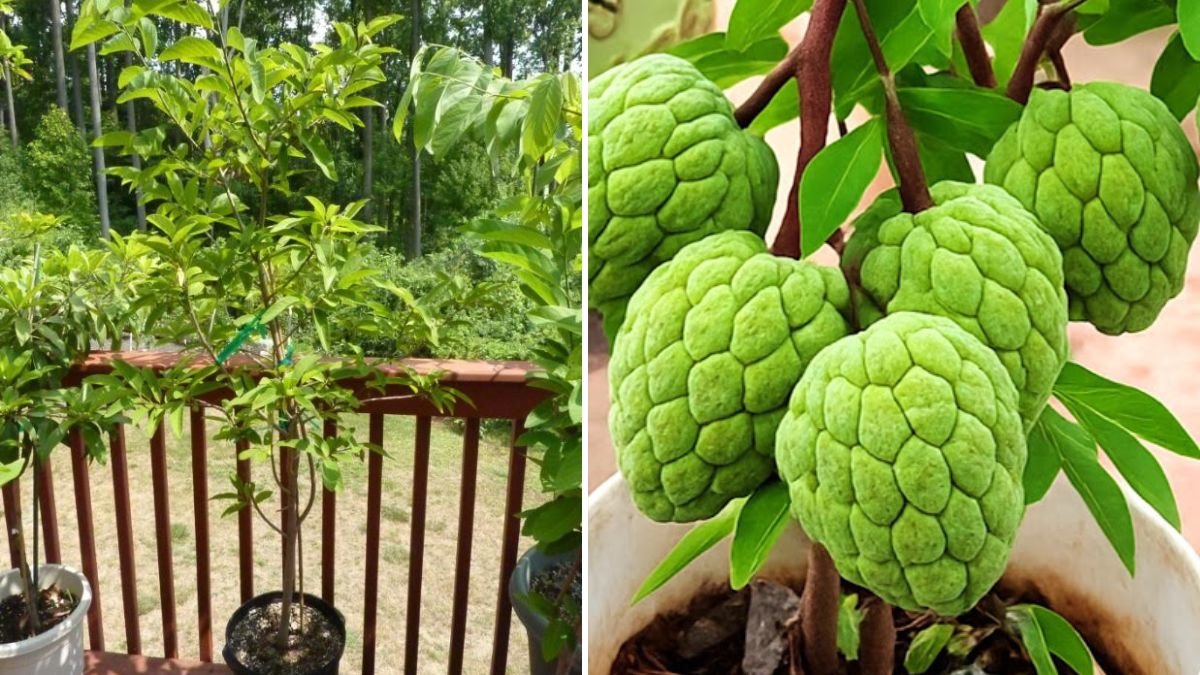
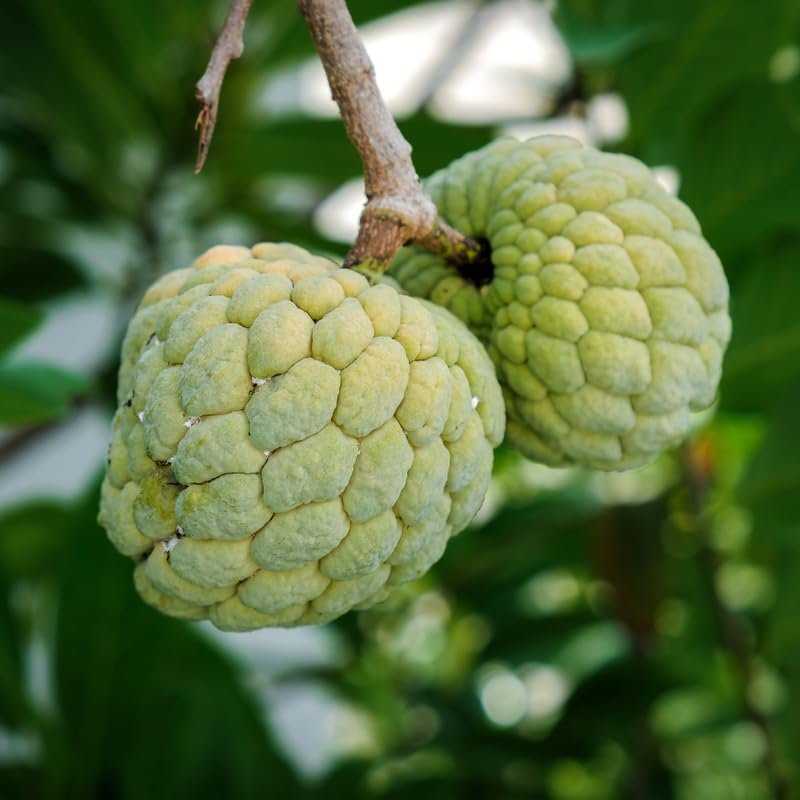
The sweetsop tree—also known as sugar apple, custard apple, or sitaphal—is one of the most beloved tropical fruit trees due to its creamy, sweet, custard-like flesh. Gardeners around the world love growing it, but propagating sweetsop from seeds can take years and may not always produce the same delicious fruit.
The good news? There is a surprisingly effective way to propagate sweetsop trees from cuttings, using simple natural boosters like egg and aloe vera. These ingredients supply nutrients, hormones, and anti-microbial benefits that dramatically increase rooting success. With the right technique, you can grow a strong, fruit-bearing sweetsop tree at home—without waiting forever!
This 1200-word guide will walk you step-by-step through the entire process: choosing the right cutting, preparing your rooting mixture, creating the perfect environment, and growing your young sweetsop tree into a productive tropical treasure.
🍏 Understanding the Sweetsop Tree: Why Cuttings Are Better Than Seeds
Before diving into techniques, it helps to know why propagation through cuttings is so powerful.
🌿 Benefits of Growing Sweetsop From Cuttings
- Fruit quality remains identical to the parent tree
- Faster fruit production (2–3 years instead of 4–6 years from seed)
- Stronger disease resistance when taken from established trees
- More reliable growth, since cuttings bypass the unpredictable genetics of seeds
Sweetsop trees root moderately easily, but using natural boosters like egg and aloe vera increases success dramatically.
🥚 Why Use Egg and Aloe Vera? The Secret Science Behind the Method
✔ Aloe Vera: Natural Rooting Hormone
Aloe contains:
- Salicylic acid
- Auxins (plant hormones)
- Antifungal compounds
These encourage rapid root formation and protect the cutting from rot.
✔ Egg: Organic Nutrient Capsule
A raw egg contains:
- Nitrogen
- Calcium
- Phosphorus
- Essential amino acids
When used correctly, it nourishes the cutting slowly and safely. The eggshell also provides minerals that sweetshop trees love.
Combined, they create a perfect rooting environment—natural, powerful, and inexpensive.
✂️ Step 1: Selecting the Perfect Sweetsop Cutting
Success begins with choosing a strong, healthy branch.
✔ Choose a Semi-Hardwood Cutting
- 1 year old
- Pencil-thick
- Disease-free
- From a tree with good fruit quality
✔ Length of Cutting
- 6–8 inches long
- At least 3 nodes
- Include 2–3 healthy leaves
Remove any flowers or tiny fruits—your cutting needs all its energy for rooting.
🌿 Step 2: Preparing the Cutting for Rooting
✔ Step A: Remove Lower Leaves
Only keep the top leaf or trim large leaves by half to reduce water loss.
✔ Step B: Make a Clean Cut
Cut at a 45° angle to maximize rooting surface.
✔ Step C: Light Scraping (Optional but Helpful)
Gently scrape 1–2 cm of bark from the bottom to expose cambium tissue—this encourages faster root sprouting.
🧪 Step 3: Making the Aloe + Egg Rooting Mixture
Here’s the simplest and most effective formula:
🥄 You’ll Need:
- 1 large aloe vera leaf
- 1 raw egg (optional: use only the yolk)
- 1 cup of clean water
- Blender (optional)
✔ Method 1: Aloe Gel Rooting Dip
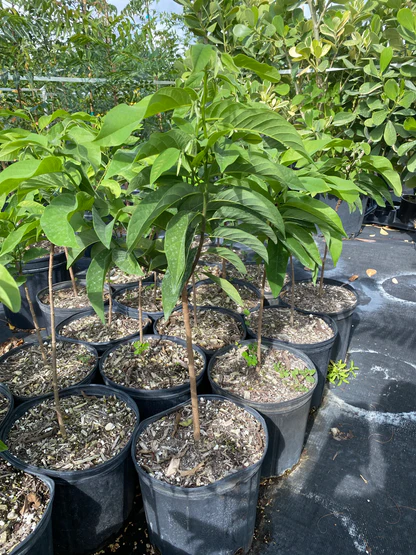
- Slice an aloe leaf open.
- Scoop out the clear gel.
- Blend the gel until smooth.
- Dip the cutting’s bottom end in the mixture.
This gives the cutting both rooting hormones and antifungal protection.
✔ Method 2: Egg Yolk Nutrient Bath
This method is especially good for hard-to-root cuttings.
- Crack the egg and separate the yolk.
- Mix yolk with a little water to create a thin solution.
- Dip the cutting tip in this mixture.
- Let it air dry for 10 minutes to form a nutrient seal.
✔ Method 3: Egg + Aloe Combined Super-Tonic
This is the most powerful version:
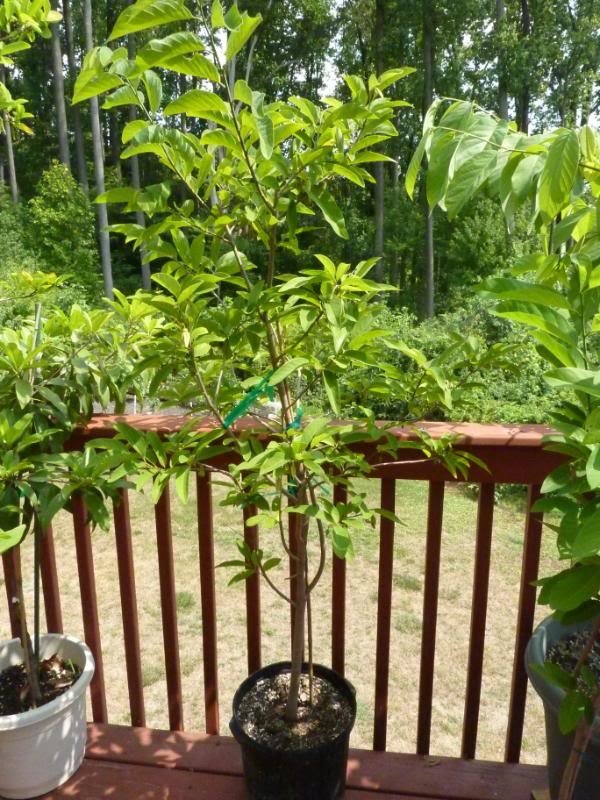
- Blend aloe gel + egg yolk + 1 cup water.
- Strain the liquid.
- Dip the cuttings in the mixture for 5–10 minutes.
The amino acids from the egg and hormones from the aloe create a perfect rooting environment.
🌱 Step 4: Rooting Medium: The Soil Mix Sweetsop Loves
Cuttings must be planted in well-draining, light, air-rich growing medium.
✔ Ideal Rooting Soil Mix:
- 50% cocopeat or peat moss
- 30% perlite / coarse sand
- 20% compost (well-aged)
Good drainage prevents the cutting from rotting, and loose soil encourages root expansion.
🌾 Step 5: Planting the Sweetsop Cutting
✔ Steps:
- Fill a pot with the prepared rooting mix.
- Create a hole using a stick or pencil.
- Insert the cutting gently to avoid scraping off the aloe/egg hormones.
- Firm the soil around the base.
- Water lightly—do not make it soggy.
🌡️ Step 6: Create a Mini Greenhouse (Critical Step!)
Humidity is the key to rooting success.
You can create:
- A plastic bag cover
- A clear plastic bottle cut and placed over the pot
- A mini greenhouse box
Conditions Needed:
- Bright indirect light (not direct sun)
- Temperature: 22–30°C
- Humidity: high
- Airflow: small holes for ventilation
Check moisture levels every 3–4 days, but avoid overwatering.
🕒 Step 7: Rooting Timeline—What to Expect
✔ Week 1–2:
- Cutting stays green
- Leaves may droop slightly (normal)
✔ Week 3–5:
- Callus tissue forms
- Tiny feeder roots begin to emerge
✔ Week 6–8:
- Strong roots develop
- New leaf growth begins (a sure sign the cutting is successful!)
Once the cutting shows new growth, gradually remove the plastic cover to acclimate it to normal air.
🌳 Step 8: Transplanting the Young Sweetsop Tree
After 6–10 weeks, your rooted cutting is ready to move to a larger container or the ground.
✔ Use a nutrient-rich, airy soil:
- 40% garden soil
- 40% compost
- 20% sand/cocopeat
Place the plant in full sun and water regularly.
🌞 Step 9: Growing Your Sweetsop Tree to Maturity
✔ Watering
- Deep watering 2–3 times per week
- Reduce in rainy season
✔ Feeding
Apply organic fertilizer every 30–45 days:
- Compost tea
- Banana peel fertilizer
- Fish amino acid
- Ground eggshell calcium
✔ Pruning
- Remove lower branches
- Encourage a strong central structure
- Improve airflow to prevent pests
✔ Pest Control
Sweetsop trees attract:
- Mealybugs
- Aphids
- Fruit borers
Use neem oil spray every 2–3 weeks to protect your plant.
🍏 When Will the Tree Start Fruiting?
A sweetsop tree grown from cuttings typically begins to fruit in:
👉 2–3 years with proper care
You will enjoy fruits identical to the parent tree—sweet, creamy, and aromatic.
🌟 Final Thoughts: Grow Your Own Sweetsop Tree the Natural Way
Propagating sweetsop (sugar apple) using egg and aloe vera is not just effective—it’s an eco-friendly, cost-free technique that almost guarantees success. With this method, even beginners can grow strong, healthy trees that produce delicious fruits in just a few years.
You’re using natural rooting hormones, slow-release nutrients, and simple home ingredients to do what synthetic chemicals often try to imitate.
So grab a healthy branch, mix your egg-and-aloe booster, and start growing your very own sweetsop orchard at home. With patience and care, your tropical garden will soon reward you with sweet, creamy fruits fresh from your own tree! 🍏🌿🌞