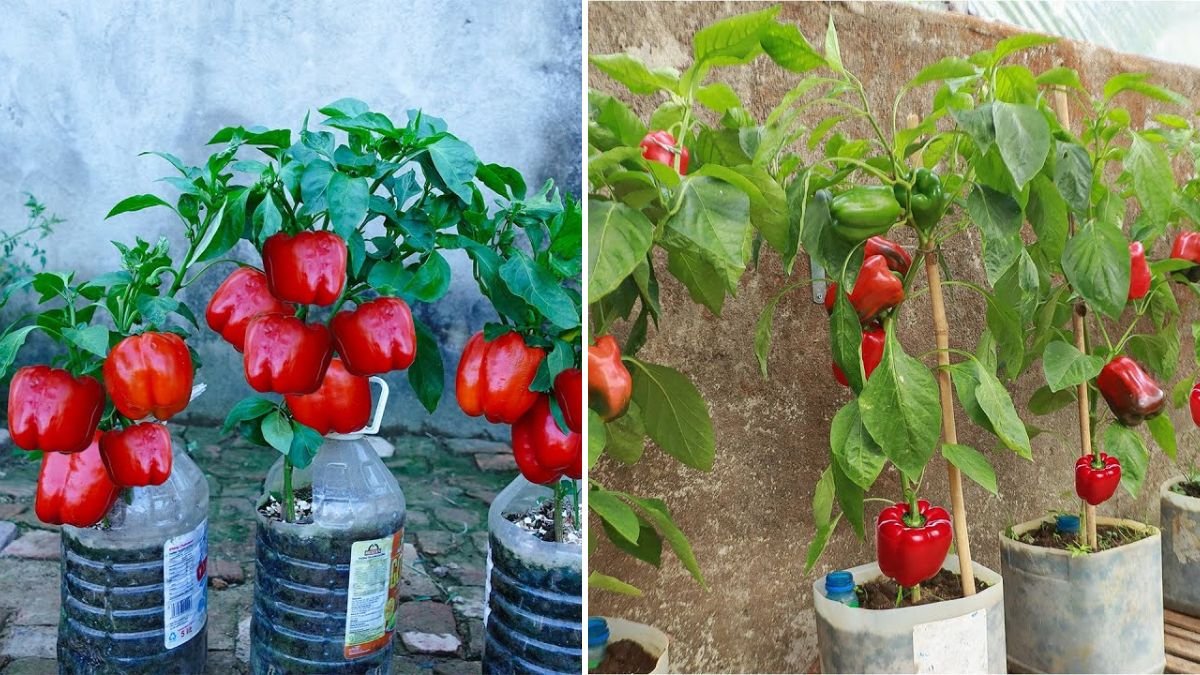
Bell peppers are one of the most versatile and colorful vegetables you can grow at home. Whether you love them in salads, stir-fries, soups, or roasted dishes, there’s no denying that they add vibrant flavor and crunch to any meal. But store-bought bell peppers can be expensive, inconsistent in quality, and often treated with chemicals.
The good news? You can grow your own endless supply of fresh, organic bell peppers using nothing more than plastic bottles! This low-cost, space-saving method has become increasingly popular among urban gardeners—and for good reason. It’s easy, sustainable, and incredibly productive.
If you try the tips in this guide, you’ll soon be harvesting plump, colorful bell peppers right from your balcony, rooftop, or windowsill—no garden required.
Let’s dive into this 1200-word complete guide on growing bell peppers in plastic bottles!
🌟 Why Grow Bell Peppers in Plastic Bottles?
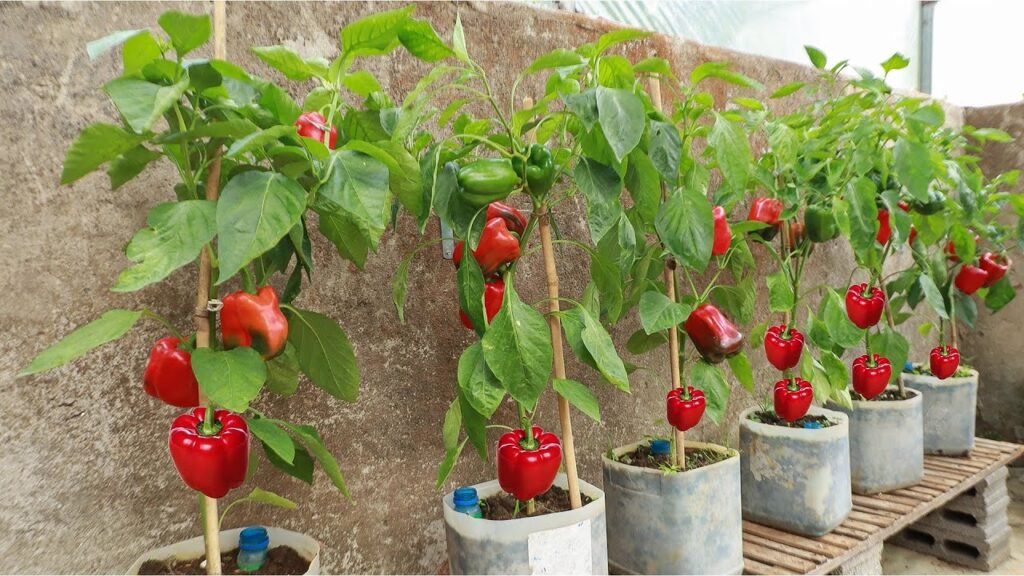
Plastic bottles are everywhere—they’re cheap, lightweight, and easy to reuse. Instead of throwing them away, you can turn them into mini garden containers perfect for growing healthy bell pepper plants.
Here’s why this method works beautifully:
✔ Ideal for small spaces — Apartments, balconies, kitchens, and patios
✔ Cost-effective — No need for expensive pots or planters
✔ Recycles waste — Helps reduce plastic pollution
✔ Great water control — Bottles naturally prevent overwatering
✔ Portable — Move plants easily to capture more sunlight
✔ Perfect for beginners — Simple setup, low maintenance, high success rate
Bell peppers have relatively compact root systems. When grown in nutrient-rich soil with plenty of sunlight, they thrive remarkably well in vertical or horizontal bottle systems.
🥤 Choosing the Right Bottle for Your Pepper Plants
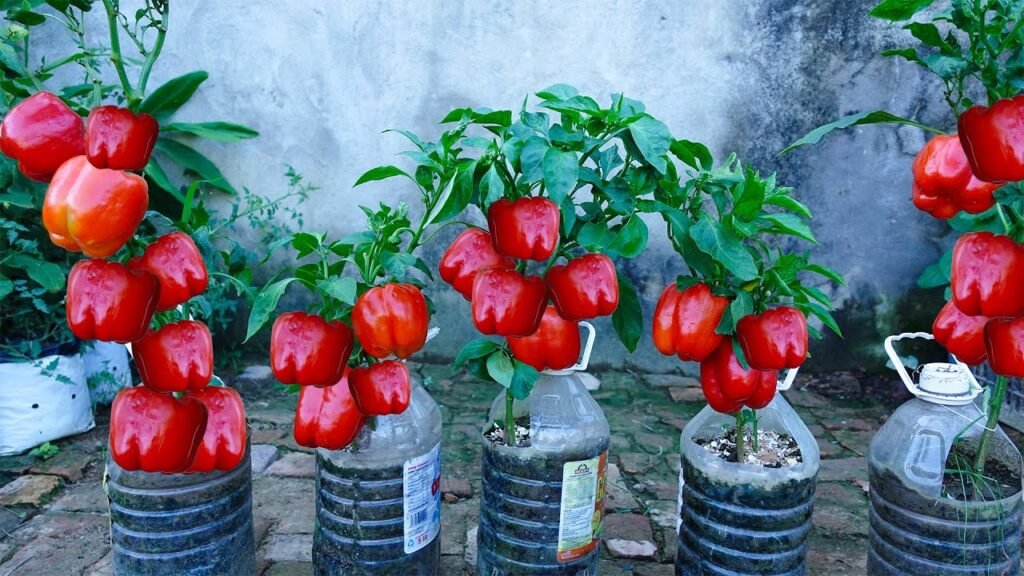
The size of the bottle matters more than the shape.
Best options:
- 2-liter soda bottles (ideal for 1 pepper plant)
- 5-liter water jugs (for stronger growth)
- 1.5-liter bottles (suitable for small varieties)
Preparation:
- Wash the bottles thoroughly.
- Cut off the top third to create a wide opening.
- Punch 4–6 drainage holes at the bottom using a heated nail or screwdriver.
- Optional: Create a water reservoir by cutting the bottle in half and placing the top upside-down into the bottom.
Good drainage ensures your pepper roots stay healthy and oxygenated.
🌱 Best Soil Mix for Plastic Bottle Bell Peppers
Bell peppers grow best in light, well-aerated, fertile soil.
Here’s the perfect mix:
- 40% garden soil
- 30% compost or vermicompost
- 20% cocopeat (to retain moisture)
- 10% sand or perlite (for drainage)
Mix everything well before filling your bottle.
Add a nutrient boost:
- A handful of crushed eggshells (calcium)
- A spoon of wood ash (potassium)
- Coffee grounds (nitrogen & soil acidity balance)
This natural blend keeps your peppers healthy and productive.
🌞 Sunlight: The Key to Big, Sweet Bell Peppers
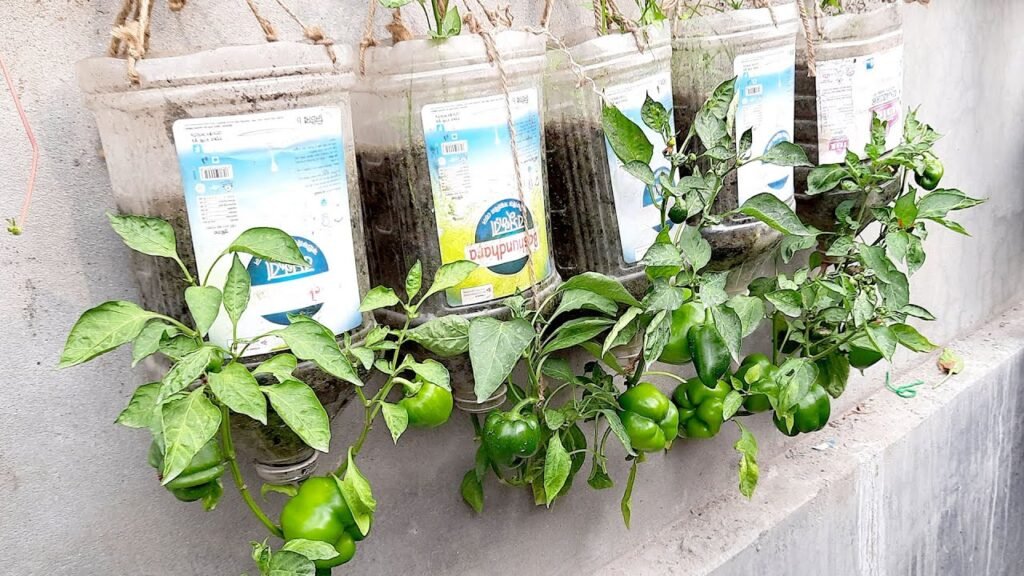
Bell peppers are sun-lovers.
They need:
➡ 6–8 hours of direct sunlight daily
➡ Warm environment (20–30°C / 68–86°F)
Place your bottles:
- on balconies
- near sunny windows
- on rooftops
- against south-facing walls
The more sunlight peppers receive, the bigger and sweeter the harvest.
🌱 How to Plant Bell Peppers in Plastic Bottles
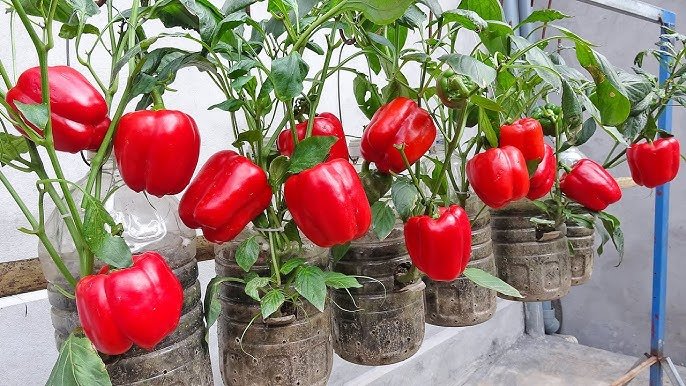
You can use either seeds or seedlings.
If starting from seeds:
- Fill bottles with soil mix.
- Make a 1 cm deep hole.
- Drop 2–3 seeds and cover lightly.
- Keep the soil moist but not soggy.
- Seeds sprout in 7–12 days.
- Keep the strongest seedling; remove the weaker ones.
If using seedlings:
- Choose healthy young plants (4–6 inches tall).
- Transplant them gently to avoid root shock.
- Water immediately after transplanting.
Seedling method gives faster results, but seeds are more economical.
💧 Watering Bell Peppers in Bottles
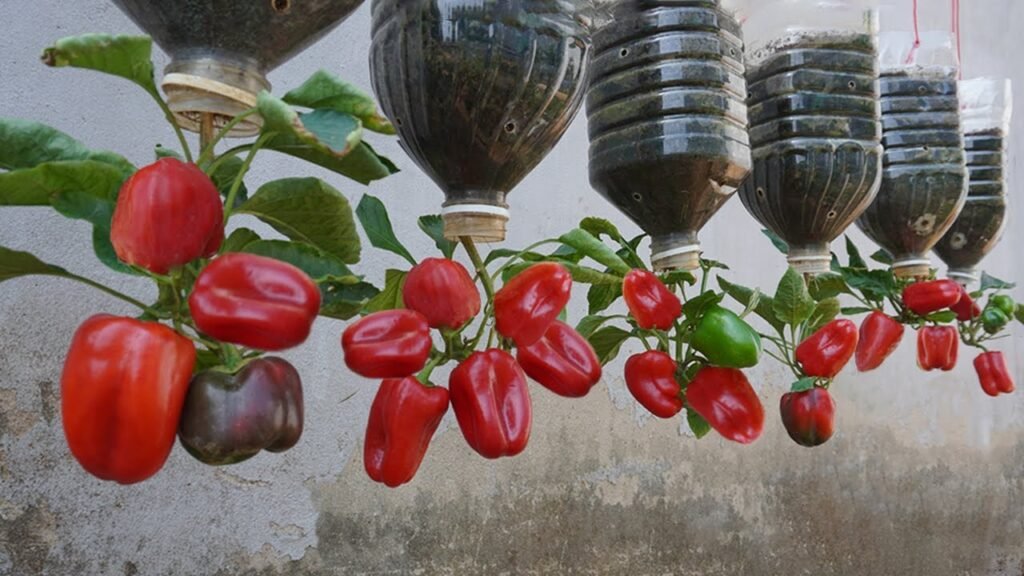
Plastic bottles dry out faster than large containers, but they also give excellent water control.
Watering tips:
- Check moisture daily by touching the soil.
- Water deeply whenever the top 1 inch feels dry.
- Avoid keeping soil constantly wet—it causes root rot.
- Always drain excess water from the bottom.
Pro tip:
Use a drip-hole bottle cap for slow watering—it mimics nature’s rainfall.
🌱 Feeding Your Pepper Plants the Natural Way
Bell peppers are heavy feeders. To keep them productive in plastic bottles, feed them every 12–15 days.
Organic fertilizers you can use:
✔ Banana peel fertilizer — boosts flowering & fruiting
✔ Eggshell powder — prevents blossom end rot
✔ Fish amino acid — fast growth enhancer
✔ Compost tea — strengthens immunity
✔ Onion peel water — improves leaf health
✔ Epsom salt (once a month) — improves color & fruit size
These natural fertilizers make your peppers:
- bigger
- juicier
- more colorful
- more resistant to pests
🌼 Flowering & Fruit Setting Tips
Bell peppers produce flowers before developing fruits. To ensure maximum fruiting:
Do this:
- Provide full sunlight
- Avoid overwatering
- Shake the plant gently to help pollination
- Apply potassium-rich fertilizer (banana peel tea)
- Keep plants warm (peppers dislike cold nights)
Avoid this:
- Heavy nitrogen (causes leaves, not fruits)
- Shade
- Strong winds
- Water stress
If flowers fall off, adjust watering and increase sunlight exposure.
🐛 Pest Control the Natural Way
Growing in plastic bottles reduces pests, but a few can still attack.
Common pests:
- Aphids
- Whiteflies
- Spider mites
- Fruit borers
Safe organic remedies:
- Neem oil spray
- Garlic–chili water
- Soap–water solution
- Ladybugs (if available)
Spray in the early morning or late evening to avoid damaging leaves.
🧵 Support Your Pepper Plants
As the plant grows, it may bend under the weight of fruits. Use:
- bamboo sticks
- chopsticks
- twine
- recycled metal rods
Tie stems loosely to avoid damaging them.
🫑 Harvesting Your Bottle-Grown Bell Peppers
Bell peppers can be harvested at different stages:
Green stage:
Firm, slightly bitter, full of nutrients.
Colored stage (red, yellow, orange):
Sweeter, softer, richer in vitamins.
Use a sharp scissor to cut peppers with a short stem attached. Pulling by hand may damage the plant.
🌟 Advantages of Bottle-Grown Bell Peppers
✔ Grows in any small space
✔ Perfect for beginners
✔ Very low cost
✔ Eco-friendly
✔ Easy to maintain
✔ Produces peppers for months
✔ Can grow indoors or outdoors
Once established, a single bottle plant can give 30–50 peppers per season, especially when pruned and fed well.
🌍 Final Thoughts
Growing bell peppers in plastic bottles is a brilliant, sustainable, and highly rewarding gardening method. Whether you live in an apartment, a small house, or a city rooftop, this technique allows you to enjoy fresh, organic peppers all year long.
With proper sunlight, good soil, regular feeding, and a little love, your bottle-grown pepper plants will thrive—and soon, you really won’t need to buy peppers again!