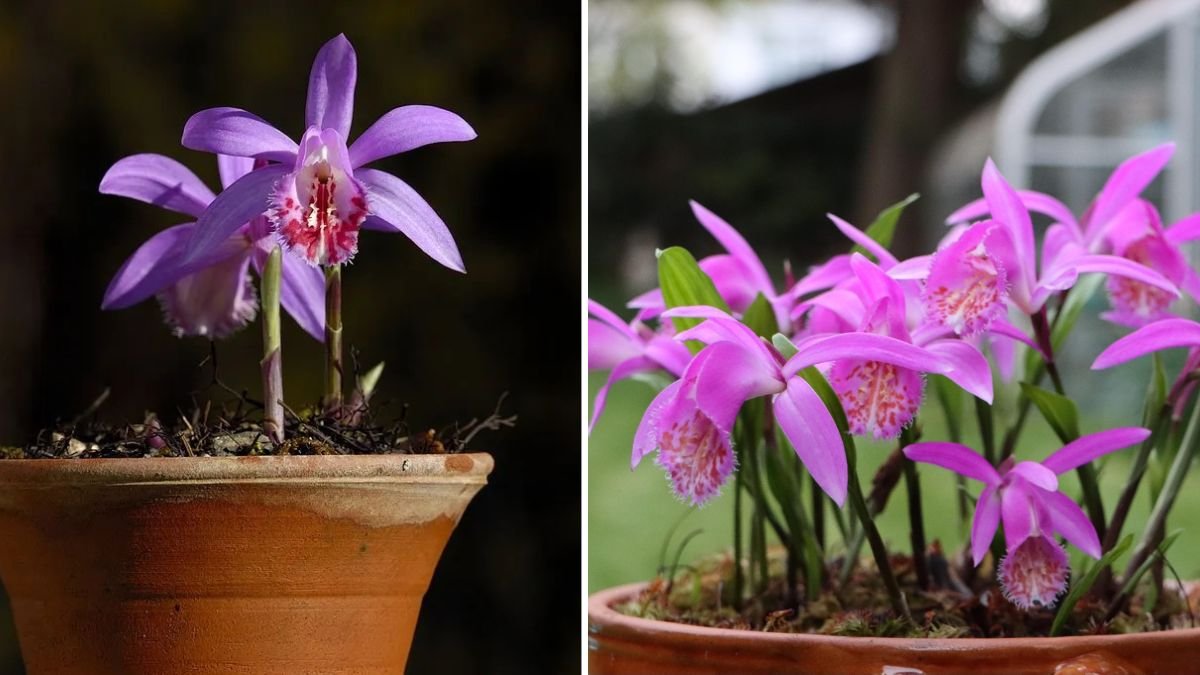
Pleione orchids—often called Himalayan orchids, windowsill orchids, or miniature orchids—are among the most charming and rewarding orchid species you can grow. With their compact size, brilliant colors, and surprisingly simple care needs, Pleiones have become favorites of collectors and home gardeners alike. Whether you’re drawn to their delicate shape, exotic blooms, or unique seasonal growth cycle, Pleione orchids offer a captivating experience from bulb to blossom.
In this comprehensive 1200-word guide, you’ll learn everything about choosing, planting, growing, and caring for Pleione orchids—plus expert tips to help your orchids thrive year after year.
What Makes Pleione Orchids So Special?
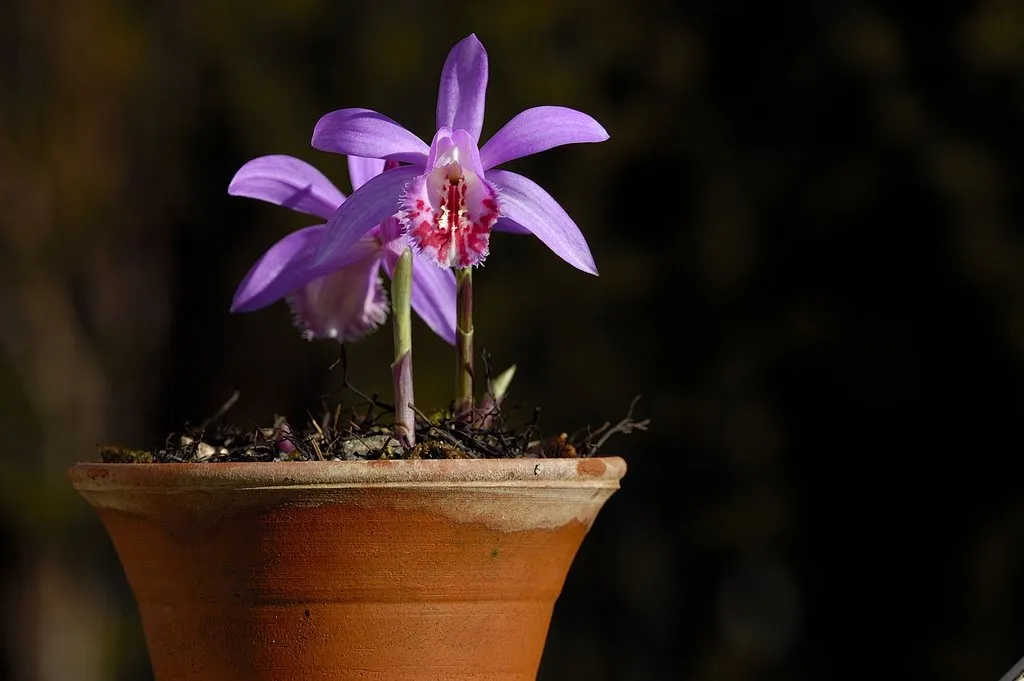
Pleione orchids originate from the cool, misty mountains of the Himalayas, China, and Taiwan. Unlike many tropical orchids, Pleiones actually enjoy cooler conditions and even require a winter dormancy. This makes them perfect for gardeners in temperate climates—or for anyone who enjoys growing unusual plants indoors.
Their key features include:
- Compact size (perfect for windowsills and balcony gardens)
- Spectacular blooms in shades of pink, white, purple, and yellow
- Easy propagation by pseudobulbs
- Cool-growing habit, unusual among orchids
- Short but dramatic flowering season
If you’ve struggled with more demanding orchids like Phalaenopsis or Cattleya, you’ll find Pleiones refreshingly forgiving.
Popular Pleione Varieties to Consider
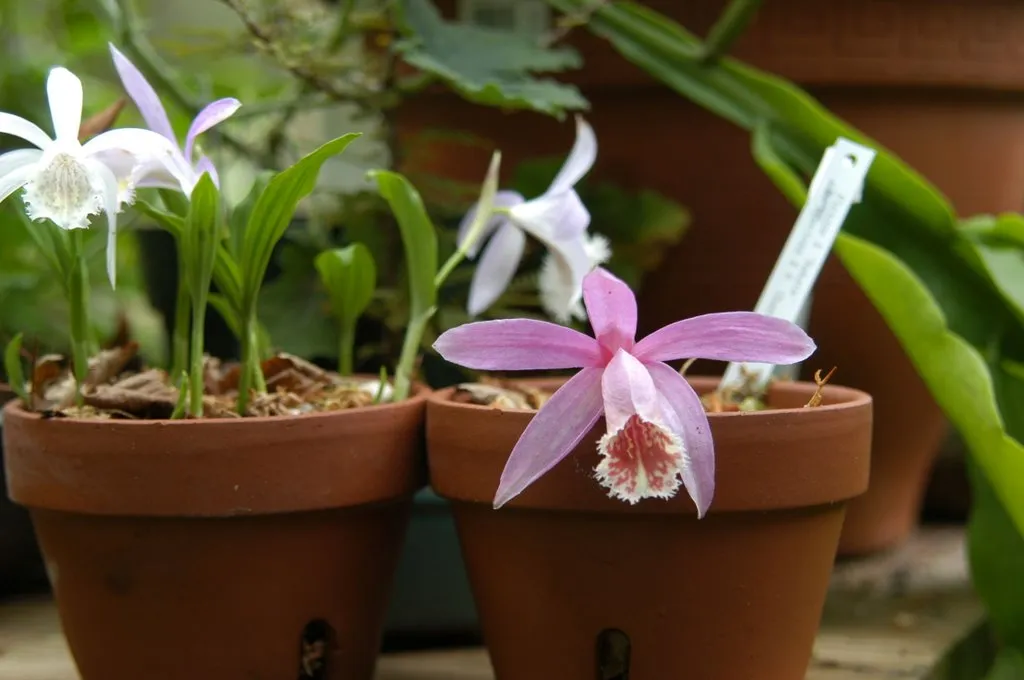
While there are over 20 species and numerous hybrids, some of the most loved types include:
Pleione formosana
The most widely grown species. Features soft pink petals, a white throat, and deep magenta spots.
Pleione limprichtii
Produces intense magenta blooms—great for beginners.
Pleione humilis
A miniature species with pale lavender flowers and a golden-spotted lip.
Pleione tongariro
A popular hybrid known for its large, vivid purple-pink flowers.
Each variety has subtle differences in color, bloom time, and vigor, but all thrive under similar care conditions.
Understanding Pleione’s Unique Growth Cycle
Pleione orchids follow a distinct seasonal rhythm:
1. Dormancy (Late Autumn to Winter)
- Leaves turn yellow and die back
- The plant rests in a cool, dry environment
- New pseudobulbs form for next year’s blooms
2. Awakening & Rooting (Early Spring)
- New shoots emerge from the bulbs
- Roots begin forming
- Ideal time for repotting
3. Flowering (Mid to Late Spring)
- Blooms open before or along with new leaf growth
- Flowers last 2–4 weeks
4. Vegetative Growth (Summer)
- Leaves grow and photosynthesize
- Next year’s bulbs develop
Understanding this cycle is the key to successful Pleione care.
How to Plant Pleione Orchids: Step-by-Step Guide
Pleiones grow best in small pots, shallow containers, or baskets. Unlike many orchids, they prefer a soil-like but well-draining medium.
Ideal Potting Mix
A perfect mix combines moisture retention with airflow:
- 40% fine bark
- 30% sphagnum moss
- 20% perlite or pumice
- 10% leaf mold or fine orchid compost
This mimics their native forest floor habitat.
Best Containers
- Shallow terracotta pots
- Plastic orchid pots with many holes
- Bonsai trays
Pleione roots run horizontally, not deep.
Planting Instructions
- Place a shallow layer of drainage material (gravel or pumice).
- Add the prepared potting mix.
- Set the pseudobulbs half-buried, with the top exposed.
- Position new shoots facing outward.
- Water lightly after planting—but avoid soaking until roots start growing.
How to Care for Pleione Orchids Throughout the Year
1. Light Requirements
Pleiones love bright, indirect light.
Ideal: East-facing window
Outdoors: Dappled shade
✘ Avoid: Harsh midday sun (burns leaves)
2. Temperature
- Spring–Summer: 12–25°C
- Autumn–Winter: 2–8°C is ideal for dormancy
They can tolerate slight frost if kept dry.
3. Watering
Pleione watering varies by season:
- Spring: Light watering until roots develop
- Summer: Keep evenly moist (not soggy)
- Autumn: Reduce gradually
- Winter: Keep almost completely dry
Overwatering during dormancy is the most common killer.
4. Humidity
They enjoy 50–70% humidity but adapt well to household air.
5. Fertilizing
Feed lightly during growing season:
- Every 2 weeks
- Use orchid fertilizer at half strength
Stop feeding when leaves start yellowing.
Repotting Pleione Orchids
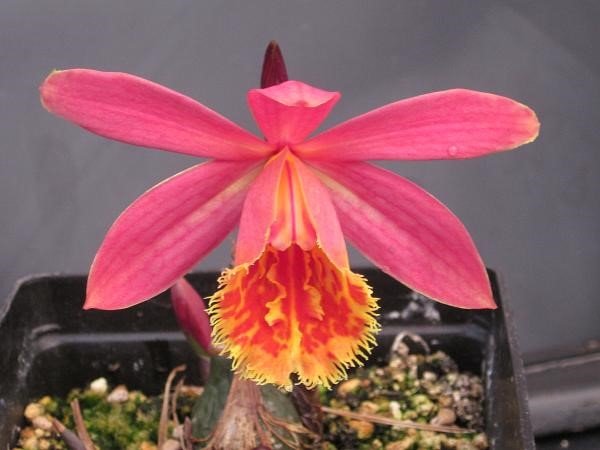
Repot yearly during early spring—just as roots appear.
Why yearly repotting matters:
- Old mix decomposes quickly
- Bulbs multiply and require space
- Reduces risk of rot
Remove old or shriveled bulbs and keep only firm, plump ones for replanting.
Propagation: Growing New Plants from Bulbs
Pleiones naturally multiply through pseudobulbs and bulbils.
1. Pseudobulbs
- Each mature bulb produces 1–2 new bulbs
- Separate and plant individually
2. Bulbils (Babies)
Tiny bulb-like growths form around the base of leaves.
- Collect in autumn
- Plant in shallow trays
- Grow for 1–2 years before blooming
This is a fun way to build a large Pleione collection.
Common Problems and How to Fix Them
Yellow Leaves (Out of Season)
Cause: Overwatering or heat stress
Fix: Reduce water, move to cooler spot
Rotting Bulbs
Cause: Water during dormancy
Fix: Keep dry in winter, improve drainage
No Flowers
Causes:
- Too warm in winter
- Insufficient light
- Bulbs too small
Fix: Ensure cool dormancy and bright light in spring
Pests
Occasional issues:
- Aphids
- Spider mites
- Mealybugs
Treat with neem oil or insecticidal soap.
Displaying Pleione Orchids Beautifully
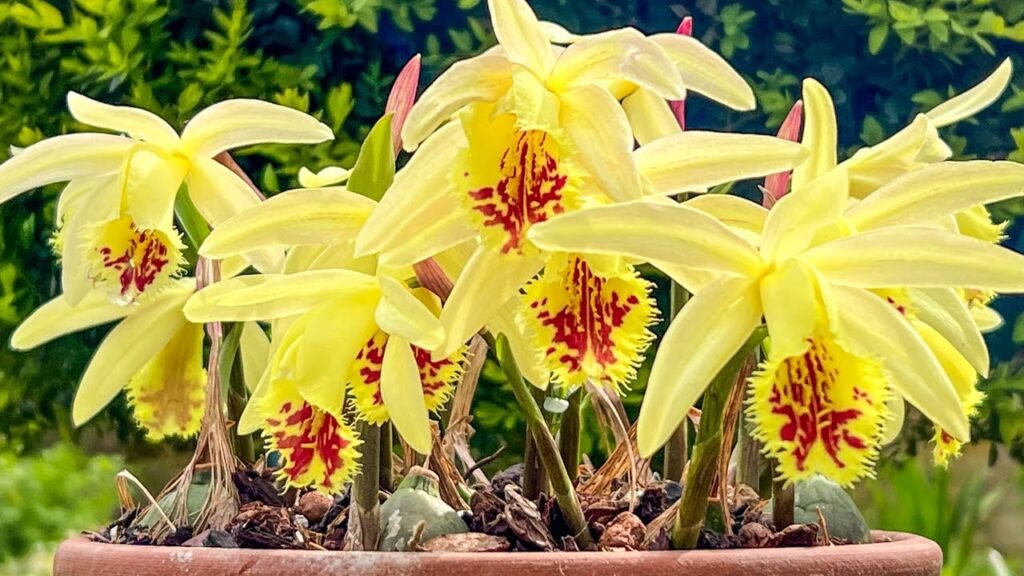
Because Pleiones bloom early and dramatically, many growers display them as:
- Tabletop centerpieces
- Windowsill mini-gardens
- Rock garden accents
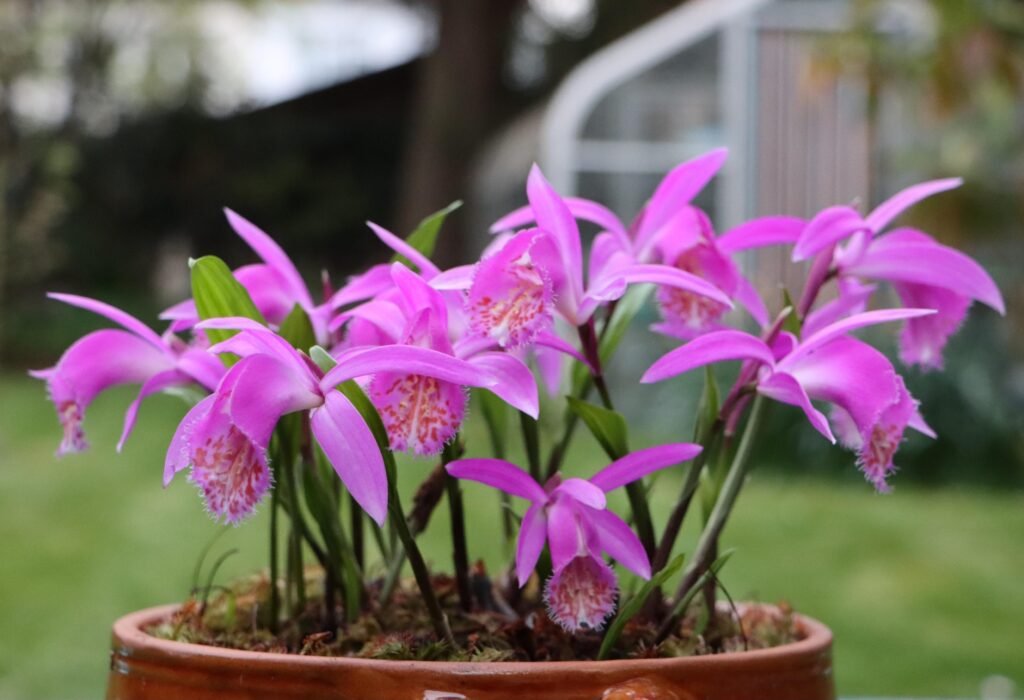
- Terracotta bowl arrangements
Their elegant flowers pair beautifully with moss toppings for a natural woodland look.
Why Pleione Orchids Are Perfect for Home Gardeners
Many orchids can be intimidating, but Pleiones offer:
- Easy annual cycle
- Quick multiplication
- Cool-growing adaptability
- Stunning seasonal blooms
- Compact and non-demanding care
They’re ideal for beginners, collectors, and anyone who loves unusual plants.
Final Thoughts: Bring Home the Magic of Pleione Orchids
Pleione orchids combine the charm of miniature flowers with the drama of exotic Himalayan blooms. With just a little seasonal care, you’ll enjoy a breathtaking display of blossoms every spring—and watch your collection grow year after year.