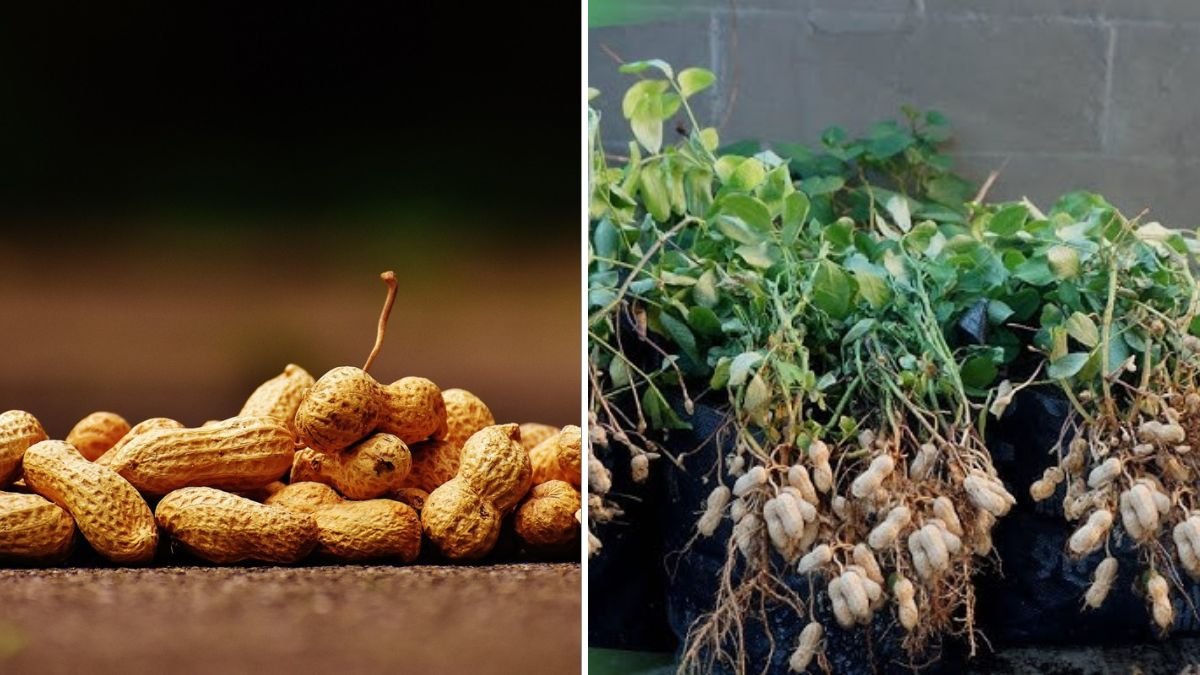
Growing peanuts may seem like something that requires farmland, deep soil, and plenty of space—but what if you could grow them without using soil at all? Yes, it’s completely possible, and incredibly easy! With a simple soilless method, you can grow clean, fresh, and healthy peanuts right at home—on your balcony, kitchen counter, or even indoors.
This innovative technique not only saves effort but also produces peanuts that are perfectly clean, nutritious, and free from pests and soil-borne diseases. Whether you’re a gardening beginner or a seasoned plant lover, this guide will show you how to grow peanuts hydroponically (without soil) for a fun, rewarding, and healthy harvest.
Below is your full 1200-word article with an attractive title.
**“Soilless Peanut Farming: How to Grow Clean, Fresh, and Nutritious Peanuts the Easy Way!”**
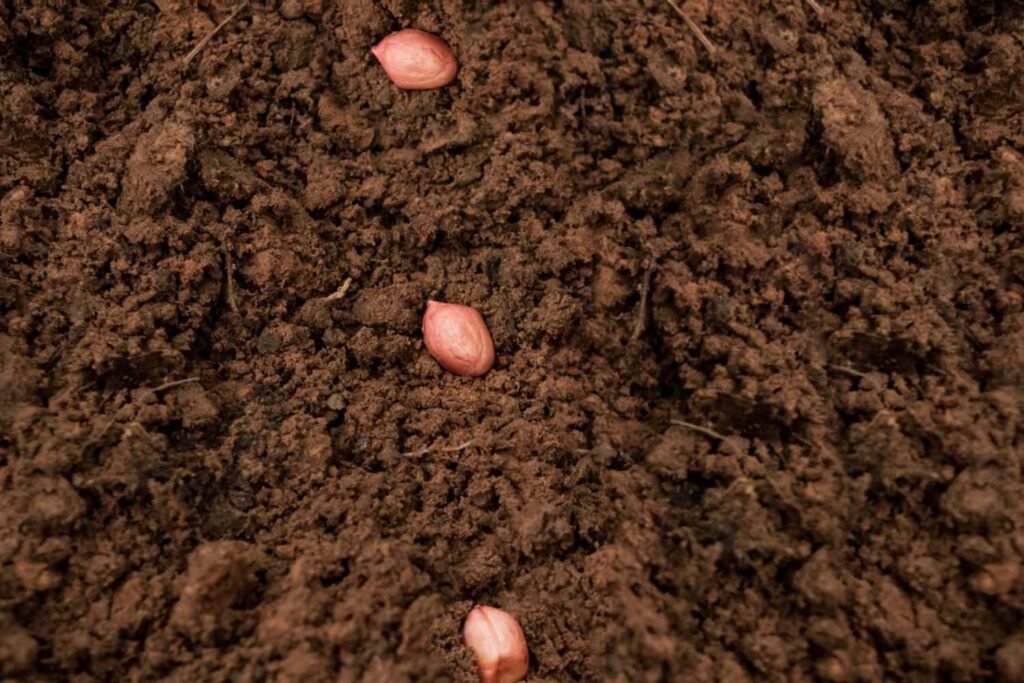
Growing peanuts without soil may sound unusual, but this method has become popular among home gardeners who want easy, mess-free, and health-focused growing techniques. Peanuts are naturally rich in protein, healthy fats, vitamins, and minerals, making them a perfect addition to your diet—especially when grown organically at home.
In this practical guide, you’ll learn how to germinate peanuts, set up a hydroponic-style system using simple materials, care for your plants, and enjoy a satisfying harvest of beautiful, clean peanuts grown without a single handful of soil.
Why Grow Peanuts Without Soil?
Growing peanuts hydroponically offers several advantages:
Cleaner and More Hygienic
No soil means no dirt, fewer pests, and cleaner roots and peanuts at harvest.
Space-Saving
This method requires only small containers, making it ideal for apartments or balconies.
Fast Growth
Water-based growing provides consistent nutrient access, leading to quicker germination and healthier plants.
No Weeding, No Mess
No soil means no unwanted plants, no muddy work, and no heavy pots.
Nutritious, Organic Harvest
You control the water, nutrients, and environment—your peanuts are truly fresh and natural.
Understanding How Peanuts Grow (Even Without Soil!)
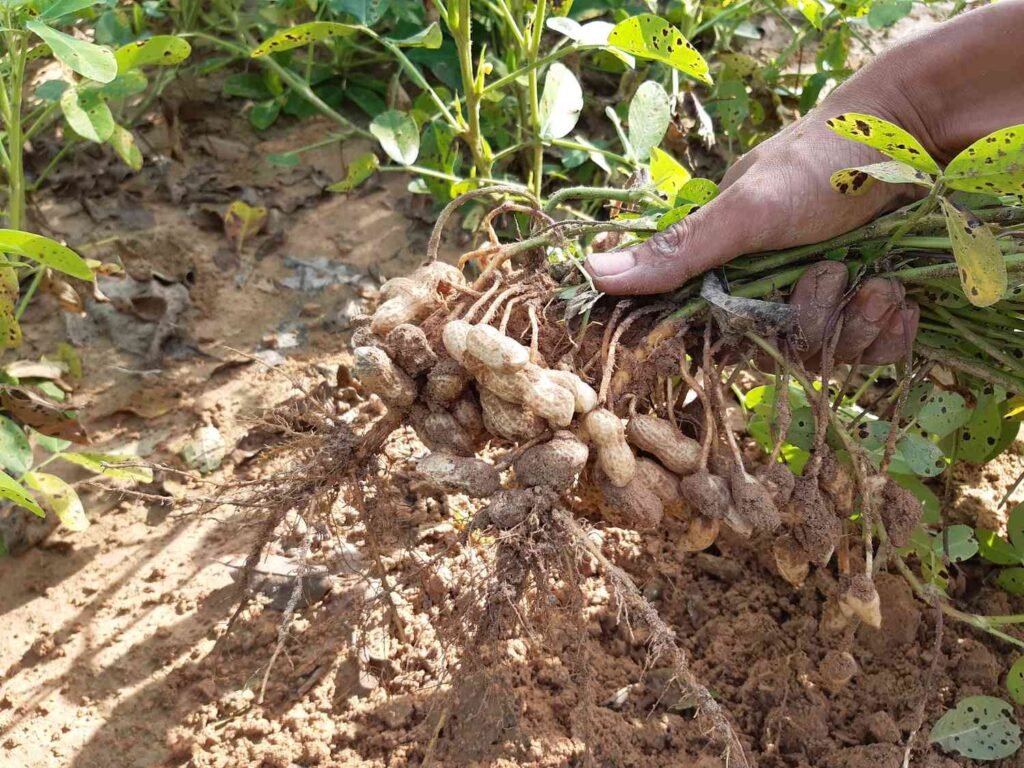
Peanuts are unique because they flower above ground but produce nuts below the surface. After flowering, the plant sends down “pegs” that push into the ground where peanuts form.
But in a soilless system, these pegs can still grow into a soft medium such as:
- Wet coco peat
- Wet sand
- Sawdust
- Perlite
- Hydrated rice husk
- Or even a moist sponge-like substrate
All you need is a material that holds moisture and provides gentle resistance for peanut pods to develop.
Materials You Need for Soilless Peanut Growing
You don’t need expensive hydroponic equipment. Simple items found at home can do the job:
- Raw peanuts (with skin, not roasted)
- A shallow tray or wide container
- Coco peat or sawdust (or another soft growing medium)
- Water
- A bowl for soaking peanuts
- A spray bottle
- Optional: liquid nutrients or compost tea
This setup works amazingly well even in small spaces.
Step 1: Selecting and Soaking Your Peanuts
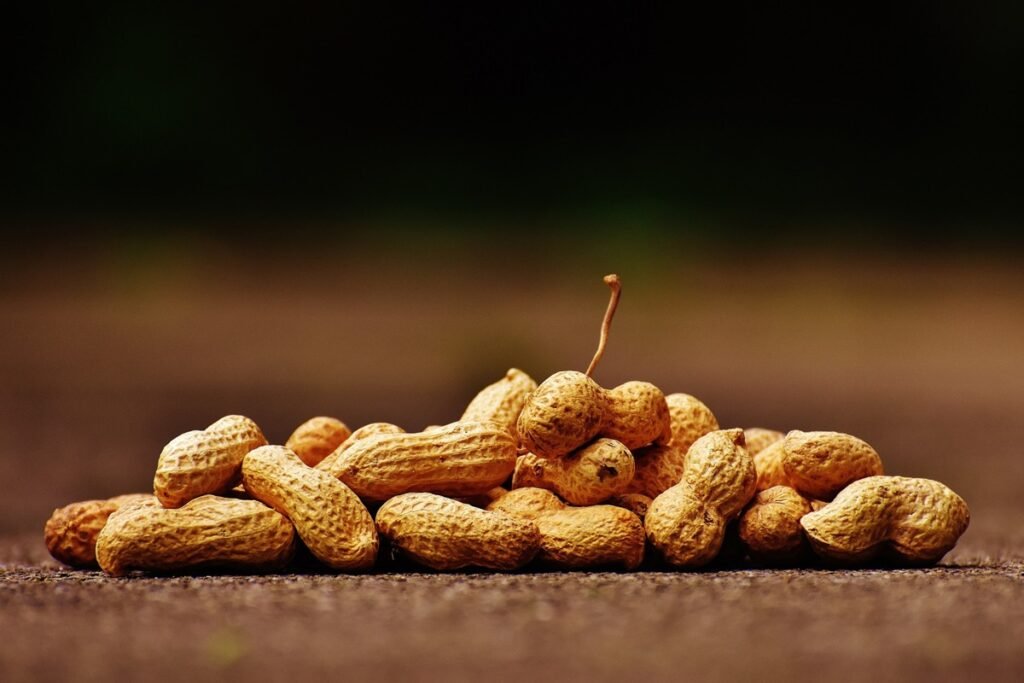
Start with raw, unroasted peanuts. Roasted nuts will never sprout.
How to Prepare:
- Shell the peanuts and choose plump, healthy seeds.
- Soak them in room-temperature water for 6–8 hours.
- After soaking, drain and rinse lightly.
Soaking speeds up germination and activates growth hormones inside the seed.
Step 2: Pre-Germinating the Peanuts
This step ensures high germination success.
- Spread a layer of moist tissue paper or cloth in a tray.
- Place the soaked peanuts on it.
- Cover them with another moist cloth.
- Keep in a warm place for 2–3 days.
Within 48–72 hours, you’ll see small white roots emerging.
Now they’re ready to grow!
Step 3: Preparing Your Soilless Growing Bed
Choose a container that is shallow but wide—peanuts grow horizontally more than vertically.
Fill it with:
- Coco peat
- Sawdust
- Rice husk
- Or perlite
Ensure the medium is thoroughly moist, but not soaking wet.
Peanuts like humidity but cannot tolerate waterlogging.
Step 4: Planting the Germinated Peanuts
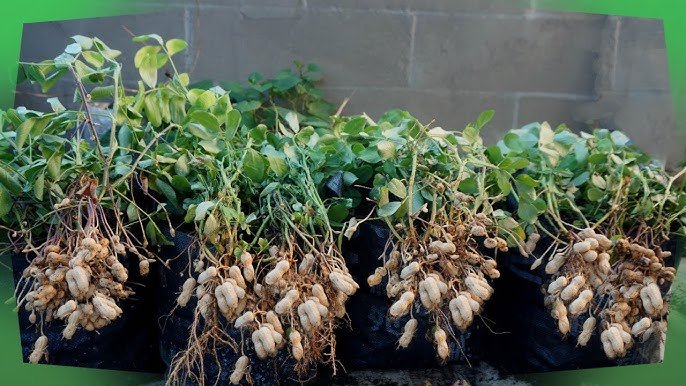
- Place each sprouted peanut root-side down on the moist medium.
- Gently cover with 1–2 cm of coco peat or sawdust.
- Keep the surface moist using a spray bottle.
- Place the container in bright indirect light.
You should see green shoots within 3–5 days.
Step 5: Providing Light and Water
Peanut plants love sunlight. Provide:
- 4–6 hours of sunlight daily
OR - 10–12 hours under a grow light
Watering:
- Keep the medium moist at all times.
- Use a spray bottle or bottom-watering method.
- Avoid flooding the container.
Step 6: Flowering and Peg Formation
At around 30–40 days, your peanut plant will produce small yellow flowers.
Here’s the magic part:
After flowering, each flower sends down a thin shoot called a peg.
The peg must enter the soft growing medium to form peanuts.
Step 7: Helping Peanuts Form Properly
Here’s how to help your plant produce many peanuts:
- Keep the growing medium loose and soft.
- Increase moisture slightly during pegging.
- If using sawdust, keep it constantly damp.
- Don’t move the plant during pegging—disturbing pegs reduces yield.
Step 8: Feeding Your Peanut Plants
Although soilless growing works with plain water, adding natural nutrients boosts production.
Use:
- Liquid seaweed
- Diluted compost tea
- Fish emulsion
- Organic hydroponic nutrients
Feed every 10–14 days.
This helps create bigger, sweeter, more nutritious peanuts.
Harvesting: When and How to Collect Your Peanuts
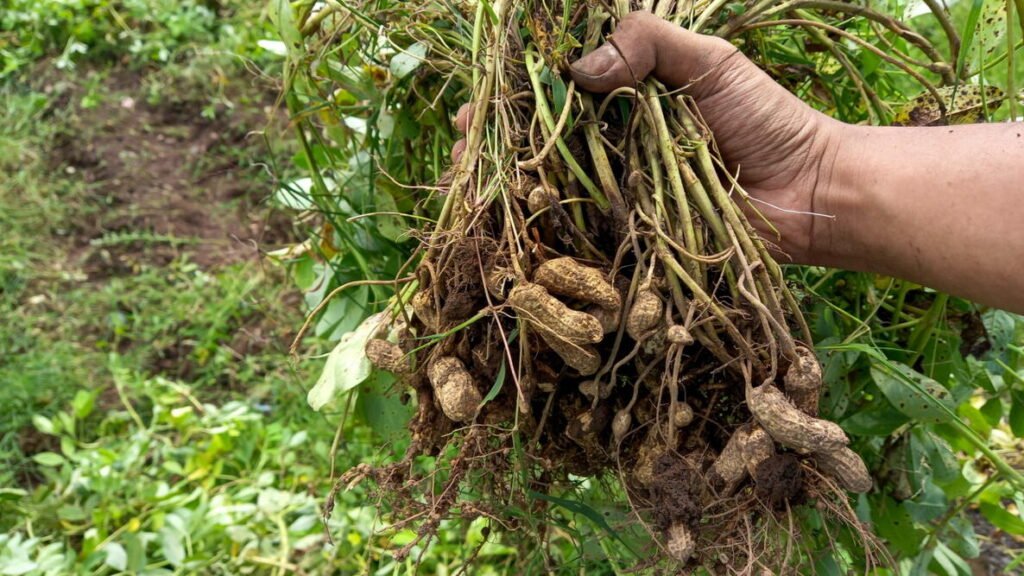
Peanuts take 90–120 days to ripen.
Signs your peanuts are ready:
- Leaves turn slightly yellow
- The plant stops growing new shoots
- Pegs thicken near the base
- Pods feel firm inside the medium
To harvest:
- Gently loosen the medium.
- Lift the entire plant by the stem.
- Shake off loose coco peat or sawdust.
- Enjoy your clean, soil-free peanuts!
Since they’re grown without soil, washing is minimal—your peanuts are clean and fresh.
Nutrition Benefits of Home-Grown Soilless Peanuts
Peanuts grown in clean water-based systems are:
- Higher in natural oils
- Rich in protein
- Loaded with vitamins E, B3, and folate
- A great source of antioxidants
- Completely pesticide-free
- Healthier for snacking or roasting
Since you choose the nutrients, your peanuts can be more wholesome than store-bought varieties.
Common Problems & Easy Solutions
Mold on Medium
Solution: Improve airflow, reduce watering slightly.
Seeds Rot
Cause: Overwatering before germination.
Solution: Use damp, not soaked medium.
Weak Peg Formation
Cause: Medium too hard or too dry.
Solution: Keep it soft and moist at pegging stage.
Slow Growth
Provide more sunlight or add diluted nutrients.
Why This Method Is Perfect for Modern Homes
Growing peanuts without soil is a sustainable alternative to traditional gardening. It allows:
- Urban residents to grow food easily
- Reduced dependency on farmland
- Upcycling of containers
- Clean and eco-friendly harvests
This method is ideal for families, children’s gardening projects, and those wanting organic produce at home.
Final Thoughts: Your Clean, Easy Peanut Garden
With just a tray, some raw peanuts, and a soft medium, you can grow a full crop of delicious peanuts without ever touching soil. This method is:
Easy
Clean
Productive
Nutritious
Perfect for small spaces
It’s amazing how such a simple idea can bring fresh, organic food straight to your home. Try this method once, and you’ll want to grow peanuts year-round!