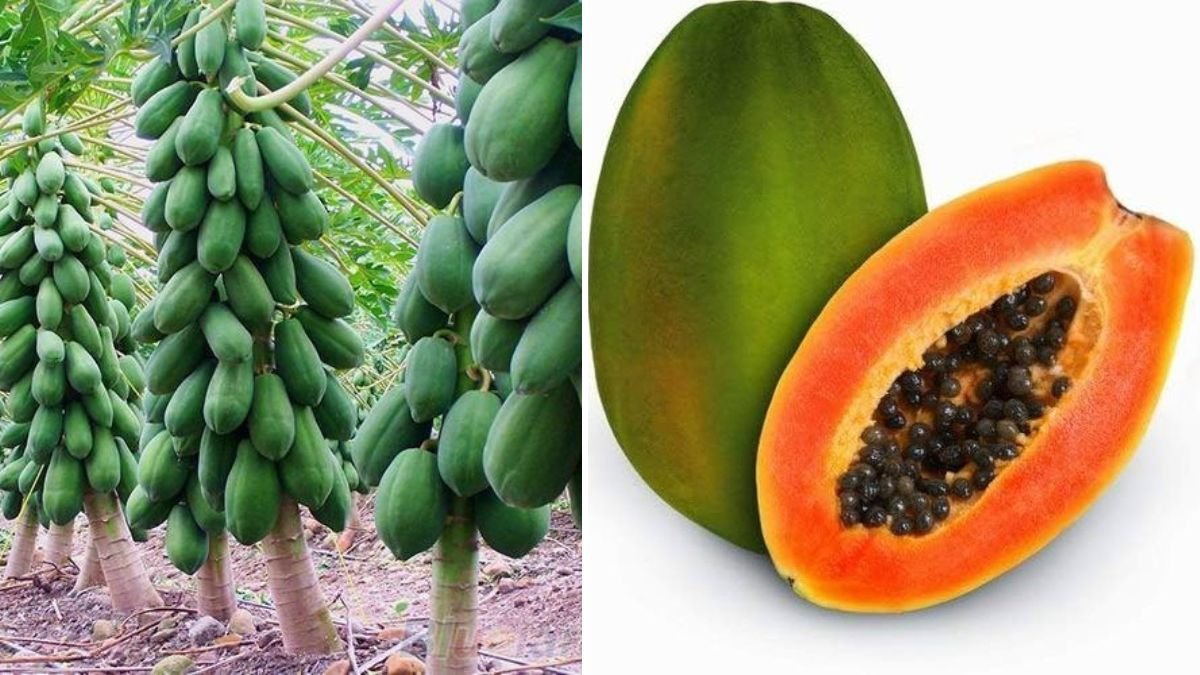
Papaya is one of the fastest-growing, most rewarding fruit plants you can grow—even if you are a beginner. Whether you have a large field or just a home garden, papaya rewards you with rapid growth, beautiful tropical foliage, and heavy production of delicious, nutrient-rich fruits. With the right techniques, you can turn your space into a high-yield papaya garden that produces continuously for years.
This 1200-word guide will walk you through awesome papaya cultivation, from planting to boosting production. Follow these steps, and you’ll enjoy healthy plants, bigger fruits, and a harvest you’ll be proud of.
Introduction: Why Papaya Is a Great Fruit to Grow
Papaya (Carica papaya) is a tropical fruit known for its sweet taste, soft texture, and medicinal benefits. It grows incredibly fast—sometimes bearing fruit within 8 to 10 months from planting under the right conditions.
A single healthy plant can produce 50–120 fruits per year, making papaya an excellent choice for home gardeners and commercial farmers alike. Even better, papaya needs minimal care compared to many fruit plants.
If you want great production, smart planting, proper nutrition, and disease management are the keys. Let’s explore how to achieve that.
1. Choosing the Best Location for Papaya Cultivation
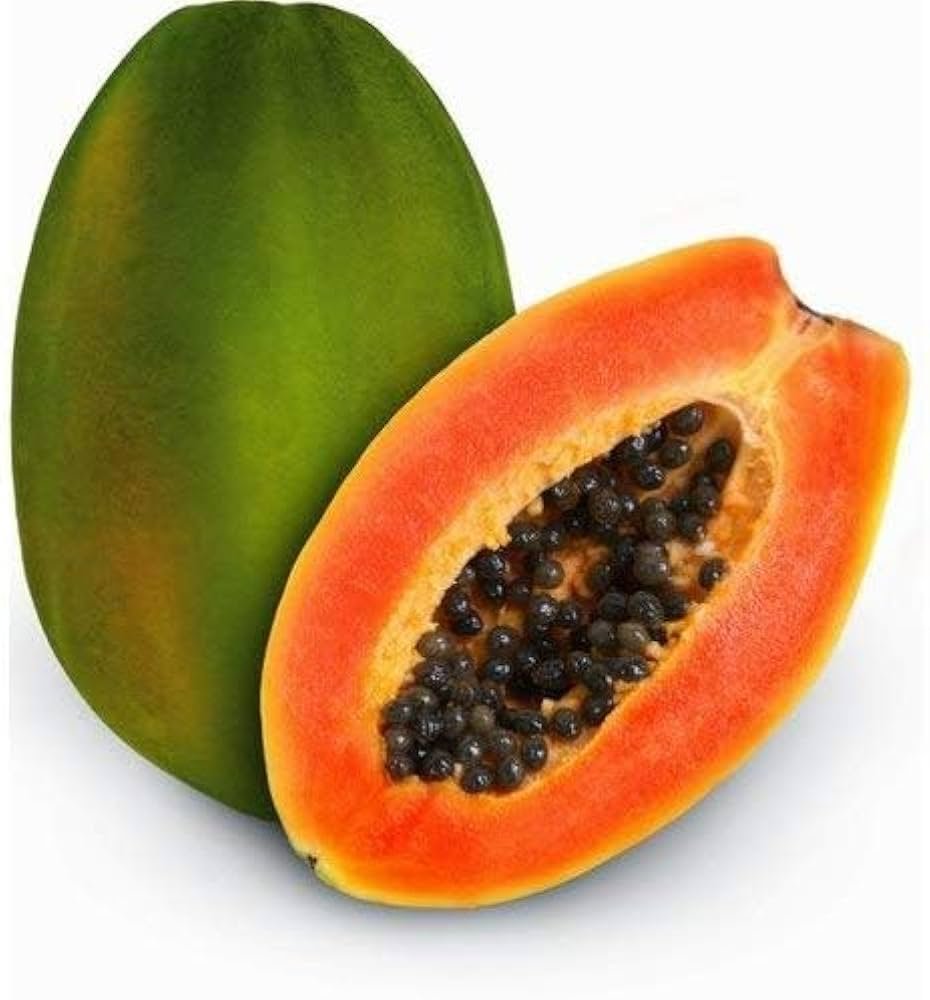
Papaya loves sunlight and grows best in tropical or subtropical climates. To ensure strong growth:
Full Sun
Papaya needs 6–8 hours of direct sunlight every day. More sunlight = faster growth + sweeter fruits.
Warm Temperature
Ideal temperature: 22°C to 32°C
It does not tolerate frost or extreme cold.
Well-drained Soil
Papaya hates waterlogging. Choose soil that drains well, such as:
- Sandy loam
- Red soil
- Slightly acidic to neutral pH (6.0–6.8)
If your soil holds water, plant on raised beds or mounds.
2. Growing Papaya from Seeds—The Smart Way
Most papaya farmers start from seeds because:
- Seeds germinate quickly.
- Seed-grown plants fruit fast.
- It’s cheaper and easy to do at home.
How to Prepare Papaya Seeds
- Take seeds from a ripe, healthy papaya.
- Wash off the jelly-like coating.
- Sun dry for 1 day.
- Store in a dry, cool place or sow immediately.
Sowing Seeds
- Use small pots, poly bags, or nursery trays.
- Fill with loose, fertile soil.
- Sow seeds 1 cm deep.
- Keep soil moist (never soggy).
Seeds germinate in 10–15 days.
3. Transplanting Papaya Seedlings for Maximum Production
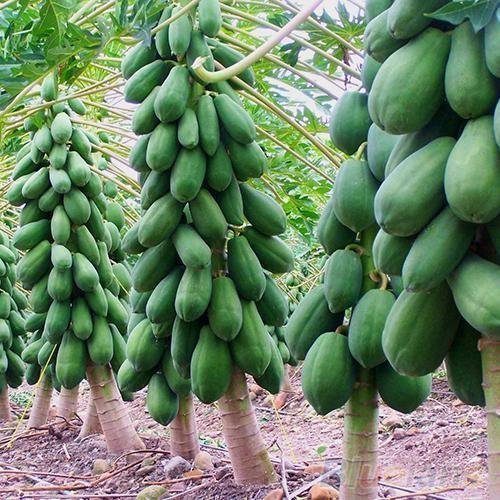
When seedlings are 20–25 cm tall and have 4–5 leaves, they are ready to transplant.
Optimal Spacing
Leave 6–8 feet between plants.
Proper spacing improves:
- Sunlight exposure
- Airflow
- Fruit size
- Disease resistance
Planting Technique
- Dig a hole around 1.5 ft deep.
- Mix compost/organic matter with the soil.
- Plant the seedling carefully without damaging roots.
- Water gently.
Tip: Plant 2–3 seedlings in one hole and remove weaker ones later. This increases the chance of getting a female or hermaphrodite plant, which produce fruits.
4. Watering Your Papaya Plants Correctly
Papaya plants need the right amount of moisture:
Ideal Watering Routine
- Water 3–4 times weekly in summer.
- Water 1–2 times weekly in winter.
Avoid overwatering—this causes:
- Root rot
- Yellow leaves
- Slow growth
Mulching with dry leaves or straw helps keep soil moist.
5. Best Fertilizers for Great Papaya Production
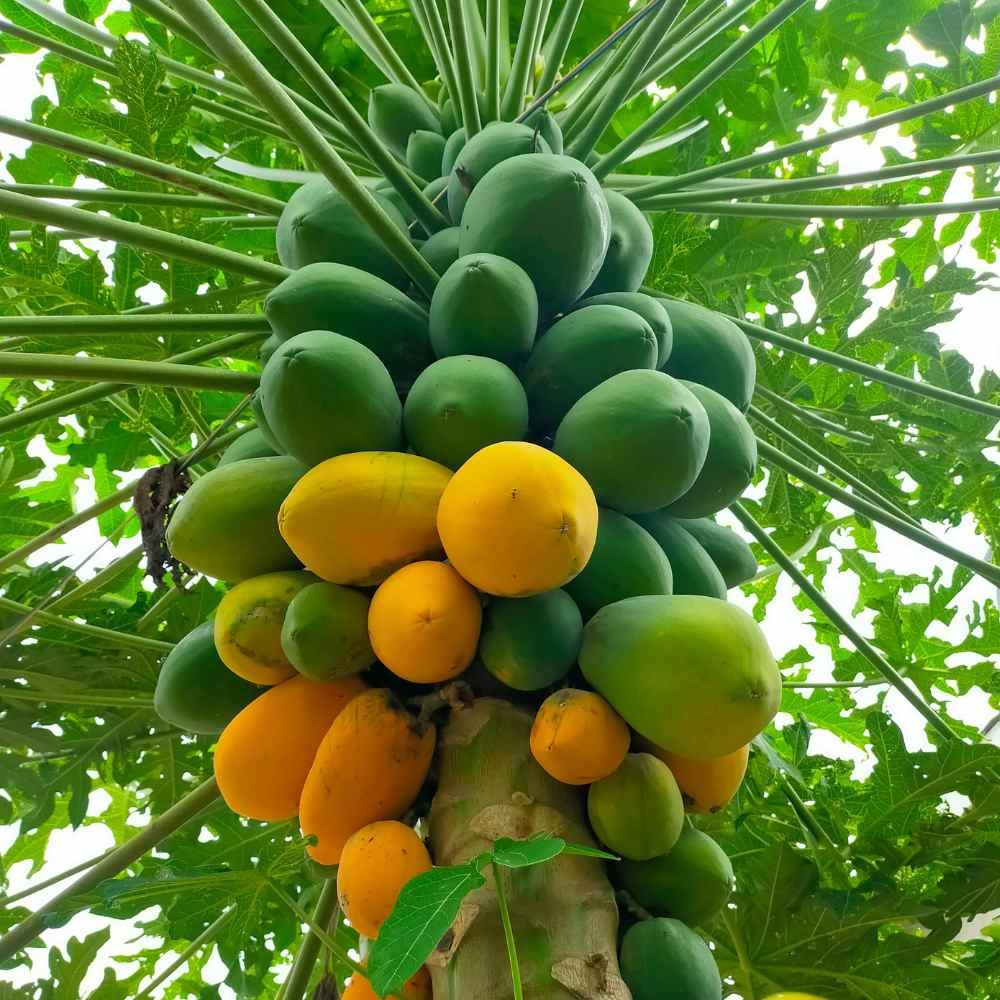
Papaya is a heavy feeder, so fertilizing properly makes a huge difference.
Organic Fertilizers
- Cow dung compost
- Vermicompost
- Mustard cake water
- Banana peel fertilizer
Use these every 30 days for strong growth.
Chemical Fertilizers (Optional)
If you prefer faster results, use:
- NPK 10-26-26 (fruiting stage)
- NPK 19-19-19 (growth stage)
- Micronutrients (zinc, iron, boron)
Apply fertilizers every 25 days, but avoid overuse.
6. Flowering and Fruit Setting in Papaya
Papaya flowers in 5–6 months after transplanting.
There are three types of plants:
- Male plants – no fruits
- Female plants – fruits but need pollination
- Hermaphrodite plants – self-pollinating (best for home growers)
If you want reliable fruiting, keep 1 male plant for every 8–10 female plants, unless you’re growing hermaphrodite varieties.
7. Common Problems and How to Solve Them
Yellowing Leaves
Cause: Overwatering, nutrient deficiency
Fix: Reduce water + add compost or NPK.
Fruit Rot
Cause: Fungal infection
Fix: Improve airflow + keep soil dry.
Slow Growth
Cause: Poor soil or low sunlight
Fix: Add organic matter + move to a sunnier spot if potted.
8. Boosting Papaya Growth Naturally
To get bigger fruits and faster production, try these natural boosters:
Epsom Salt
Improves greenness and sweetness.
Mix 1 tsp in 1 liter water and spray monthly.
Banana Peel Water
Rich in potassium → perfect for fruiting.
Use once every 15 days.
Neem Cake
Protects roots and improves soil quality.
9. Harvesting Your Papayas at the Perfect Time
Papaya fruits are ready when:
- The skin turns yellowish-green
- Fruits feel slightly soft
- Latex flow reduces
Do not wait until fruits are fully yellow on the tree—birds may attack.
Cut with a sharp knife, leaving a small portion of the stem.
10. Tips for Continuous High Production
To keep your papaya garden productive:
Prune old leaves regularly
Remove weeds to avoid pests
Water consistently
Apply compost every month
Replace old plants every 3–4 years for best yield
Following these steps ensures year-round production.
Conclusion: Create Your Own High-Yield Papaya Garden
Papaya cultivation is simple, rewarding, and perfect for anyone who wants abundant fruits with minimal effort. With the right care—proper planting, watering, and feeding—you can grow a super-productive papaya garden at home or on your farm.
This amazing fruit plant grows fast, produces heavily, and gives you sweet, nutritious papayas for months. Start today, follow the steps in this guide, and you’ll be enjoying your own fresh papaya harvest sooner than you imagine!