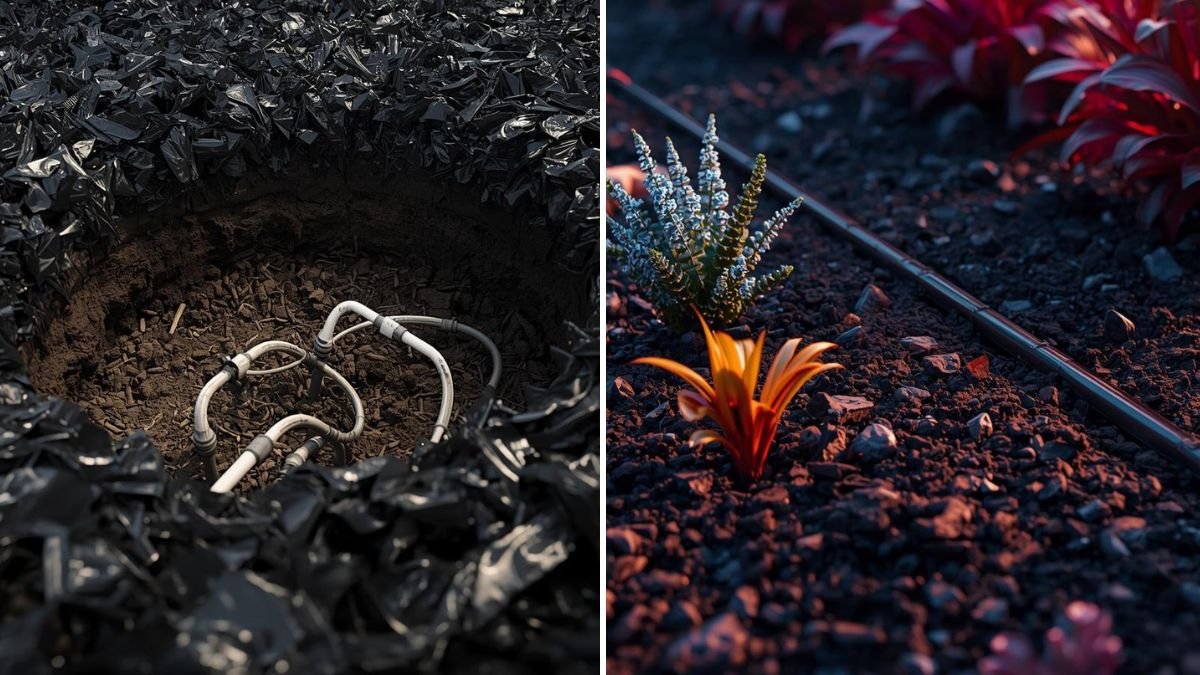
Plastic gardening involves covering soil with plastic sheets or mulch. It conserves soil moisture and reduces weed growth. Plastic helps maintain temperature, benefiting early or late-season crops. The technique is ideal for vegetables like tomatoes, peppers, and cucumbers. Plastic sheets prevent soil erosion and improve soil fertility. They also protect crops from pests and diseases. Lightweight and flexible plastic allows easy installation. Home gardeners can adapt the method to small or large plots. Understanding soil, crop selection, and installation ensures successful plastic gardening. Proper use improves efficiency and yield.
Benefits of Using Plastic in Gardens
Plastic gardening retains soil moisture and reduces evaporation. It suppresses weeds naturally. Maintains soil temperature for optimal plant growth. Protects soil from heavy rainfall and erosion. Reduces pest and disease incidence. Encourages earlier harvest and higher yields. Improves nutrient retention in soil. Lightweight and reusable plastic is convenient. Economical compared to repeated mulching with organic materials. Enhances overall productivity and garden aesthetics.
Types of Plastic Used
Clear, black, and reflective plastics are commonly used. Clear plastic warms the soil for early crops. Black plastic suppresses weeds and conserves moisture. Reflective plastic deters pests and attracts sunlight to roots. Thickness ranges from 25–100 microns. Reusable greenhouse-grade plastic lasts longer. Choose UV-stabilized plastics for outdoor use. Consider perforated plastic for water infiltration. Type of plastic depends on crop and climate. Proper selection ensures efficiency and durability.
Preparing the Soil
Remove weeds, rocks, and debris. Loosen soil for better root penetration. Incorporate compost or fertilizers to improve fertility. Level the surface for uniform plastic coverage. Create raised rows for better drainage. Compact soil slightly under edges to prevent plastic from blowing away. Moisture should be consistent before laying plastic. Well-prepared soil enhances crop growth. Proper preparation reduces maintenance and improves yield.
Installing Plastic Sheets
Roll plastic over prepared rows, securing edges with soil or stakes. Perforate plastic where plants will be transplanted or seeded. Ensure tight coverage to prevent wind lifting. Space rows appropriately for irrigation access. Transparent plastic warms soil; black plastic conserves moisture. Reflective plastic can deter pests. Avoid overlapping edges to prevent water pooling. Proper installation ensures effectiveness and durability. Regular inspection prevents damage.
Planting Vegetables Through Plastic
Cut small holes in plastic to transplant seedlings or sow seeds. Space crops according to growth requirements. Water immediately after planting. Use drip lines under plastic for consistent irrigation. Mulch around holes if needed. Monitor plant growth and adjust spacing. Plastic encourages faster root establishment. Protect young plants from extreme heat. Efficient planting maximizes yield and reduces weeds.
Watering Plastic-Grown Crops
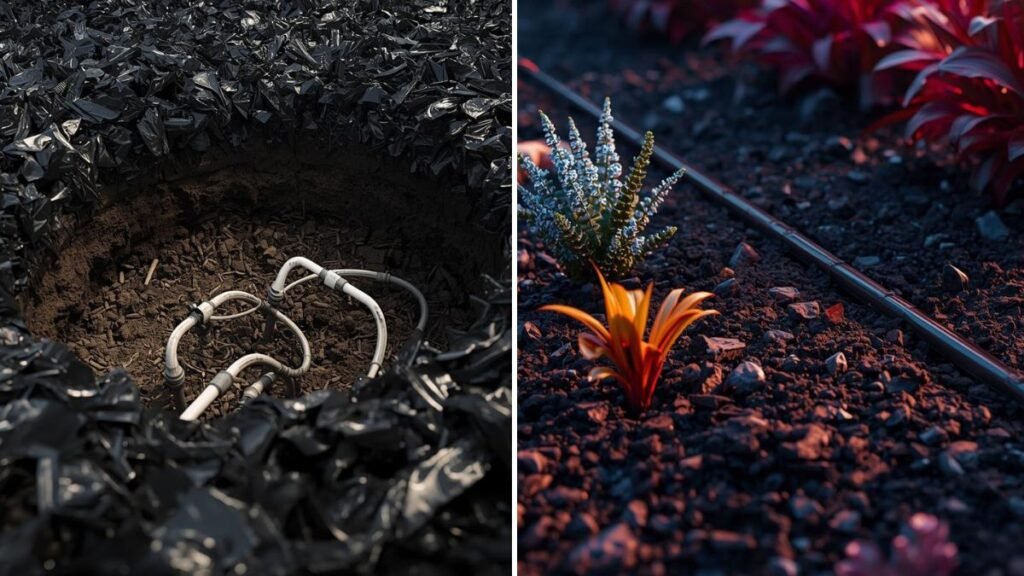
Drip irrigation is ideal under plastic sheets. Provides water directly to roots. Reduces evaporation and water wastage. Avoid overhead watering to prevent fungal infections. Monitor soil moisture regularly. Adjust irrigation based on crop type and weather. Watering efficiency is higher under plastic mulch. Consistent moisture improves plant vigor. Irrigation planning is essential for plastic gardening.
Fertilization Under Plastic
Fertilizers can be applied before laying plastic or through fertigation. Use slow-release fertilizers for long-term nutrition. Organic options include compost or liquid fertilizers. Fertigation improves nutrient absorption. Avoid excessive nitrogen to prevent excessive leaf growth. Monitor plants for deficiencies. Balanced nutrition ensures healthy crops. Fertilization combined with irrigation maximizes yield. Proper nutrient management is critical.
Weed Control with Plastic
Plastic mulch suppresses most weeds naturally. Monitor edges and perforations for weed growth. Hand-pull any emerging weeds. Avoid chemical herbicides if possible. Mulching reduces labor and competition for nutrients. Keep soil moist under mulch to prevent weed seeds germinating. Plastic helps maintain clean and organized beds. Proper placement minimizes maintenance. Weed-free beds promote healthy vegetables.
Temperature Management
Plastic modifies soil temperature effectively. Clear plastic increases soil warmth for early crops. Black plastic retains heat and suppresses weeds. Reflective plastic reduces pest attraction and leaf scorching. Monitor temperature during hot months to avoid plant stress. Use row covers or shade nets if necessary. Proper temperature ensures strong root and plant growth. Seasonal adjustments improve efficiency. Temperature regulation is key for high productivity.
Pest and Disease Management
Plastic reduces soil-borne diseases and pest infestation. Monitor leaves for signs of pests. Remove infected plants promptly. Use companion planting for additional pest control. Maintain airflow to reduce fungal growth. Clean plastic sheets between seasons. Avoid overcrowding to minimize disease spread. Integrated pest management ensures healthy crops. Plastic gardening reduces, but does not eliminate, pest risks.
Harvesting Plastic-Grown Vegetables
Harvest crops at maturity for best flavor and yield. Monitor growth regularly. Use clean tools to avoid contamination. Regular harvesting encourages continuous production. Protect crops from direct sun during harvest if necessary. Check soil moisture before harvesting. Record yields for planning future planting. Proper harvesting ensures quality and sustainability. Plastic gardening facilitates organized, efficient harvest.
Maintaining Plastic Gardens
Check for tears and replace damaged plastic. Remove debris and fallen leaves from plastic surfaces. Monitor soil moisture and fertility. Rotate crops each season to maintain soil health. Clean irrigation lines regularly. Reuse plastic sheets when possible. Seasonal maintenance ensures long-term productivity. Maintenance reduces labor and increases efficiency. Proper care prolongs plastic usability and effectiveness.
Table: Plastic Types for Gardening
| Plastic Type | Best Use | Thickness | Advantages |
|---|---|---|---|
| Clear | Early crops | 25–50 microns | Warms soil |
| Black | All-season | 50–100 microns | Weed suppression |
| Reflective | Pest control | 50–75 microns | Reduces leaf scorching |
| Perforated | Irrigation | 25–50 microns | Water infiltration |
Conclusion on Plastic Gardening
Plastic gardening is an efficient, water-saving, and productive method. It suppresses weeds, retains soil moisture, and improves crop growth. Proper installation, irrigation, and fertilization ensure success. Plastic can be used in small or large-scale vegetable gardens. Temperature management and pest control enhance productivity. Sustainable practices like reusing plastic reduce environmental impact. Planning and maintenance maximize yield and efficiency. Home and commercial gardeners benefit from plastic gardening. Plastic gardening provides a versatile and effective cultivation method.