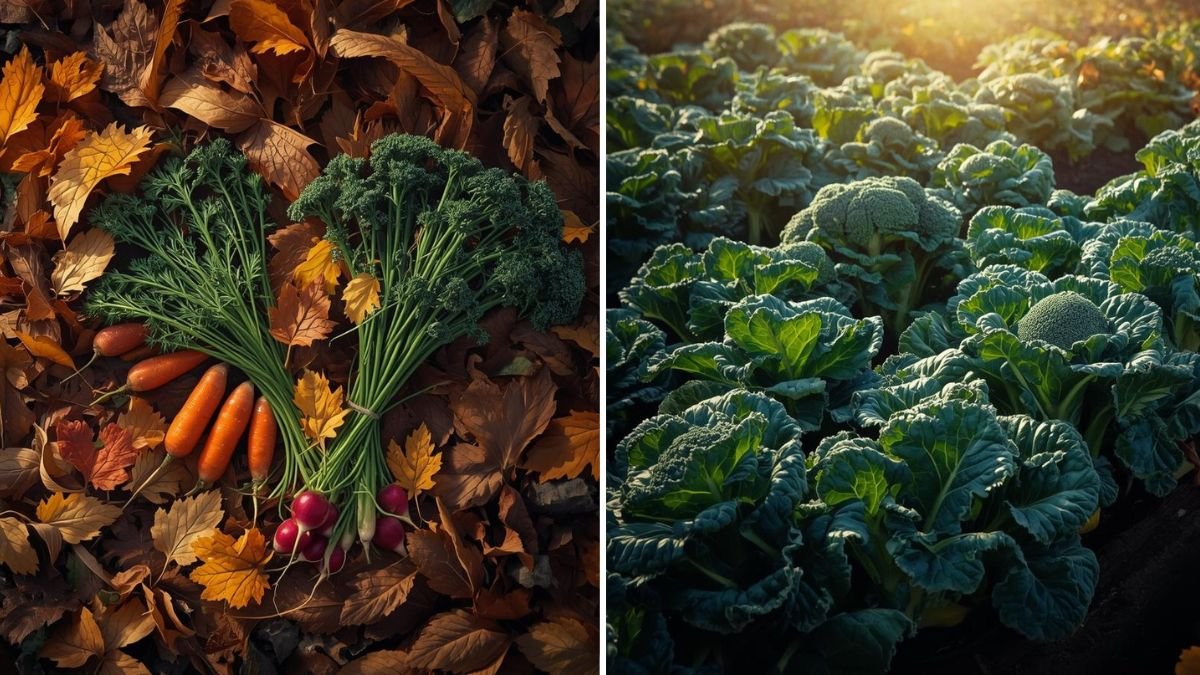
Fall gardening is often overlooked, yet it offers excellent growing conditions for many vegetables. Cooler temperatures reduce plant stress and improve flavor. Shorter days slow growth, allowing vegetables to develop richer taste. Many fall crops tolerate frost better than summer vegetables. Pest pressure decreases significantly in cooler weather. Soil retains moisture longer during autumn. Gardeners enjoy extended harvests into late fall. Fall gardening maximizes garden productivity.
Understanding Fall Climate and Vegetable Growth
Fall weather creates unique growing conditions. Daytime temperatures are mild while nights are cool. These conditions reduce evaporation and water stress. Root vegetables benefit from steady soil moisture. Leafy greens grow slowly but steadily. Cooler temperatures prevent bolting in many crops. Frost-tolerant vegetables continue growing after light freezes. Understanding fall climate helps gardeners choose wisely.
Benefits of Growing Vegetables in Fall
Fall vegetables are often sweeter and more tender. Cooler weather converts starches into sugars. Gardens face fewer insects and diseases. Watering needs decrease compared to summer. Fall gardening extends the harvest season. Crops mature with less maintenance. Gardeners enjoy fresher produce longer. Fall planting increases garden efficiency.
Vegetable 1: Spinach – A Cold-Loving Leafy Green
Spinach thrives in cool temperatures and short days. It grows quickly in fall conditions. Spinach tolerates light frost easily. Leaves become sweeter after cold exposure. It prefers moist, well-drained soil. Regular harvesting encourages new growth. Spinach requires minimal care. It is one of the best fall vegetables.
Why Spinach Performs Better in Fall
Spinach struggles in summer heat. Cooler temperatures prevent bolting. Fall-grown spinach produces tender leaves. Shorter days slow leaf aging. Frost enhances flavor significantly. Pest damage is minimal in fall. Spinach grows steadily until winter. Fall conditions suit spinach perfectly.
Vegetable 2: Carrots – Sweeter Roots in Cool Weather
Carrots grow exceptionally well in fall. Cool soil promotes slow root development. This results in sweeter, crunchier carrots. Carrots tolerate frost well underground. Loose soil improves root shape. Fall carrots store well after harvest. Cold weather improves color and taste. Carrots are ideal fall crops.
Why Fall Is Best for Growing Carrots
Summer heat causes carrots to become bitter. Fall temperatures prevent stress. Roots develop evenly and smoothly. Frost converts starch into sugars. Carrots can stay in soil longer. Pest pressure is reduced significantly. Fall carrots offer superior flavor. Many gardeners prefer fall harvests.
Vegetable 3: Kale – Extremely Hardy and Nutritious
Kale is one of the hardiest fall vegetables. It tolerates frost and even snow. Cold weather improves kale’s sweetness. Kale grows well in short daylight. Leaves remain productive for months. Minimal fertilization is needed. Kale thrives when other crops fade. It is perfect for fall gardens.
How Kale Benefits from Cooler Temperatures
Heat makes kale bitter and tough. Cold weather softens leaf texture. Frost enhances sugar content. Kale remains productive late into fall. Insects disappear as temperatures drop. Leaves grow thicker and healthier. Kale survives harsh conditions. Cooler weather is ideal for kale.
Vegetable 4: Radishes – Fast Growth in Short Days
Radishes grow rapidly in cool conditions. Fall radishes mature quickly. Cooler soil prevents bitterness. Radishes prefer consistent moisture. Short days reduce stress. Harvest can occur within weeks. Radishes tolerate light frost. They are excellent fall choices.
Why Radishes Excel in Fall Gardens
Summer radishes become woody and spicy. Fall radishes remain crisp. Cooler temperatures ensure even growth. Pest activity is lower. Moist soil improves texture. Gardeners enjoy quick results. Radishes fill empty garden spaces. Fall planting is highly effective.
Vegetable 5: Broccoli – Strong Growth in Cool Weather
Broccoli thrives in cool temperatures. Fall-grown broccoli develops firm heads. Cold weather prevents premature flowering. Broccoli prefers consistent moisture. Shorter days slow growth slightly. This improves head density. Frost does not damage mature plants. Broccoli is ideal for fall.
Why Broccoli Produces Better Heads in Fall
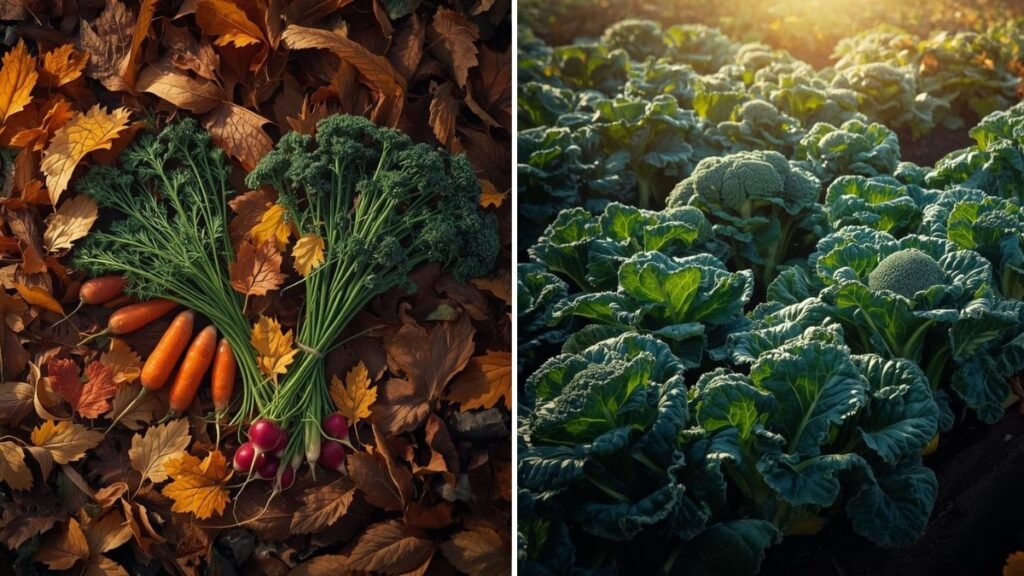
Summer heat causes loose heads. Cool temperatures improve structure. Broccoli matures more evenly. Pest pressure decreases in fall. Heads develop richer flavor. Leaves remain healthy longer. Gardeners harvest higher quality produce. Fall broccoli is superior.
Planting Tips for Fall Vegetables
Start seeds earlier to allow establishment. Use well-drained soil. Mulch to retain warmth. Water consistently during establishment. Protect seedlings from extreme heat early. Thin plants properly. Monitor weather forecasts. Preparation ensures success.
Managing Frost in Fall Gardens
Light frost benefits many crops. Use row covers for protection. Mulch helps regulate soil temperature. Water soil before frost events. Harvest sensitive crops early. Cold frames extend the season. Frost management extends harvests. Simple steps protect plants.
Fall Vegetable Growing Table
| Vegetable | Frost Tolerance | Harvest Benefit |
|---|---|---|
| Spinach | High | Sweeter leaves |
| Carrots | High | Improved sweetness |
| Kale | Very high | Tender texture |
| Radishes | Medium | Crisp roots |
| Broccoli | Medium | Dense heads |
Common Mistakes to Avoid in Fall Gardening
Planting too late reduces yield. Ignoring soil preparation limits growth. Overwatering causes root rot. Skipping mulch exposes roots. Poor spacing reduces airflow. Ignoring frost forecasts risks damage. Avoiding mistakes improves success. Fall gardening requires planning.
Extending the Fall Harvest Season
Use cold frames or tunnels. Plant succession crops. Harvest outer leaves regularly. Protect plants during cold nights. Choose hardy varieties. Maintain soil fertility. These methods extend harvests. Garden productivity increases.
Why Fall Vegetables Are Healthier
Slow growth improves nutrient density. Cooler temperatures reduce stress. Vegetables retain vitamins longer. Leafy greens develop richer color. Roots accumulate minerals. Flavor improves naturally. Fall produce is highly nutritious. Health benefits increase.
Conclusion: Enjoy Abundant Harvests in Fall Gardens
Fall gardening offers unique advantages. Cooler weather improves flavor and quality. Many vegetables thrive in short days. Pest pressure is reduced naturally. Gardeners enjoy extended harvests. Proper planning ensures success. Fall gardens remain productive longer. Cooler seasons reward gardeners generously.