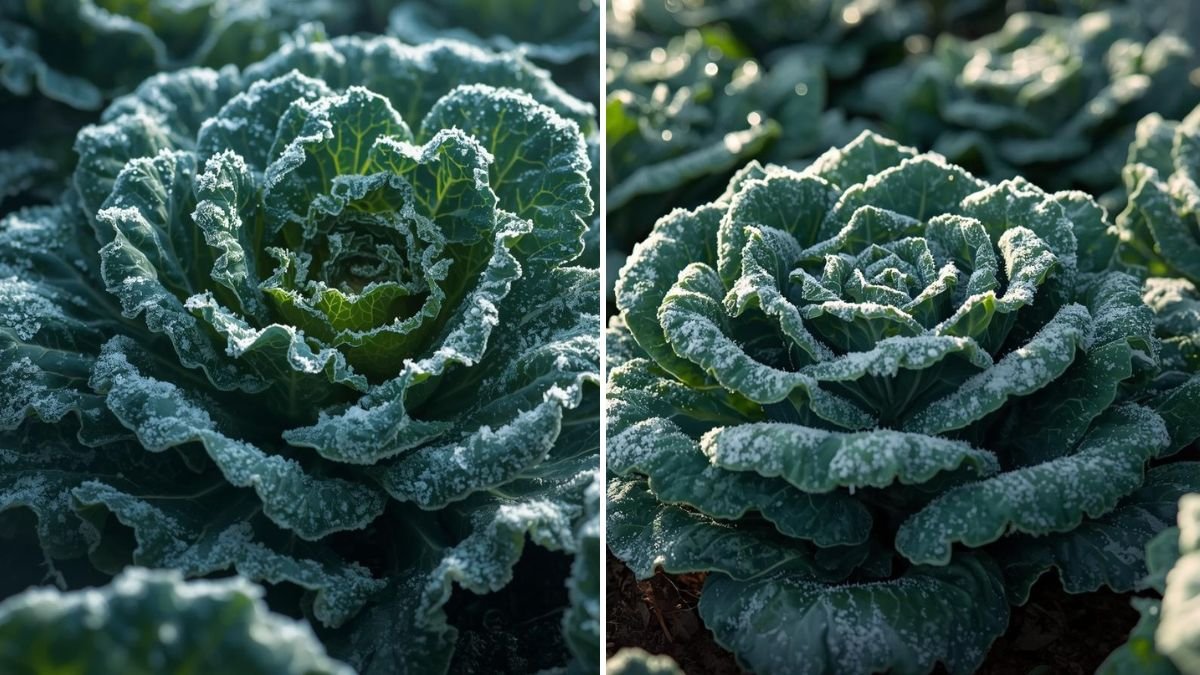
Cold-hardy greens are essential crops for gardeners living in cool climates who want to extend their harvest season. These vegetables thrive in lower temperatures and often taste better after exposure to frost. Growing cold-tolerant greens allows gardeners to enjoy fresh produce late into fall and even winter. Unlike warm-season crops, these greens resist cold stress naturally. They grow steadily when other plants slow down. Many cold-hardy greens improve sweetness as temperatures drop. This makes them ideal for late harvests. Understanding their resilience helps gardeners plan productive cool-season gardens.
Why Cold-Hardy Greens Thrive in Cool Climates
Cold-hardy greens have evolved to survive chilly conditions. Their leaves contain natural sugars that act as antifreeze. Cool temperatures slow leaf aging, resulting in better texture. These plants grow efficiently in short daylight hours. Many tolerate light snow and frost without damage. Cool weather also reduces pest pressure significantly. Fewer insects attack crops in cold conditions. As a result, cold-hardy greens are easier to manage and highly productive in cool climates.
Understanding Late-Season Gardening
Late-season gardening focuses on maximizing harvests as temperatures decline. Gardeners must choose crops that tolerate frost. Soil warmth remains important even as air temperatures drop. Using mulch and row covers extends growing periods. Cold-hardy greens respond well to these techniques. Late-season planting requires planning ahead. Seeds should be planted early enough to establish roots. Proper timing ensures strong growth before winter arrives.
Green 1: Spinach for Cold Weather Harvests
Spinach is one of the most cold-tolerant leafy greens available. It survives freezing temperatures with minimal protection. Spinach leaves become sweeter after frost exposure. It grows quickly and can be harvested multiple times. Spinach prefers cool, moist soil conditions. Late-season spinach often outperforms spring crops. Its compact growth suits small gardens. Spinach is an excellent choice for cold-climate gardeners.
Green 2: Kale as a Winter Survivor
Kale is famous for its extreme cold tolerance. It can withstand heavy frost and snow. Cold temperatures improve kale’s flavor dramatically. Kale continues producing leaves well into winter. Its thick leaves resist cold damage effectively. Kale thrives in both garden beds and containers. Many varieties adapt well to freezing conditions. Kale remains productive when other crops fail.
Green 3: Swiss Chard for Extended Harvests
Swiss chard tolerates cool temperatures surprisingly well. While not as hardy as kale, it survives light frost. Chard regrows quickly after harvesting. Its colorful stems add beauty to winter gardens. Swiss chard adapts to variable climates easily. With protection, it lasts well into late fall. Chard’s leaves remain tender in cool weather. It provides both nutrition and visual appeal.
Green 4: Collard Greens for Cold Regions
Collard greens are exceptionally resilient in cool climates. They tolerate frost without losing quality. Collards grow slowly but steadily in cold weather. Their large leaves provide substantial harvests. Cold exposure improves their sweetness. Collards are less prone to pests in cool seasons. They thrive in nutrient-rich soil. Collards are ideal for late harvests.
Green 5: Mustard Greens for Fast Cold Growth
Mustard greens grow rapidly in cool conditions. They tolerate frost better than heat. Cold weather mellows their spicy flavor. Mustard greens mature quickly for late planting. They are ideal for succession sowing. Their leaves remain tender in cool climates. Mustard greens grow well in containers. They provide fast, flavorful harvests.
Planting Timing for Cold-Hardy Greens
Timing is crucial for late-season success. Seeds should be planted while soil is still workable. Early establishment ensures strong root systems. Late planting risks slow growth. Gardeners must consider first frost dates. Indoor seed starting helps extend seasons. Transplants establish faster outdoors. Proper timing maximizes cold-season yields.
Soil Preparation for Cold-Season Greens
Healthy soil supports cold-tolerant growth. Organic matter improves insulation. Compost enriches soil nutrients naturally. Loose soil allows root expansion. Moist soil retains warmth longer. Avoid compacted ground before winter. Proper preparation enhances resilience. Healthy soil ensures steady growth.
Light Requirements in Cool Seasons
Cold-hardy greens grow well in limited light. Short daylight hours slow growth but do not stop it. South-facing beds receive maximum sunlight. Reflective surfaces improve light exposure. Containers can be repositioned easily. Consistent light supports leaf development. Even winter sun benefits growth. Light management improves harvest quality.
Watering in Cool Weather
Cool climates reduce evaporation rates. Overwatering is a common mistake. Soil should remain moist but not wet. Water during warmer parts of the day. Good drainage prevents root rot. Mulching helps retain moisture evenly. Proper watering supports healthy leaves. Balanced moisture is essential.
Using Protection for Extreme Cold
Row covers protect crops from frost. Cold frames trap heat effectively. Mulch insulates roots from freezing. Snow acts as natural insulation. Temporary coverings extend harvests significantly. Protection reduces cold damage. These techniques ensure survival. Simple tools make a big difference.
Pest and Disease Control in Cold Gardens
Cold weather reduces pest activity naturally. Aphids and caterpillars decline in cooler months. Good airflow prevents fungal diseases. Clean garden beds reduce overwintering pests. Organic control methods remain effective. Healthy plants resist disease better. Cold-season gardening is low maintenance. Prevention ensures success.
Harvesting Greens in Cold Conditions
Harvest during milder parts of the day. Frozen leaves may bruise easily. Use clean tools for cutting. Regular harvesting encourages regrowth. Avoid harvesting during deep freezes. Gentle handling preserves quality. Cold-grown greens store well. Harvest timing affects flavor.
Flavor Benefits of Cold-Grown Greens
Cold exposure enhances sweetness. Natural sugars increase in leaves. Bitterness decreases significantly. Texture improves in cool weather. Many chefs prefer winter greens. Flavor concentration improves with frost. Cold-grown greens taste superior. This is a major advantage.
Nutritional Value of Cold-Hardy Greens
Cold-grown greens retain high nutrient levels. Vitamins remain concentrated. Antioxidants increase under stress. Greens support winter nutrition needs. Fresh harvests improve dietary health. Homegrown greens are chemical-free. Nutrient density remains high. Cold gardens provide powerful nutrition.
Table: Top Cold-Hardy Greens Overview
| Green Type | Cold Tolerance | Flavor Improvement |
|---|---|---|
| Spinach | Very high | Sweeter after frost |
| Kale | Extremely high | Rich and mild |
| Swiss chard | Moderate | Balanced flavor |
| Collards | Very high | Sweetened leaves |
| Mustard greens | High | Milder spice |
Final Thoughts on Cold-Hardy Greens
Cold-hardy greens allow gardeners to harvest when others stop. They thrive in cool climates with minimal effort. Proper planning ensures extended harvests. Flavor and nutrition improve naturally. These greens maximize garden productivity. Late-season gardening becomes rewarding. Cold-tolerant crops reduce seasonal gaps. Cool climates offer unique advantages.