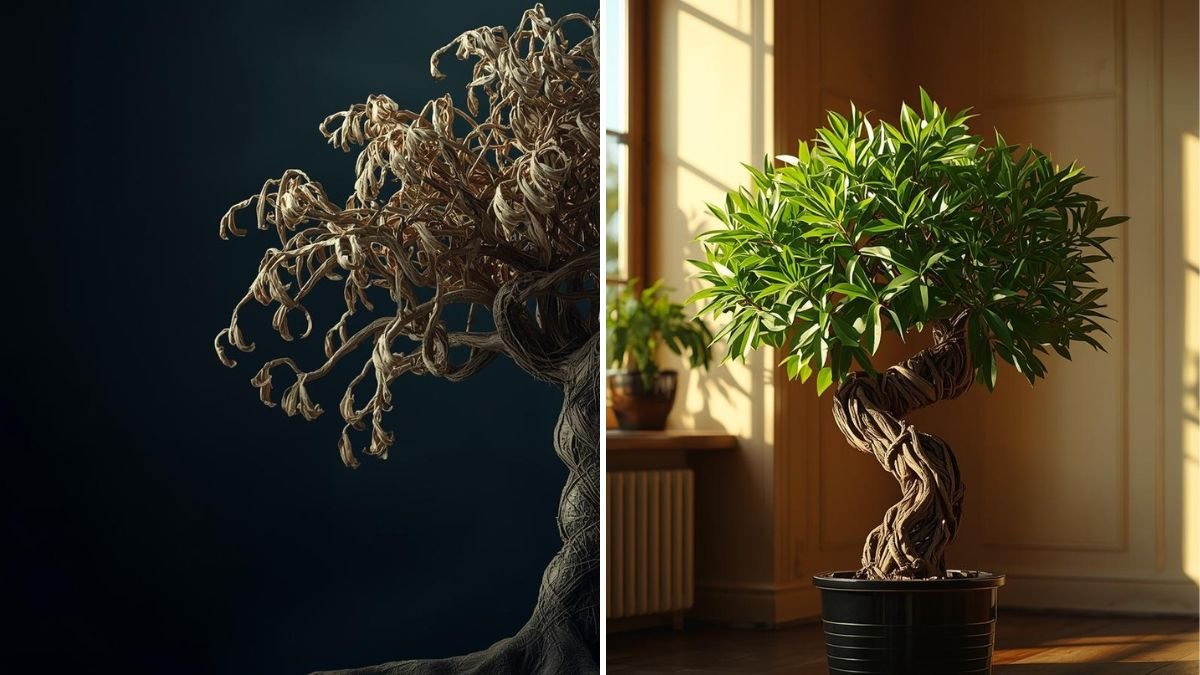
Money trees, scientifically known as Pachira aquatica, are popular indoor plants believed to bring good luck and prosperity. Their braided trunks and lush green leaves make them aesthetically appealing. Beyond symbolism, money trees are easy to care for and purify indoor air. Understanding proper care routines ensures both health and longevity. Placement, watering, and pruning influence growth and vigor. Correct care enhances their symbolic value. Indoor environments benefit from visual and psychological effects. This guide provides beginner-friendly instructions for nurturing money trees.
Understanding Money Tree Growth Habits
Money trees grow upright with thick, braided trunks. Leaves are palmate and glossy, capable of storing water. Growth slows in cooler months and accelerates with sunlight. Understanding natural growth patterns helps in pruning and placement. Money trees are tolerant of occasional neglect but thrive under regular care. Roots are sensitive to overwatering. Awareness of habits guides beginners. Healthy growth ensures aesthetic appeal and symbolism.
Choosing the Right Location
Placement affects growth and symbolism. Bright, indirect sunlight is ideal. Avoid direct sunlight that can scorch leaves. Indoor humidity supports lush foliage. Low light slows growth but does not kill the plant. Positioning near windows or bright rooms is beneficial. Avoid drafts or extreme temperature changes. Proper placement enhances both health and appearance.
Watering Requirements
Money trees prefer moderate watering. Soil should dry slightly between waterings. Overwatering leads to root rot. Water deeply but infrequently. Reduce watering in winter. Ensure pots have drainage holes. Observe leaf condition for hydration cues. Proper watering promotes strong growth and vibrant leaves.
Soil and Potting Needs
Well-draining soil is essential. A mix of peat, sand, and perlite works well. Pot size should accommodate root growth. Re-pot every two to three years. Avoid heavy clay soils. Soil pH should be neutral to slightly acidic. Proper soil prevents waterlogging. Correct potting supports overall health.
Fertilization for Healthy Growth
Feed money trees during growing season with balanced fertilizer. Use liquid or slow-release fertilizers. Avoid over-fertilization. Fertilizer encourages leaf growth and strong trunk development. Reduce feeding in dormant months. Organic options support long-term soil health. Proper nutrition enhances vitality. Fertilization complements watering and sunlight.
Pruning and Shaping the Tree
Prune dead or damaged leaves regularly. Shaping encourages fuller foliage. Trim the top to control height. Pruning promotes branching and bushiness. Remove yellowing leaves promptly. Pruning improves appearance and air circulation. Tools should be clean to prevent disease. Proper pruning maintains aesthetic appeal.
Light Exposure and Seasonal Adjustments
Money trees prefer bright, indirect light. Rotate plant periodically for uniform growth. Adjust light exposure seasonally. Supplement with artificial light if needed. Avoid prolonged darkness. Monitoring sunlight ensures consistent leaf color. Light management affects growth rate. Seasonal adjustments optimize health.
Humidity and Temperature Requirements
Moderate humidity benefits money trees. Misting leaves occasionally helps. Avoid dry air from heaters or air conditioners. Optimal temperature range is 65-80°F. Extreme temperatures stunt growth. Protect from frost during winter. Consistent indoor climate ensures stability. Temperature and humidity directly affect plant vigor.
Common Pests and How to Handle Them
Money trees are susceptible to spider mites, scale, and mealybugs. Inspect leaves regularly. Wipe leaves with damp cloth or mild soap solution. Avoid chemical sprays indoors. Quarantine new plants before introducing them. Proper care prevents infestations. Early intervention protects health. Pest management ensures lush foliage.
Propagation Techniques
Money trees can be propagated from stem cuttings. Cut healthy stems and root in water or soil. Ensure proper humidity and light. Transplant when roots are strong. Propagation allows expansion and gifting. Healthy cuttings become mature plants. Propagation enhances plant availability. Proper technique ensures success.
Signs of Overwatering
Yellowing leaves, soft stems, and root rot indicate overwatering. Soil that remains wet is a risk factor. Adjust watering schedule accordingly. Remove damaged roots if necessary. Ensure proper drainage. Overwatering reduces symbolic and physical value. Awareness prevents irreversible damage. Timely action restores health.
Signs of Underwatering
Dry, curling leaves signal underwatering. Soil pulling away from pot edges is another clue. Increase water gradually. Avoid sudden heavy watering. Consistent monitoring is key. Proper hydration restores vitality. Leaves regain firm texture. Correct timing ensures robust growth.
Air Quality and Its Impact
Money trees improve indoor air quality by filtering pollutants. Poor air circulation can affect health. Avoid placing near smoke or chemicals. Adequate ventilation supports leaf color and vigor. Air quality impacts overall growth rate. Regular leaf cleaning improves photosynthesis. Environmental awareness enhances care. Clean surroundings promote health.
Table Money Tree Care Guide
Requirement light water soil temperature humidity fertilizer Optimal bright indirect moderate well-draining 65-80°F moderate balanced
Tips for Indoor Placement and Aesthetic Appeal
Position in living rooms, offices, or near windows. Rotate periodically for even growth. Use decorative pots to complement décor. Avoid cluttered areas. Consider Feng Shui placement for luck. Pair with other indoor plants. Strategic placement enhances indoor beauty. Aesthetic integration boosts appeal.
Long-Term Care and Maintenance
Regular pruning, watering, and fertilization sustain growth. Inspect for pests routinely. Re-pot as needed for root expansion. Monitor seasonal changes. Rotate plant for balanced light exposure. Adjust humidity during dry months. Long-term care ensures full potential. Consistent attention maintains health.
Conclusion: Achieving Healthy Growth and Prosperity
Caring for a money tree requires understanding light, water, soil, and seasonal needs. Proper placement, pruning, and feeding promote robust growth. Healthy plants maintain their aesthetic and symbolic value. Beginners can confidently manage money trees with consistent observation. Balancing environmental factors ensures longevity. With care, money trees bring both greenery and positive energy. Knowledgeable maintenance supports prosperity and well-being. A thriving money tree is a testament to attentive care.