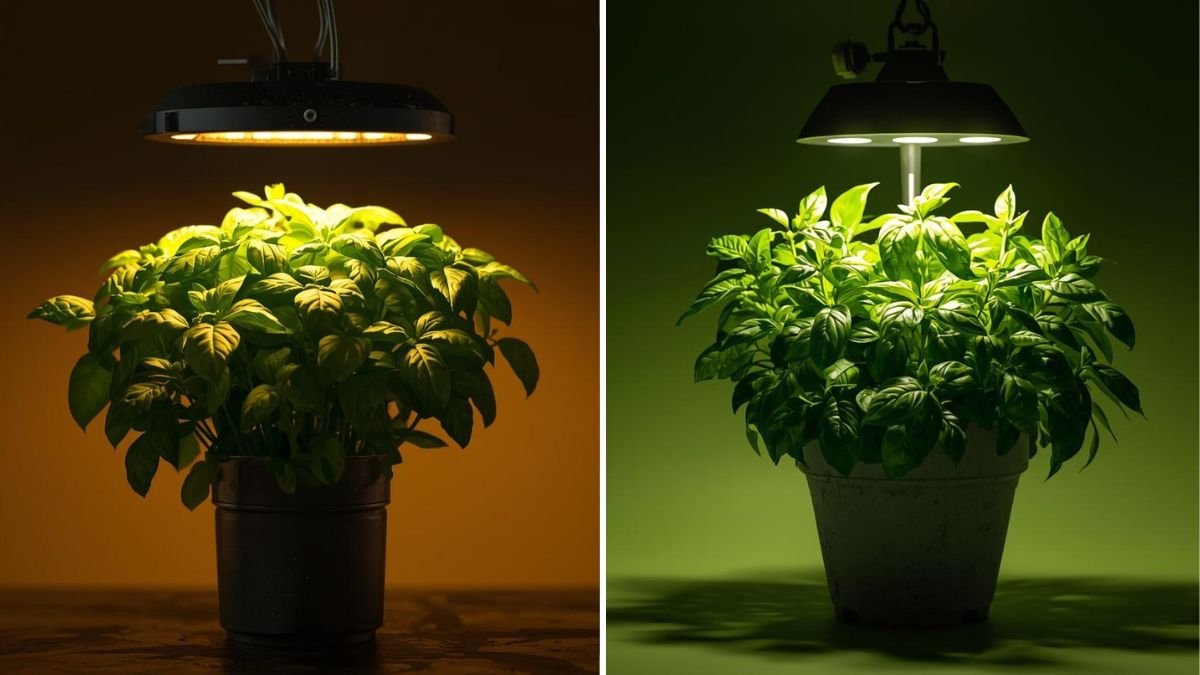
Basil is one of the most versatile herbs, ideal for cooking, teas, and natural remedies. Growing basil indoors allows year-round access, even in apartments or small spaces. Indoor cultivation prevents pests, protects from harsh weather, and ensures fresh leaves on demand. Proper techniques make even compact spaces productive. Lighting, watering, container choice, and pruning determine success. This guide details methods for indoor growth, including space optimization, soil selection, and harvesting strategies. With the right approach, anyone can enjoy lush basil indoors regardless of climate or garden size.
Paragraph 1: Understanding Basil Growth Requirements
Basil requires bright light, warmth, and well-draining soil. It grows best at temperatures between 20 and 30 degrees Celsius. Adequate sunlight or grow lights are essential indoors. Containers should allow for drainage. Regular pruning encourages bushy growth. Fertilization supports continuous leaf production. Moisture control prevents root rot. Understanding these requirements is the first step to successful indoor cultivation.
Paragraph 2: Choosing the Right Basil Varieties for Indoors
Compact basil varieties suit indoor growth. Varieties such as Genovese, Greek Mini, and Spicy Globe are ideal. Dwarf varieties save space and remain productive. Select varieties with high leaf yield and strong flavor. Consider leaf texture and color for aesthetic appeal. Some varieties are more heat-tolerant. Choose based on container size and lighting availability. Variety selection ensures maximum efficiency.
Paragraph 3: Selecting the Perfect Indoor Containers
Containers should have drainage holes to prevent waterlogging. Clay pots allow airflow and prevent excess moisture. Plastic containers retain water longer, suitable for dry indoor air. Vertical planters optimize limited space. Hanging pots provide aesthetic appeal. Pot size influences root development. Deeper pots encourage strong growth. Container choice directly affects plant health.
Paragraph 4: Choosing the Right Soil for Indoor Basil
Well-draining soil prevents root rot and supports aeration. A mix of potting soil and perlite works well. Organic compost adds nutrients. Avoid heavy garden soil indoors. Soil pH should be slightly acidic to neutral. Good soil structure retains moisture without saturation. Fertility ensures continuous leaf production. Proper soil maximizes indoor growth potential.
Paragraph 5: Providing Adequate Lighting Indoors
Basil requires 6–8 hours of light daily. South-facing windows provide natural light. Grow lights supplement insufficient sunlight. LED or fluorescent lights mimic the sun’s spectrum. Light intensity affects growth speed and leaf size. Rotate containers to ensure even exposure. Insufficient light causes leggy stems. Proper lighting is essential year-round.
Paragraph 6: Watering Indoor Basil Properly
Water when the top inch of soil is dry. Avoid overwatering to prevent root rot. Consistent watering supports steady growth. Use a watering can with a narrow spout. Avoid wetting leaves directly. Monitor humidity and indoor temperature. Adjust frequency seasonally. Proper watering ensures vibrant leaves.
Paragraph 7: Indoor Temperature and Humidity Management
Maintain indoor temperature between 20 and 30 degrees Celsius. Avoid cold drafts or air conditioning vents. Indoor humidity between 40–60 percent is ideal. Low humidity slows growth; high humidity encourages fungal disease. Misting is optional but helpful. Consistent environment reduces stress. Temperature stability promotes year-round growth. Indoor climate control is crucial.
Paragraph 8: Fertilizing Indoor Basil for Continuous Growth
Use balanced liquid fertilizer every 4–6 weeks. Avoid over-fertilization to maintain flavor. Organic fertilizers like compost tea are suitable. Fertilization supports leaf growth and aroma. Supplement with slow-release fertilizer for long-term feeding. Feeding encourages bushy plants. Correct nutrient balance prevents yellowing. Fertilizer timing improves productivity.
Paragraph 9: Pruning and Harvesting Indoors
Pinch top leaves regularly to encourage branching. Harvest leaves when the plant reaches six inches. Avoid removing more than one-third at a time. Remove flower buds to prolong leaf production. Pruning stimulates dense foliage. Regular cutting prevents legginess. Harvested leaves remain flavorful. Indoor pruning ensures continuous supply.
Paragraph 10: Managing Pests Indoors
Indoor basil is less prone to pests but can attract aphids or spider mites. Inspect leaves regularly. Use neem oil or insecticidal soap if necessary. Avoid chemical sprays near edible plants. Keep air circulation strong. Quarantine new plants to prevent infestations. Healthy plants resist pests naturally. Prevention is key.
Paragraph 11: Table – Indoor Basil Growth Requirements
| Factor | Requirement | Notes |
|---|---|---|
| Light | 6–8 hours | Window or grow light |
| Temperature | 20–30°C | Avoid drafts |
| Soil | Well-draining | Potting + perlite |
| Water | When top inch is dry | Avoid wet leaves |
Paragraph 12: Table – Best Indoor Basil Varieties
| Variety | Characteristics | Ideal Use |
|---|---|---|
| Genovese | Large leaves, strong aroma | Pesto, cooking |
| Greek Mini | Compact, flavorful | Small pots, salads |
| Spicy Globe | Dwarf, dense | Decorative, culinary |
| Lemon Basil | Citrus flavor | Teas, recipes |
Paragraph 13: Vertical and Small-Space Solutions
Use shelves, vertical planters, or hanging baskets. Maximize light exposure by rotating plants. Small-space setups allow multiple plants. Vertical solutions save floor space. Containers at different heights improve airflow. Layering plants improves yield. Efficient space management supports year-round growth. Creativity enhances productivity.
Paragraph 14: Companion Planting Indoors
Basil grows well with tomatoes, peppers, or marigolds indoors. Companion plants improve growth and deter pests. Avoid overcrowding. Balanced spacing ensures light penetration. Companion planting increases biodiversity indoors. Aesthetic appeal improves. Strategic planting benefits overall health. Indoor gardens thrive with thoughtful arrangement.
Paragraph 15: Extending Harvest Year-Round
Rotate harvesting by plant sections. Indoor lighting ensures continuous growth. Regular pruning prevents flowering. Monitor temperature and humidity. Replant or propagate cuttings as needed. Supplement with liquid fertilizer. Care consistency maintains supply. Indoor basil can produce leaves throughout the year.
Paragraph 16: Propagating Basil Indoors
Use stem cuttings for propagation. Place in water until roots develop. Transplant rooted cuttings into soil. Propagation ensures supply without buying seeds. Healthy mother plants provide high-quality cuttings. Rooted cuttings grow quickly indoors. Propagation is cost-effective. Year-round indoor growth is achievable.
Paragraph 17: Indoor Soil Maintenance
Replace topsoil annually. Check for compaction. Add compost for nutrients. Avoid mold growth. Monitor pH levels. Maintain soil structure for roots. Healthy soil boosts plant resilience. Regular maintenance ensures productive plants.
Paragraph 18: Managing Flowering Indoors
Pinch off flower buds immediately. Flowering reduces leaf yield. Prevent legginess with proper pruning. Flower removal redirects energy to foliage. Indoor conditions favor leaf retention. Regular monitoring prevents unwanted blooms. Flowers can be decorative but reduce harvest. Continuous leaf production depends on management.
Paragraph 19: Harvesting Tips for Maximum Flavor
Harvest leaves in the morning for highest aroma. Select tender, vibrant leaves. Avoid cutting brown or damaged leaves. Lightly rinse before use. Proper handling maintains oils and taste. Frequent harvesting keeps plants producing. Flavor intensity improves with repeated pruning. Culinary quality is maximized.
Paragraph 20: Final Thoughts on Growing Indoor Basil Year-Round
Indoor basil cultivation is possible even in small spaces with proper light, soil, watering, and pruning. Variety selection and container choice are key. Regular harvesting ensures bushy growth. Climate control, pest management, and fertilization enhance productivity. Vertical solutions maximize space. Indoor basil delivers fresh, flavorful leaves year-round. Consistency and attention produce abundant harvests. Small-space gardeners can enjoy thriving, aromatic basil every season.