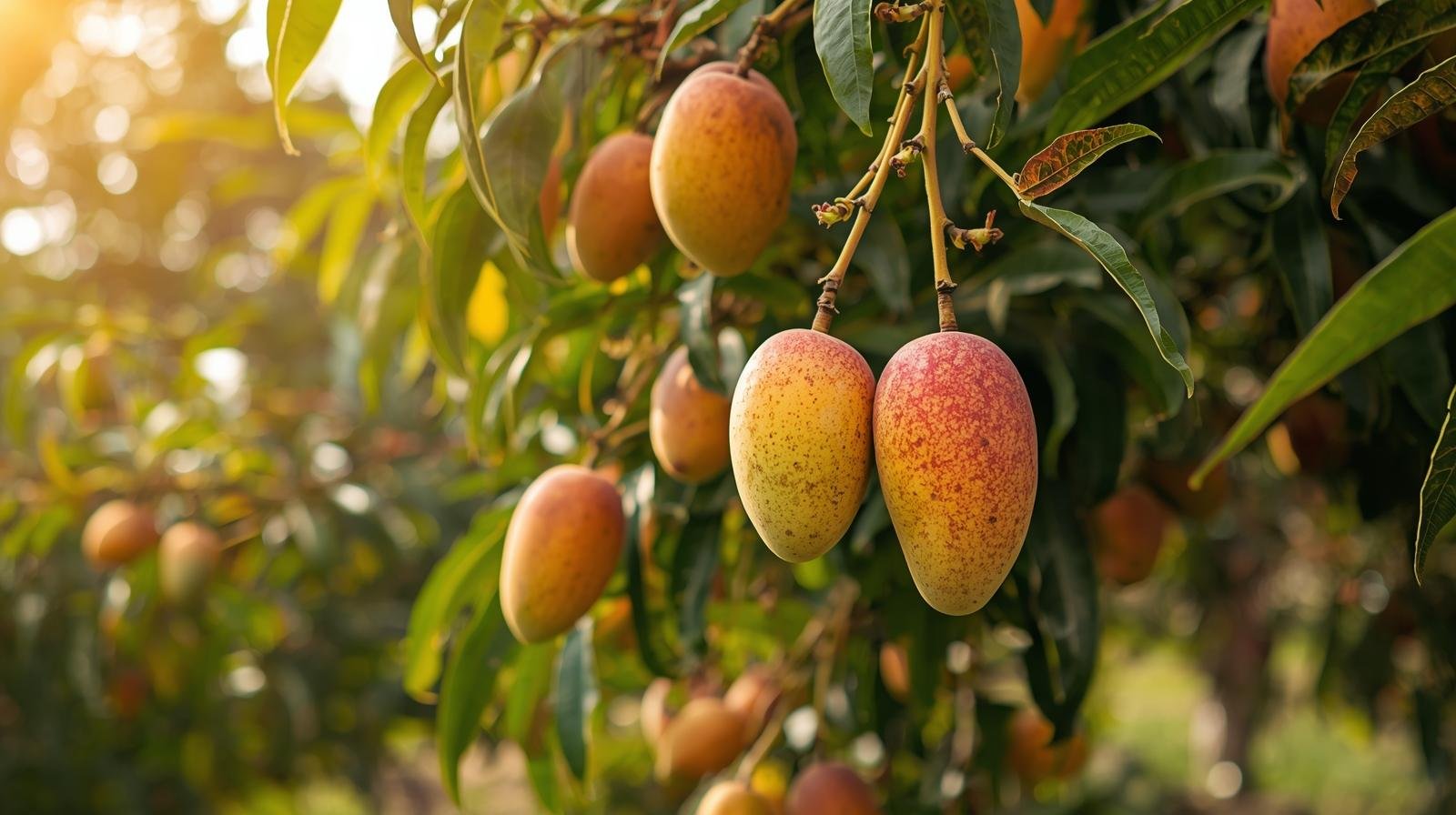
Mango trees producing fruits of different kinds often attract attention and curiosity. This phenomenon usually occurs due to grafting multiple varieties onto a single rootstock. Such trees offer diversity in taste, size, and harvest time. This article explains how mango trees can bear different types of fruits and how gardeners can successfully manage them.
Understanding Mango Grafting Principles
Grafting allows multiple mango varieties to grow on a single tree.
Why Grow Multiple Mango Types on One Tree
It saves space and provides a longer harvest season.
Selecting Compatible Mango Varieties
Varieties with similar growth habits perform better together.
Rootstock Selection Importance
Strong rootstock supports multiple scions effectively.
Grafting Methods Used in Mango
Veneer and softwood grafting are commonly used techniques.
Managing Growth Balance
Regular pruning ensures no single variety dominates.
Nutrient Management for Mixed Trees
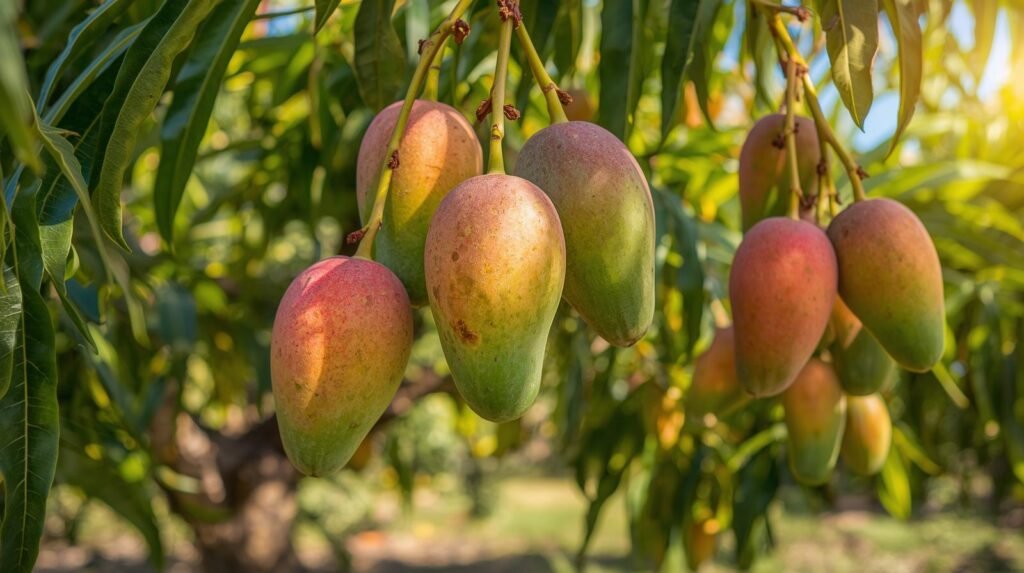
Balanced nutrition supports uniform growth of all grafts.
Flowering and Fruiting Differences
Different varieties flower and fruit at slightly different times.
Pest and Disease Management
Monitoring all grafts prevents localized infestations.
Harvesting Multiple Mango Types
Harvest fruits separately based on maturity.
Advantages for Home Gardeners
One tree provides variety without needing multiple trees.
Common Challenges and Solutions
Uneven growth can be corrected with pruning.
Long-Term Care of Multi-Grafted Trees
Consistent care ensures long-term productivity.
Myths About Mixed Fruit Trees
Mixed fruits result from grafting, not natural fusion.
Quick Reference Table
| Feature | Benefit |
| Multiple Varieties | Diverse harvest |
| Space Saving | High |
| Care Level | Moderate |
| Harvest Season | Extended |
| Visual Appeal | Attractive |