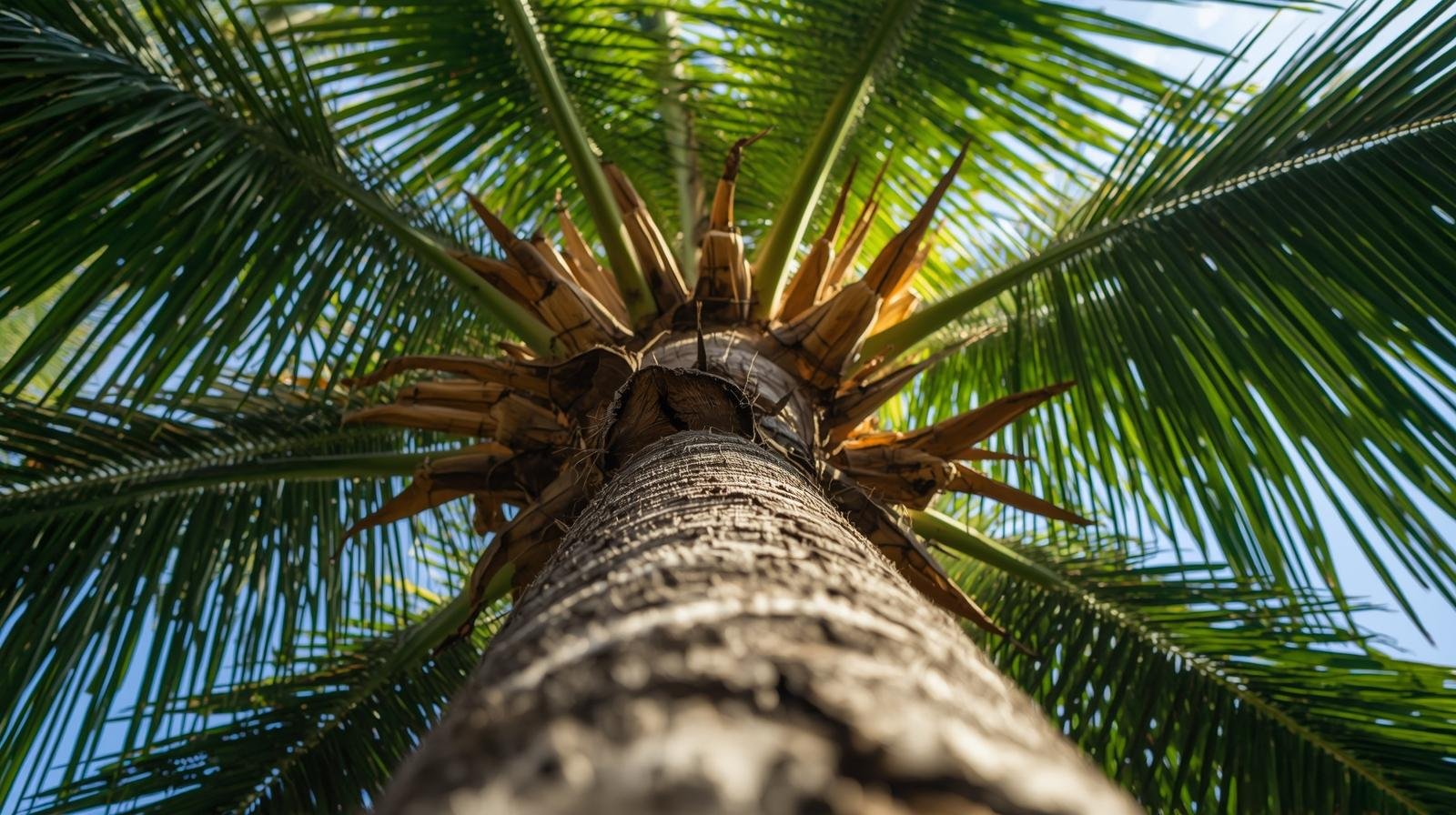
Occasionally, gardeners encounter coconut trees that appear to split into multiple trunks, creating curiosity and confusion. Coconut palms normally grow with a single trunk, but unusual growth patterns can occur due to environmental factors, damage, or genetic variation. This article explains why coconut trees may split, whether it affects productivity, and how to manage such trees properly.
Normal Growth Pattern of Coconut Trees
Coconut palms typically grow with a single, unbranched trunk throughout their lifespan.
What Causes Coconut Tree Splitting
Physical damage to the growing point or early developmental stress can cause abnormal growth.
Genetic and Environmental Factors
Rare genetic mutations or environmental stress may influence trunk formation.
Difference Between Splitting and Clumping Palms
Some palm species naturally grow in clumps, but coconut palms do not.
Impact on Tree Health and Stability
Split trunks may weaken structural strength if not managed carefully.
Effect on Flowering and Fruiting
Fruit production may remain normal if the growing point remains healthy.
Soil and Water Management
Proper soil drainage and watering reduce stress-related abnormalities.
Nutrient Management for Recovery
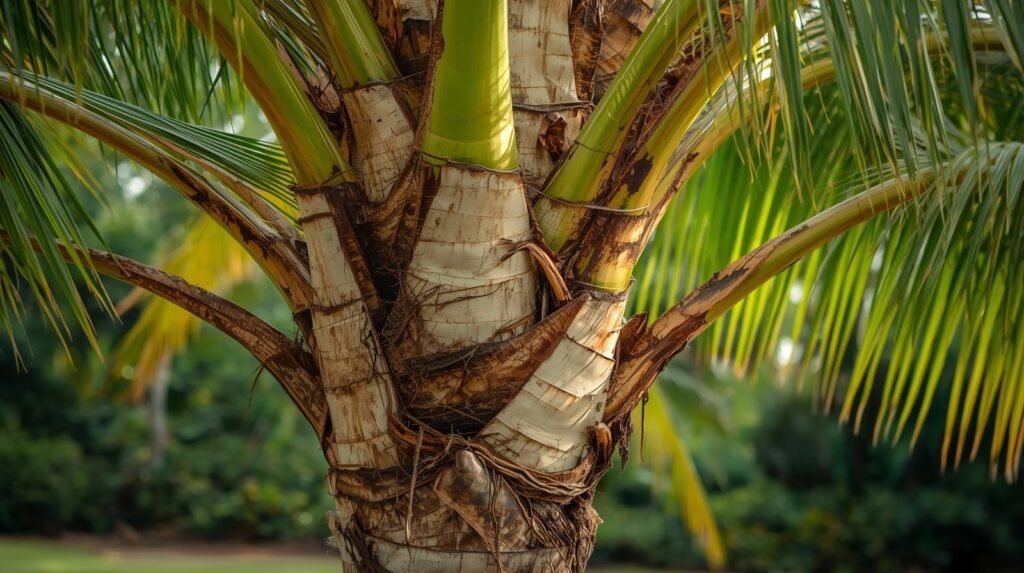
Balanced nutrition supports healthy leaf and trunk development.
Protecting the Growing Point
Avoid mechanical injury to the crown area of young palms.
Pest and Disease Considerations
Infections can damage the growing tip and affect trunk development.
Should Split Coconut Trees Be Removed
Most split trees can survive if they remain stable and healthy.
Supporting Structurally Weak Trees
Physical support may be needed for safety in high-wind areas.
Long-Term Monitoring and Care
Regular observation ensures early detection of problems.
Common Myths About Coconut Tree Splitting
Splitting does not mean the tree is producing multiple fruit types.
When to Seek Expert Advice
Severe splitting may require professional evaluation.
Quick Reference Table
| Aspect | Guidance |
| Normal Trunk | Single |
| Cause of Split | Stress or damage |
| Fruiting | Usually normal |
| Stability | Monitor |
| Action | Support if needed |