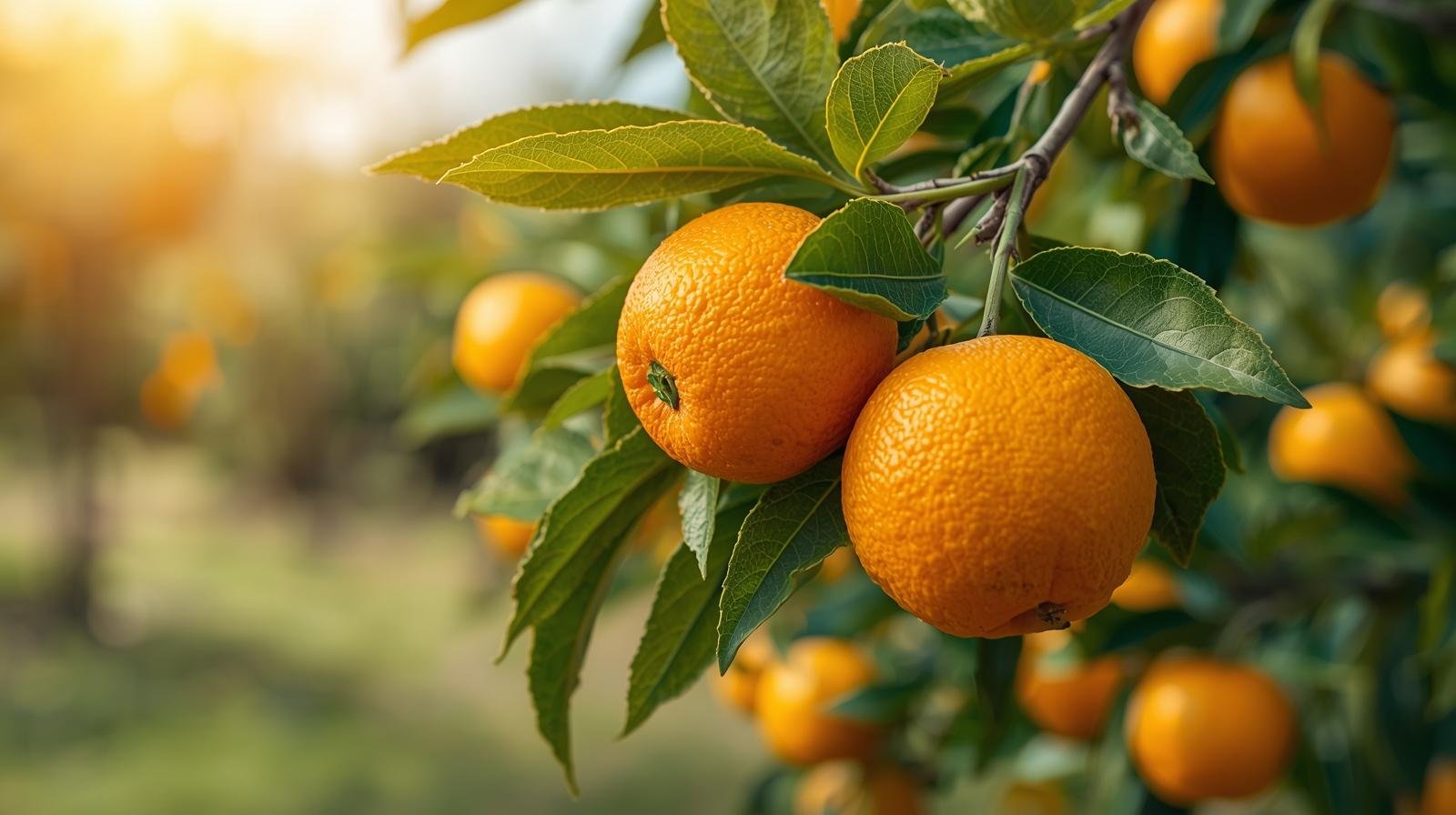
The phrase “orange tree apples fruit” often sparks curiosity among gardeners and fruit lovers. While oranges and apples are completely different fruits botanically, some orange varieties and growing conditions can produce round, firm fruits that resemble apples in shape, size, or texture. Understanding why this happens and how to grow high-quality orange fruits helps gardeners avoid confusion and improve orchard results. This article explains the science, myths, and practical cultivation methods related to apple-like fruits on orange trees.
Understanding Orange Tree Fruit Development
Orange trees belong to the citrus family and produce fruits through a well-defined flowering and fruiting cycle. Fruit shape and size are influenced by genetics and environmental conditions.
Why Some Oranges Look Like Apples
Certain orange varieties produce smaller, rounder fruits that resemble apples. Stress factors such as pruning, nutrition, and climate can also influence fruit appearance.
Difference Between Oranges and Apples
Oranges are citrus fruits with segmented pulp, while apples are pomes with a core structure. Visual similarity does not indicate genetic relation.
Choosing the Right Orange Variety
Selecting improved or local varieties suited to your climate ensures uniform fruit shape and better taste.
Climate and Temperature Requirements
Orange trees thrive in mild to warm climates with balanced humidity and good sunlight.
Soil Preparation for Better Fruit Quality
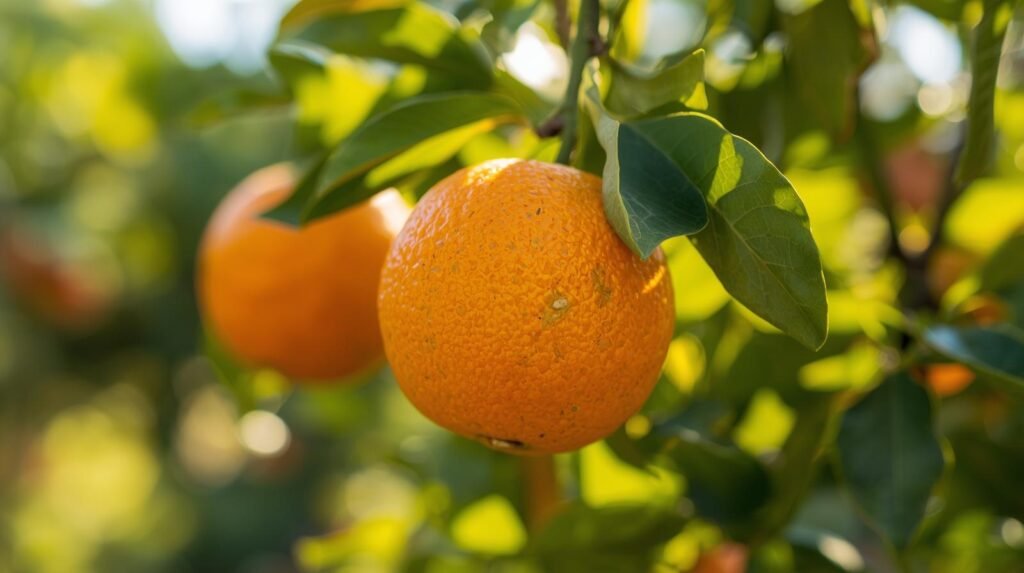
Well-draining, fertile soil rich in organic matter supports consistent fruit development.
Planting Orange Trees Correctly
Proper planting depth and spacing allow roots to spread and support healthy canopy growth.
Watering Practices and Fruit Shape
Consistent watering prevents irregular fruit growth and deformation.
Nutrient Management for Uniform Fruits
Balanced fertilization improves fruit size, color, and sweetness.
Pruning and Canopy Control
Correct pruning helps sunlight reach developing fruits, improving shape and quality.
Pest and Disease Prevention
Healthy trees produce better-shaped fruits when protected from pests and diseases.
Harvesting at the Right Stage
Harvest timing affects flavor, firmness, and storage life.
Common Myths About Mixed Fruits
Visual resemblance does not mean two fruits are combined naturally.
Improving Orange Fruit Quality Naturally
Good cultural practices result in attractive, market-quality oranges.
Quick Reference Table
| Aspect | Best Practice |
|---|---|
| Climate | Mild to warm |
| Soil | Well-draining |
| Watering | Regular |
| Pruning | Moderate |
| Fruit Shape | Uniform |