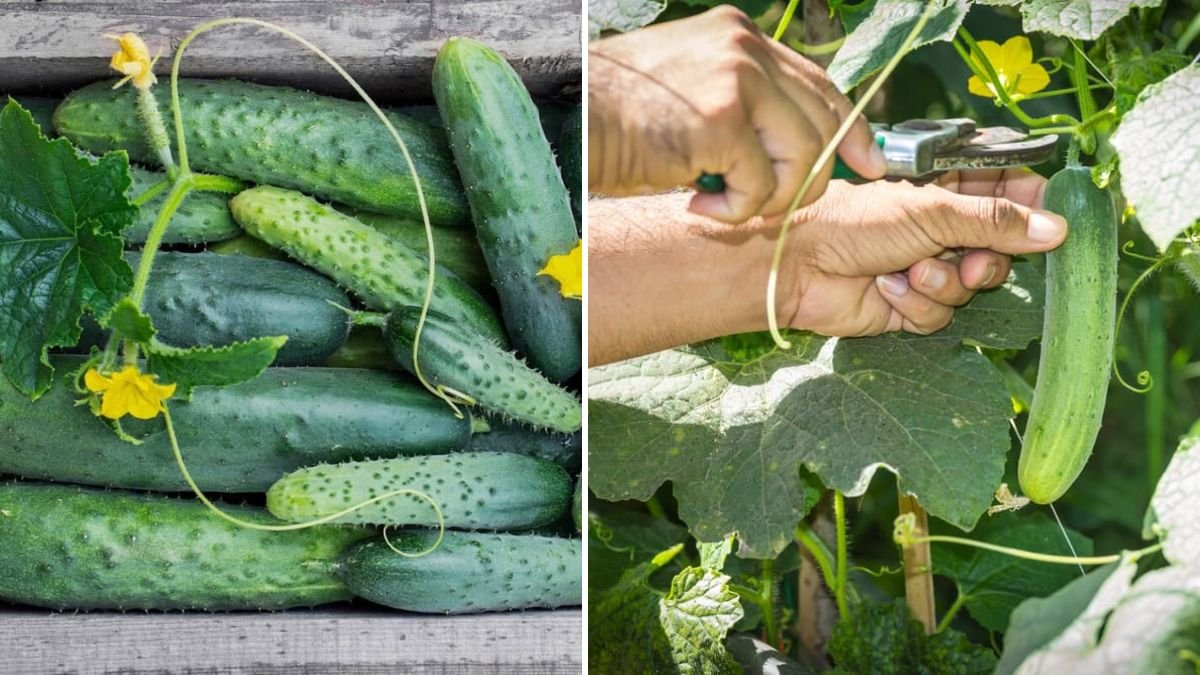
Cucumbers are a staple in gardens and kitchens worldwide, valued for their crisp texture, refreshing taste, and versatility in salads, pickles, and smoothies. While growing cucumbers has traditionally been straightforward, innovative techniques and modern gardening practices are transforming how home gardeners and farmers cultivate this versatile crop.
In this guide, we’ll explore a new way to grow cucumber that maximizes yield, improves fruit quality, and reduces common problems like pests, diseases, and poor growth. Whether you have a backyard garden, a balcony, or a larger farm, these methods can help you enjoy healthier, juicier, and more abundant cucumbers.
1. Why Cucumbers Benefit from a New Growing Approach
Traditional cucumber cultivation often faces challenges such as:
- Poor fruit development due to overcrowding
- Increased pest infestations, especially aphids and whiteflies
- Powdery mildew and fungal diseases
- Limited space for vine growth
- Uneven watering and nutrient deficiencies
By adopting a new way to grow cucumbers, gardeners can overcome these issues, resulting in higher yields, stronger plants, and superior fruit quality. The new approach focuses on vertical gardening, optimized spacing, nutrient management, and modern propagation techniques.
2. Choosing the Right Variety
The first step in this modern approach is selecting the best cucumber variety for your garden:
- Vining Cucumbers: These are ideal for vertical growth, producing long, crisp fruits.
- Bush or Compact Varieties: Suitable for container gardening or small spaces.
- Parthenocarpic Varieties: These produce fruit without pollination, reducing dependence on insects and improving yield.
- Disease-Resistant Varieties: Look for resistance to powdery mildew, mosaic virus, and downy mildew.
Pro Tip: Select a variety that matches your climate, space, and intended use (fresh consumption vs. pickling).
3. Seed Preparation and Germination
Healthy seedlings are the foundation of a strong cucumber harvest.
Steps for Seed Preparation:
- Select Quality Seeds: Use certified, disease-free seeds.
- Soak Seeds: Soak in water for 6–8 hours to speed up germination.
- Optional Pre-Germination: Place seeds between moist paper towels for 1–2 days to confirm sprouting.
Germination Tips:
- Sow seeds in seed trays or small pots with well-draining seed-starting mix.
- Maintain temperature around 22–28°C for faster germination.
- Keep soil moist but not waterlogged.
- Seeds typically germinate in 5–10 days.
Secret Advantage: Pre-germination ensures faster growth and higher seedling survival rates.
4. Planting and Modern Spacing Techniques
Unlike traditional cucumber planting, the new method emphasizes vertical growth and optimized spacing.
Vertical Gardening Setup:
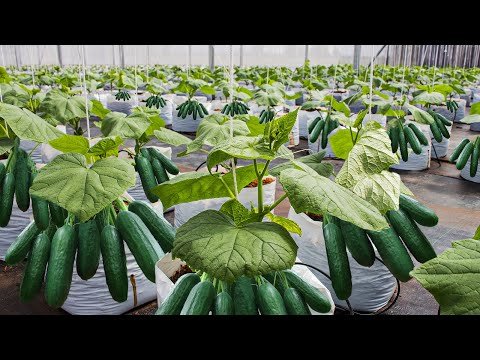
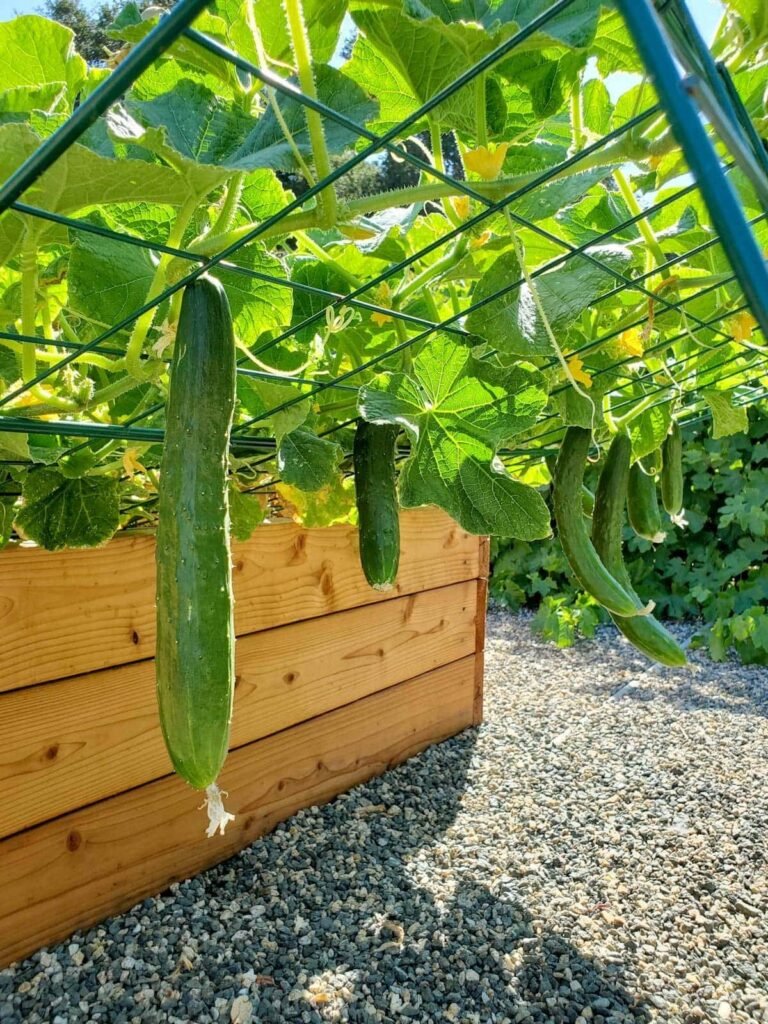
- Use trellises, fences, or netting to train cucumber vines upwards.
- Space plants 30–45 cm apart to allow adequate airflow and sunlight.
- Encourage vines to climb supports using soft ties or clips.
Container Gardening:
- For limited space, plant in large containers (at least 12–15 liters).
- Use trellises inside containers to train vines.
- Ensure containers have proper drainage holes.
Secret Advantage: Vertical growth reduces fungal infections, saves space, and produces longer, straighter cucumbers.
5. Soil and Fertilization Secrets
Cucumbers are heavy feeders, and soil fertility is crucial for strong growth.
Soil Requirements:
- Well-draining loamy soil with pH 6.0–7.0
- Rich in organic matter such as compost or well-rotted manure
Fertilization Tips:
- Apply a balanced NPK fertilizer: Nitrogen (N) for leaves, Phosphorus (P) for roots, Potassium (K) for fruiting.
- Supplement with liquid fertilizers like fish emulsion or seaweed extract every 2–3 weeks.
- Mulch around the base to conserve moisture and improve nutrient uptake.
Secret Advantage: Healthy, well-fed plants produce larger, juicier fruits and are more resistant to stress and pests.
6. Watering and Mulching Techniques
Cucumbers require consistent moisture for crisp, non-bitter fruits.
Watering Secrets:
- Water deeply 2–3 times a week, depending on climate.
- Avoid overhead watering to reduce fungal disease risk.
- Drip irrigation is ideal for efficient, consistent watering.
Mulching Secrets:
- Use straw, leaves, or plastic mulch around the base of plants.
- Conserves soil moisture, reduces weeds, and maintains even soil temperature.
- Organic mulches add nutrients as they decompose.
Secret Advantage: Proper watering and mulching result in steady growth, reduced stress, and high-quality cucumbers.
7. Pest and Disease Management
Even with vertical and modern growing techniques, cucumbers are prone to pests and diseases.
Common Pests:
- Aphids, whiteflies, cucumber beetles, and spider mites
Common Diseases:
- Powdery mildew, downy mildew, mosaic virus, and root rot
Management Tips:
- Use neem oil, insecticidal soap, or natural predators for pests.
- Rotate crops to prevent soil-borne diseases.
- Remove infected leaves immediately to prevent spread.
- Ensure proper spacing and airflow to reduce fungal infections.
Secret Advantage: Preventive care reduces losses and produces stronger, healthier vines.
8. Harvesting Secrets
Cucumbers taste best when harvested at the right size.
Harvesting Tips:
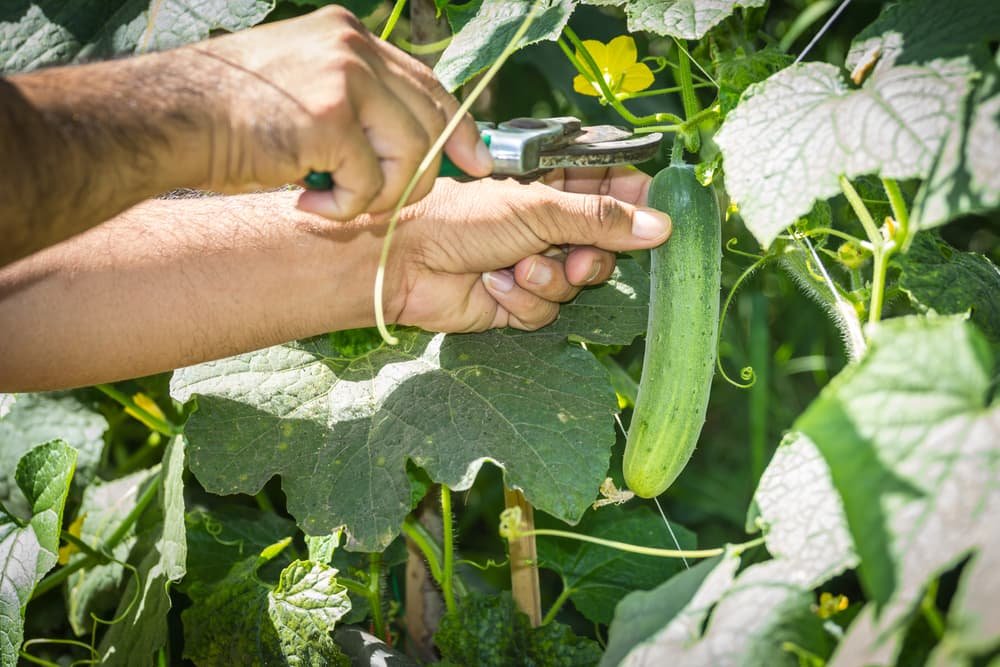
- Pick vining cucumbers 7–10 days after flowering, when they reach 15–25 cm in length.
- Harvest regularly to encourage continuous fruiting.
- Use clean scissors or pruners to avoid damaging vines.
Secret Advantage: Frequent harvesting boosts yield and encourages more flowers and fruits.
9. Innovative Growing Techniques
- Hydroponic Cucumber Gardening: Grow cucumbers in nutrient-rich water for faster growth and higher yields.
- Companion Planting: Plant cucumbers with radishes, beans, or marigolds to repel pests naturally.
- Intercropping: Plant cucumbers with taller crops like corn for partial shade and improved microclimate.
- Air Pruning in Containers: Place roots in fabric pots to encourage bushier growth and more fruits.
Secret Advantage: Combining modern methods maximizes yield, reduces chemical use, and improves fruit quality.
10. Benefits of This New Way to Grow Cucumbers
By adopting this modern approach, you can enjoy:
- Higher yield per plant
- Stronger, healthier vines with longer fruits
- Reduced pest and disease problems
- Efficient use of space, ideal for urban gardening
- Consistent, high-quality cucumber production
Conclusion: Transform Your Cucumber Garden
Cucumbers are a rewarding crop, and with a new way to grow them, you can enjoy a bountiful harvest of healthy, juicy fruits. By combining vertical gardening, proper soil preparation, optimized watering and fertilization, modern propagation, and pest management, even small spaces can yield an abundance of cucumbers.
Whether you are a beginner or an experienced gardener, implementing these modern techniques ensures strong plants, reduced losses, and delicious cucumbers for your kitchen or market. Start today, and watch your garden transform into a thriving cucumber paradise!