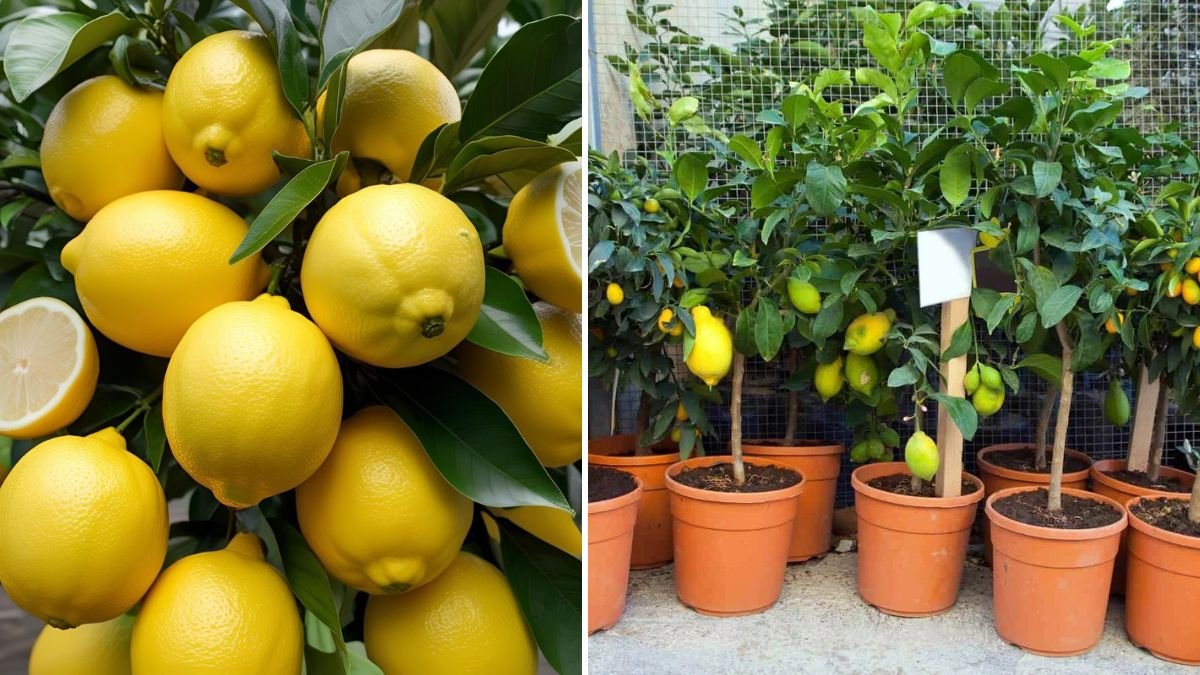
Growing your own lemon tree is one of the most rewarding gardening experiences you can enjoy—whether you have a spacious backyard or a small balcony. Lemon trees are surprisingly easy to grow, fast to establish, beautifully fragrant, and incredibly useful. From refreshing drinks to delicious dishes, having your own fresh lemons at home can transform your kitchen and elevate your gardening journey.
This comprehensive 1200-word guide will walk you through every step—from choosing the right variety to planting, caring, pruning, and protecting your lemon tree. Let’s begin your citrus adventure!
Why You Should Try Growing a Lemon Tree
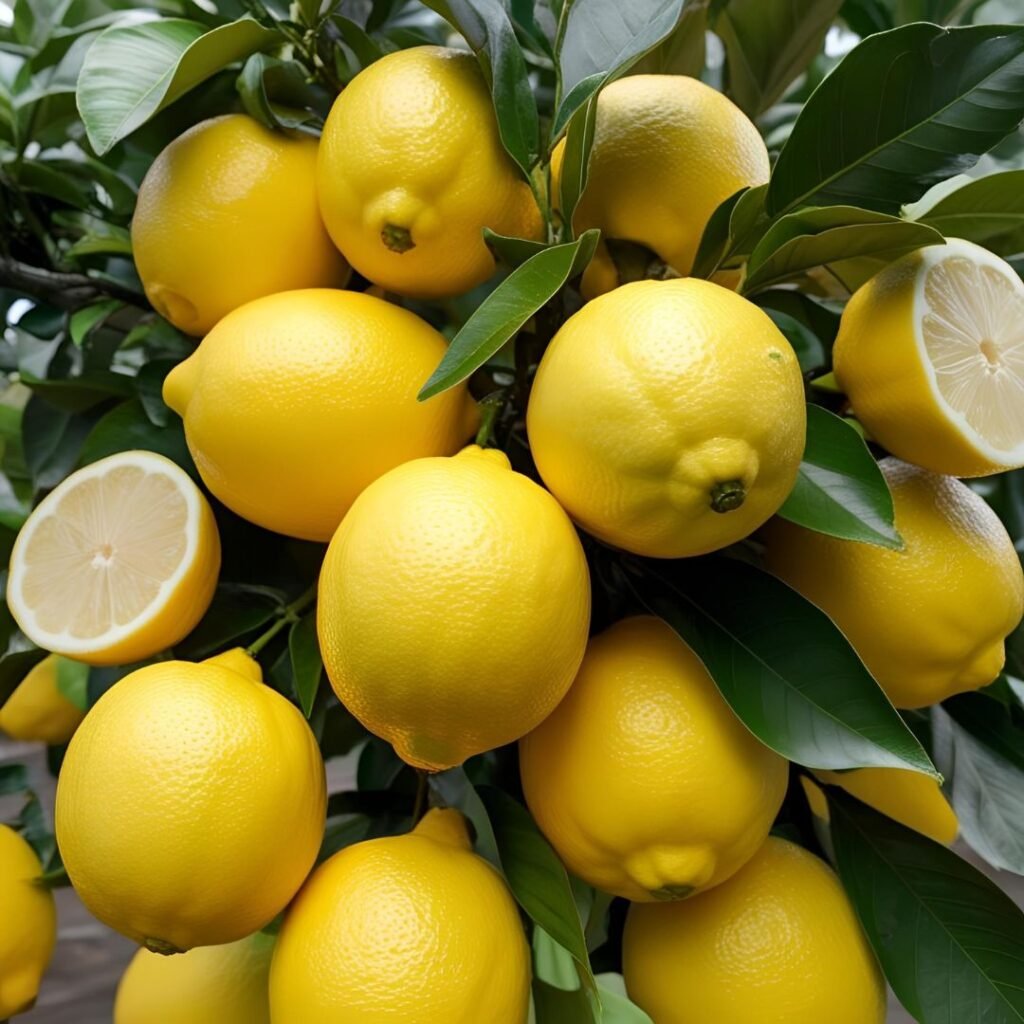
Lemon trees are loved worldwide because they are:
- Low-maintenance — Perfect for beginners
- Fast-growing — Produce fruits sooner than most fruit trees
- Container-friendly — Great for small spaces and balconies
- Fragrant — Their flowers add a lovely citrus aroma
- Productive — A healthy tree gives lemons year-round
Whether you want to grow lemons for health, beauty, or self-sufficiency, you’re making a great choice.
Choosing the Right Lemon Variety
Before you plant, select the best type for your climate and space:
1. Eureka Lemon
- Produces fruit year-round
- Minimal seeds
- Great for warm climates
2. Lisbon Lemon
- Hardy and drought-tolerant
- Produces abundant fruit
- Good for outdoor gardens
3. Meyer Lemon
- Sweeter, less acidic
- Compact and ideal for pots
- Cold-tolerant compared to other varieties
4. Ponderosa Lemon
- Extra large fruits
- Great ornamental plant
If you’re growing in a pot or cooler region, Meyer lemon is the best choice.
Planting Your Lemon Tree: Step-by-Step
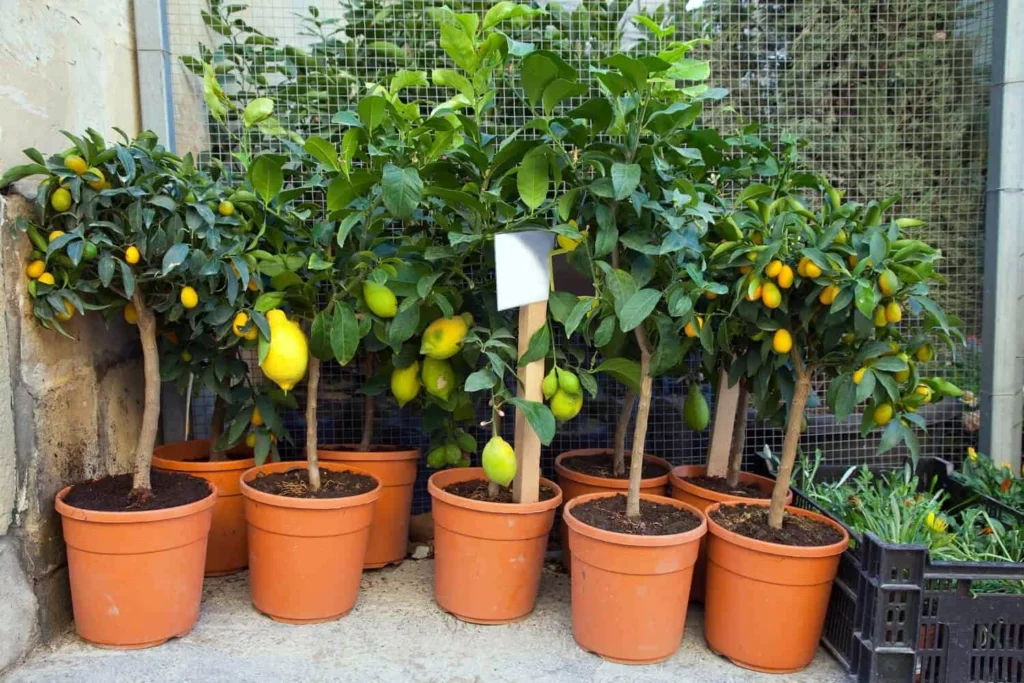
1. Choose the Right Location
Lemon trees love sunlight, and the more they get, the better they grow.
- Ensure 6–8 hours of direct sun daily
- Choose a warm, bright spot
- Avoid areas with strong wind
If indoors, place near a south-facing window.
2. Soil Requirements
Lemon trees thrive in loose, well-draining soil.
Best soil mixture:
- 40% garden soil
- 40% compost
- 20% sand or cocopeat
The soil should be slightly acidic, with a pH between 5.5 and 6.5.
3. Planting in the Ground
Dig a hole twice the width of the root ball but no deeper than its height.
Place your plant in the center, backfill with soil, and water deeply.
4. Planting in a Pot
Use a large pot (minimum 14–16 inches) with drainage holes.
Place stones/gravel at the bottom for better drainage, fill with soil mix, plant your lemon sapling, and water thoroughly.
Watering Your Lemon Tree the Right Way
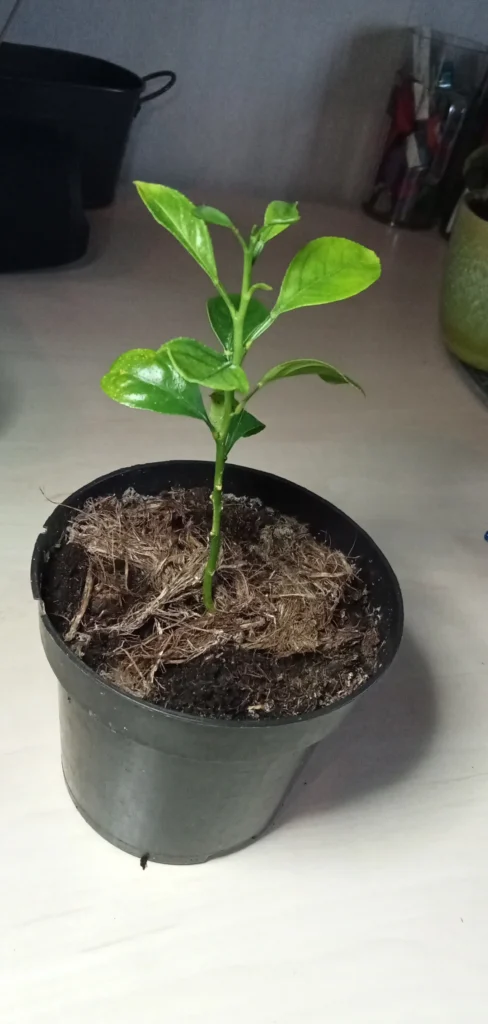
Lemon trees like moist but not waterlogged soil.
Watering schedule:
- Warm months: 2–3 times a week
- Cooler months: Once a week
- Indoor plants: When top 2 inches of soil is dry
Avoid overwatering—yellowing leaves are a common sign.
Feeding Your Lemon Tree
Lemons are heavy feeders, especially in pots.
Best fertilizers:
- Organic compost
- Cow dung manure
- Vermicompost
- Citrus-specific fertilizer
- NPK 6-3-3 (for stronger growth)
When to fertilize:
- Every 30–45 days
- Add Epsom salt every 2 months for magnesium
A well-fed lemon tree = more flowers + more fruit!
Helping Your Lemon Tree Flower & Fruit
To encourage fruiting:
1. Full sunlight
Flowering reduces drastically without proper sun.
2. Balanced nutrition
Add potash-rich fertilizer during fruiting season.
3. Pruning
Trim dry, overlapping, or weak branches to help energy focus on fruits.
4. Avoid wet soil
Too much water = fewer flowers.
Pruning and Shaping Your Lemon Tree
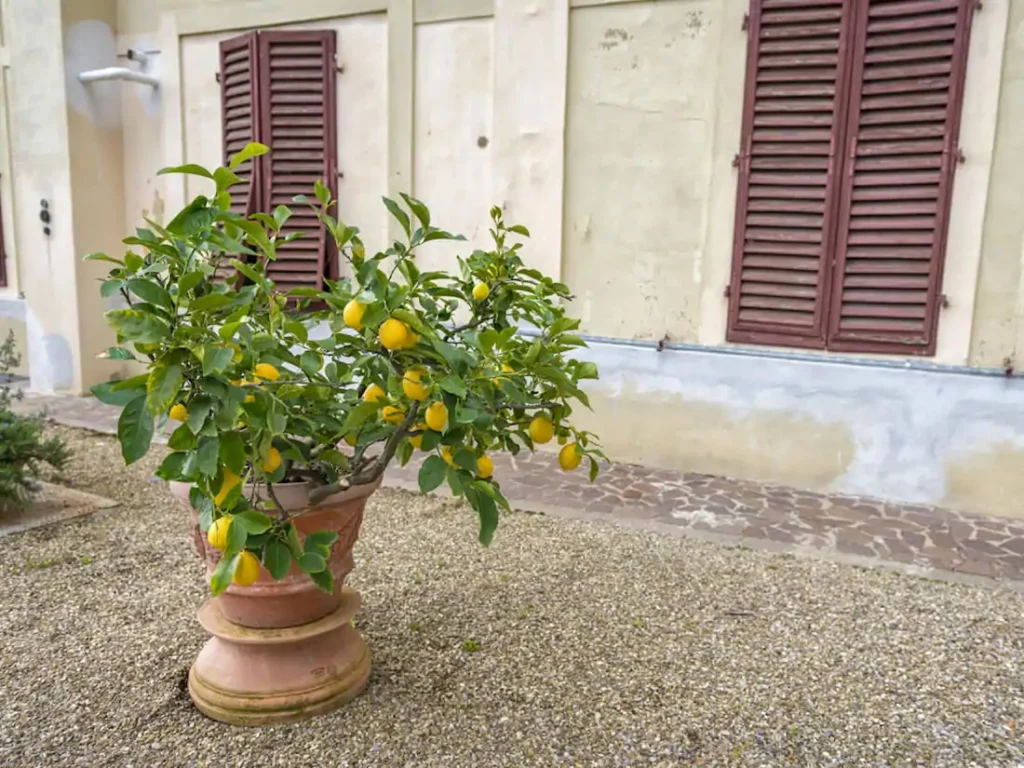
Pruning makes your tree healthier and more productive.
Prune during:
- Late winter
- Early spring
Remove:
- Dead branches
- Weak shoots
- Branches growing inward
This improves airflow and encourages strong new growth.
Common Pests & How to Treat Them
Lemon trees attract few pests but here’s how to handle them:
1. Aphids
Use neem oil spray every 7–10 days.
2. Leaf miners
Spray neem oil in the evening.
3. Mealybugs
Wipe with cotton dipped in soap solution.
4. Ants
Sprinkle turmeric powder around the base.
Healthy plants rarely get pests, so maintain good care.
Why Your Lemon Tree Isn’t Fruiting (Common Problems)
Problem 1: Lots of leaves, no flowers
Solution: Reduce nitrogen, increase potash, give more sunlight.
Problem 2: Yellow leaves
Solution: Improve drainage and add Epsom salt.
Problem 3: Fruit drops early
Solution: Water regularly and avoid sudden dryness.
Problem 4: Slow growth
Solution: Repot into a bigger container and fertilize.
Growing Lemon Trees Indoors
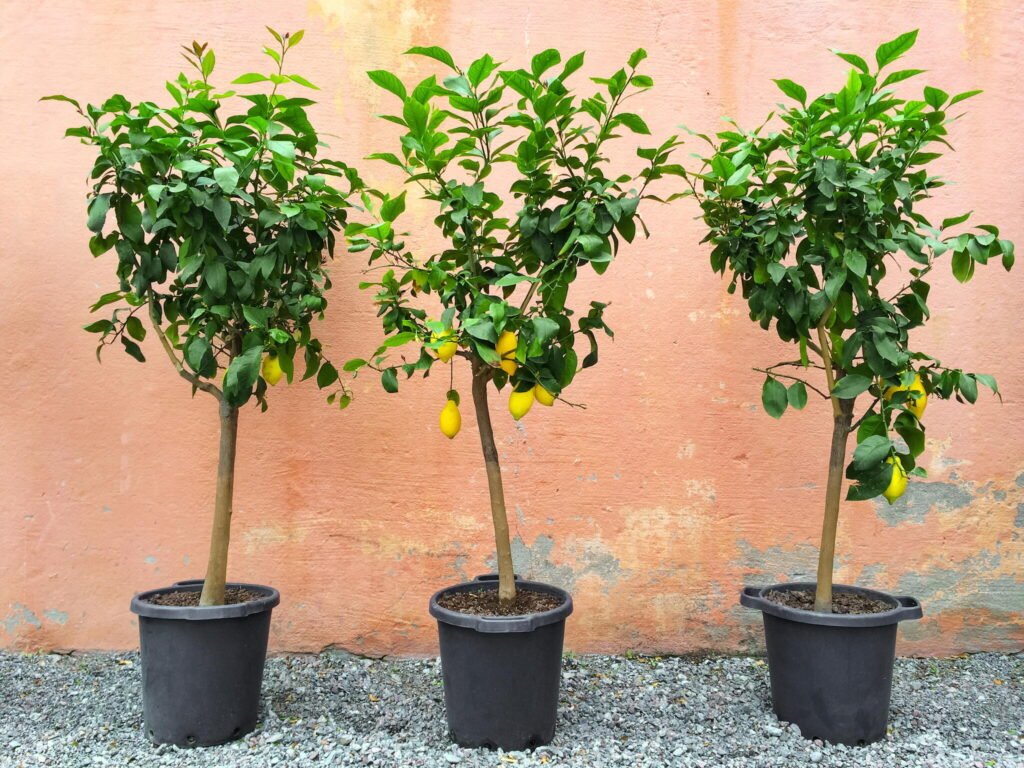
Yes, you can grow lemons inside your home!
Tips:
- Use a Meyer lemon variety
- Place near bright light
- Use grow lights if natural sunlight is low
- Rotate the plant weekly for even growth
Indoor lemon trees produce fragrant flowers that make your home feel fresher.
Harvesting Your Lemons
Lemons take 6–9 months to mature after flowering.
Signs a lemon is ready to harvest:
- Bright yellow color
- Glossy skin
- Firm but not hard
Twist gently or cut with scissors instead of pulling.
Final Thoughts: Start Your Lemon-Growing Journey Today
Trying to grow a lemon tree is one of the best gardening decisions you can make. It’s simple, rewarding, and suitable for every home. With proper sunlight, good soil, regular watering, and occasional pruning, your lemon tree will thrive and gift you fresh lemons throughout the year.
Whether you’re a beginner or an experienced gardener, lemon trees bring beauty, fragrance, shade, and delicious fruits right to your doorstep.
So don’t wait—start growing your own lemon tree today and enjoy the taste of homegrown freshness!