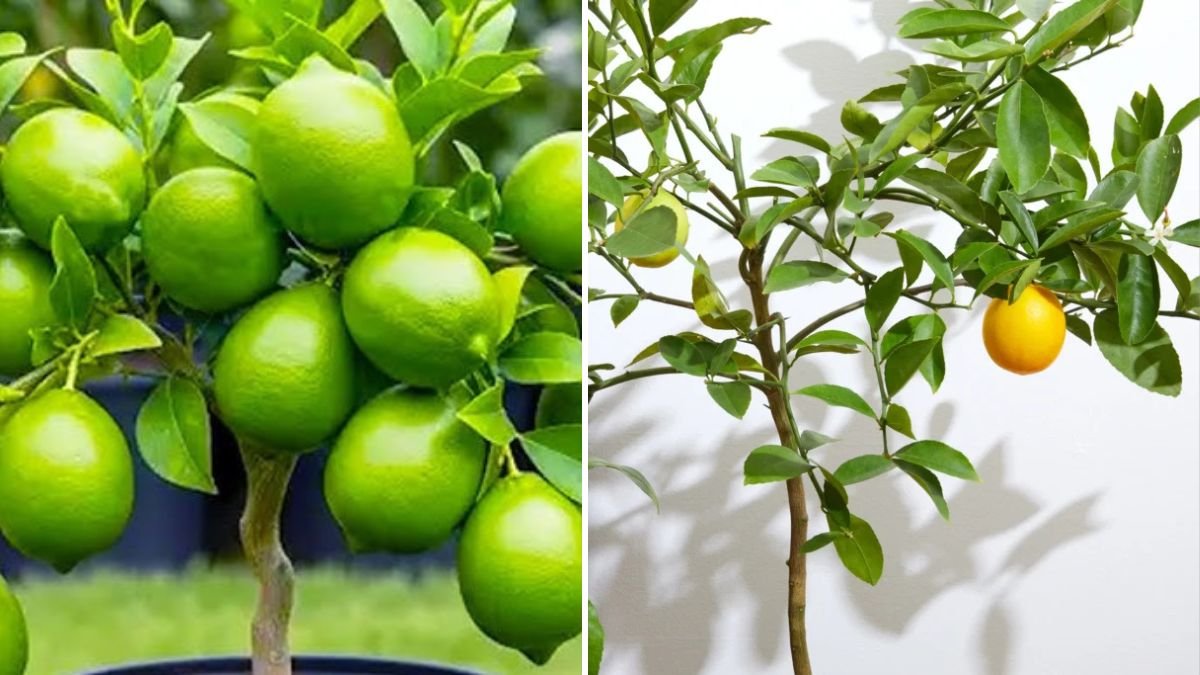
Lemon trees are among the most rewarding plants to grow at home. They provide fresh fruits, fragrant blossoms, and a charming green presence in any garden. But did you know you can grow unlimited lemon plants from a single tree—without spending a rupee?
The secret lies in propagating lemon stems. This method is easy, beginner-friendly, and produces healthy, true-to-type lemon plants. If you want fast results and high success rates, propagating from stems is one of the best techniques for expanding your citrus garden.
This detailed guide explains everything you need to know—from choosing the right stem to planting, caring, and ensuring strong root development.
Why Propagate Lemon from Stems?
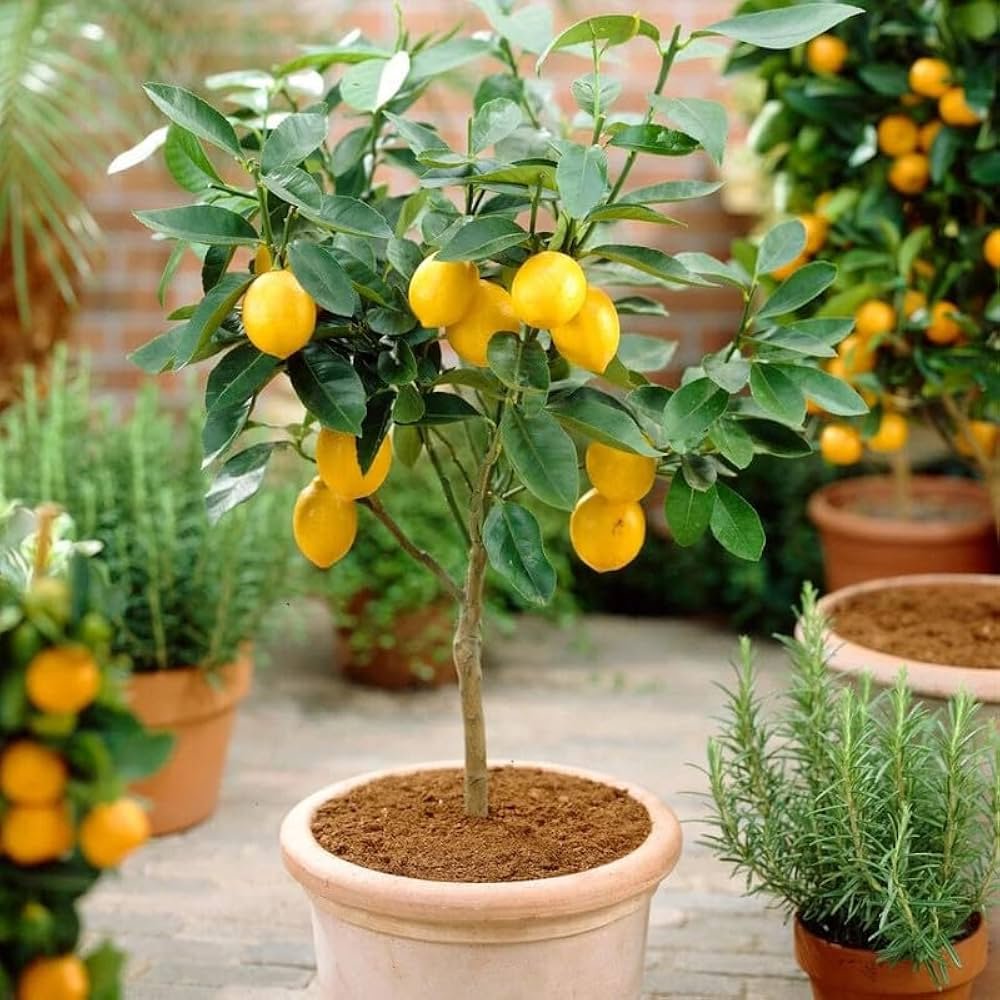
Propagating lemon trees from stems (also known as stem cuttings) is a popular technique for several reasons:
✔ 1. Fast Growth
Stem-propagated lemons grow faster than those grown from seeds.
✔ 2. True to Parent
The new plant will have the exact characteristics of the mother tree—same fruit size, taste, productivity, and disease resistance.
✔ 3. Budget Friendly
You can create multiple plants for free using just a few cuttings.
✔ 4. Beginner Friendly
Requires minimal tools and very little experience.
✔ 5. High Success Rate
With proper care, rooting success can reach 70–90%.
For home gardeners, this is one of the simplest and most satisfying methods to grow strong and healthy lemon trees.
Best Time to Propagate Lemon Stems
While lemon stems can be propagated anytime during the year, the ideal seasons are:
Monsoon (Best)
High humidity greatly improves root formation.
Spring
Stems are full of new growth, making rooting easier.
Avoid:
- Peak summer (too hot)
- Winter (low humidity and slow rooting)
If you choose the right season, your chances of success increase significantly.
Tools and Materials You Will Need
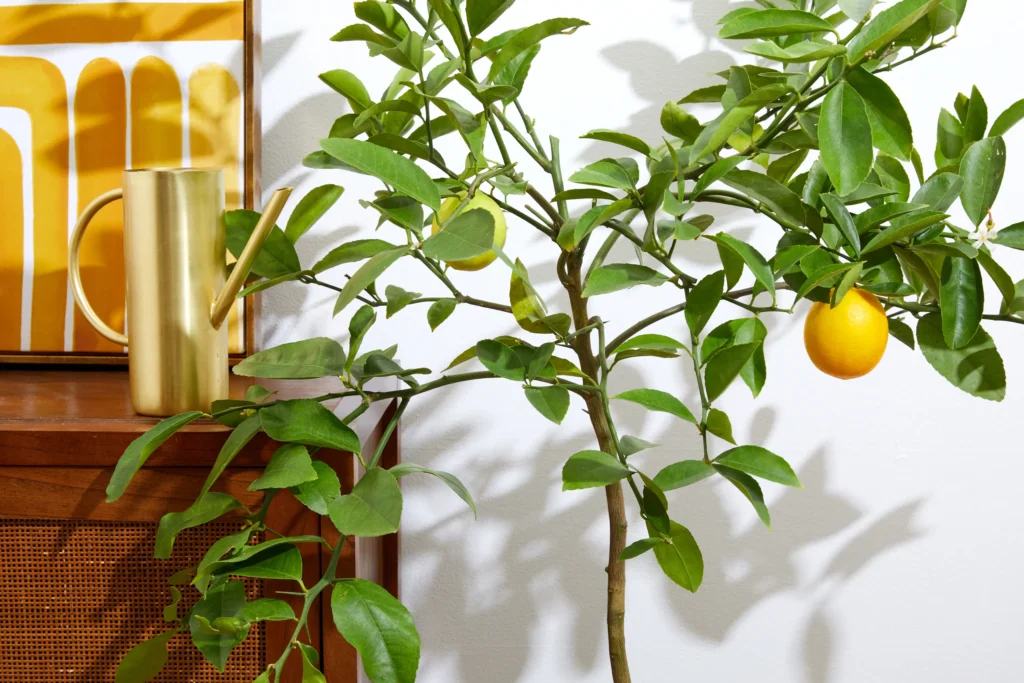
- Healthy parent lemon tree
- Sharp pruning shears or knife
- Rooting hormone or organic alternatives like honey
- Potting mix (coco peat + sand + compost)
- Small pot (6–8 inches)
- Spray bottle
- Transparent polythene bag (optional but helpful)
- Clean cloth and gloves
Always ensure your tools are clean to avoid infection.
Step-by-Step Process: How to Propagate Lemon from Stems
This is the heart of the process. Follow these steps carefully for strong, healthy roots.
Step 1: Choose the Right Parent Stem
Selecting the correct stem is the foundation of successful propagation.
Choose a stem that is:
- 6–8 inches long
- Semi-hardwood (neither too young nor too woody)
- Free from pests and diseases
- Not flowering or fruiting
- Has at least 4–6 nodes
Semi-hardwood stems root much better than soft green stems.
Step 2: Make a Clean Cut
Cut the stem just below a node at a 45° angle.
This exposes more surface area for rooting.
Remove all leaves from the bottom half of the cutting.
Leave 2–3 small leaves at the top to help photosynthesis.
Step 3: Apply Rooting Hormone (Optional but Highly Effective)
Dip the cut end in:
- Commercial rooting hormone
OR - Organic alternatives like honey, cinnamon, or aloe vera gel
These help prevent fungal infections and stimulate faster root growth.
🪴 Step 4: Prepare the Potting Medium
Lemon stems need a well-draining, airy, and moisture-retentive medium.
Best potting mix ratio:
- 40% coco peat
- 30% river sand
- 30% compost or garden soil
This combination promotes faster root development.
Step 5: Plant the Cutting
Insert the stem 2–3 inches deep into the moist soil.
Firm the soil gently around it so the stem stands upright.
Avoid pressing too hard, as it can damage the plant tissue.
Step 6: Create a Humid Environment
Humidity is the key to successful rooting.
You can do this in two ways:
Option A: Use a plastic bag
Cover the pot with a transparent polythene bag to create a mini greenhouse.
Option B: Place inside a propagator
If you have a propagation chamber, it works even better.
This traps moisture, prevents the stem from drying, and speeds up rooting.
Step 7: Provide Proper Light
Keep the pot in bright indirect sunlight.
Avoid harsh direct sunlight, which can dehydrate the cutting.
A shady corner of your balcony or terrace works perfectly.
Step 8: Watering
Mist the soil lightly with a spray bottle.
The soil should remain moist—not wet.
Overwatering can cause the stem to rot before rooting.
How Long Does It Take Lemon Stems to Root?
Under the right conditions, lemon stem cuttings take:
- 15–25 days to callus
- 30–45 days to develop roots
- 60–90 days to become strong young plants
You can test rooting by gently tugging the stem—if it resists, roots have formed.
Caring for Newly Rooted Lemon Plants
Once your lemon stem has rooted, proper care is essential for long-term success.
1. Gradually Increase Sunlight
Move the plant into mild morning sunlight for 1–2 hours.
Slowly increase exposure over 2 weeks.
2. Watering Schedule
Water only when the topsoil becomes dry.
Avoid waterlogging, as citrus roots are sensitive.
3. Fertilizing
After 6–8 weeks, apply:
- Vermicompost
- Cow dung manure
- Neem cake
- Liquid seaweed fertilizer (for faster growth)
Fertilize once every 20 days.
🪴 4. Repotting
After 2–3 months, transfer the plant into a bigger pot (12–14 inches).
Use a rich potting mix with good drainage.
Common Mistakes to Avoid While Propagating Lemon Stems
Even small mistakes can reduce your chances of success. Avoid the following:
Using flowering or fruiting stems
They weaken quickly and fail to root.
Placing in direct sun
Heat dries the stem before rooting.
Using heavy clay soil
Poor drainage causes stem rot.
Overwatering
Too much moisture promotes fungal infection.
Not removing enough leaves
Leaves consume energy that is needed for root growth.
Using old or diseased stems
Weak stems rarely survive propagation.
Avoiding these mistakes will greatly increase your rooting success rate.
Advantages of Propagating Lemon by Stems
Fast root development
You get a young plant in just 1–2 months.
True to parent variety
Same fruit quality and taste.
No cost
A few cuttings can produce unlimited trees.
m-propagated lemon trees fruit in 2–3 years, much earlier than seed-grown plants.
Beginner-friendly
Even new gardeners can achieve high success.
Signs Your Propagated Lemon Stem Is Healthy
A healthy propagated stem will show:
- New leaf growth
- Strong green stem
- No signs of wrinkling or decay
- Slight resistance when pulled
- Moist but not soggy soil
If you observe these, your cutting is doing well.
How to Increase Success Rate
Use these expert tricks:
✔ Use semi-hardwood stems
They root faster and are more stable.
✔ Maintain 60–80% humidity
This prevents dehydration.
✔ Use rooting hormone
Improves success by 40–50%.
✔ Keep the environment warm
Ideal temperature: 22–30°C
✔ Use a ventilated plastic cover
Prevents fungal issues.
These simple adjustments make a big difference.
When Will Your Propagated Lemon Tree Bear Fruit?
This depends on the propagation method used:
Stem cuttings → 2–3 years
Much faster than seeds.
Air-layered plants → 1–2 years
Seed-grown plants → 4–6 years
Stem propagation is the perfect balance of speed, simplicity, and reliability.
Final Thoughts
Propagating lemon stems is one of the easiest and most effective ways to grow more lemon trees at home. With just a bit of patience, the right technique, and proper care, you can transform a single stem into a thriving lemon tree that will provide fragrant blossoms and fresh fruits for years.
Whether you’re a home gardener, hobbyist, or citrus lover, propagating lemon stems is a skill that will greatly enrich your gardening journey. Once you master it, you’ll never need to buy lemon plants again—your garden will have an endless supply of healthy, vibrant lemon trees grown by your own hands.