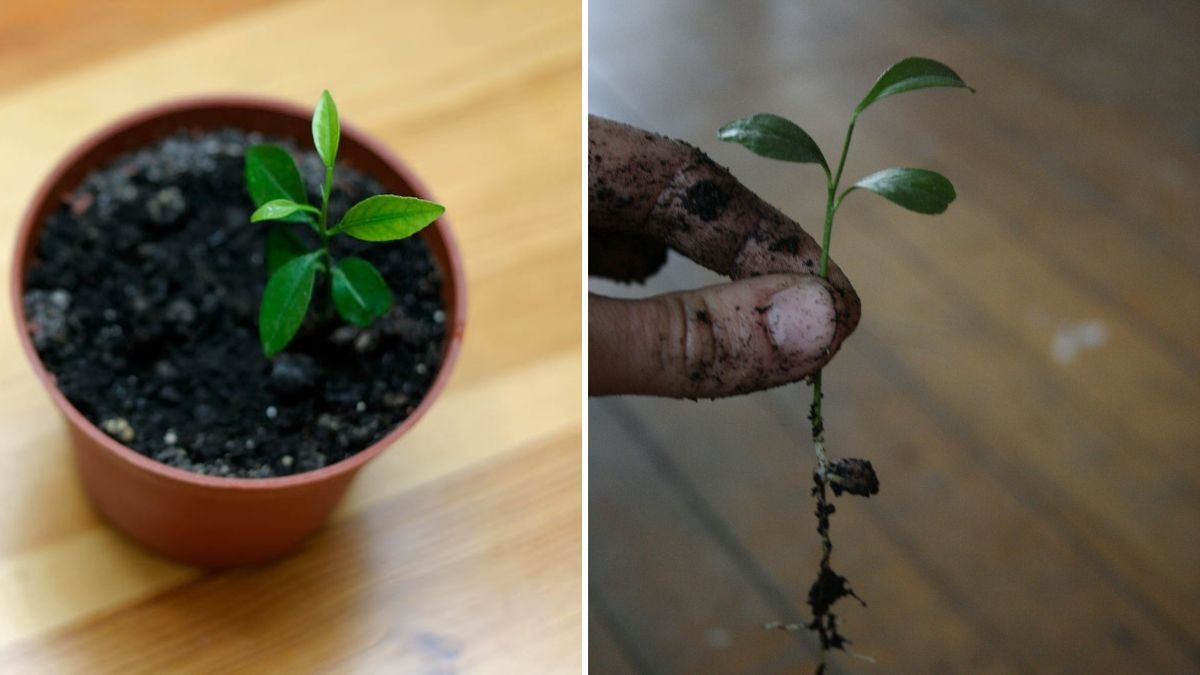
Lemon trees are among the most rewarding plants to grow in a home garden. Their glossy leaves, fragrant flowers, and delicious fruit make them a favorite for gardeners worldwide. But instead of buying new plants every time, you can easily propagate lemon trees right at home—saving money while expanding your garden.
Lemon propagation is simple, fun, and incredibly satisfying. Whether you’re a beginner or an experienced gardener, this article will walk you through the best methods, step-by-step instructions, and expert tips to help you successfully propagate lemon plants with a high success rate.
Why Propagate Lemon Trees?
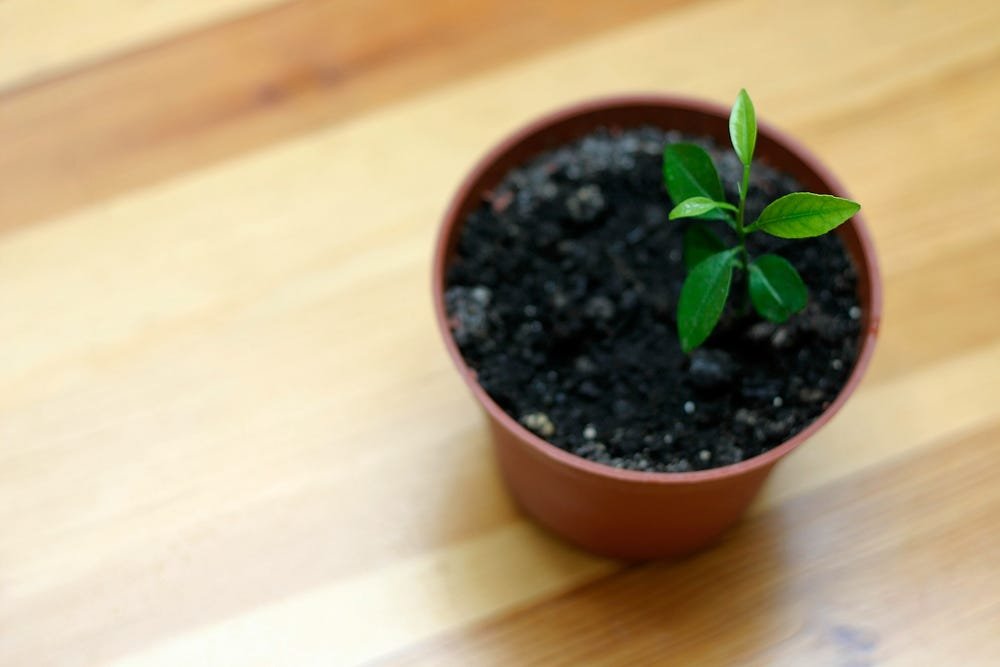
Propagating lemon trees offers several benefits:
✔ Cost-effective
You can grow multiple trees from just one parent plant.
Clone of the parent plant
A propagated lemon tree will have the same fruit quality, taste, and characteristics as the original plant.
Faster fruiting
Cuttings and air-layered lemons fruit faster than plants grown from seeds.
Beginners can do it easily
With basic tools and knowledge, anyone can propagate lemons at home.
Best Methods of Propagating Lemon Trees
There are three popular and highly successful lemon propagation methods:
- Stem Cuttings
- Air Layering
- Seed Propagation
While propagation by seed is the easiest, it’s not the most reliable because seed-grown lemons may not be true to type. For best results, gardeners prefer stem cuttings and air layering.
Let’s explore each method in detail.
1. Propagating Lemon Trees from Stem Cuttings

This is the most widely used and beginner-friendly method.
Why Stem Cuttings Work Well
- They root quickly
- Produce clones of the parent
- Can be done year-round (best in spring and monsoon)
What You Need:
- Healthy lemon branch
- Sharp pruning knife
- Rooting hormone or honey
- Potting mix (coco peat + sand + compost)
- Small pot
- Transparent polythene bag (optional)
Step-by-Step Guide
Step 1: Choose the right branch
Select a healthy, disease-free branch that is:
- Semi-hardwood (neither too soft nor too woody)
- About 6–8 inches long
- Has 4–5 leaves
Avoid branches that are fruiting or flowering.
Step 2: Make a clean cut
Cut the branch just below a node at a 45° angle.
Step 3: Remove lower leaves
Remove all leaves from the bottom half of the cutting.
Leave 2–3 leaves on top.
Step 4: Dip in rooting hormone or honey
This increases root formation and prevents fungal infection.
Step 5: Plant the cutting
Insert the cutting into moist potting mix.
Press the soil gently around the base.
Step 6: Create a mini greenhouse (optional but effective)
Cover the pot with a transparent plastic bag to maintain humidity.
Step 7: Keep in partial shade
Place the pot in a bright spot but away from direct sun.
Step 8: Water Carefully
Keep the soil moist—not soggy.
When Will Roots Form?
Lemon cuttings usually take 30–45 days to root.
You can gently tug the cutting—if it resists, roots have formed.
2. Propagating Lemon Trees by Air Layering
Air layering is one of the most effective methods, especially for fruit trees. It allows you to grow roots on a branch while it’s still attached to the plant.
Why Air Layering Is Amazing:
- High success rate
- Faster fruiting
- Perfect for older, woody branches
- No special equipment needed
🪴 What You Need:
- A mature lemon tree
- Sharp knife
- Sphagnum moss or moist coco peat
- Rooting hormone
- Plastic sheet
- Jute rope or tape
Step-by-Step Air Layering Process
Step 1: Select a healthy branch
Choose a pencil-thick branch that is 1–2 years old.
Step 2: Remove the bark
Make two circular cuts around the branch about 1 inch apart.
Remove the bark completely, exposing the white cambium layer.
Step 3: Apply rooting hormone
Rub rooting hormone on the exposed part.
Step 4: Wrap moist moss or coco peat
Take a handful of moist moss and wrap it around the cut area.
Step 5: Cover with plastic
Wrap the moss with plastic and tie both ends tightly.
Make sure no air enters.
Step 6: Keep moist
Check every 2–3 weeks and sprinkle water if needed.
When Will Roots Develop?
Roots usually appear in 40–60 days.
Once the root ball is full, cut the branch below the roots.
Planting the New Lemon Tree
- Place the rooted branch in a pot
- Keep in shade for 10–15 days
- Gradually expose it to sunlight
Air-layered lemon plants often fruit within 1–2 years, much faster than seedlings.
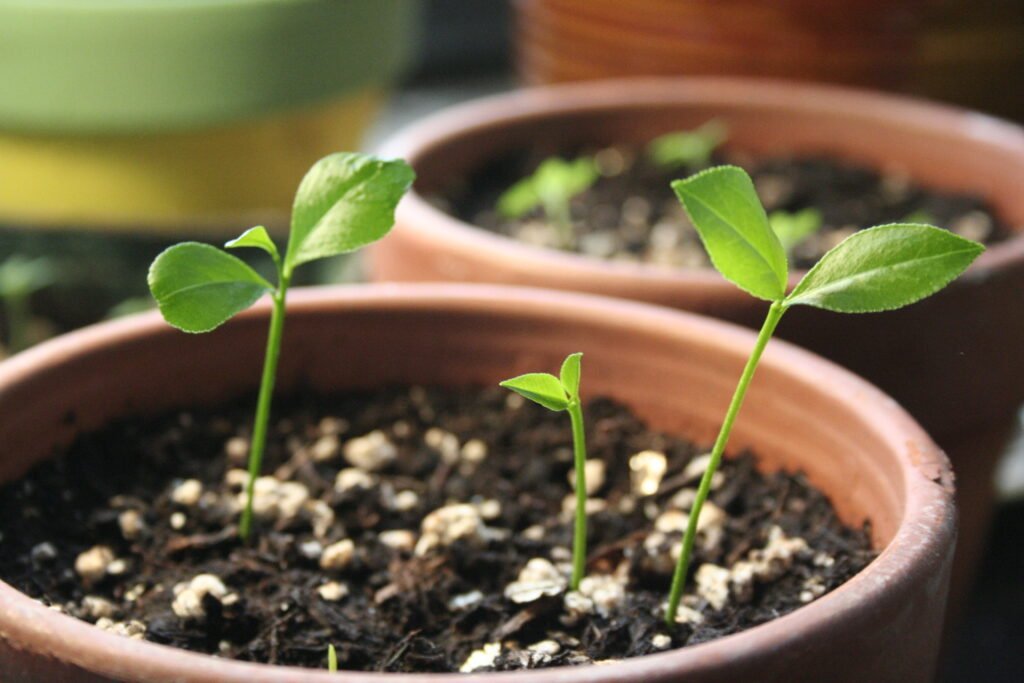
3. Propagating Lemon Trees from Seeds
Though not as reliable as cuttings or layering, growing lemons from seeds is fun.
Why Seed Propagation Is Useful:
- Easy
- Great for beginners
- Useful for ornamental or experimental plants
How to Grow Lemons from Seeds
Step 1: Choose fresh seeds
Use seeds from a fresh, juicy lemon.
Dry stored seeds usually fail to germinate.
Step 2: Wash to remove pulp
Rinse the seeds thoroughly to prevent fungal growth.
Step 3: Sow the seeds
Plant seeds 1 cm deep in moist soil.
Step 4: Keep warm and moist
Cover with plastic to maintain humidity.
Step 5: Germination
Seeds sprout in 10–20 days.
Note: These plants may take 4–6 years to fruit and may not produce identical lemons.
Important Tips for Successful Lemon Propagation
✔ Choose healthy parent plants
Avoid diseased or weak trees.
✔ Use clean, sharp tools
Prevents infection and improves rooting.
✔ Maintain high humidity
Cuttings root faster in humid conditions.
✔ Avoid direct sunlight
Young propagations burn easily.
✔ Keep soil lightly moist
Overwatering causes root rot.
✔ Use good quality potting mix
A mix of coco peat + sand + compost works best.
Common Mistakes to Avoid
- Using very young or very old branches
- Planting cuttings in heavy clay soil
- Exposing new plants to harsh sunlight
- Overwatering
- Not removing enough leaves
- Using branches with flowers or fruits
Avoid these to increase your success rate dramatically.
Best Time to Propagate Lemon Trees
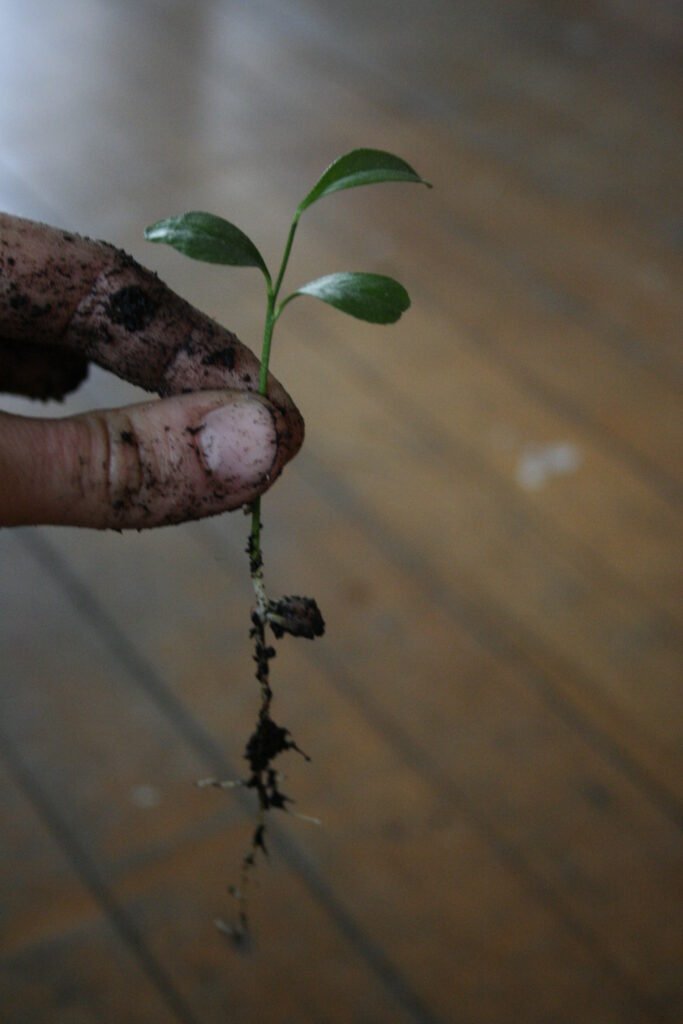
Although lemons can be propagated anytime, the ideal seasons are:
Monsoon (best)
High humidity promotes faster rooting.
Spring
New growth occurs naturally.
Avoid peak summer and winter.
Caring for Newly Propagated Lemon Plants
Once your lemon propagation is successful, follow these care steps:
Light
Give 3–4 hours of mild morning sunlight.
Watering
Water only when the topsoil feels dry.
Fertilizing
After 40–50 days, use:
- Cow dung compost
- Vermicompost
- Neem cake
- Potash-rich fertilizer for flowering
🪴 Repotting
Repot after 2–3 months into a bigger container.
When Will Your Propagated Lemon Tree Fruit?
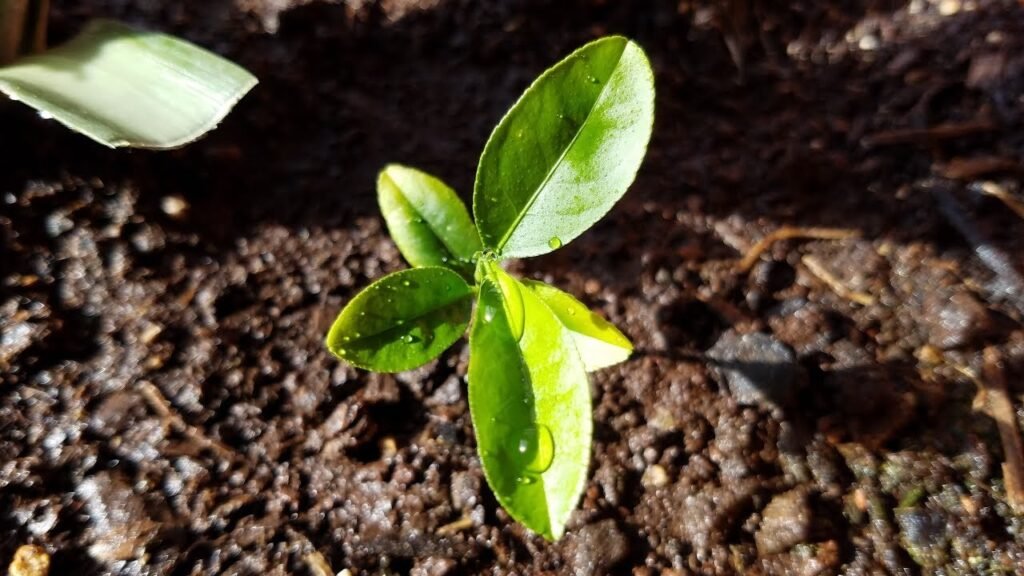
Depending on the method:
Stem Cuttings → 2–3 years
Air Layering → 1–2 years
Seeds → 4–6 year
Air layering is the fastest method for fruit production.
Final Thoughts
Propagating lemon trees is one of the most enjoyable gardening activities. With just a small cutting or branch, you can grow multiple new trees that will reward you with fragrant blossoms and delicious fruit for years. Whether you choose stem cuttings, air layering, or seeds, each method brings its own charm and satisfaction.
Once you master lemon propagation, you’ll never need to buy lemon plants again—your garden will flourish with healthy, vibrant citrus trees grown by your own hands.