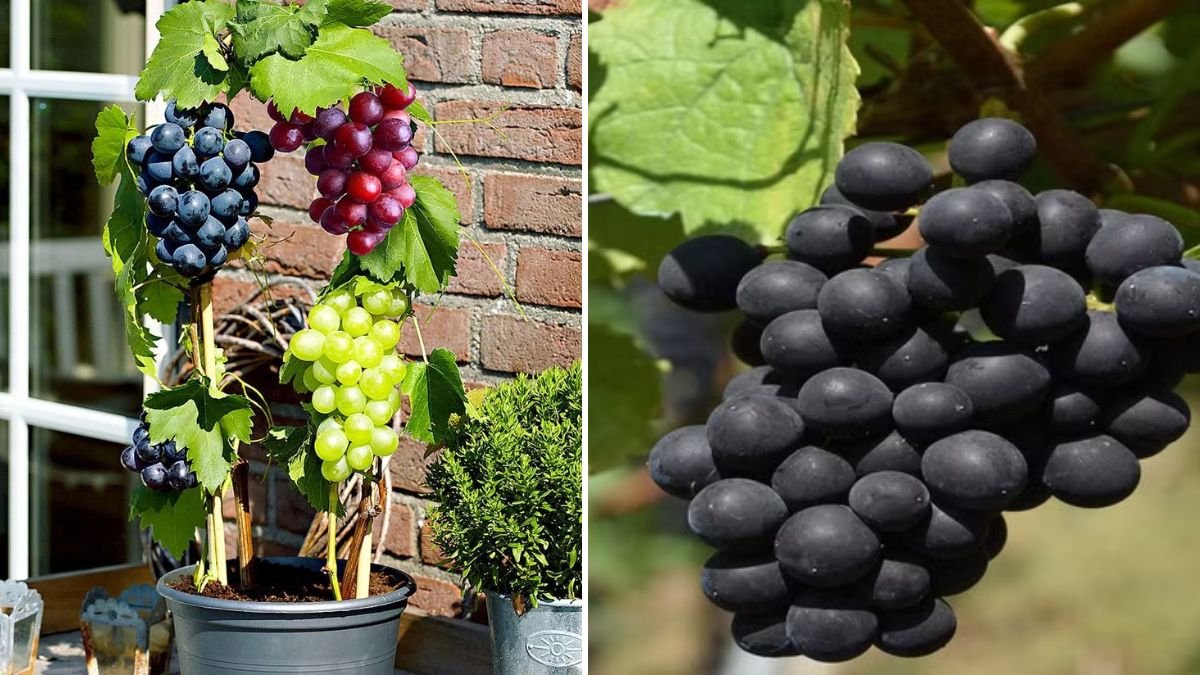
Grapes are among the most rewarding fruit plants you can grow at home. Whether you dream of harvesting fresh, sweet clusters from your backyard, making homemade juice, or even trying your hand at winemaking, grapevines offer beauty, productivity, and long-term value. With the right approach, even beginners can grow thriving grape plants that produce for decades.
This comprehensive guide will walk you through everything you need to know about how to grow grapes successfully—from choosing the right variety to pruning, training, and caring for your vines year-round.
Why Grow Grapes at Home?
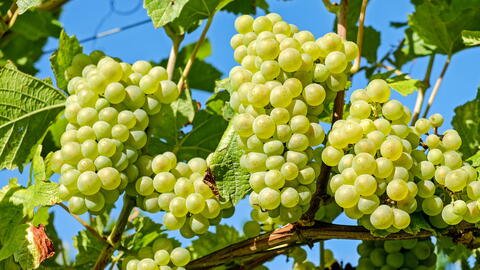
Grapes are more than just fruit-bearing plants—they are living structures that add elegance to your garden. Homegrown grapes are:
- Healthier and pesticide-free
- Sweeter and more flavorful than store-bought grapes
- Cost-effective, producing heavily for many years
- Great for multiple uses: fresh eating, juice, raisins, jam, wine
- Aesthetic, creating natural shade and beautiful green spaces
A single healthy vine can produce 10–20 kg of grapes every season, making it one of the highest-yielding perennial plants for home gardeners.
Step 1: Choosing the Best Grape Variety
Your success begins with choosing the right type of grape for your climate and purpose.
1. Table Grapes (for fresh eating)
Sweet, juicy, seedless or seeded.
Popular types include:
- Thompson Seedless
- Flame Seedless
- Anab-e-Shahi
- Sonaka
2. Wine Grapes
Smaller berries, intense flavor.
Examples:
- Cabernet Sauvignon
- Chardonnay
- Shiraz
3. Raisin Grapes
Dry easily under the sun, usually seedless.
Climate Tip:
Grapes grow best in hot, dry summers and cool winters. They require 6–8 hours of full sunlight daily.
Step 2: Choose the Right Planting Location
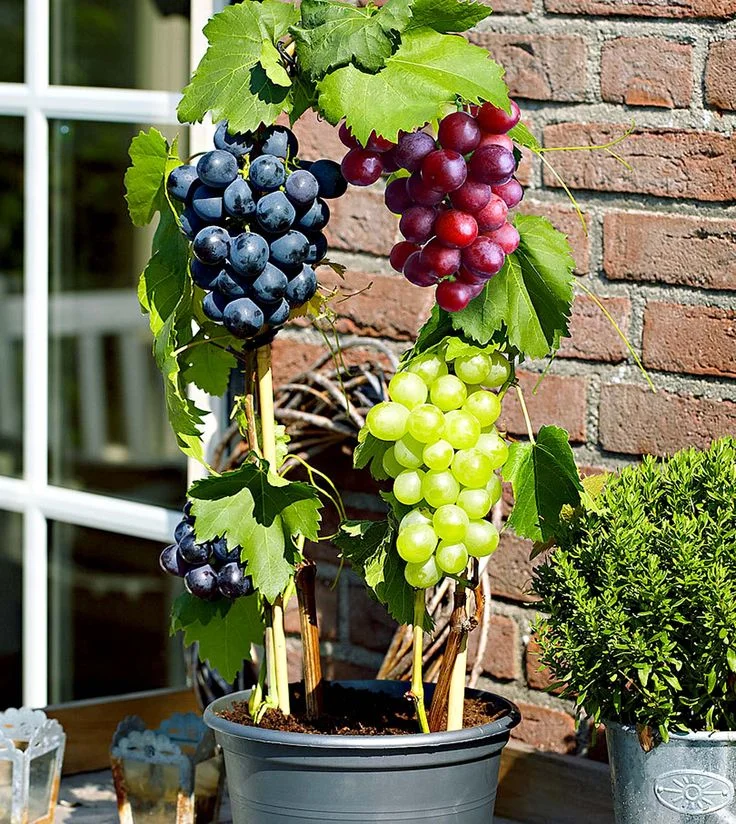
Grapes need space, strong sunlight, and good airflow.
Ideal Site Conditions
- Full Sunlight: At least 6 hours daily, 8 hours preferred
- Good Drainage: Grapes hate waterlogged soil
- Open Space: For climbing and spreading
- Support Structure: A wall, trellis, pergola, or wires
Soil Requirements
- pH between 6.0 and 7.5
- Sandy-loam is best
- Add compost for fertility
- Avoid heavy clay soils unless amended
Step 3: Planting Grapes the Right Way
Best Time to Plant
- Early winter to early spring
- Avoid planting during peak heat
How to Plant Grapes
- Dig a hole 2× the size of the root ball.
- Mix compost + garden soil in equal parts.
- Place the plant so the root zone sits slightly above soil level.
- Fill the hole, press gently, and water deeply.
- Mulch the base with dry leaves or wood chips.
Give vines 1.5–2 meters of spacing between plants to allow full growth.
Step 4: Watering Grapevines Correctly
Grapes prefer deep but infrequent watering.
Watering Schedule
- New plants: Water every 3–4 days
- Established vines: Water once every 7–10 days
- During fruiting: Increase frequency slightly
Avoid overwatering, as it causes root rot and fungal issues.
Short Tip:
Grapes are drought-tolerant once established—they prefer dry soil over wet soil.
Step 5: Fertilizing for Maximum Growth
Grapes are not heavy feeders, but they benefit from strategic fertilization.
Fertilizer Plan
- At Planting: Compost + cow manure
- Spring: A balanced fertilizer like NPK 10-10-10
- Before Flowering: Add potash-rich fertilizer
- Avoid excess nitrogen—it causes leafy growth but fewer grapes.
Organic Options
- Bone meal
- Banana peel fertilizer
- Wood ash
- Seaweed extract
Feed lightly; grapes perform best in moderate fertility.
🪜 Step 6: Training Your Grapevine
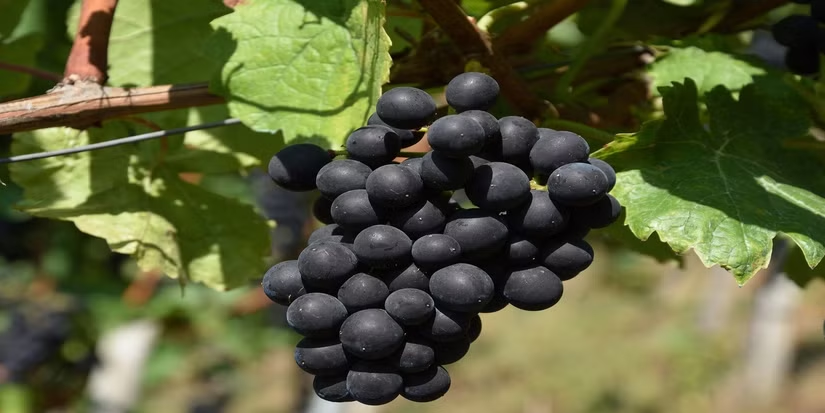
Grapes naturally climb, but they need structure and direction to grow productively.
Support Options
- Trellis
- Pergola
- Overhead structure
- Wire system (most common in vineyards)
Training Basics
- The first year is about building the main stem.
- Choose one strong shoot and tie it to the support.
- Side shoots will become fruiting branches later.
A well-trained vine increases air movement, sunlight, and fruit yield.
Step 7: Pruning—The Secret to Heavy Harvests
Pruning is the MOST important part of grape growing.
Why Prune Grapes?
- Helps produce bigger clusters
- Controls vine size
- Improves sunlight exposure
- Prevents fungal diseases
When to Prune
- Late winter when vines are dormant
How to Prune
- Remove 70–80% of last year’s growth
- Keep only strong, thick canes
- Each cane should have 8–12 buds
- Remove weak, thin, tangled shoots
Pruning may feel harsh but is essential for fruiting.
Step 8: Flowering and Fruit Formation
Grapes begin flowering in warm weather. You do not need to hand-pollinate grapes; they are self-pollinating.
During Flowering
- Avoid heavy watering
- Do not fertilize
- Protect from strong winds
During Fruit Growth
- Thin out dense clusters
- Provide consistent moisture
- Use organic sprays to prevent fungal diseases
Step 9: Protect Your Grapevines from Pests and Diseases
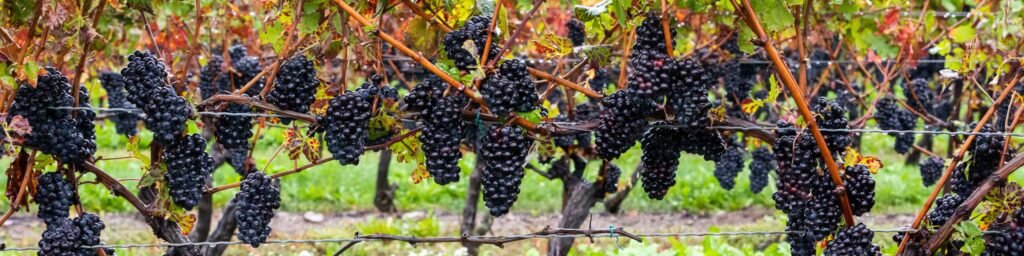
Common problems include:
Pests
- Mealybugs
- Aphids
- Leafhoppers
Control with:
- Neem oil spray
- Soap water spray
Diseases
- Powdery mildew
- Downy mildew
- Anthracnose
Prevent with:
- Good pruning
- Proper spacing
- Fungicide sprays when needed
Healthy airflow = healthy vines.
Step 10: Harvesting Your Grapes
Grapes do not ripen after picking, so wait until they are fully colored and sweet.
How to Know They’re Ready
- Taste a few grapes
- Color is fully developed
- Grape clusters look plump and heavy
- Seeds (if any) turn brown
Cut clusters with scissors to avoid damaging branches.
Bonus: What You Can Do with Homegrown Grapes
Your grapes can be used for:
- Fresh eating
- Raisins
- Juice
- Jams & jellies
- Vinegar
- Wine
Homegrown grapes taste richer and fresher than anything in the market.
Final Thoughts: Growing Grapes Is Easier Than You Think
With sunlight, proper pruning, and a strong support system, grapevines grow rapidly and reward you with abundant harvests each year. Whether you’re planting one vine or dreaming of a mini home vineyard, the key is consistency and learning the simple rhythm of the plant.
Grapes are one of the most satisfying fruit plants to grow—beautiful, productive, long-living, and full of flavor.