
Growing mango trees from seeds can take years, and the results are unpredictable. But what if you could grow a new mango tree that fruits faster, stays true to the parent plant, and requires very little effort?
That’s exactly what air layering offers.
Air layering is one of the most effective and beginner-friendly methods to propagate mango trees. It helps you grow a genetically identical clone of a mature, fruit-bearing tree—meaning your new plant will start producing delicious mangoes much sooner.
In this detailed guide, you’ll learn why air layering works, the best time to do it, step-by-step instructions, and pro tips to ensure successful rooting.
Why Choose Air Layering for Mango Trees?
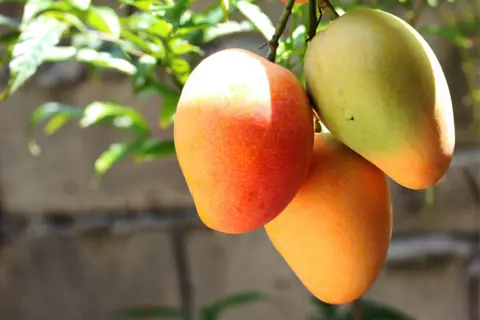
Air layering is a propagation technique in which roots are encouraged to grow on a branch while it is still attached to the parent tree. Once roots develop, the branch is cut off and planted as a new tree.
✔ Faster fruiting
Seed-grown mango trees may take 5–8 years to flower, and there’s no guarantee the fruits will resemble the parent tree. Air-layered plants can begin producing fruit in 2–3 years, sometimes less.
✔ Genetically identical
Air-layered mango trees are clones. They retain:
- Fruit size
- Flavor
- Growth pattern
- Disease resistance
What you see is what you get.
✔ High success rate
Compared to grafting or seed propagation, air layering has a very high success rate, even for beginners.
✔ Great for small spaces
Air-layered plants tend to be more compact and manageable, making them perfect for container growers or small gardens.
Best Time to Air Layer Mango Trees
Timing is crucial.
Ideal months:
- Spring to Early Monsoon (March to July)
- When the sap flow is strong and temperatures are warm
- Avoid winter and extreme dryness
Warm, humid conditions promote faster root formation.
What You Need (Easy Supplies)
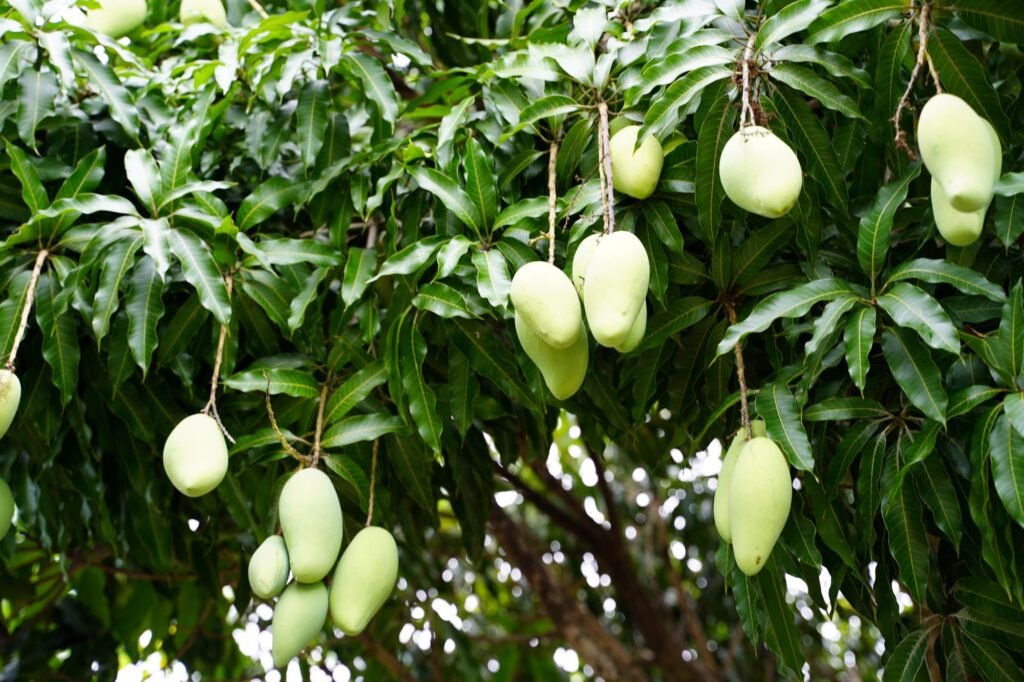
You don’t need fancy tools—just basic materials:
Essential:
- Sharp knife or pruning blade
- Coconut coir / sphagnum moss
- Plastic wrap or polythene sheet
- Rope, tape, or twist ties
- Rooting hormone (optional but recommended)
- Clean water
Optional boosters:
- Aloe vera gel
- Organic honey
- Compost water
These natural ingredients can help encourage quicker rooting.
Step-by-Step Guide: How to Air Layer a Mango Tree
Follow these steps carefully for the best results.
⭐ Step 1: Choose the Right Branch
Select:
- A healthy, disease-free branch
- About 1–2 years old
- Pencil–to–thumb thickness
- Strong growth tip
Avoid brittle or heavily shaded branches.
⭐ Step 2: Make the Girdling Cut
This is the most important step.
- Measure 1–2 inches of bark on the branch.
- Make two circular cuts around the branch.
- Connect them with a vertical slit.
- Remove the bark completely to expose the white kambium layer.
- Scrape gently to prevent healing over.
Tip: The cut should be just deep enough to remove the green bark, not damaging the wood too much.
⭐ Step 3: Apply Rooting Hormone
You may use:
- Commercial rooting powder
- Aloe vera gel
- Honey solution
This step boosts the chances of quicker root formation.
Apply lightly over the exposed cut.
⭐ Step 4: Wrap With Moist Growing Medium
Use moist (not dripping wet) sphagnum moss or coconut coir.
- Grab a handful of damp moss.
- Wrap it around the exposed cut.
- Ensure it fully covers the area.
- It should be at least 2–3 inches thick.
Moisture is key—neither too dry nor too wet.
⭐ Step 5: Seal the Layer
Use plastic wrap, polythene sheet, or cling film.
- Cover tightly to hold the moss in place.
- Seal both ends with tape, rope, or twist ties.
- Ensure no moisture escapes.
A well-sealed layer creates a mini greenhouse.
⭐ Step 6: Monitor and Wait
You’re almost done!
It usually takes:
- 4–8 weeks for roots to appear
- Sometimes longer in cooler weather
Check:
- The moss should remain moist
- If it looks dry, carefully unwrap a portion and mist it lightly
- Don’t disturb too much
When roots are visible through the plastic, it’s ready.
⭐ Step 7: Cut and Plant Your New Tree
Once strong roots have developed:
- Cut the branch 1 inch below the root mass.
- Remove the plastic wrap gently.
- Plant the rooted portion in a pot filled with airy soil.
Soil mix suggestion:
- 40% garden soil
- 30% compost
- 20% coco peat
- 10% perlite or sand
This ensures drainage and healthy root expansion.
Aftercare for Newly Planted Air-Layered Mango Trees
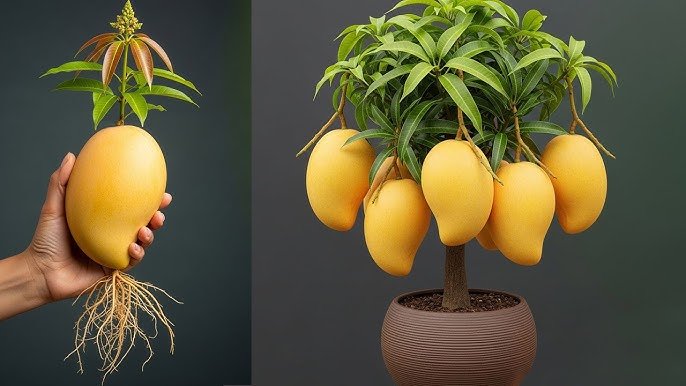
1. Shade for the first 2–3 weeks
The new plant may stress easily. Keep it in partial shade.
2. Water carefully
- Keep soil moist, not soggy
- Mango roots dislike standing water
3. Support the stem
Your plant may need a stick or bamboo for stability until the roots strengthen.
4. Use mild fertilizer after 40 days
Apply slow-release compost or diluted organic fertilizer.
5. Replant to ground or bigger pot after 3–4 months
Giving roots more space boosts growth.
Common Mistakes to Avoid
❌ Cutting too deeply into the wood
❌ Using dry moss or too-wet moss
❌ Wrapping loosely so moisture escapes
❌ Doing air layering during winter
❌ Disturbing the roots too soon
❌ Planting in heavy, clay-rich soil
Avoid these and your success rate will be very high.
Pro Tips for Faster Root Development
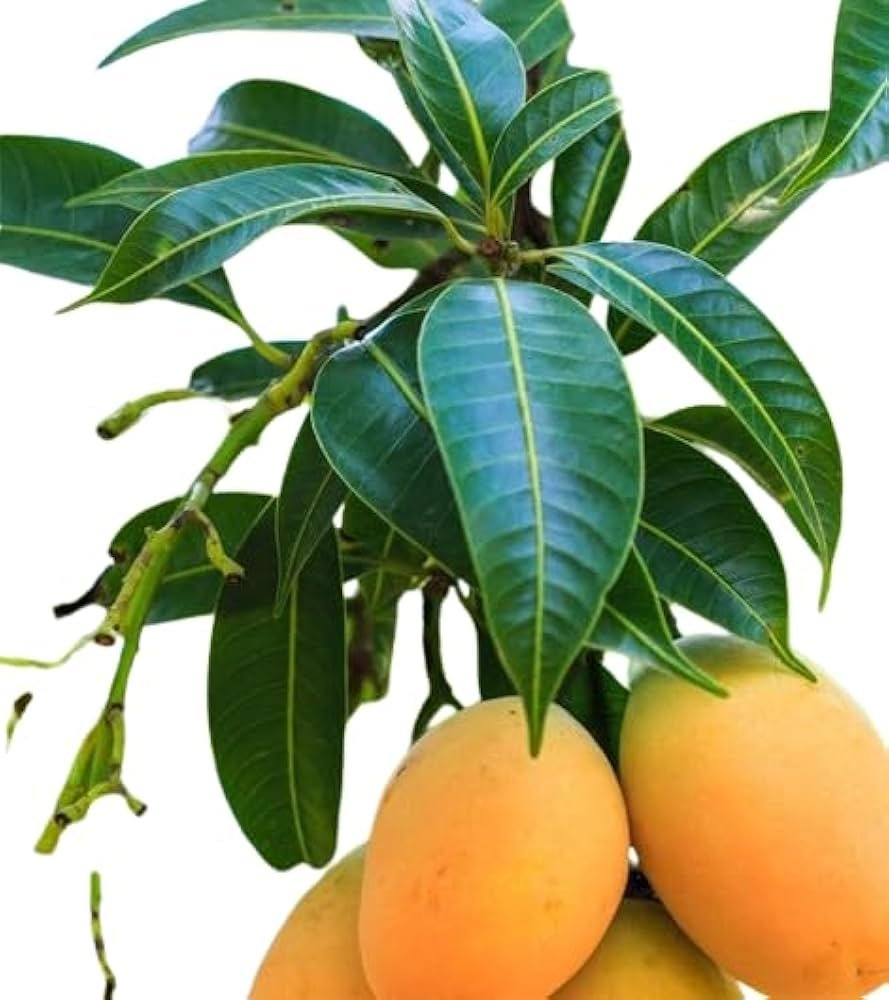
✔ Use warm water to moisten the moss
Warmth triggers quicker root response.
✔ Add a teaspoon of cinnamon powder
It’s a natural antifungal agent.
✔ Choose a sunny side of the tree
More energy = faster rooting.
✔ Do multiple air layers at once
Increase your chances and get more plants.
When Will Your Air-Layered Mango Tree Bear Fruit?
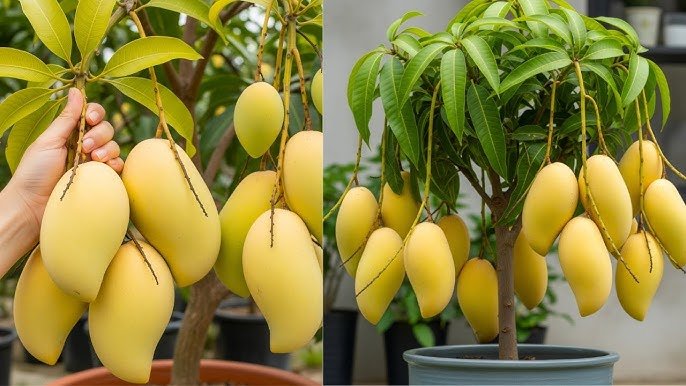
Air-layered mango plants typically fruit in:
2–3 years, sometimes even faster.
Because they’re clones of mature trees, they skip the juvenile stage.
Final Thoughts
Air layering is one of the most powerful propagation methods for mango lovers. Whether you want to expand your garden, produce trees quicker, or grow the same delicious variety you already love—air layering offers a reliable, simple, and highly rewarding technique.
With just a bit of patience and care, you can create strong, healthy, fruit-bearing mango trees right at home.