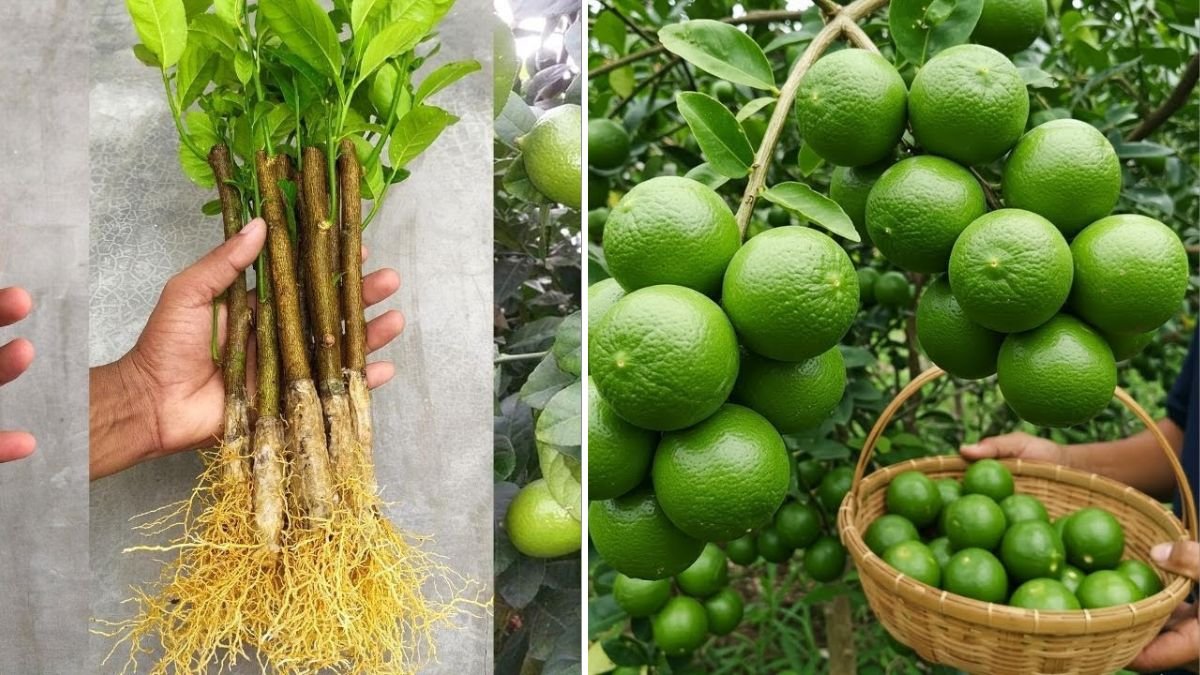
Lemon trees are one of the easiest and most rewarding fruit trees to grow. Their tangy fruits, fragrant flowers, and evergreen leaves make them a perfect choice for home gardeners. But instead of buying new plants, you can propagate your own lemon trees—saving money and growing healthier, faster-fruiting plants.
Propagation allows you to multiply your favorite lemon variety without losing its quality. A propagated lemon tree will be identical to the parent plant, which means you can clone a high-yield, disease-resistant, or superior-flavor lemon tree at home.
In this complete 1200-word guide, you’ll learn the most effective, beginner-friendly, and highly successful methods to propagate lemon trees—whether you live in a warm region, tropical climate, or even a cooler zone.
Why Propagate Lemon Trees?
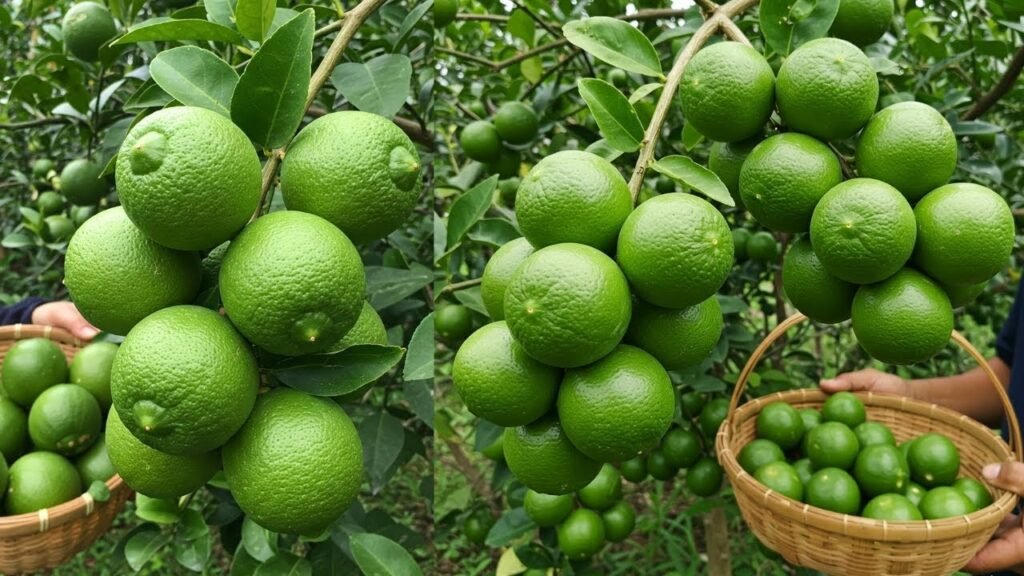
Growing lemon trees from seed may sound easy, but it has limitations:
- Seed-grown trees take 4–7 years to fruit.
- They often produce low-quality or unpredictable lemons.
- Seedlings are not true to type—they may differ from the parent tree.
Propagation solves all these problems.
Benefits of Propagating Lemon Trees
- Faster fruiting (1–2 years)
- Same fruit quality as the mother plant
- Higher yield and stronger growth
- Disease resistance from selected parent plants
- Cheaper than buying nursery plants
- Perfect for growing multiple plants for home or gifting
Best Time to Propagate Lemon Trees
Propagation can be done throughout the year in warm regions, but the BEST times are:
✔ Spring (February–April)
Active growth, strong sap flow, faster rooting.
✔ Monsoon (June–August)
High humidity improves rooting success.
✔ Avoid:
- Extreme heat of May afternoons
- Winter (low growth rate)
- Rainy days (risk of fungal infections)
Most Effective Methods to Propagate Lemon Trees
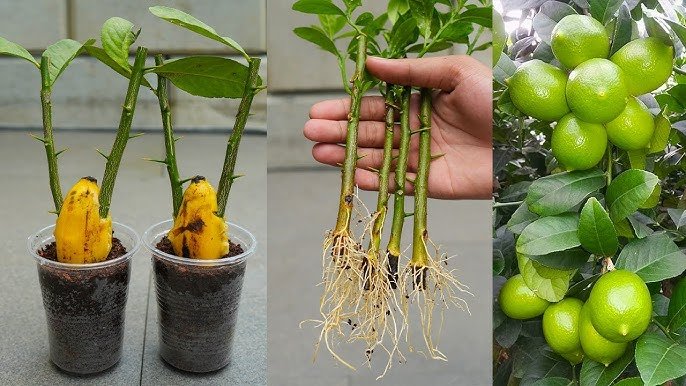
There are three highly successful ways:
- Stem Cuttings (Most Popular & Fastest)
- Air Layering (High Success Rate – Even for beginners)
- Grafting (For premium results)
Below you’ll find complete step-by-step instructions for each method.
METHOD 1: Propagating Lemon Trees through Stem Cuttings
⭐ Fastest, easiest, and best for beginners
✔ What You Need
- Healthy lemon tree (mother plant)
- Sharp cutter/pruner
- Rooting hormone (optional but increases success)
- Pot with drainage holes
- Well-draining soil mix (cocopeat + sand + compost)
- Clear plastic bag or bottle
- Spray bottle
Step-by-Step Guide
STEP 1: Select the Right Cutting
Choose a semi-hardwood branch that is:
- 6–8 months old
- Green-brown in color
- Pencil-thick
- Disease-free
Cut a 15–20 cm long piece with at least 3–4 nodes.
STEP 2: Prepare the Cutting
- Remove all leaves except 1 or 2 at the top.
- Make a slant cut at the bottom to increase surface area.
- Dip the cut end in rooting hormone powder/gel (optional but highly effective).
- Allow it to dry for 5 minutes.
STEP 3: Prepare the Potting Mix
A perfect rooting medium should be light, airy, and free-draining.
Best mixture:
- 40% cocopeat
- 40% river sand/perlite
- 20% compost
This keeps moisture without suffocating the cutting.
STEP 4: Plant the Cutting
Insert the cutting 2–3 inches deep into the soil.
Press the soil gently to stabilize the cutting.
STEP 5: Create a Mini Greenhouse
Cover the pot with:
- A plastic bag
- A transparent bottle
- A humidity dome
This traps moisture and prevents drying.
Keep the pot in bright indirect sunlight.
STEP 6: Watering & Aftercare
- Mist the cutting every 2–3 days.
- Do not water heavily; just keep soil slightly moist.
- Avoid full sun for 3–4 weeks.
STEP 7: Root Formation
Lemon cuttings take:
⏳ 4–6 weeks to root
⏳ 8–12 weeks to produce strong shoots
Once new leaves appear, remove the plastic cover and gradually shift the plant into partial sunlight.
METHOD 2: Air Layering (Simple & Very High Success Rate)
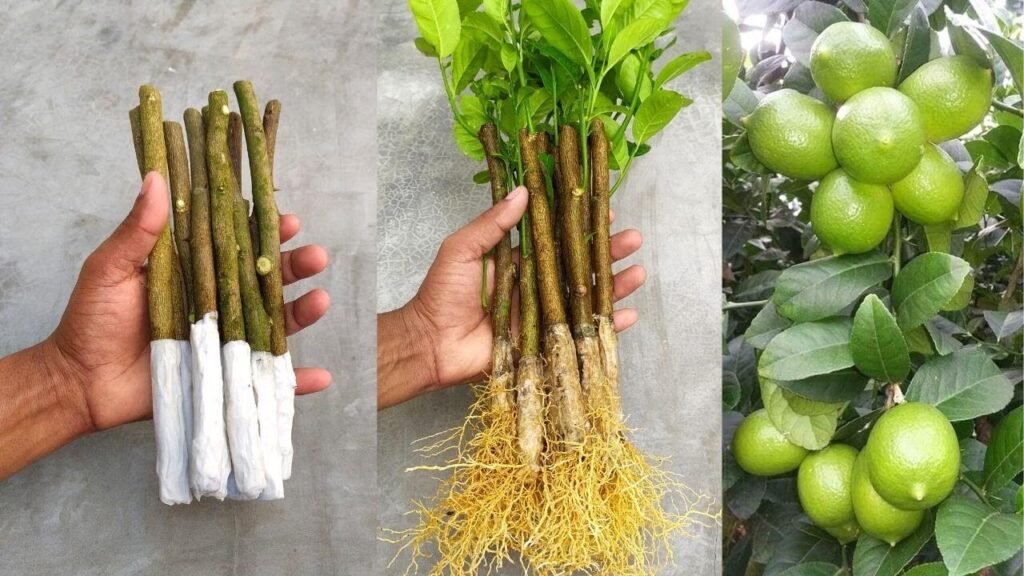
Air layering is perfect for those who want:
- Guaranteed success
- Faster rooting
- Stronger plants
- Larger, more established root systems
✔ What You Need
- Healthy branch (1–2 years old)
- Sharp knife
- Cocopeat or moss
- Polythene sheet
- Tape or thread
- Rooting hormone (optional)
Step-by-Step Guide
STEP 1: Select a Strong Branch
Choose a branch that is:
- 1–2 cm thick
- Healthy and disease-free
- Not too young or too old
STEP 2: Remove the Bark
At 20–25 cm from the branch tip:
- Remove a 1-inch wide ring of bark.
- Scrape off green cambium lightly (prevents bark regrowth).
STEP 3: Apply Rooting Hormone
Apply rooting hormone powder around the exposed wood.
STEP 4: Pack with Moist Cocopeat
- Take moist cocopeat or moss.
- Wrap it around the wounded area.
STEP 5: Seal with Plastic
Cover with plastic and tie both ends tightly.
This creates a root chamber.
STEP 6: Wait for Roots to Form
Roots appear in:
⏳ 4–8 weeks
You’ll see white or brown roots through the plastic.
STEP 7: Cut and Plant
Once rooting is complete:
- Cut below the layered area.
- Plant in a pot with well-draining soil.
- Keep it in shade for 2 weeks.
METHOD 3: Grafting Lemon Trees
⭐ Best for producing superior, uniform lemon fruits
✔ Why Grafting?
- Fastest fruiting (as early as 1 year)
- Guaranteed fruit quality
- Very strong and disease-tolerant plants
✔ Best Grafting Methods:
- Cleft grafting
- T-bud grafting
- Veneer grafting
Grafting requires practice but gives professional results.
Choosing the Right Mother Plant for Propagation
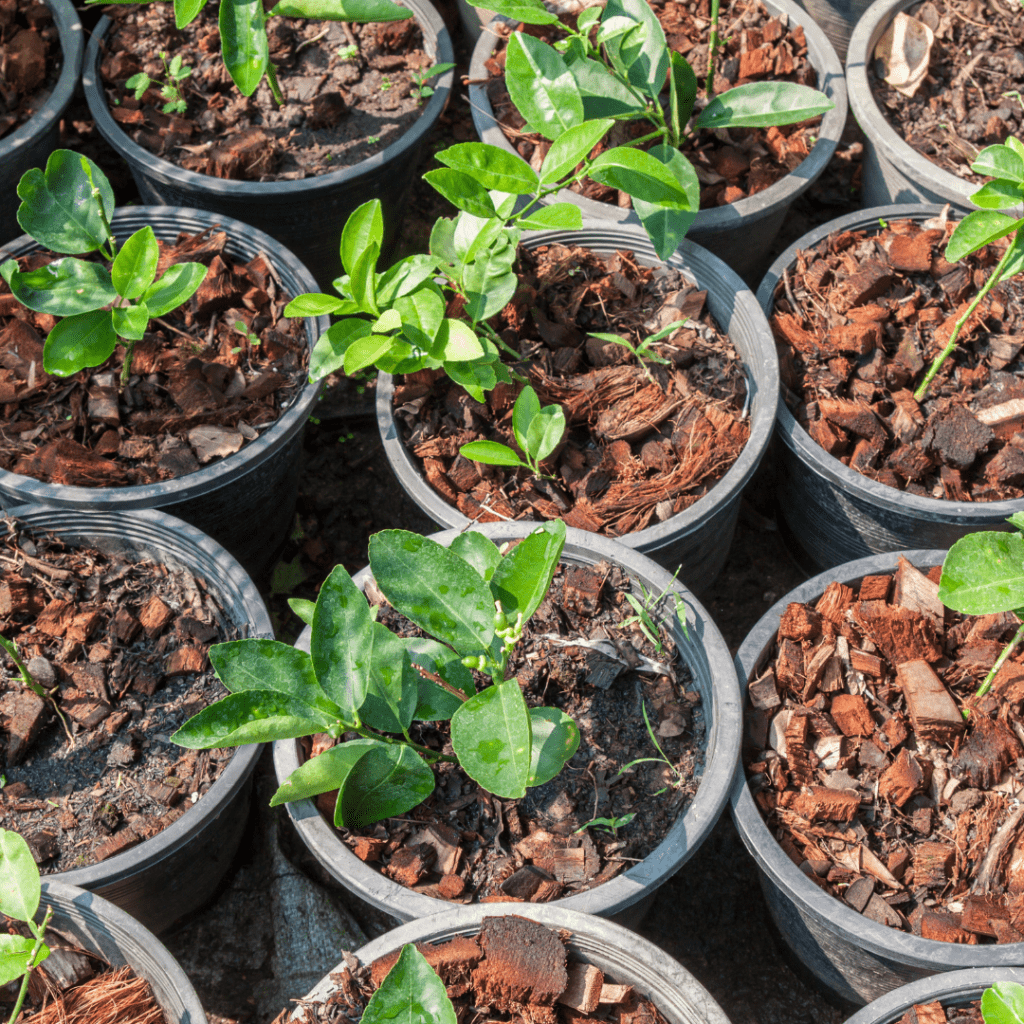
Your new lemon plant will be identical to the parent tree, so choose wisely.
✔ Choose a mother plant that:
- Produces juicy, aromatic, flavorful lemons
- Bears fruits regularly
- Is disease-free
- Has strong growth
- Has a thick trunk and deep green leaves
Avoid weak or pest-infested parent trees.
Best Soil for Propagated Lemon Trees
Lemon plants love:
- Loose
- Well-drained
- Slightly acidic
- Nutrient-rich soil
Perfect soil mix:
- 40% garden soil
- 30% compost
- 20% sand
- 10% cocopeat
Add neem cake to prevent fungal infections.
Sunlight & Location
Lemon trees thrive in:
☀ 6–8 hours of direct sunlight daily
Young propagated plants need:
- Indirect sunlight for first 2 weeks
- Gradual exposure afterward
Avoid harsh afternoon sun until the plant is well established.
Watering Schedule
Lemon trees prefer consistent moisture—not waterlogging.
✔ Watering Rules:
- Keep soil moist but not soggy
- Reduce watering in winter
- Increase watering in summer
- Use deep watering for mature plants
For potted plants, ensure excellent drainage.
Fertilizer Requirements
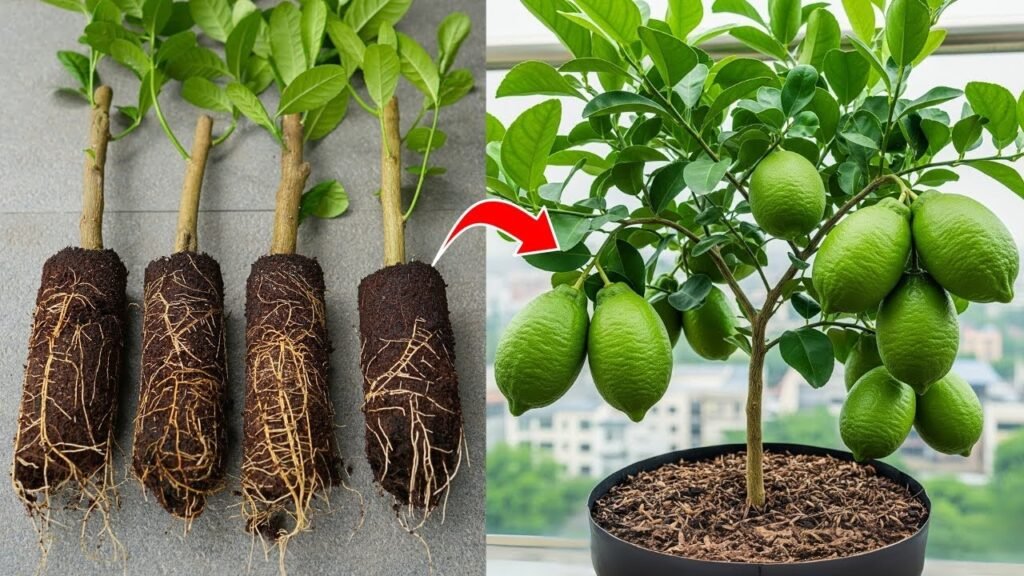
Young propagated lemon plants benefit from:
Every 30 days:
- Compost or vermicompost
- Mustard cake liquid fertilizer
- Banana peel fertilizer
- Seaweed extract
Every 6 months:
- A handful of neem cake
- Cow dung compost
Avoid over-fertilizing young plants.
Common Reasons Lemon Propagation Fails
Using old or dry cuttings
Too much watering
Direct sunlight on fresh cuttings
No humidity dome
Poor soil quality
Very hot or very cold weather
Using diseased branches
Follow the guide carefully to ensure 90–95% success.
When Will Your Propagated Lemon Tree Start Fruiting?
Depending on the method:
✔ Cuttings: 1.5–3 years
✔ Air layering: 1–2 years
✔ Grafting: 1 year or less
Air-layered and grafted trees mature much faster.
Conclusion
Propagating lemon trees is a highly rewarding and cost-effective way to grow your own citrus garden. By using stem cuttings, air layering, or grafting, you can produce fast-growing, high-quality lemon plants right at home. Whether you’re a beginner or an experienced gardener, these techniques will help you enjoy fresh, homegrown lemons in no time.
With the right tools, proper timing, and careful aftercare, your propagated lemon tree will thrive and reward you with fragrant blooms and juicy fruits year after year.