Growing plants successfully doesn’t always require complex techniques or expensive gardening tools. In fact, some of the healthiest gardens are built using simple, natural, and time-tested methods. Whether you grow fruits, vegetables, flowers, or indoor plants, understanding the best method of plant growth can elevate your gardening skills and ensure your plants thrive.
In this 1200-word article, we explore the most effective, beginner-friendly, and scientifically proven gardening methods. You’ll learn how to prepare soil, water properly, encourage root growth, prevent diseases, and maintain plants in optimal condition. By the end, you will understand exactly what it takes to grow lush greenery with minimal effort.
Let’s begin your journey toward healthier, stronger, and faster-growing plants.
1. Understanding the Best Method of Plant Growth
Every plant depends on four main factors:
- Soil quality
- Water
- Sunlight
- Nutrients
When these four elements are balanced, plants grow naturally and vigorously.
When one element is missing or excessive, growth slows and diseases appear.
The best method involves providing the right conditions consistently, not occasionally.
2. Start With the Best Soil Mix
Soil is the foundation of plant health.
Healthy soil means:
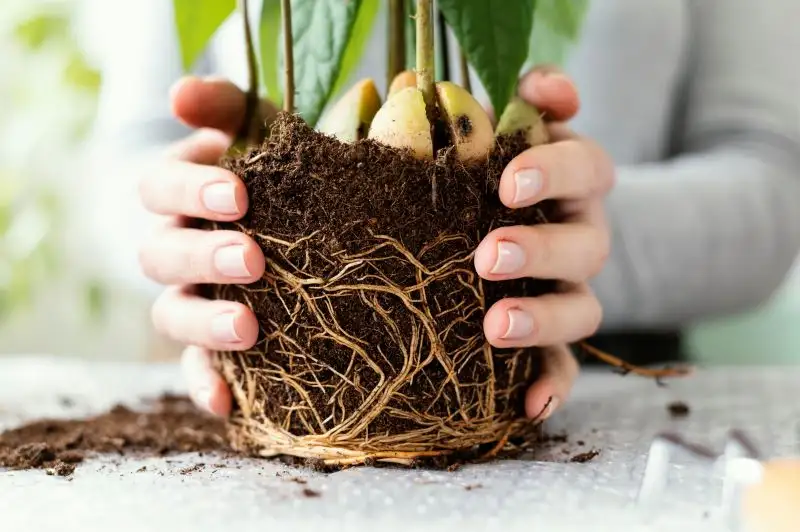
- Strong roots
- Better nutrient absorption
- Faster growth
- More flowers
- Bigger fruits
Best All-Purpose Soil Mix
Mix the following:
- 40% garden soil
- 40% compost or vermicompost
- 20% cocopeat or sand
This combination creates:
- Good drainage
- Aeration
- Moisture retention
- Nutrient availability
Why This Works
Plants need oxygen at their roots.
Heavy soil suffocates roots, while light soil helps them breathe and expand.
3. Watering: The Best Method Is “Water Smart, Not Water More”
Overwatering is the number one reason plants fail.
Simple Watering Rule
Water when the top 1–2 inches of soil becomes dry.
Signs you are watering correctly:
- Soil stays moist
- Leaves remain firm
- Growth remains steady
Signs of overwatering:
- Yellowing leaves
- Mushy stems
- Fungus
- Slow growth
Best Time to Water
- Morning – ideal
- Evening – acceptable
- Midday – avoid
Plants absorb water best when temperatures are cooler.
4. The Best Method of Providing Sunlight
Sunlight drives photosynthesis—the process plants use to make food.
Sunlight Requirements
| Plant Type | Light Needed |
|---|---|
| Fruit trees | 6–8 hours |
| Vegetables | 4–6 hours |
| Flowers | 4–6 hours |
| Indoor plants | Indirect light |
Too little sunlight → weak stems
Too much sunlight → burnt leaves
Balanced light = stronger growth.
5. Nutrients: Natural Fertilizers Work Best
Plants need macro and micronutrients.
Best Natural Fertilizers:
- Compost – overall nutrition
- Vermicompost – rich in microbes
- Banana peel water – potassium
- Eggshell powder – calcium
- Fish emulsion – fast nutrients
- Neem cake – pest control + nutrients
Why Organic Fertilizers Are Better
- No chemical burn
- Slow release
- Improves soil life
- Eco-friendly
- Safe for fruits and vegetables
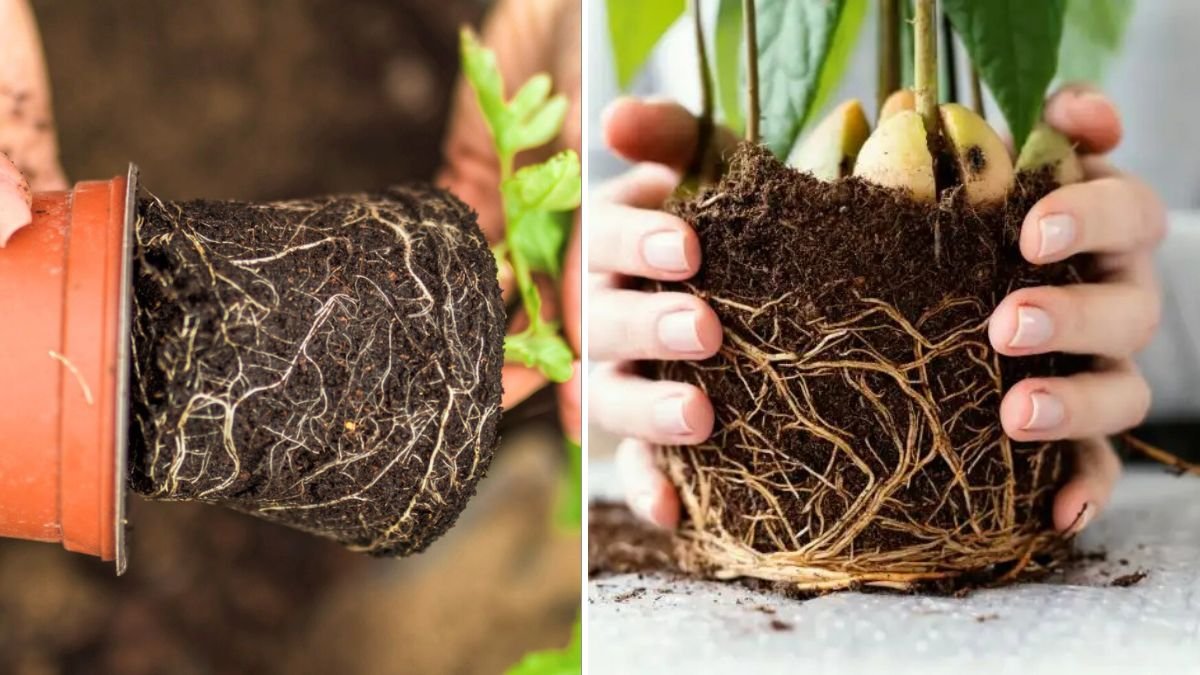
6. Best Method for Strong Root Development
Strong roots = healthy plant.
Root Boosting Tips:
- Add 1 tbsp Epsom salt per 2 litres water once a month
- Use seaweed extract
- Avoid compacting soil
- Keep soil loose
- Provide good aeration
Epsom salt supplies magnesium, which increases chlorophyll production.
🪴 7. Repotting: An Important but Simple Method
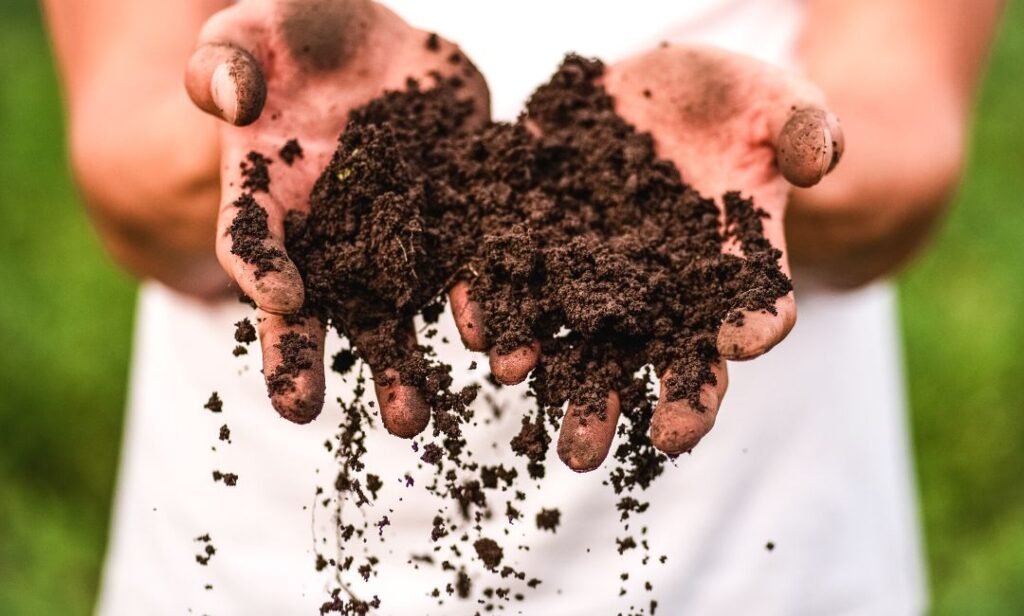
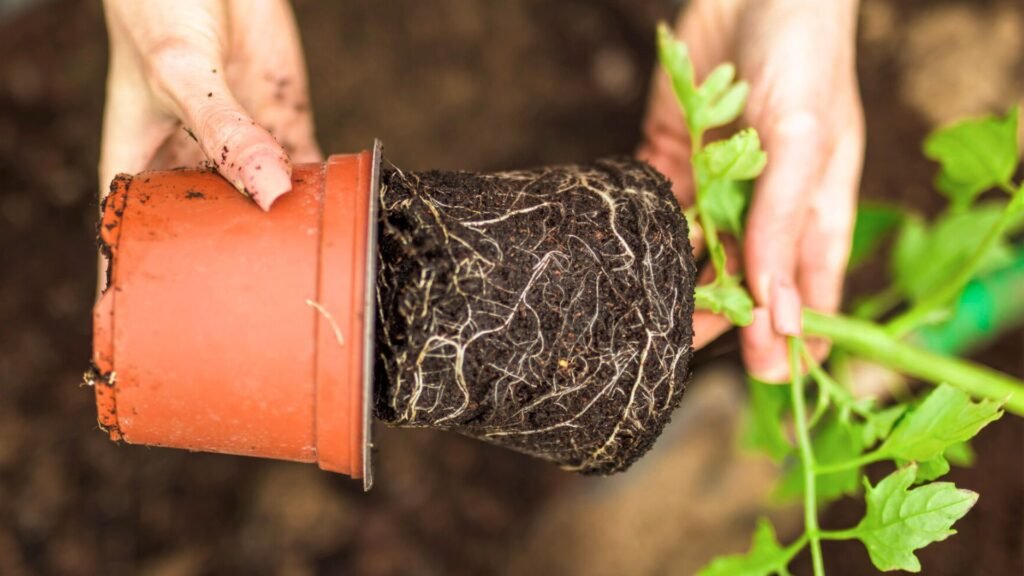
Plants grow until their roots fill the pot.
Signs your plant needs repotting:
- Roots appear from drainage holes
- Soil dries quickly
- Plant stops growing
- Roots form a dense ball
Repotting Steps:
- Water plant
- Remove gently
- Trim damaged roots
- Add fresh soil
- Place plant
- Water lightly
Repotting rejuvenates plant growth instantly.
8. Pruning: The Best Method to Encourage Growth
Pruning helps plants:
- Grow bushier
- Produce more flowers
- Reduce diseases
- Maintain shape
- Increase airflow
Simple Pruning Rule
Remove:
- Dead leaves
- Weak branches
- Crowded stems
- Diseased parts
For fruit trees:
- Remove older wood
- Keep young shoots
- Shape regularly
9. Disease Prevention: Simple Methods That Work
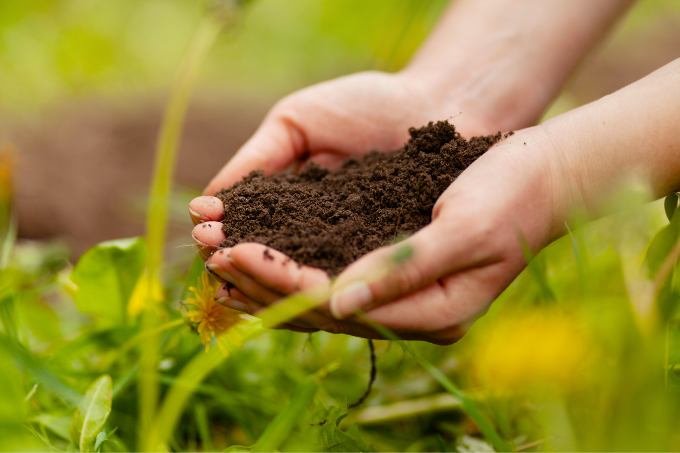
Healthy plants resist pests naturally.
Preventive Methods:
- Keep plants spaced
- Avoid wet soil
- Remove dead foliage
- Spray neem oil weekly
- Maintain airflow
- Keep soil clean
Natural Pest Control:
- Neem oil
- Soap solution
- Garlic spray
- Turmeric water
- Chili spray
These methods eliminate pests without harming plants.
10. Mulching: One of the Best Growth Methods
Mulch conserves water and adds nutrients.
Mulching Materials:
- Dry leaves
- Straw
- Coconut husk
- Grass
- Wood chips
Benefits:
- Reduces evaporation
- Prevents weeds
- Protects roots
- Improves soil
- Keeps temperature stable
Mulching is one of the best habits gardeners can follow.
11. Best Method for Flowering Plants
To boost blooming:
- Reduce watering slightly
- Provide extra sunlight
- Apply potassium fertilizer
- Prune mild
- Remove old flowers
These steps stimulate new buds and vibrant blooms.
12. Best Method for Fruit Trees
Fruit trees need:
- Full sunlight
- Balanced fertilizers
- Strong pruning
- Adequate water
- Good airflow
Key Tips:
- Use compost + neem cake
- Prune after harvest
- Remove diseased branches
- Support heavy branches
- Keep soil moist but not wet
This leads to:
Bigger fruits
Higher yield
Less disease
13. Consistency Is the Real Best Method
Plants thrive on routine.
Weekly Routine:
- Check soil
- Remove dead parts
- Water correctly
- Spray neem
- Loosen soil
- Add liquid fertilizer
- Check sunlight
Small steps done regularly produce huge results.
14. The Best Method Is Simplicity + Consistency
Healthy gardens are not made by perfection but by:
- Simple care
- Regular habits
- Natural nutrients
- Clean environment
- Balanced water
- Proper sunlight
Plants respond positively when conditions remain stable.
Conclusion: The Best Method of Growing Plants Is Simple, Natural, and Consistent
Growing plants does not require complicated techniques.
The best method is rooted in:
Healthy soil
Smart watering
Proper light
Natural fertilizers
Good pruning
Disease prevention
Consistency
When these factors come together, plants flourish effortlessly.
Whether you grow lemons, guava, roses, tomatoes, or indoor plants, these principles remain the same.
With patience and regular care, your plants will reward you with lush foliage, beautiful flowers, and delicious fruits.