Gardening is a world full of discovery, creativity, and endless possibilities. One of the most exciting parts of gardening is propagation—taking one plant and creating many. While most gardeners rely on familiar techniques like cuttings or seeds, there are also great and unique ideas that can help you multiply plants faster, easier, and with better success.
Whether you’re a beginner or a seasoned gardener, these innovative propagation strategies will open new doors for you. Today’s article explores methods that are simple, effective, and surprisingly fun—giving you a fresh approach to expanding your garden.
Let’s dive into the most unique and practical ideas that truly work.
1. Propagate Plants Using the “Bottle Chamber Method”
One of the most unique and extremely successful techniques is using a plastic bottle as a miniature greenhouse.
Why it works:
- Maintains consistent humidity
- Prevents excessive moisture loss
- Protects the cutting from wind and pests
- Speeds up root formation
How to do it:
- Cut a plastic bottle horizontally.
- Fill the bottom half with well-draining soil.
- Insert your cutting 2–3 inches deep.
- Place the upper half back as a lid.
- Keep in bright, indirect light.
Within weeks, you’ll notice new leaves and strong roots.
This method is excellent for rose, hibiscus, bougainvillea, lemon, guava, papaya seedlings, coleus, jade plant, and money plant.
2. The “Soil-less Propagation” Technique
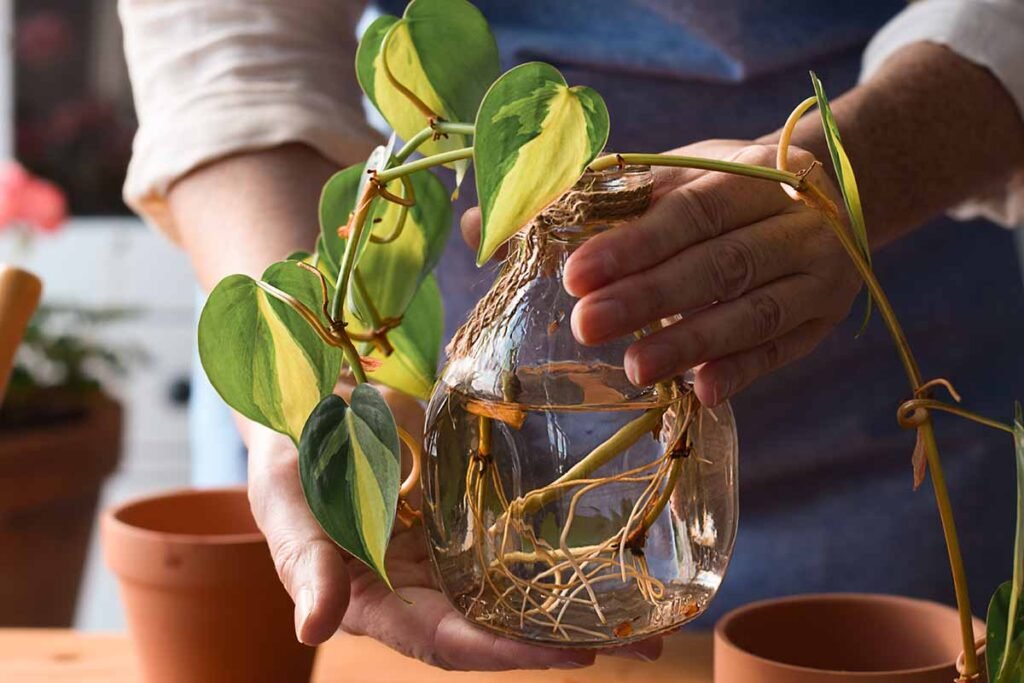
Many plants root faster without soil. This is one of the most unique ways to propagate.
Popular mediums include:
- Water
- Perlite
- Vermiculite
- Sphagnum moss
- Coconut husk chips
Why this method is special:
- Reduces fungal infection
- Allows you to see root growth
- Keeps moisture around the stem
- Ideal for indoor plants
Best plants for soil-less propagation:
- Pothos
- Syngonium
- Philodendron
- Mint
- Basil
- Wandering Jew
- Money plant
Water propagation is especially loved because it is both decorative and effective.
3. The “Air-Rooting in Bag” Technique
This is a unique twist on air-layering—but simpler, cheaper, and faster.
Steps:
- Wrap a moist handful of coco peat or moss around a node.
- Cover it gently with a small zip-lock bag.
- Tie both ends tightly.
- Leave for 2–4 weeks.
Roots will form inside the bag while the stem remains attached to the mother plant.
Best plants:
- Guava
- Lemon
- Citrus
- Figs
- Pomegranate
- Rubber plant
- Adenium branches
This technique is perfect when you want a big, mature plant instantly, rather than starting from a small cutting.
4. Propagation Using Banana Stem Water
A surprisingly unique idea is using banana stems to boost root growth.
Why banana water works:
Banana stems contain:
- Potassium
- Natural growth hormones
- Moisture-retaining fibers
When soaked in water, these release into the solution, acting as a natural rooting booster.
How to use:
- Chop banana stem into small pieces.
- Soak in water for 12–24 hours.
- Dip cuttings in this enriched water.
- Plant in a light soil mix.
This increases rooting speed for hard-to-root plants like lemon, guava, and hibiscus.
5. “Root in a Hole” — A Great Method for Woody Plants
A barely-known but highly effective trick:
Technique:
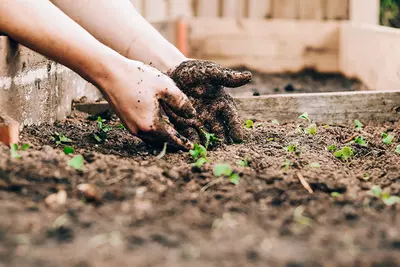
- Dig a small hole in loose soil near the mother plant.
- Place a branch horizontally in the hole.
- Cover lightly with soil while keeping the tip outside.
- Water regularly.
Roots form along the buried nodes, and after a few months, you can cut and transplant the rooted section.
This is nature’s own propagation method.
Works well for:
- Guava
- Grape vines
- Lemons
- Mulberry
- Jasmine
- Roses
6. Propagation Through “Mini-Cuttings”
Instead of using long cuttings, try propagating using very small cuttings—only 1–2 inches long.
Why they root faster:
- Less evaporation
- More nodes in close contact with the soil
- High humidity requirement
- Low energy consumption
Best suited for:
- Jasmine
- Tulsi
- Coleus
- Rosemary
- Mint
- Many succulents
Mini-cuttings multiply plants very fast and require least space.
7. The “Direct Sand Planting” Method
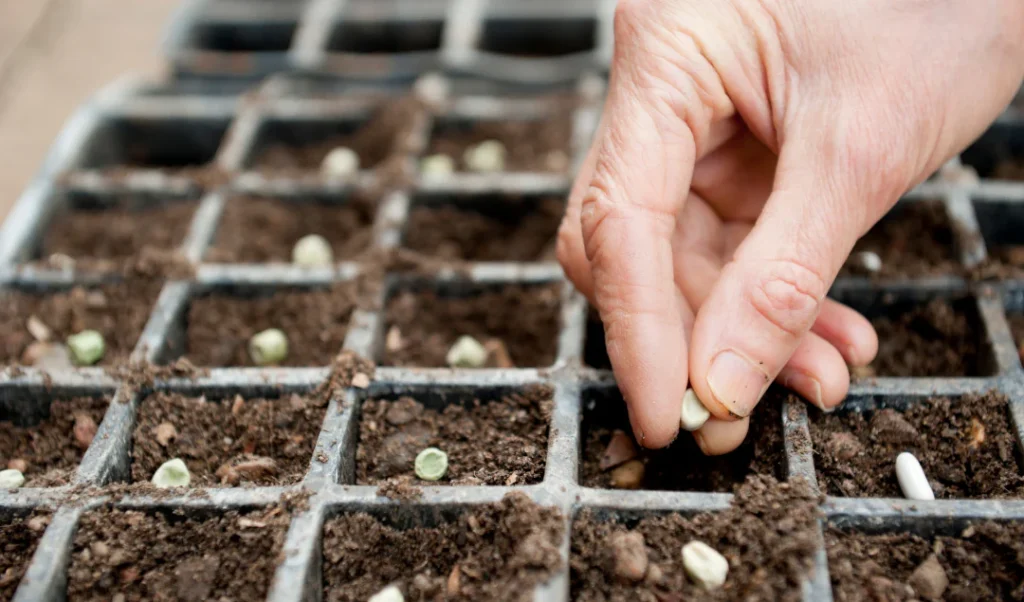
Pure river sand is one of the most underrated propagation mediums.
Benefits:
- Eliminates fungal issues
- Ultra fast drainage
- Encourages strong root growth
- Perfect for tropical plants
- Makes roots thicker and healthier
Ideal plants:
- Bougainvillea
- Hibiscus
- Guava
- Lemon
- Pomegranate
- Curry leaves
- Rose
Once roots form, you can shift them to nutrient-rich soil.
8. Using Aloe Vera as a Natural Rooting Agent
Aloe is not just a skin healer—it is a powerful plant healer too.
Benefits:
- Contains anti-fungal sap
- Boosts moisture retention
- Speeds up root development
How to use:
- Slice a large aloe leaf open.
- Dip the cut end of your cutting into the inner gel.
- Plant directly into soil or moss.
This method is especially effective for succulents, roses, pothos, and many fruit plants.
9. Propagate Using the “Cup Lid Moisture Dome”
A very unique trick using disposable cups.
Steps:
- Plant the cutting in a small cup.
- Use another cup upside-down as a humidity dome.
- Poke a few small holes on top.
This mini-propagation chamber provides:
- Perfect humidity
- Germ-free environment
- Controlled oxygen exchange
Cuttings root fast and stay healthy.
10. Propagation with “Root-Boost Tea”
Create a homemade organic fertilizer that works wonders for rooting.
Ingredients:
- 1 tablespoon jaggery
- A handful of cow dung (optional)
- A pinch of cinnamon
- ½ cup compost
- Water
Let it ferment for 24 hours.
Use this to water your cuttings once a week.
It boosts:
- Microbial activity
- Hormone production
- Root density
- Soil health
Tips to Maximize Success with These Unique Ideas
Use clean tools
Prevents infections.
Avoid direct sunlight
Cuttings must stay in filtered light.
Use the right season
Best times:
- Monsoon
- Spring
- Early autumn
Keep humidity high
Roots form faster in moist air.
Don’t disturb developing cuttings
Let them root in peace.
Final Thoughts
Propagation is one of the most exciting adventures in gardening—and it becomes even more enjoyable when you try great and unique ideas that actually work. Whether you’re creating new plants for free, growing rare varieties, or expanding your garden into a lush paradise, these methods give you endless possibilities.
From bottle-greenhouses to banana-water boosters, from mini-cuttings to sand rooting, each method brings nature’s magic right into your hands. With patience, care, and these smart techniques, you’ll soon find yourself surrounded by flourishing plants that you propagated yourself.