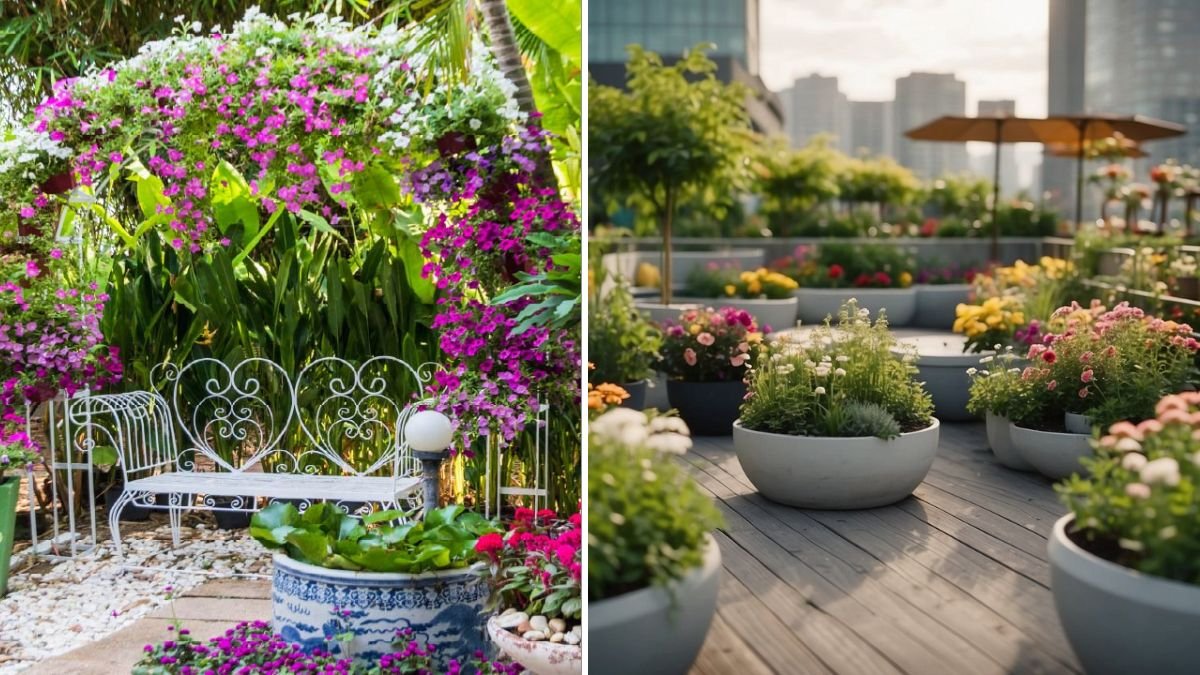
Are you ready to grow your own beautiful garden—one that’s full of fresh vegetables, flavorful herbs, colorful flowers, and healthy fruit trees? Whether you are a beginner or someone rediscovering the joy of planting, starting a garden is one of the most rewarding experiences you can gift yourself. It connects you with nature, fills your space with beauty, and gives you home-grown produce that tastes far better than anything you buy at a store.
This guide will walk you through everything you need to know to start your dream garden successfully. From choosing the right plants to preparing the soil, watering correctly, and keeping your plants healthy—this 1200-word master guide has you covered.
Let’s dig in!
Why Growing Your Own Garden Is Life-Changing
Starting your own garden has countless benefits:
Fresh, Chemical-Free Food
You know exactly what goes into your food.
Stress Relief
Gardening reduces stress and boosts mental well-being.
Exercise
Watering, pruning, digging—it’s all healthy movement.
A Happier Home
Plants make your surroundings greener, cooler, and more peaceful.
Cost Saving
Home-grown herbs, vegetables, and fruits reduce monthly expenses.
If you’re “ready to grow your” garden this year—this guide is the perfect place to begin.
Step 1: Decide What You Want to Grow
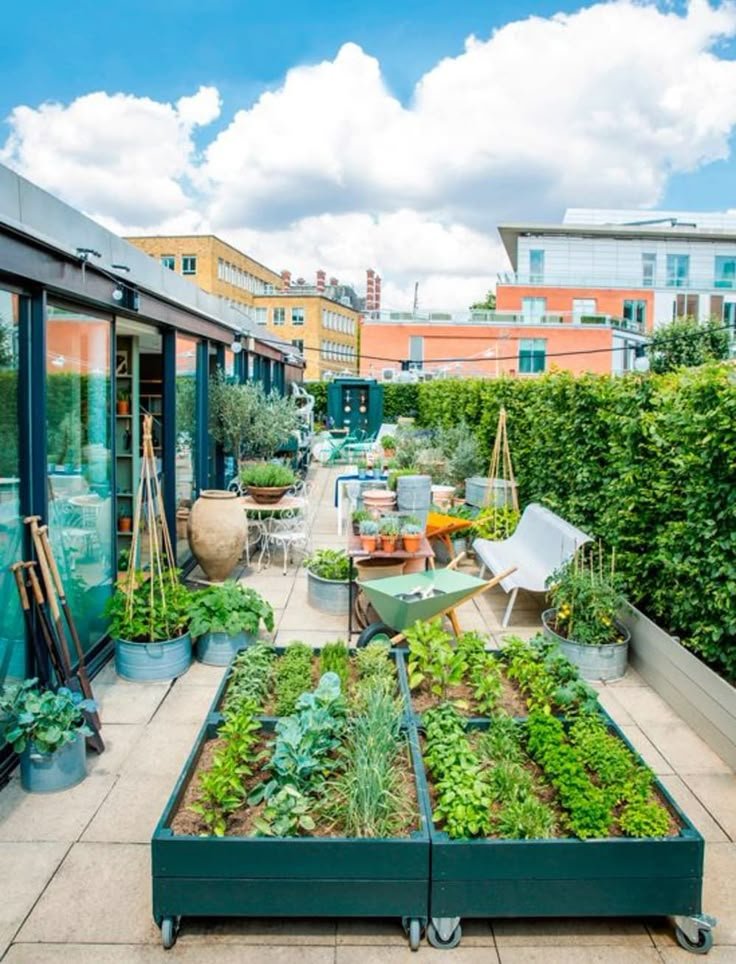
This is the most important step. Pick plants depending on:
Climate
Warm-weather plants: chili, tomatoes, papaya, okra
Cool-weather plants: cabbage, broccoli, lettuce
Space
Small balcony: herbs, leafy greens, cherry tomatoes
Large backyard: fruit trees, root vegetables, climbers
Time
Herbs: Quick and easy
Fruit trees: Long-term investment
Flowers: Seasonal burst of color
Recommended Plants for Beginners
- Mint
- Basil
- Lemon
- Guava
- Spinach
- Tomatoes
- Marigold
- Money plant
Choose a mix of fast-growing and long-term plants to enjoy regular harvests and stable growth.
Step 2: Choose the Right Location
Plants need the right environment to thrive. Here’s what you must look for:
Sunlight
Most vegetables need 4–6 hours of direct sunlight daily.
Leafy greens and some herbs thrive even in partial shade.
Air circulation
Plants need fresh air to avoid fungal growth.
Water accessibility
Make sure your garden is close to a water source.
Space planning
Climbers need support, fruit trees need room, herbs grow well in small pots.
If you don’t have open space—don’t worry!
You can grow plenty of plants in:
- Containers
- Hanging baskets
- Vertical gardens
- Window sills
Step 3: Prepare the Soil for the Best Growth
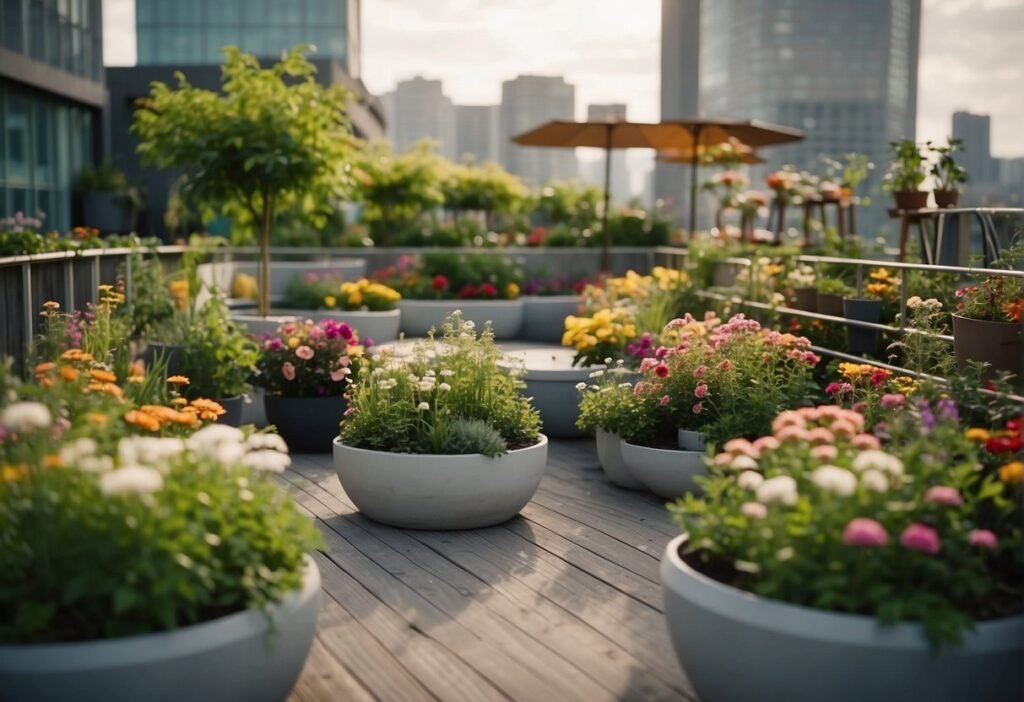
Good soil is the heart of a healthy garden. Whether in pots or ground, your soil should be:
- Loose
- Nutrient-rich
- Well-draining
- Slightly moist
Perfect Soil Mix for Pots
Mix the following for best results:
- 40% Garden soil
- 30% Compost / Cow dung manure
- 20% Cocopeat
- 10% Sand / Perlite
This combination provides:
Good drainage
High organic matter
Excellent aeration
Strong root growth
Add Organic Matter Regularly
Compost, decomposed manure, neem cake, and vermicompost enrich the soil and improve plant health.
Step 4: Select the Right Containers
Containers can be plastic pots, grow bags, buckets, clay pots, or wooden planters.
Recommended Pot Sizes
- Herbs: 6–8 inches
- Vegetables: 10–12 inches
- Tomatoes / Chilies: 12–14 inches
- Fruit plants: 15–20 inches
Make sure every pot has drainage holes at the bottom.
Without drainage, roots rot easily.
Step 5: Planting Seeds or Seedlings
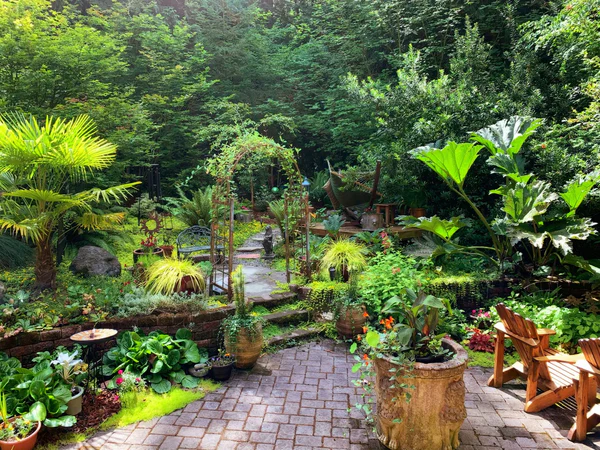
Now the exciting part—planting!
From Seeds
- Soak seeds in water for 2–4 hours
- Plant them 1–2 cm deep
- Keep soil moist, not wet
- Cover seed trays to boost germination
From Seedlings
- Gently remove the seedling
- Place it in soil at the same depth
- Press soil lightly
- Water slowly
For fruit trees, choose healthy nursery plants with strong stems and disease-free leaves.
Step 6: Watering the Right Way
Watering is the most common mistake beginners make.
The Golden Rule:
Water deeply but not frequently.
This encourages strong root development.
Morning is the best time
Avoid watering in the afternoon heat.
Check soil before watering
Insert your finger 2 cm into the soil:
- Dry → water
- Moist → wait
Avoid overwatering
Overwatering causes:
- Yellow leaves
- Root rot
- Slow growth
Step 7: Feed Your Plants with Natural Fertilizers
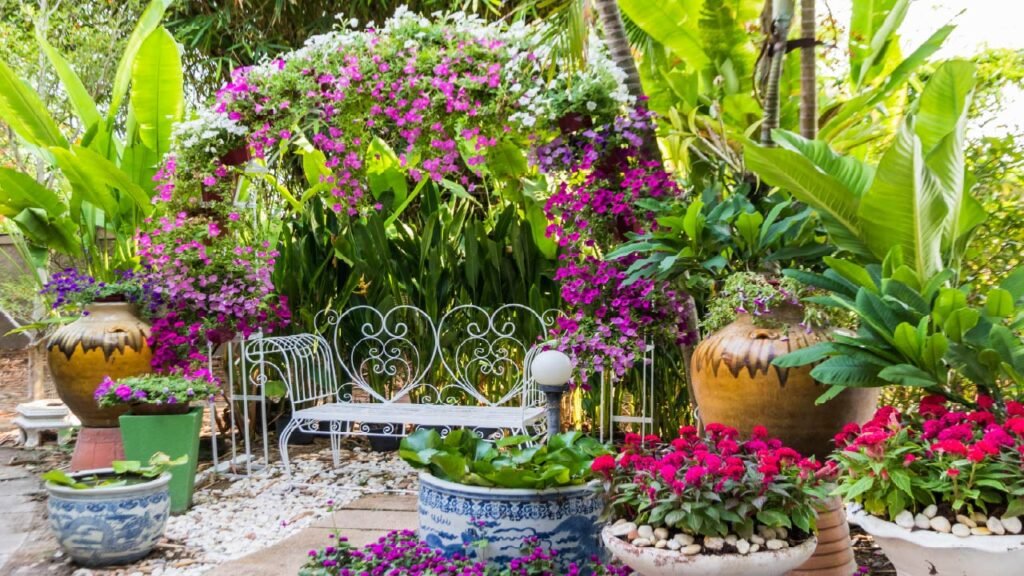
Plants need regular nutrients, especially in containers.
Feed them every 15–20 days with:
Organic Fertilizer Options
- Vermicompost
- Cow dung manure
- Compost
- Banana peel fertilizer
- Eggshell fertilizer
- Mustard cake liquid
- Seaweed extract
- Fish amino acid (diluted)
Organic fertilizers improve soil health and boost plant immunity.
Step 8: Manage Pests Naturally
Every garden faces pests—don’t panic!
Use organic solutions instead of chemicals.
Common Natural Pest Controls
- Neem oil spray
- Soap water spray
- Garlic-chili spray
- Baking soda + water for fungal issues
Attract Beneficial Insects
Ladybugs, bees, and butterflies help control pests and improve pollination.
Step 9: Pruning and Maintenance
Regular pruning keeps your plants healthy.
Benefits of Pruning
- Encourages new growth
- Improves sunlight penetration
- Prevents fungal infections
- Increases flowering and fruiting
Remove:
Dead leaves
Yellowing foliage
Weak branches
Excess growth
Step 10: Harvesting Your Hard Work
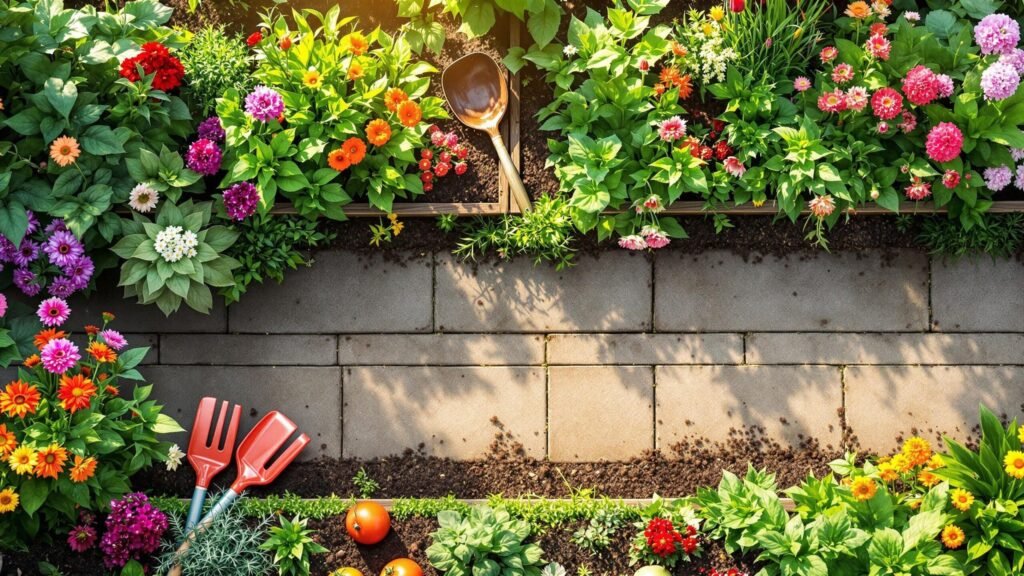
The most rewarding part of gardening is harvesting!
Harvest Tips
- Pick leafy greens early morning
- Harvest tomatoes when they turn soft and red
- Do not pull—cut with scissors
- Fruit trees: pick when fully ripe or slightly firm
Continuous harvesting encourages new growth.
Beginner-Friendly Plants to Start Today
Vegetables
- Spinach
- Beans
- Tomatoes
- Chillies
- Okra
Flowers
- Marigold
- Petunia
- Rose
- Calendula
- Sunflower
Fruits
- Lemon
- Guava
- Papaya
- Banana
- Fig
Herbs
- Mint
- Basil
- Coriander
- Curry leaves
- Thyme
These plants are easy to grow and perfect for beginners.
Final Thoughts: Your Dream Garden Starts Today
If you’re “ready to grow your” own garden, there’s no better time to start than right now. You don’t need huge land or expensive tools. All you need is:
The right soil
Good sunlight
Proper watering
Patience
Love for plants
Gardening is a journey—not a race. Every plant teaches you something new. And with each harvest, your confidence grows along with your garden.