Lemon trees are among the most beloved fruit trees for home gardeners. Their vibrant fragrance, evergreen foliage, and year-round productivity make them a perfect addition to any garden—big or small. But what truly excites most gardeners is the ability to grow more lemon trees from just one healthy parent plant.
Whether you’re looking to expand your citrus collection, share plants with friends, or grow lemon trees faster and cheaper, propagation is the secret. And the good news? Lemon trees are surprisingly easy to propagate using a few reliable methods.
In this detailed guide, you’ll learn the best methods for propagating lemon trees, including step-by-step instructions, expert tips for faster rooting, and the key mistakes you must avoid. With the right approach, you can turn even a small cutting into a productive lemon tree within months.
Why Propagate Lemon Trees?
Before jumping into the methods, let’s understand why propagation is so beneficial:
Cost-effective
You can grow many lemon trees from one plant—completely free.
Faster fruiting
Trees grown from cuttings or air-layering can fruit much earlier than seed-grown trees.
True-to-type plants
Seed-grown lemons may not match the parent plant, but propagated plants are identical clones.
Fun and rewarding
Watching a small cutting turn into a full tree is one of the most satisfying gardening experiences.
The 3 Best Methods for Propagating Lemon Trees
There are several ways to propagate lemon trees, but these three give the best success rate:
- Stem Cuttings (Fastest & Most Popular)
- Air-Layering (Highest Success Rate)
- Seed Propagation (Fun but Slow)
Let’s explore each method in detail.
1. Propagating Lemon Trees from Stem Cuttings
(Fastest, easiest, and most reliable for home gardeners)
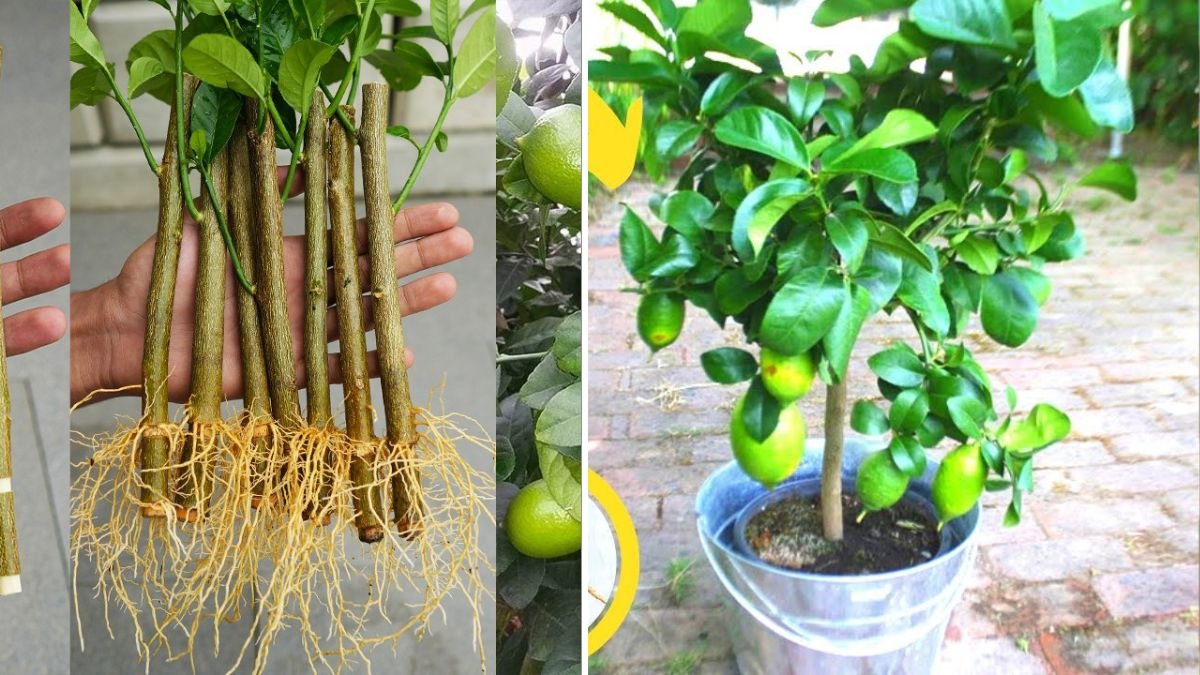
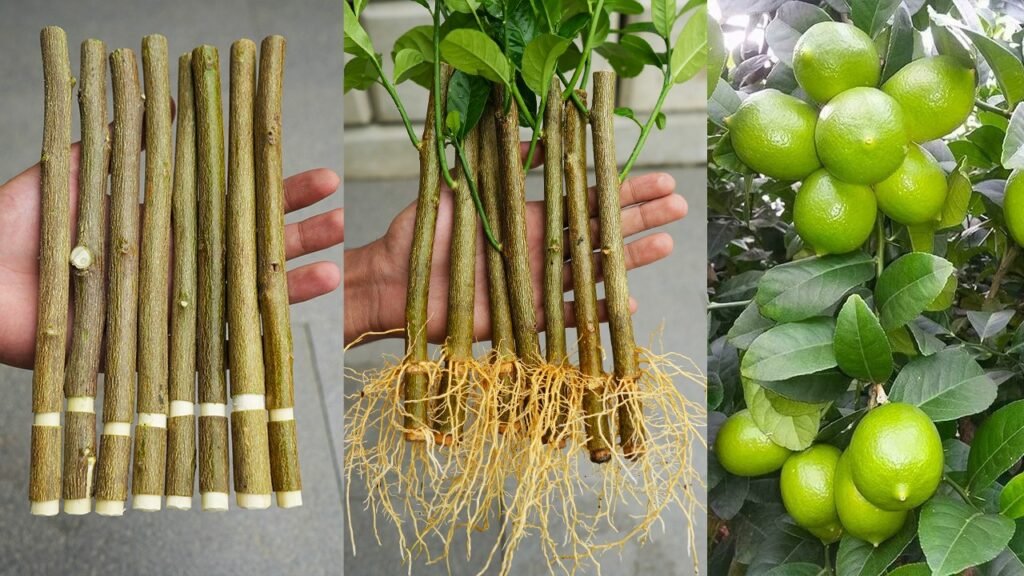
Propagation from stem cuttings is the most widely used method for growing lemon trees quickly. When done correctly, you can root cuttings in 3–5 weeks and have a healthy young plant in just a few months.
What You Need:
- Healthy lemon branch
- Sterile scissors or pruning shears
- Pot with drainage
- Soil mix: (40% cocopeat + 40% compost + 20% sand/perlite)
- Rooting hormone (optional but very effective)
- Transparent plastic bag or humidity dome
How to Take the Perfect Cutting
- Select a semi-hardwood branch (neither too soft nor woody).
- Cut a 6–8 inch piece just below a leaf node.
- Remove all leaves from the bottom half.
- Dip the base in rooting hormone for faster root development.
Planting the Cutting
- Insert the cutting 2–3 inches into the prepared soil mix.
- Press soil gently so it stands firm.
- Cover with a plastic bag to trap humidity.
- Place in bright, indirect sunlight.
Care Tips for Rooting Success
- Mist lightly every 2–3 days.
- Keep soil moist but not soggy.
- Remove the plastic cover daily for 10 minutes to prevent fungus.
Signs Your Cutting Has Rooted
- New leaves appear
- Cutting stands firm when gently pulled
- Soil dries slightly faster
Why This Method Works
Stem cuttings skip the juvenile phase, meaning they can produce fruit much faster than seed-grown lemons—sometimes within 1–2 years.
2. Air-Layering: The Most Powerful Method for Faster Lemon Trees
Air-layering is a method where roots are formed while the branch is still attached to the parent plant. This gives the new plant a huge energy boost.
It’s ideal if you want a large, mature, ready-to-grow lemon tree from day one.
Why Air-Layering Is Amazing:
- Almost 100% success rate
- Faster initial growth
- New tree often fruits within 12–18 months
- Works even for older, woody branches
What You Need:
- Healthy branch (finger-thick)
- Knife
- Cocopeat or moss
- Plastic wrap
- Rope or ties
- Rooting hormone (optional)
Steps:
- Choose a healthy branch and make a 1-inch ring cut removing the bark completely.
- Scrape lightly to remove green cambium layer.
- Apply rooting hormone.
- Wrap moist cocopeat around the cut area.
- Cover tightly with plastic to seal moisture.
- Leave for 4–8 weeks until roots are visible.
- Cut below the rooted area and plant in a pot.
Care After Rooting
- Keep the new plant in partial shade for 2 weeks.
- Water gently but regularly.
- Move to full sun gradually.
Result:
You get a fully grown lemon sapling with a mature stem and a strong root system—ready to grow extremely fast.
3. Propagating Lemon Trees from Seeds
(Fun to try—but slow and unpredictable)
Growing lemons from seeds is easy, but comes with a few caveats:
Seed-grown trees may not produce fruits identical to the parent.
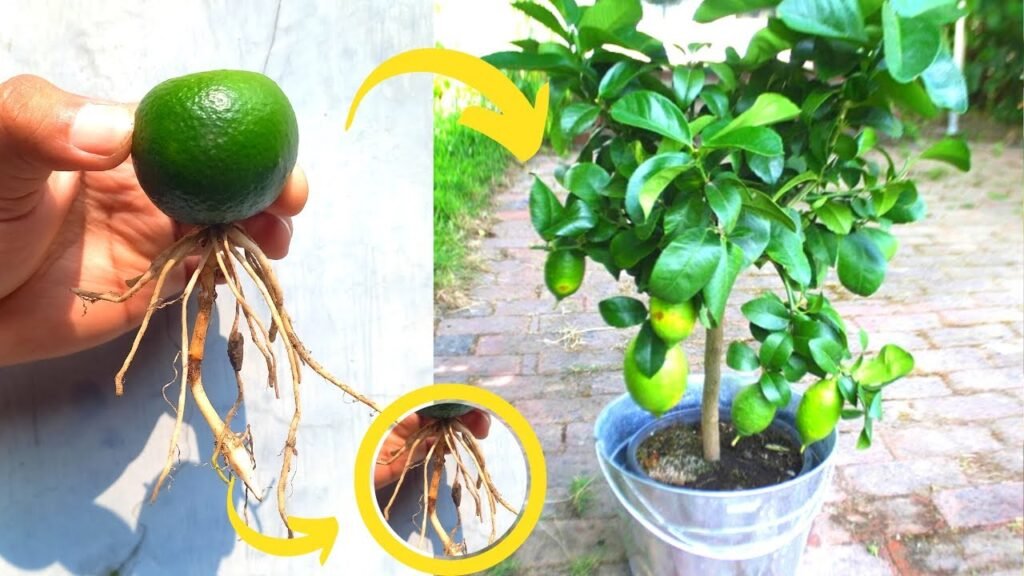
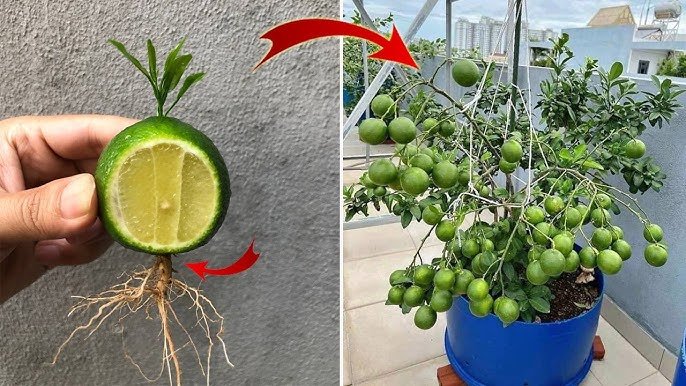
They take longer to fruit (4–7 years).
Still, it’s a rewarding project—especially for beginners.
Steps:
- Remove seeds from a fresh lemon.
- Wash off all pulp thoroughly.
- Dry for 30 minutes.
- Plant seeds ½ inch deep in moist soil.
- Cover with plastic wrap for humidity.
- Place in indirect sun.
Seedlings appear in 10–20 days.
Care Tips:
- Keep soil moist
- Provide bright but indirect light
- Transplant after 2–3 months
If you’re patient, this method can produce beautiful lemon trees, though fruiting takes longer.
Bonus: Tips to Make Your Propagated Lemon Trees Grow Faster

Propagation is just the first step. To ensure rapid growth, follow these powerful tips:
1. Give Them Full Sunlight
Lemon trees need 6–8 hours of direct sunlight daily.
Sun = stronger stems, greener leaves, faster growth, more fruit.
2. Water Properly
Overwatering can kill young propagated plants.
Follow this rule:
✔ Keep soil moist—not drenched
✔ Water only when top soil feels dry
3. Use the Right Soil Mix
Lemon roots need airy soil.
Use:
- 40% cocopeat
- 40% compost
- 20% sand/perlite
This prevents fungal issues and boosts root growth.
4. Organic Fertilizers That Work Wonderfully
Feed every 30–40 days using:
- Vermicompost
- Cow dung
- Banana peel fertilizer
- Seaweed extract
- Bone meal (for flowering)
Avoid chemical fertilizers for young plants.
5. Prune Right for a Strong Structure
Once your propagated lemon plant is stable:
- Pinch off the top to encourage branching
- Remove weak shoots
- Shape into an open, airy structure
More branches = more lemons.
6. Protect from Pests Naturally
Young plants attract pests easily.
Use:
- Neem oil spray every 15 days
- Soap water for aphids
- Turmeric water for fungal issues
Healthy plants grow much faster.
How Long Until Your Propagated Lemon Tree Fruits?
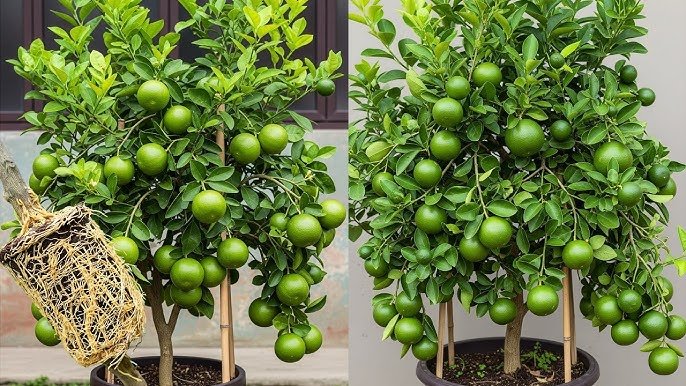
It depends on the method:
| Propagation Method | Expected Fruiting Time |
|---|---|
| Stem Cuttings | 1–2 years |
| Air-Layering | 12–18 months |
| Seed-Grown | 4–7 years |
If you want the fastest results, stick to cuttings or air-layering.
Final Thoughts: Grow Lemon Trees Easily and Successfully
Propagating lemon trees is a joyful journey that gives you the ability to multiply your favorite citrus varieties effortlessly. Whether you choose stem cuttings, air-layering, or seeds, each method has its unique charm and benefits.
For most gardeners, stem cuttings and air-layering offer the fastest, most reliable growth—leading to early fruiting and strong, healthy trees.
With patience, the right techniques, and consistent care, you’ll soon enjoy a beautiful collection of lemon trees producing fresh, fragrant fruits right at home.