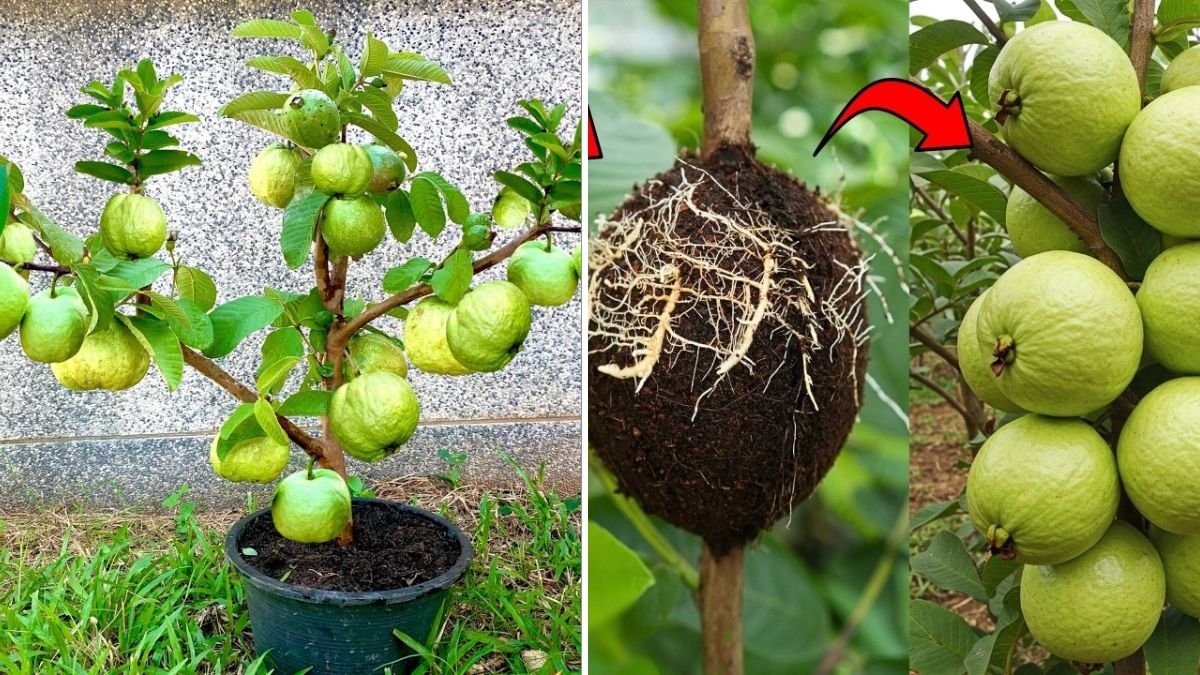
Guava is one of the most rewarding fruit trees you can grow at home. It’s hardy, fragrant, productive, and adapts beautifully to tropical and subtropical climates. But the truth is, many gardeners struggle with guava trees that grow slowly, take years to fruit, or fail to thrive after planting.
The good news? You can speed up guava tree growth dramatically with one simple technique—combined with the right soil, nutrition, pruning, and care. In this in-depth guide, you’ll discover the ONE powerful method that accelerates guava growth like magic, plus additional tips to help your plant fruit sooner, grow stronger roots, and stay healthy year-round.
The One Method to Grow Guava Trees Faster: Air-Layering (Marcotting)
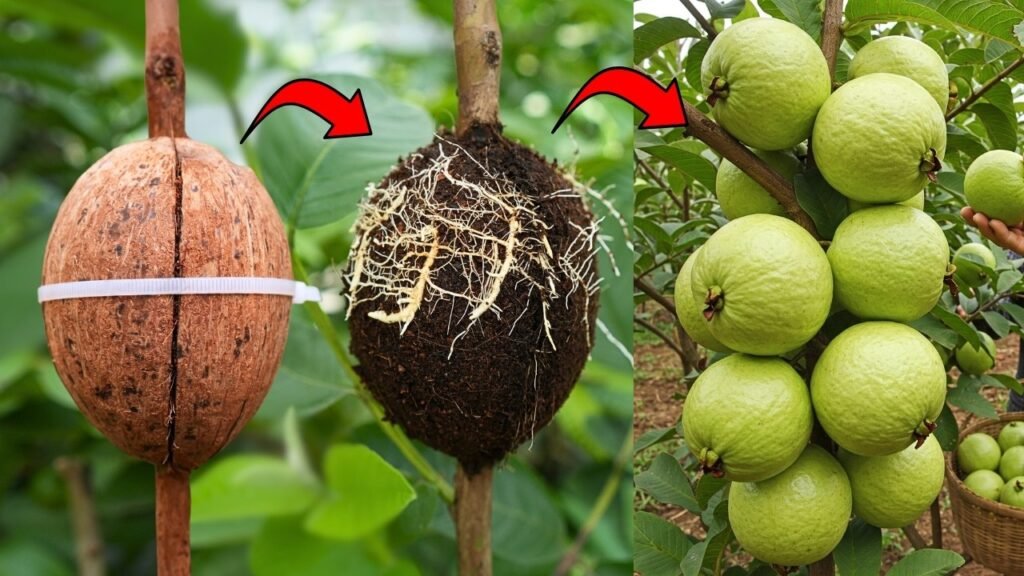
If you want a guava tree that grows twice as fast, starts fruiting much earlier, and stays true to the parent plant, air-layering is the secret technique. Instead of waiting 2–4 years for a guava grown from seed, an air-layered guava plant can fruit in as little as 8–12 months after planting.
Why Air-Layered Guava Trees Grow Faster
- They come with a strong, semi-mature branch that grows immediately
No seedling stage, no slow establishment phase. - Ready-made root system forms before planting
This gives them a powerful head start. - Guaranteed fruit quality
The new plant is an exact clone of your favorite guava tree. - Shorter juvenile phase
Mature wood → faster fruit initiation.
How to Do It (Simple Version)
Air-layering may sound complicated, but it’s surprisingly simple:
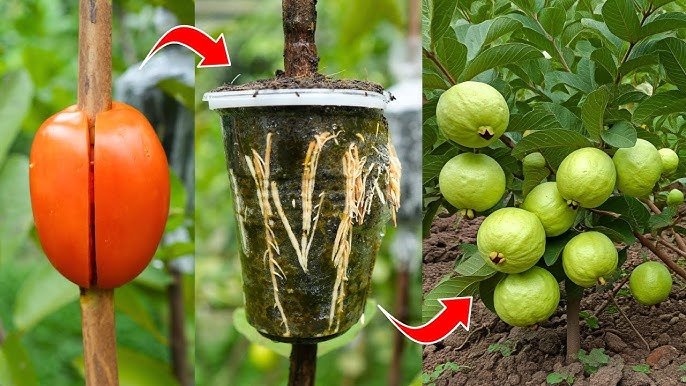
- Select a healthy branch (pencil- to thumb-thick).
- Remove a ring of bark (1–1.5 inches wide).
- Apply rooting hormone (optional but speeds things up).
- Wrap the exposed area with moist coco peat or moss.
- Cover tightly with plastic wrap to hold moisture.
- Leave for 4–8 weeks until white roots appear.
- Cut below the rooted area and plant in soil.
Within a few weeks, your new guava plant will start growing vigorously.
Step-by-Step: How to Grow Your Guava Tree Even Faster After Planting
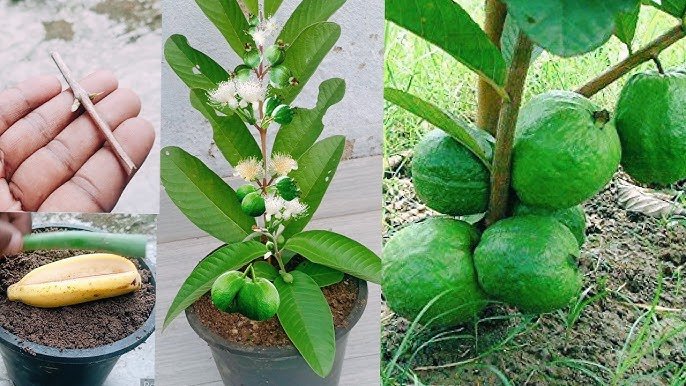
Once you have your air-layered plant, the next steps determine whether it becomes a fast-growing, productive tree or a slow, weak one. Follow these methods to maximize growth speed.
1. Choose the Right Soil Mix
Guava loves light, airy, fertile soil that drains well.
Ideal Soil Mix (Fast-Growth Mix)
- 40% garden soil
- 30% compost or cow dung
- 20% cocopeat
- 10% sand/perlite
This combination gives:
✔ Good aeration
✔ Strong root expansion
✔ Consistent moisture
✔ Balanced nutrition
Bonus Tip:
Add a handful of neem cake to prevent root pests and fungal issues.
2. Give Your Guava Tree Full Sun
Guava is a sun-loving tree. For fast growth, it needs:
⭐ 6–8 hours of direct sunlight daily
Less sun = slow growth, fewer branches, late fruiting.
Place it in the sunniest spot you have, especially during early morning and noon hours.
3. Water Smartly: Keep Soil Moist, Not Wet
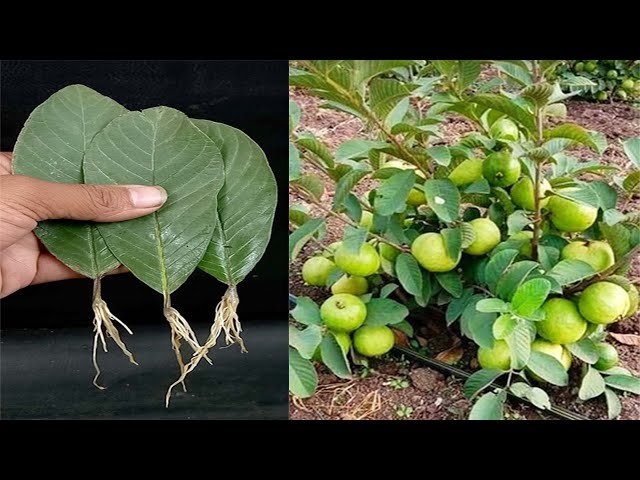
Guava doesn’t like soggy roots—but drying out slows growth too.
✔ Watering Rules:
- Water 2–3 times per week during warm months.
- Reduce watering in winter.
- Keep soil moist but not waterlogged.
TIP:
Mulch with dry leaves or coco husk to retain moisture and reduce evaporation.
4. Feed Your Guava Tree the Right Fertilizers
Fast growth requires balanced nutrition.
Best Organic Fertilizers for Quick Growth:
- Vermicompost (Slow, steady nutrients)
- Cow dung compost (Boosts vigour)
- Banana peel fertilizer (Potassium for strong stems)
- Bone meal (Promotes flowering and early fruiting)
- Seaweed extract (Speeds up root development)
Fertilizer Schedule:
- Every 45 days: 1–2 kg compost
- Every 30 days: liquid fertilizer (seaweed, compost tea, or banana tea)
- Every 3 months: handful of bone meal + 100g neem cake
This nutrition plan ensures fast, strong, steady growth.
5. Pruning Magic: Shape for Faster Growth and More Fruit
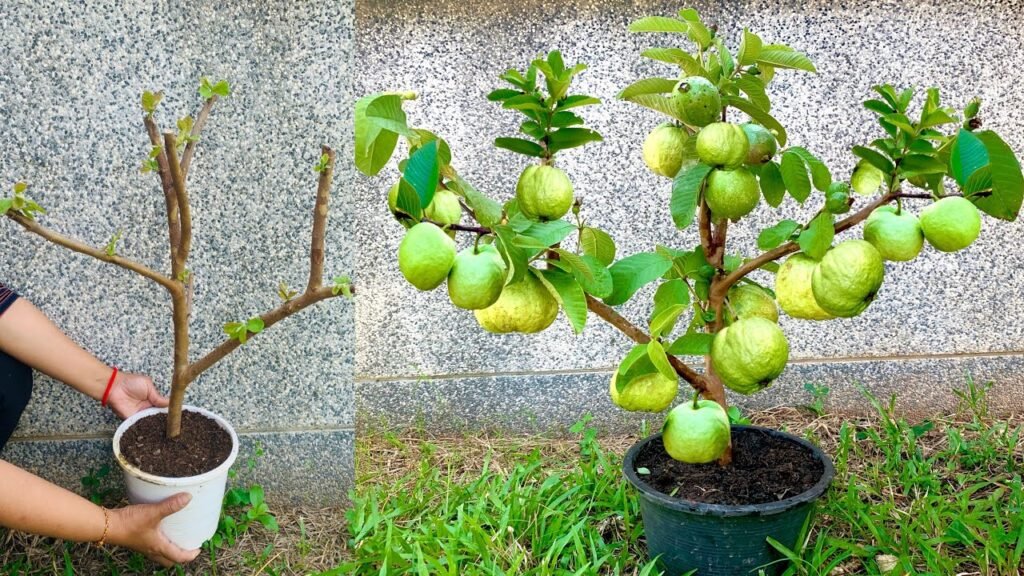
Guava trees grow thick and bushy.
Proper pruning is the KEY to fast growth.
Prune to Promote New Branches
- Cut the main stem at 2–3 feet height.
- Allow 4–6 strong branches to form the main structure.
- Remove inward-growing branches for good airflow.
Why Pruning Works:
✔ Stimulates new growth
✔ Encourages fruiting shoots
✔ Prevents energy loss in unwanted branches
Guava fruits best on new branches, so pruning = more fruit.
6. Repot or Transplant at the Right Time
If you’re growing guava in a pot, choose:
⭐ Minimum 18–24 inch pot
⭐ Bigger pots = larger roots = faster growth
Repot when roots circle the pot or soil dries quickly.
If planting in the ground, choose a sunny, open area with good drainage.
7. Protect from Pests Naturally
Guava trees grow faster when they’re healthy.
Common pests:
- Fruit flies
- Mealybugs
- Aphids
- Leaf miners
Natural Protection:
- Spray neem oil every 15 days
- Mix turmeric powder in water as a mild fungicide
- Use sticky traps to catch fruit flies
8. Seasonal Care for Maximum Growth
Spring:
Best time for fast growth.
Feed heavily and prune lightly.
Summer:
Water regularly and add mulch.
Spray neem to prevent pests.
Monsoon:
Explosive growth phase!
Add compost and seaweed tonic.
Winter:
Growth slows.
Reduce watering and avoid heavy feeding.
When Will Your Guava Tree Fruit?
If you follow the air-layering method and proper care:
⭐ Fruit starts within 8–12 months
⭐ Full production in 2–3 years
⭐ High yield for 20+ years
Air-layered trees always fruit faster and more reliably than seed-grown ones.
Final Thoughts: Grow Your Guava Tree Faster with Smart Gardening
Growing guava fast is not about luck—it’s about using the right technique and giving the plant what it needs. Air-layering is the ONE method that gives your guava tree a massive head start. Combined with rich soil, proper sunlight, regular feeding, and thoughtful pruning, you’ll have a strong, fast-growing guava tree that rewards you with sweet fruits much earlier than expected.