Irrigation is the controlled application of water to crops or gardens. It ensures plants receive the right moisture at the right time. Efficient irrigation improves crop growth, quality, and yield. It also conserves water, especially in areas with limited rainfall. Understanding irrigation methods is essential for both home gardeners and commercial farmers. Proper irrigation reduces soil erosion and nutrient loss. It prevents overwatering, which can harm roots. Adapting irrigation techniques improves plant health. Selecting the right method depends on crop type, soil, and climate. Modern irrigation combines traditional knowledge with technology.
Importance of Proper Irrigation
Proper irrigation ensures optimal plant growth and productivity. It maintains soil moisture levels suitable for root development. Efficient water use reduces wastage and lowers costs. Irrigation prevents drought stress, ensuring consistent growth. It can improve nutrient uptake from the soil. Poor irrigation leads to waterlogging, root rot, or nutrient deficiencies. Correct timing and method minimize plant stress. Irrigation efficiency is crucial for sustainable agriculture. It also supports healthy ecosystems by reducing runoff. Proper irrigation contributes to long-term soil health.
Types of Irrigation Techniques
Common techniques include surface, sprinkler, drip, and sub-surface irrigation. Surface irrigation uses gravity to distribute water over the soil. Sprinkler irrigation sprays water over plants like rainfall. Drip irrigation delivers water directly to plant roots. Sub-surface irrigation applies water below the soil surface. Each technique has advantages and limitations. Selection depends on crop type, water availability, and budget. Some techniques reduce evaporation better than others. Efficiency and labor requirements vary between methods. Proper technique selection maximizes yield and conserves resources.
Surface Irrigation Method
Surface irrigation is traditional and widely used in fields. Water flows over the soil surface to reach plant roots. Types include furrow, basin, and border irrigation. Simple design and low cost make it popular. However, it may waste water through runoff or deep percolation. It works best on flat or slightly sloped fields. Requires soil preparation and leveling. Surface irrigation suits crops like rice, wheat, and maize. Monitoring water flow ensures uniform distribution. Maintenance involves clearing channels and controlling weeds.
Sprinkler Irrigation Method
Sprinklers mimic rainfall by spraying water over crops. They cover large areas efficiently. Sprinklers reduce labor and improve irrigation uniformity. Suitable for lawns, vegetables, and orchards. Sprinkler systems can be portable or fixed. Overhead sprinklers may cause leaf wetting, increasing disease risk. Adjust pressure and nozzle type for efficiency. Sprinklers reduce soil erosion compared to surface irrigation. Ideal for areas with uneven terrain. Automation options improve convenience and water management.
Drip Irrigation Technique
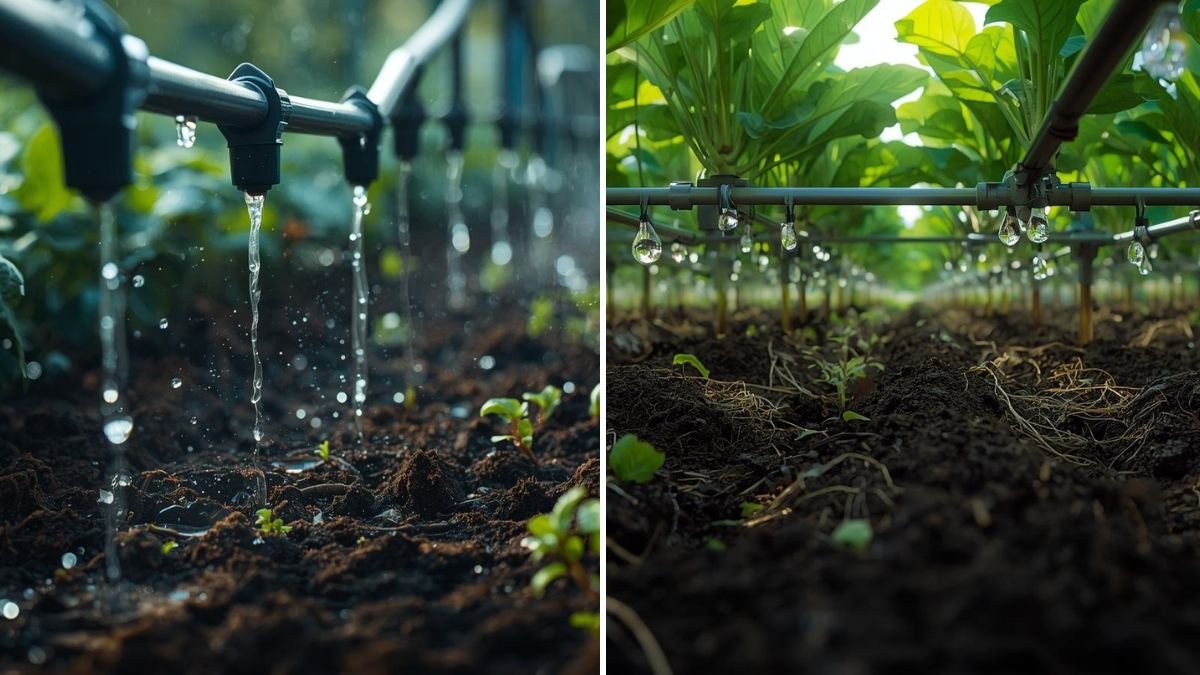
Drip irrigation delivers water directly to the root zone. It minimizes evaporation and runoff. Highly efficient and water-saving method. Best for vegetables, fruits, and container plants. Systems include pipes, emitters, and filters. Drip irrigation reduces weed growth between plants. Maintenance includes checking for clogs and leaks. Timed watering ensures consistent soil moisture. Drip systems can be automated with timers. They improve nutrient uptake and crop quality.
Sub-Surface Irrigation Method
Sub-surface irrigation delivers water below the soil surface. Reduces evaporation and surface runoff. Ideal for high-value crops and greenhouse production. Can be combined with drip systems for efficiency. Requires precise installation and monitoring. Prevents overwatering and fungal diseases. Enhances root growth and soil aeration. Sub-surface systems may have higher initial costs. Maintenance includes checking underground pipes for leaks. Suitable for areas with water scarcity.
Factors to Consider When Choosing Irrigation
Soil type affects water retention and movement. Crop type determines water needs and tolerance. Climate impacts evaporation and frequency of irrigation. Availability of water sources influences method selection. Cost and labor requirements are important for sustainability. Maintenance and system longevity affect overall efficiency. Topography determines method suitability. Environmental impact must be considered. Combining methods may optimize results. Planning ensures irrigation is effective and resource-efficient.
Water Scheduling for Plants
Water scheduling ensures crops receive the right amount at the right time. Factors include growth stage, weather, and soil moisture. Overwatering wastes water and harms roots. Underwatering stresses plants and reduces yield. Schedule irrigation early morning or late evening to reduce evaporation. Soil moisture sensors can automate timing. Adjust schedules during rainy or dry periods. Monitoring ensures consistent plant hydration. Proper water scheduling maximizes crop growth and productivity.
Soil Moisture Management
Maintaining soil moisture is crucial for plant health. Sandy soils require frequent, light watering. Clay soils benefit from less frequent, deep watering. Mulch helps retain moisture and reduce evaporation. Raised beds improve drainage and water distribution. Soil moisture meters assist in accurate measurement. Avoid waterlogging to prevent root rot. Deep watering encourages strong root systems. Soil moisture management supports nutrient uptake. Consistent soil moisture enhances plant vigor and fruit quality.
Fertilization Through Irrigation
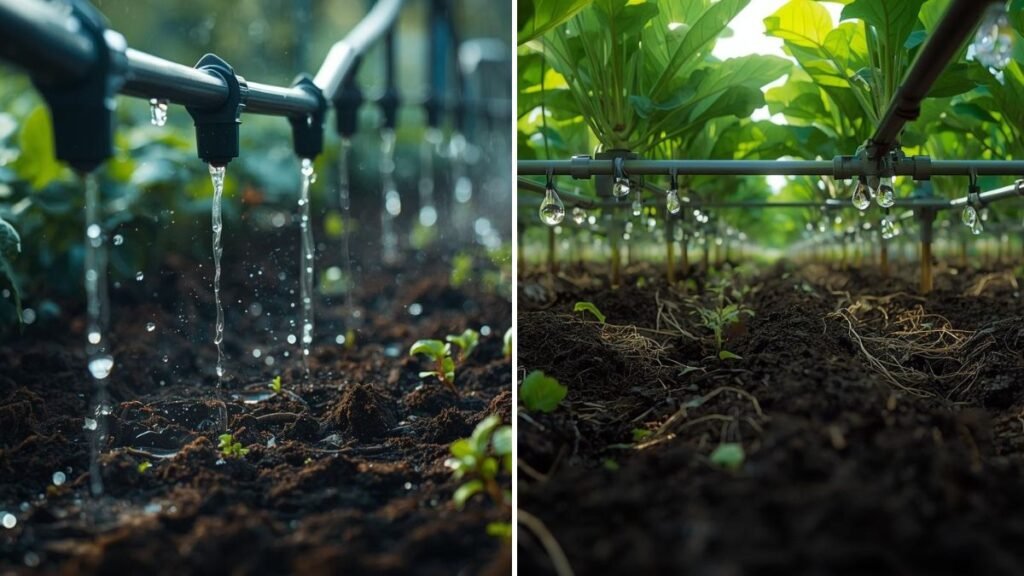
Fertigation combines irrigation with nutrient delivery. Nutrients are applied through drip or sprinkler systems. Ensures efficient nutrient use and uniform distribution. Reduces labor compared to manual fertilization. Fertigation improves crop quality and yield. Avoid over-fertilization to prevent nutrient runoff. Monitor system for clogging or uneven application. Fertigation is suitable for vegetables, fruits, and high-value crops. Timing and dosage are critical for effectiveness. Combines water and nutrient management efficiently.
Irrigation for Small Gardens
Even small gardens benefit from structured irrigation. Drip or soaker hoses work well for container and raised bed plants. Watering cans are effective for very small areas. Consistent watering prevents stress on herbs and vegetables. Use mulch to retain soil moisture. Collect rainwater for sustainability. Small-scale irrigation reduces water wastage. Automation options like timers simplify care. Efficient watering ensures healthy growth. Proper irrigation in small spaces enhances productivity.
Reducing Water Wastage
Choose efficient systems like drip or subsurface irrigation. Avoid watering during hot midday hours. Mulch helps reduce evaporation. Capture rainwater or recycle graywater. Monitor for leaks in pipes and hoses. Adjust watering schedules based on rainfall and plant needs. Group plants with similar water requirements. Avoid excessive runoff in sloped areas. Efficient irrigation conserves water and reduces costs. Sustainability is key for long-term gardening success.
Maintaining Irrigation Systems
Regular maintenance ensures optimal performance. Clean filters and pipes to prevent clogs. Inspect for leaks and broken emitters. Replace worn parts promptly. Monitor system pressure for uniform water delivery. Winterize systems in cold climates. Keep detailed records of water usage and maintenance. Proper maintenance increases system longevity. Avoid neglect to prevent plant stress. Consistent care ensures reliable irrigation.
Irrigation in Greenhouses
Controlled irrigation is vital in greenhouse production. Drip or misting systems are most common. Greenhouses require precise water and humidity management. Prevent leaf wetting to reduce fungal diseases. Automated timers help maintain consistent watering. Monitor soil moisture for each crop. Fertigation is easier in controlled environments. Greenhouse irrigation optimizes plant growth and fruiting. Controlled water delivery increases productivity.
Table: Comparison of Irrigation Methods
| Method | Water Efficiency | Suitable Crops | Cost | Maintenance |
|---|---|---|---|---|
| Surface | Low | Rice, Wheat | Low | Moderate |
| Sprinkler | Medium | Vegetables, Lawns | Medium | Moderate |
| Drip | High | Fruits, Vegetables | High | Moderate |
| Sub-surface | Very High | High-value Crops | High | High |
Conclusion on Irrigation Techniques
Choosing the right irrigation method enhances plant growth, yield, and water conservation. Efficient irrigation reduces labor, costs, and environmental impact. Drip and sub-surface methods are ideal for water-scarce areas. Proper scheduling, soil management, and maintenance improve results. Fertigation integrates nutrients with water delivery. Small and large gardens benefit from structured irrigation plans. Sustainable water management ensures healthy crops year-round. Careful planning and monitoring maximize efficiency. Irrigation is essential for modern and sustainable gardening.