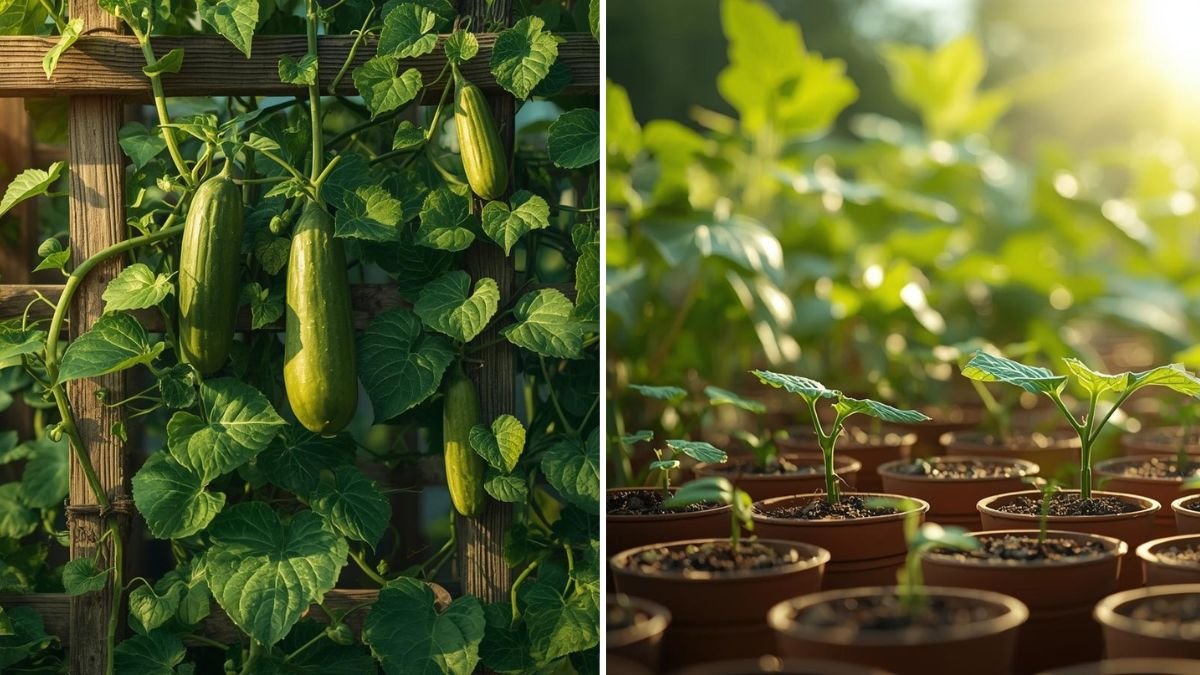
Cucumbers are refreshing, versatile, and highly nutritious. Homegrown cucumbers are free from pesticides and preservatives. Growing your own saves money and ensures fresh produce. They thrive in warm, sunny environments with regular care. Cucumbers adapt well to containers or garden beds. Understanding proper planting, watering, and support maximizes yield. Early knowledge prevents common mistakes. Home gardening allows year-round enjoyment with proper planning.
Selecting the Right Cucumber Variety
Bush cucumbers suit small spaces and containers. Vining cucumbers require trellises for support. Choose disease-resistant varieties for higher yield. Consider fruit size, taste, and intended use. Pickling cucumbers differ from slicing types. Climate compatibility ensures growth success. Variety affects maintenance and production. Correct choice improves overall harvest.
Preparing the Soil
Cucumbers prefer well-draining, fertile soil. Mix compost or aged manure for nutrient enrichment. Maintain pH between 6.0 and 7.0. Avoid compacted or clay-heavy soils. Loosen soil to allow root penetration. Proper soil promotes healthy growth and reduces disease. Mulch helps retain moisture. Soil preparation is critical for high yields.
Starting Seeds Indoors
Sow seeds 1 inch deep in seed trays. Keep soil consistently moist. Provide warmth (70-75°F) for germination. Germination occurs in 7-10 days. Transplant seedlings carefully to avoid root disturbance. Harden off before moving outdoors. Seedlings thrive under bright, indirect light. Early indoor starting extends growing season.
Planting in the Garden or Containers
Space plants according to variety requirements. Vining types: 12-18 inches apart, bush types: 6-12 inches. Use trellises for vertical growth. Containers require at least 12-inch depth and wide diameter. Maintain consistent soil moisture. Mulch around base reduces evaporation. Correct planting improves air circulation. Proper spacing prevents overcrowding.
Watering Strategies
Cucumbers need regular, deep watering. Avoid wetting foliage to prevent fungal diseases. Mulch helps conserve soil moisture. Water in the morning to reduce evaporation. Inconsistent watering causes bitter fruits. Monitor soil daily for dryness. Adjust water volume seasonally. Proper hydration ensures vigorous growth.
Fertilizing Cucumbers
Apply balanced fertilizers regularly. Organic options: compost tea, fish emulsion, or aged manure. Avoid over-fertilizing nitrogen to prevent excessive foliage. Fertilize at soil level, not on leaves. Follow recommended schedule. Proper feeding supports flowering and fruiting. Nutrients improve fruit quality. Balanced fertilization boosts overall yield.
Supporting Vining Cucumbers
Install trellises or stakes early. Tie stems loosely to prevent damage. Keeps fruit off the ground, reducing rot. Vertical growth saves space and increases yield. Regularly inspect ties and trellis stability. Train lateral branches as plants grow. Support structures improve sunlight exposure. Proper support enhances plant health.
Pruning and Training
Remove excess lateral shoots to focus energy on fruit production. Prune diseased or damaged leaves. Maintain airflow through the canopy. Pruning encourages larger fruit size. Regular inspection prevents overcrowding. Controlled growth improves sunlight penetration. Train vines to climb support evenly. Pruning improves overall yield.
Pollination Tips
Ensure pollination for fruit set. Encourage bees and beneficial insects. Hand-pollinate flowers if necessary using a small brush. Identify male and female flowers correctly. Regular observation ensures high pollination rates. Proper pollination increases quantity and quality. Encourage pollinator-friendly flowers nearby. Healthy pollination supports abundant harvest.
Pest Management
Monitor for aphids, cucumber beetles, and mites. Use neem oil or insecticidal soap for control. Introduce beneficial insects like ladybugs. Rotate crops annually to reduce pest buildup. Remove damaged or diseased foliage promptly. Maintain clean garden practices. Integrated pest management ensures healthy growth. Early detection prevents crop loss.
Disease Prevention
Prevent fungal infections like powdery mildew. Avoid overhead watering and overcrowding. Space plants properly for airflow. Remove infected leaves immediately. Use disease-resistant varieties. Regular monitoring prevents spread. Soil management reduces root diseases. Healthy practices ensure consistent harvest.
Harvesting Cucumbers
Pick when firm, green, and appropriate size. Regular harvesting encourages continuous production. Avoid over-mature fruits to prevent bitterness. Use scissors or knives for clean cuts. Harvest in the morning for freshness. Inspect fruits for pests. Timely harvest maximizes flavor. Frequent picking prolongs plant productivity.
Extending the Growing Season
Use row covers or greenhouses in cooler months. Start seeds indoors early. Select fast-maturing varieties. Mulch soil to maintain warmth. Protect plants from frost or extreme heat. Extend harvest by sequential planting. Controlled environment increases output. Season extension enhances availability.
Companion Planting
Plant cucumbers with beans, radishes, or marigolds. Companions deter pests naturally. Avoid plants that inhibit growth, like aromatic herbs. Companion planting improves soil and biodiversity. Strategic arrangement boosts yield. Enhances pest resistance. Companion crops maximize garden productivity. Well-planned planting ensures success.
Container vs. Ground Planting
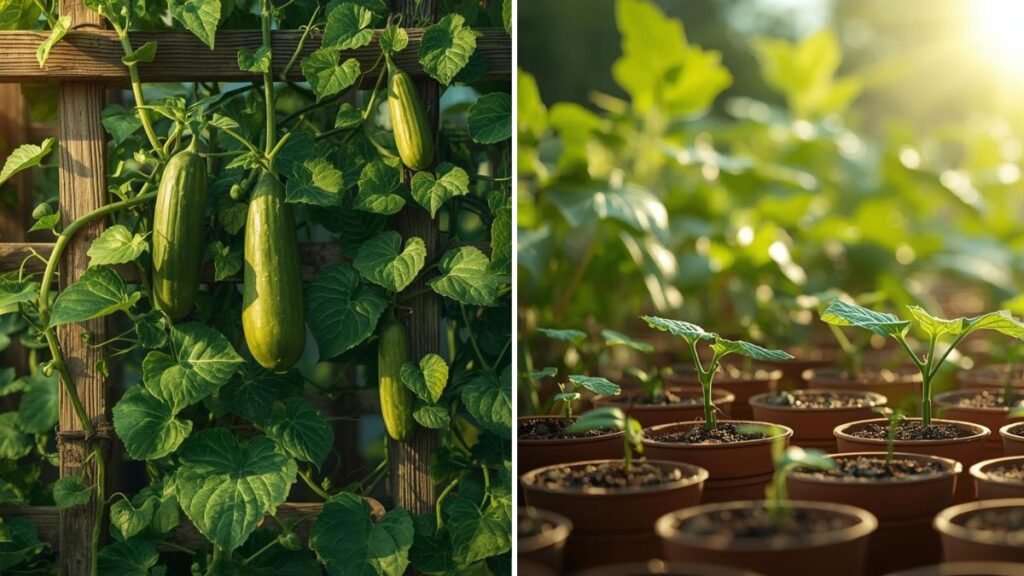
Containers allow mobility and space efficiency. Ground planting provides larger root area and higher yields. Both require sunlight and adequate watering. Container soil can be controlled precisely. Ground planting benefits from natural soil organisms. Selection depends on garden size and convenience. Understanding pros and cons guides planning. Both methods can produce healthy cucumbers.
Troubleshooting Common Issues
Yellow leaves indicate nutrient deficiency. Curling leaves may signal pests or watering problems. Bitter taste often results from inconsistent watering. Check soil drainage regularly. Monitor for pests and disease. Adjust care practices as necessary. Early intervention prevents yield loss. Troubleshooting ensures successful harvest.
Cucumber Growing Table
| Task | Requirement | Benefit |
|---|---|---|
| Soil | Well-draining, fertile | Strong roots |
| Sunlight | 6-8 hours daily | High yield |
| Watering | Deep, consistent | Healthy fruits |
| Support | Trellis or stakes | Reduced rot and space-saving |
| Fertilizer | Balanced organic feed | Vigorous growth |
Conclusion
Growing cucumbers at home is rewarding, cost-effective, and healthy. Proper soil, sunlight, water, and support ensure success. Pest and disease management improves yield. Companion planting and pruning enhance growth. Regular harvesting maximizes flavor and productivity. Both ground and container planting offer flexibility. With planning and care, fresh cucumbers are achievable year-round. Start your cucumber garden today.