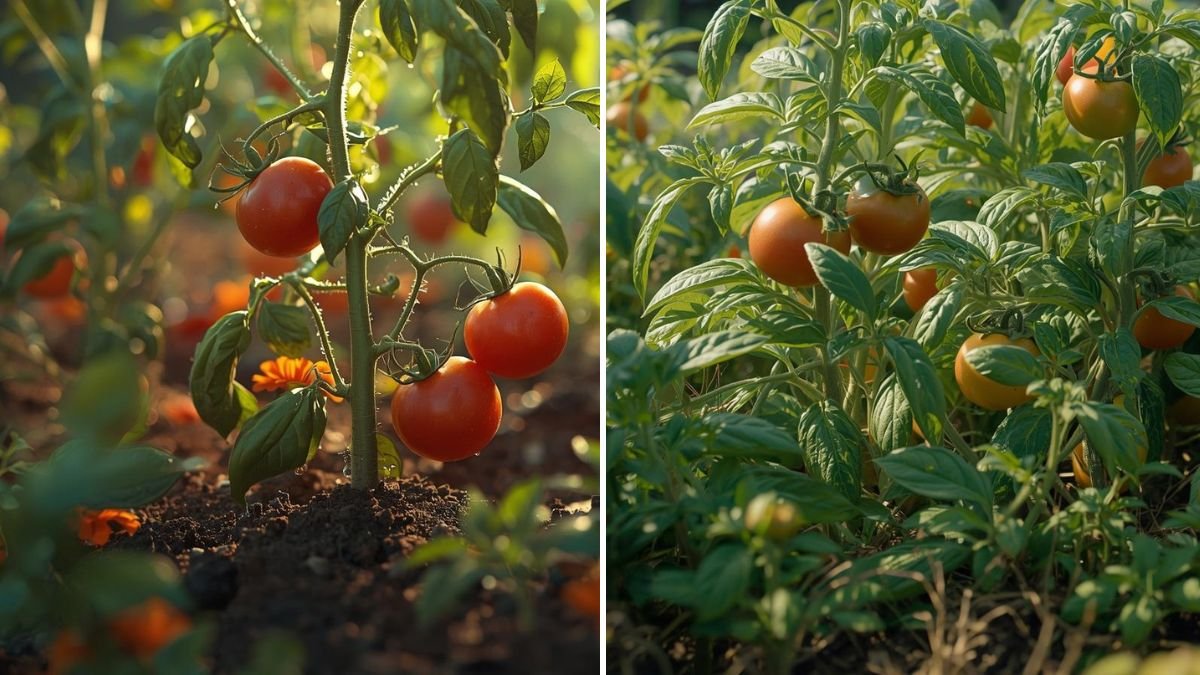
Companion planting is a time-tested gardening technique that improves plant health naturally. Tomatoes benefit greatly from growing alongside certain companion plants. These beneficial neighbors help deter pests, improve soil quality, and enhance growth. Garden experts recommend companion planting as an organic solution for healthier tomatoes. Instead of relying on chemicals, gardeners can use nature’s balance. Companion plants support tomatoes throughout the growing season. They create a more resilient garden ecosystem. Understanding which plants work best ensures stronger tomato harvests.
Why Tomatoes Need Companion Plants
Tomatoes are heavy feeders and attract many pests. Companion plants help reduce stress on tomato plants. Some companions repel insects naturally. Others improve nutrient availability in the soil. Certain plants enhance pollination nearby. Companion planting reduces disease pressure. Tomatoes grow more efficiently with supportive neighbors. This method improves yield and flavor naturally.
How Companion Plants Support Tomato Growth
Companion plants interact with tomatoes in multiple ways. Some release natural chemicals that repel pests. Others attract beneficial insects like bees and ladybugs. Deep-rooted companions improve soil structure. Ground-cover plants reduce weed competition. Shade-providing plants regulate soil temperature. These interactions create balance. Tomatoes thrive in diverse plant communities. Nature works best when plants cooperate.
Companion Plant 1: Basil for Flavor and Pest Control
Basil is one of the most popular tomato companions. It repels insects like aphids and tomato hornworms. Basil’s strong aroma confuses pests. It also attracts pollinators to the garden. Many gardeners believe basil improves tomato flavor. Basil grows well in similar conditions as tomatoes. It requires minimal extra care. Together, basil and tomatoes form a powerful partnership.
Companion Plant 2: Marigolds for Natural Pest Defense
Marigolds are famous for pest control. Their roots release compounds that deter nematodes. Above ground, their scent repels harmful insects. Marigolds attract beneficial insects like hoverflies. They add bright color to tomato beds. Easy to grow, marigolds require little maintenance. Experts often recommend planting them around tomato borders. This creates a natural protective barrier.
Companion Plant 3: Garlic for Disease Prevention
Garlic is an excellent tomato companion. It repels aphids, spider mites, and whiteflies. Garlic’s sulfur compounds suppress fungal diseases. It occupies little space between tomato plants. Garlic improves soil health naturally. Its strong scent discourages pests from settling. Garlic is low maintenance and productive. This makes it ideal for tomato gardens.
Companion Plant 4: Lettuce for Ground Coverage
Lettuce works well beneath tomato plants. It grows quickly and shades soil. This helps retain moisture in hot weather. Lettuce reduces weed growth effectively. Its shallow roots do not compete with tomatoes. Lettuce thrives in partial shade from tomato foliage. Gardeners can harvest lettuce early. This maximizes space efficiency.
Companion Plant 5: Borage for Pollination Boost
Borage is highly valued by expert gardeners. It attracts bees and beneficial insects. Increased pollination improves tomato fruit set. Borage adds trace minerals to soil when decomposed. Its deep roots improve soil aeration. The plant is hardy and fast growing. Borage enhances overall garden health. Tomatoes benefit significantly from its presence.
Plants You Should Avoid Near Tomatoes
Not all plants benefit tomatoes. Some compete for nutrients. Others attract pests that harm tomatoes. Avoid planting tomatoes near potatoes. Fennel inhibits tomato growth. Corn attracts tomato pests. Brassicas may compete for nutrients. Knowing bad companions prevents problems. Proper spacing is essential.
Spacing and Layout for Companion Planting
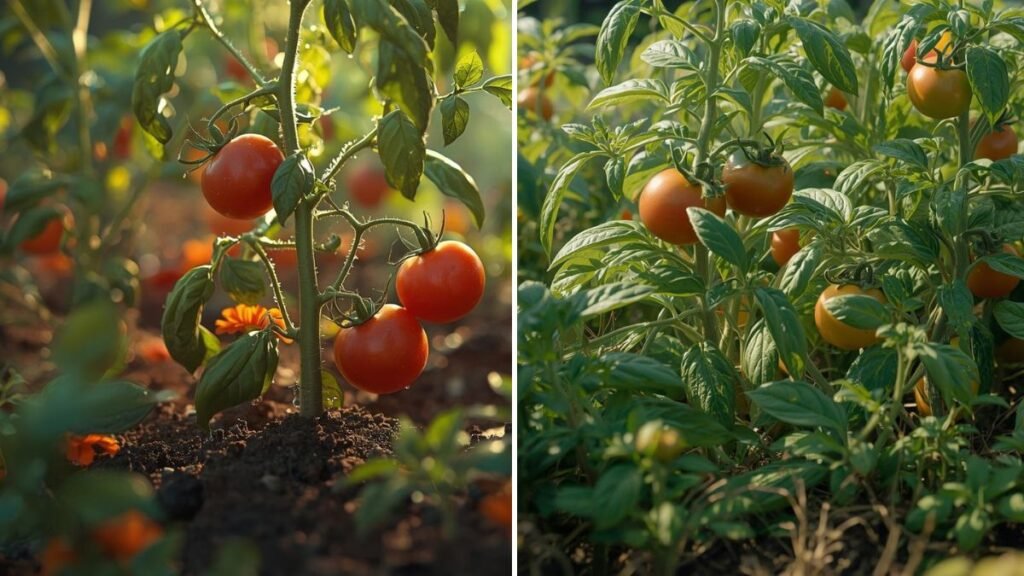
Proper spacing ensures all plants thrive. Tomatoes need airflow to prevent disease. Companion plants should not overcrowd. Place taller companions strategically. Ground covers should not smother stems. Plan layouts before planting. Containers also support companion planting. Smart spacing improves results.
Soil Preparation for Companion Gardens
Healthy soil supports successful companion planting. Compost improves nutrient availability. Organic matter boosts beneficial microbes. Balanced soil benefits all plants. Avoid excessive fertilizers. Mulch helps regulate moisture. Soil preparation sets the foundation. Strong soil equals strong tomatoes.
Watering Needs in Mixed Plantings
Different plants may have similar water needs. Tomatoes prefer deep watering. Most companions tolerate similar schedules. Avoid waterlogging roots. Drip irrigation works well. Mulching reduces evaporation. Consistent watering prevents stress. Balanced moisture supports healthy growth.
Pest Management Benefits of Companions
Companion plants reduce pest outbreaks. Beneficial insects thrive in diverse gardens. Predators control harmful pests naturally. Strong plant scents confuse insects. Less pest pressure means healthier tomatoes. Organic gardening becomes easier. Companions replace chemical sprays. Nature provides protection.
Disease Reduction Through Companion Planting
Good airflow reduces fungal diseases. Companions help manage humidity. Some plants suppress soil pathogens. Diversity prevents disease spread. Healthier plants resist infection. Reduced disease improves yield. Companion planting strengthens resilience. Prevention is always better.
Harvest Benefits of Companion Planting
Tomatoes grown with companions often produce more fruit. Flavor may improve naturally. Harvests are more consistent. Companion plants provide secondary yields. Gardens become more productive. Space is used efficiently. Home gardeners benefit greatly. Harvest quality improves naturally.
Expert Tips for Tomato Companion Success
Rotate crops annually. Observe plant interactions. Adjust spacing as plants grow. Remove unhealthy companions promptly. Experiment with combinations. Keep records of results. Expert gardeners learn by observation. Experience improves outcomes.
Environmental Benefits of Companion Planting
Companion planting supports biodiversity. It reduces chemical use. Soil health improves naturally. Pollinators thrive. Gardens become more resilient. Sustainable practices protect ecosystems. Home gardens contribute positively. Nature benefits overall.
Table: Best Companion Plants for Tomatoes
| Companion Plant | Main Benefit |
|---|---|
| Basil | Pest control and flavor |
| Marigold | Nematode and insect deterrent |
| Garlic | Disease and pest prevention |
| Lettuce | Soil cover and moisture retention |
| Borage | Pollination and soil health |
Final Thoughts on Tomato Companion Planting
Companion planting is a powerful natural method. Tomatoes thrive with the right neighbors. Gardeners reduce chemical dependence. Harvests improve in quantity and quality. Companion plants support ecosystem balance. This approach suits beginners and experts. Natural gardening yields lasting benefits. Tomatoes reward thoughtful planting.