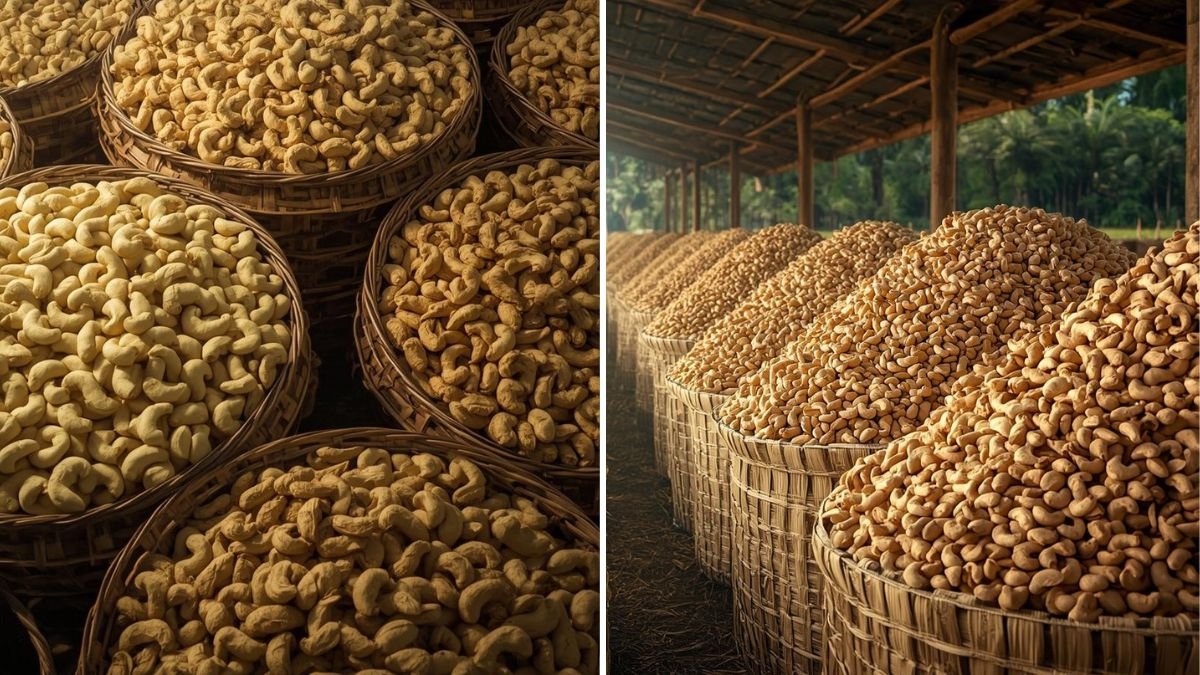
Cashews are a highly valued nut globally, consumed in various forms such as raw, roasted, and processed into cashew butter or oil. Global demand has grown due to their nutritional benefits and versatile culinary uses. Understanding which country leads cashew production helps in grasping trade dynamics and market trends. Leading producers utilize modern agricultural practices, large-scale plantations, and export-driven strategies. This guide explores the largest cashew-producing countries, focusing on factors that contribute to their success. Market trends, production data, and challenges are also highlighted. This insight is valuable for investors, consumers, and agricultural planners. Accurate knowledge enables better business and consumption decisions worldwide.
Factors Affecting Cashew Production
Cashew trees require specific climatic conditions to thrive, including tropical climates with adequate rainfall and warm temperatures. Soil quality, irrigation, and pest management play crucial roles. Labor availability and technological advancements in farming techniques influence productivity. Countries with government support and investment in research generally have higher yields. Proper harvesting and processing methods affect the quality and export potential. Sustainable practices ensure long-term production. Global data reflects how these factors impact output. Understanding these influences helps explain production disparities.
Top Cashew Producing Countries Overview
Major cashew producers include Vietnam, India, Ivory Coast, and Brazil. Each country employs specific cultivation techniques suited to local conditions. Production scales vary from large plantations to smallholder farms. Export capacity differs according to infrastructure and market access. Yield per hectare is influenced by soil fertility and plant variety. Consumption patterns vary locally. Global ranking is determined by total production volume. Insight into top countries helps forecast trends and trade dynamics.
Vietnam: Cashew Production Leader
Vietnam currently ranks as the largest cashew producer globally. The country benefits from favorable climate, fertile soils, and large-scale plantations. Advanced processing technology adds value to exports. Vietnam’s focus on quality and mechanized production boosts efficiency. Government initiatives support cashew farmers with training and resources. Export infrastructure is well developed, catering to major international markets. Vietnam’s production significantly outpaces other countries. Its strategic emphasis on both cultivation and processing solidifies leadership.
Cashew Varieties Grown in Vietnam
Vietnam cultivates a mix of high-yielding cashew varieties. Popular types include the Asian and hybrid varieties. Selection focuses on nut size, shell hardness, and kernel quality. Breeding programs improve resistance to pests and diseases. Varieties are chosen based on regional climate adaptation. Quality control during harvesting ensures premium output. Processing techniques preserve flavor and nutrition. Variety management ensures competitiveness in global markets.
India’s Role in Cashew Production
India is one of the top cashew producers, particularly in Kerala, Karnataka, and Goa. Both raw cashew cultivation and processing contribute to the economy. Indian cashews are known for high quality and taste. Smallholder farms play a significant role. Labor-intensive harvesting and manual shelling remain common. Government support programs assist farmers with resources and market access. India’s production complements its strong domestic consumption. India holds a major share of the international cashew market.
Ivory Coast: West Africa’s Cashew Hub
Ivory Coast is Africa’s leading cashew producer. Favorable climate and soil conditions support growth. Cashew cultivation provides income for smallholder farmers. Production focuses on both domestic consumption and exports. Infrastructure development improves market access. Mechanization adoption is gradually increasing. Ivory Coast contributes significantly to global supply. The country faces challenges with processing and labor shortages.
Brazil’s Cashew Industry
Brazil has a long history of cashew cultivation, especially in the northeastern regions. Cashews are grown for both domestic use and export. Varieties include Brazilian cashew types with high kernel content. Modern irrigation and pest management techniques enhance yield. Local consumption is high, supporting food industries. Processing plants add value for international markets. Brazil’s production continues to compete globally. Sustainable practices are gaining emphasis.
Global Cashew Production Statistics
Recent global data highlights production volumes and trends. Vietnam leads, followed by India, Ivory Coast, and Brazil. Production is measured in metric tons of raw nuts. Export rankings correspond with production scale. Yield per hectare indicates efficiency. Market dynamics influence annual production changes. Investment and technology adoption affect global competitiveness. Statistical monitoring ensures accurate reporting.
Table Cashew Production Comparison
Country Vietnam India Ivory Coast Brazil Annual production metric tons 1,300,000 800,000 700,000 300,000 Major varieties Asian hybrid Indian local Brazilian Export ranking 1 2 3 4
Factors Supporting Vietnam’s Leadership
Vietnam’s leadership stems from large-scale plantations, modern processing, and export-focused strategy. Technological adoption improves productivity. Government incentives encourage expansion and research. Quality control measures ensure global competitiveness. Efficient logistics support exports. Training programs enhance labor skills. Strategic partnerships with international buyers strengthen market access. Combined efforts maintain Vietnam’s dominance.
Challenges in Global Cashew Production
Global cashew production faces challenges such as climate variability, pest infestations, and fluctuating market prices. Labor shortages can affect harvesting and processing. Droughts or excessive rainfall impact yield. Maintaining soil fertility is crucial. Market competition affects profitability. Export regulations influence trade opportunities. Producers must innovate to sustain growth. Addressing these challenges ensures long-term stability.
Trade and Export Insights
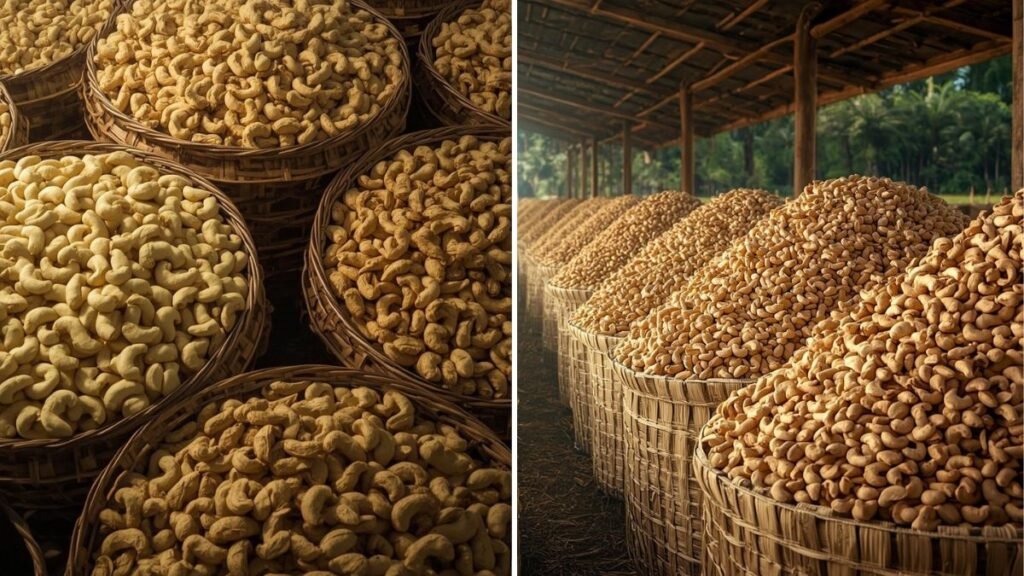
International trade is driven by production volumes, quality, and demand. Vietnam, India, and Ivory Coast dominate exports. Cashew products include raw nuts, shelled nuts, and processed forms. Global demand is influenced by health trends and snack consumption. Trade infrastructure and logistics impact delivery and cost. Export quality standards ensure market acceptance. Monitoring market trends guides production and sales strategies. Trade data highlights leading suppliers.
Health Benefits of Cashews Driving Demand
Cashews are rich in healthy fats, proteins, and essential minerals. They support heart health, bone strength, and weight management. Growing awareness of nutritional benefits increases demand. Cashews are used in cooking, snacks, and confectionery. This demand stimulates production and export growth. Health trends shape global consumption patterns. Value-added cashew products are expanding markets. Nutritional benefits directly impact production strategies.
Technological Innovations in Cashew Farming
Technologies include improved irrigation, pest management, and mechanized processing. Breeding programs increase yield and disease resistance. Monitoring systems optimize water and nutrient usage. Mechanization reduces labor costs and increases efficiency. Processing technologies enhance kernel quality. Innovation ensures sustainability and competitiveness. Farmers adopt tools gradually based on resources. Technology strengthens global production capabilities.
Environmental Considerations
Sustainable cashew farming reduces chemical use and conserves water. Organic cultivation methods are growing. Soil conservation protects fertility and ecosystem health. Responsible farming attracts eco-conscious buyers. Climate-resilient varieties mitigate environmental risks. Certification adds market value. Sustainable practices ensure long-term productivity. Environmental care supports global supply stability.
Future Trends in Cashew Production
Global production is expected to rise with technological adoption. Emerging markets create new demand. Expansion of mechanized plantations continues. Health-conscious consumer trends drive consumption. Sustainable practices are increasingly important. Investment in research and infrastructure supports growth. Trade patterns evolve with market changes. Future trends indicate growth and innovation opportunities.
Conclusion: Vietnam’s Dominance in Global Cashew Production
Vietnam is the largest cashew producer, with India, Ivory Coast, and Brazil following closely. Favorable climate, large-scale plantations, technological adoption, and export strategies contribute to its leadership. Global demand continues to rise due to nutritional and culinary uses. Sustainable practices, research, and innovation shape the future. Understanding production dynamics helps stakeholders make informed decisions. Vietnam’s strategic focus ensures continued dominance. Global data highlights both opportunities and challenges in cashew production.