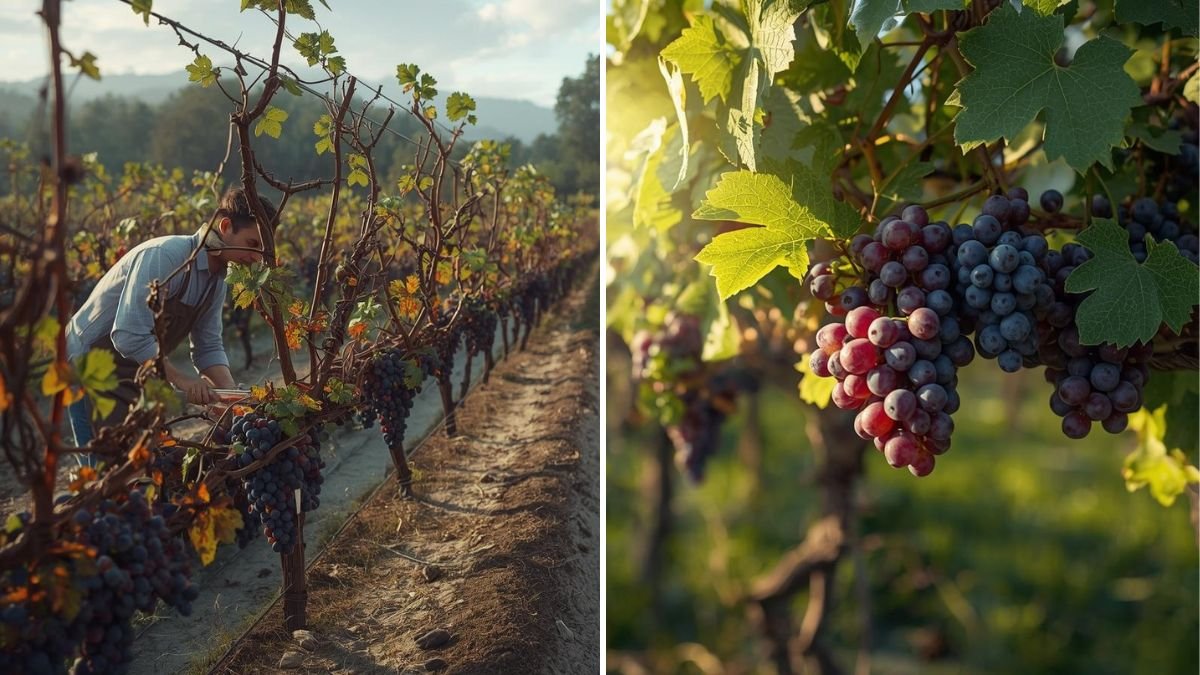
Pruning grape vines is essential for fruit quality and yield. Unpruned vines produce excessive foliage with poor fruiting. Proper pruning directs energy into fruit development. Sweeter grapes result from balanced vine growth. Bigger bunches form on well-managed vines. Pruning improves air circulation and sunlight exposure. Disease risk is reduced significantly. Understanding pruning techniques ensures consistent harvests year after year.
Paragraph 1: Understanding How Grape Vines Produce Fruit
Grapes grow on new shoots. Shoots emerge from one-year-old wood. Old wood does not produce fruit. Pruning encourages new growth. Understanding vine structure is essential. Fruit location determines pruning strategy. Knowledge improves results.
Paragraph 2: Best Time of Year to Prune Grape Vines
Winter is the ideal pruning season. Dormant vines handle pruning better. Late winter is preferred. Avoid early fall pruning. Timing affects fruit quality. Proper timing prevents sap loss. Planning ensures success.
Paragraph 3: Tools Needed for Proper Grape Vine Pruning
Sharp pruners are essential. Clean tools prevent disease. Loppers handle thick canes. Gloves protect hands. Quality tools improve precision. Maintenance extends tool life.
Paragraph 4: Identifying Healthy Canes and Old Wood
Healthy canes are flexible. They are light brown in color. Old wood is dark and rough. Fruit grows on newer canes. Correct identification matters. Mistakes reduce yields.
Paragraph 5: Spur Pruning Method Explained
Spur pruning uses short canes. Spurs contain two buds. This method suits certain grape varieties. It maintains compact vines. Regular maintenance is required. Consistency improves harvests.
Paragraph 6: Cane Pruning Method Explained
Cane pruning leaves longer canes. Each cane holds multiple buds. This method increases fruiting potential. Requires careful selection. Popular for table grapes. Balanced approach is critical.
Paragraph 7: Choosing the Right Pruning System
Vine age influences pruning choice. Variety matters significantly. Growth habits differ. Climate impacts decisions. Proper system maximizes yield. Custom approach works best.
Paragraph 8: Table – Comparison of Grape Vine Pruning Methods
Pruning Method
Spur pruning compact vines
Cane pruning higher yields
Minimal pruning vigorous growth
Renewal pruning long-term health
Paragraph 9: Table – Grape Vine Pruning Goals
Pruning Goal
Increase fruit sweetness
Control vine size
Improve sunlight exposure
Enhance airflow
Paragraph 10: Step-by-Step Winter Pruning Process
Remove old wood first. Select healthy canes. Cut excess growth. Maintain vine shape. Avoid leaving too many buds. Balanced pruning is key.
Paragraph 11: Importance of Bud Count for Fruit Quality
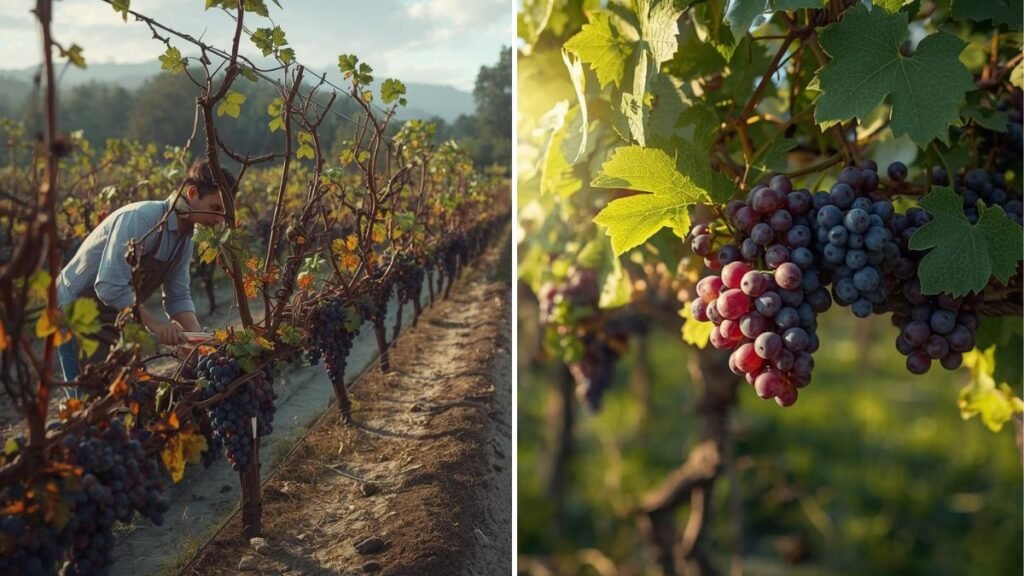
Bud count controls yield. Too many buds reduce sweetness. Fewer buds improve size. Balance is essential. Variety determines ideal count. Precision improves flavor.
Paragraph 12: Summer Pruning and Canopy Management
Summer pruning controls excess growth. Remove unwanted shoots. Improve light penetration. Reduce disease risk. Focus on airflow. Support fruit development.
Paragraph 13: Training Grape Vines Along Supports
Trellising supports vine structure. Proper training simplifies pruning. Vertical growth improves sunlight. Organized vines are easier to manage. Supports increase productivity.
Paragraph 14: Preventing Diseases Through Proper Pruning
Pruning reduces humidity. Airflow discourages fungi. Removing diseased wood prevents spread. Clean cuts heal faster. Healthy vines resist infection.
Paragraph 15: Common Pruning Mistakes to Avoid
Overpruning reduces yield. Underpruning weakens fruit quality. Cutting wrong wood harms vines. Ignoring variety needs fails. Mistakes are avoidable with knowledge.
Paragraph 16: Pruning Young Grape Vines Differently
Young vines need training. Focus on structure. Avoid heavy fruiting early. Strong framework supports future harvests. Patience improves longevity.
Paragraph 17: Pruning Mature Grape Vines for Maximum Yield
Mature vines handle heavier pruning. Renewal is important. Remove aging wood. Encourage new canes. Balance ensures consistency.
Paragraph 18: How Pruning Affects Grape Sweetness
Sunlight increases sugar content. Fewer clusters concentrate energy. Proper pruning improves flavor. Sweetness depends on balance. Care directly impacts taste.
Paragraph 19: Long-Term Benefits of Regular Pruning
Vines remain manageable. Harvests stay reliable. Fruit quality improves yearly. Disease pressure decreases. Longevity increases with care.
Paragraph 20: Final Thoughts
Pruning grape vines is essential for success. Proper techniques improve sweetness and size. Regular maintenance pays off. Knowledge transforms harvests. Healthy vines reward dedication. Pruning ensures abundant fruit.