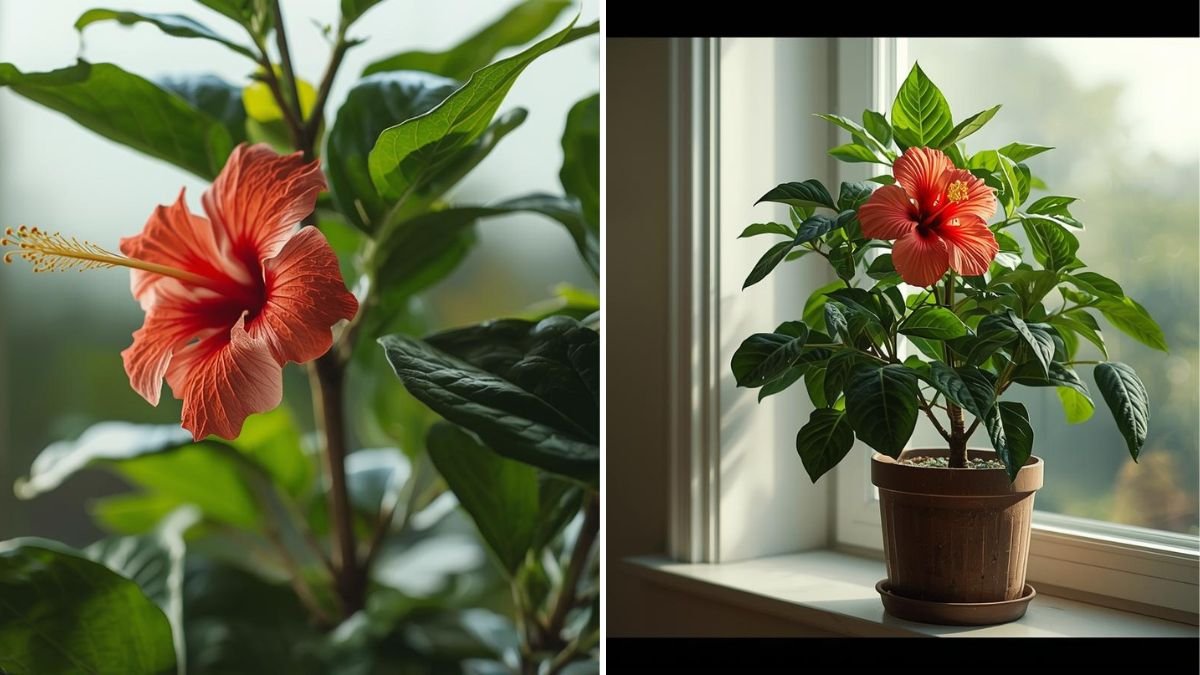
Hibiscus plants are tropical beauties that struggle when temperatures drop. Potted hibiscus plants are especially vulnerable to cold weather and frost damage. Overwintering them indoors ensures survival and strong regrowth in spring. Many gardeners lose hibiscus plants simply due to improper winter care. With the right indoor conditions, hibiscus can remain healthy all winter. Some varieties may even continue blooming indoors. Understanding hibiscus needs is the key to success. Proper overwintering protects your investment and future flowers.
Paragraph 1: Understanding Hibiscus Cold Sensitivity
Hibiscus plants originate from warm climates. Cold temperatures stress their tissues. Frost damages leaves and stems quickly. Roots are also sensitive to cold. Potted plants cool faster than ground plants. Even mild frost can be fatal. Awareness of cold sensitivity prevents loss. Early action is crucial.
Paragraph 2: Identifying the Right Time to Bring Hibiscus Indoors
Timing is critical for overwintering. Bring plants indoors before night temperatures drop. Waiting too long causes shock. Early transition reduces stress. Monitor weather forecasts carefully. Consistency matters more than calendar dates. Gradual adjustment improves survival.
Paragraph 3: Preparing Hibiscus Plants Before Moving Indoors
Preparation begins outdoors. Inspect plants for pests. Remove damaged leaves. Light pruning improves shape. Clean pots remove insects. Healthy plants adapt better indoors. Preparation reduces future problems. Clean starts matter.
Paragraph 4: Pruning Hibiscus Before Winter Storage
Light pruning is recommended. Remove weak or leggy growth. Avoid heavy pruning in fall. Pruning reduces water needs. Balanced shape helps indoors. Proper pruning improves airflow. Less stress supports health.
Paragraph 5: Choosing the Best Indoor Location for Hibiscus
Hibiscus needs bright light indoors. South-facing windows work best. Avoid dark corners. Consistent light prevents leaf drop. Artificial grow lights can help. Stable placement reduces stress. Light quality matters greatly.
Paragraph 6: Adjusting Watering for Indoor Winter Care
Indoor watering needs change. Plants grow slower in winter. Overwatering causes root rot. Allow soil to dry slightly. Check moisture regularly. Water less frequently. Controlled watering protects roots.
Paragraph 7: Managing Indoor Humidity Levels
Indoor air is often dry. Hibiscus prefers humidity. Dry air causes leaf drop. Pebble trays help increase moisture. Grouping plants raises humidity. Avoid misting excessively. Balanced humidity improves comfort.
Paragraph 8: Table – Ideal Indoor Conditions for Overwintering Hibiscus
Care Factor
Bright indirect light
Moderate indoor temperatures
Reduced winter watering
Moderate humidity levels
Paragraph 9: Table – Common Hibiscus Winter Problems and Causes
Problem
Leaf drop low light
Yellow leaves overwatering
Bud drop temperature stress
Pests indoor air dryness
Paragraph 10: Temperature Control for Indoor Hibiscus Plants
Hibiscus prefers stable warmth. Ideal temperatures remain moderate. Avoid cold drafts. Keep away from heaters. Sudden changes cause stress. Night temperatures should remain mild. Stability supports health.
Paragraph 11: Feeding Hibiscus During Winter Months
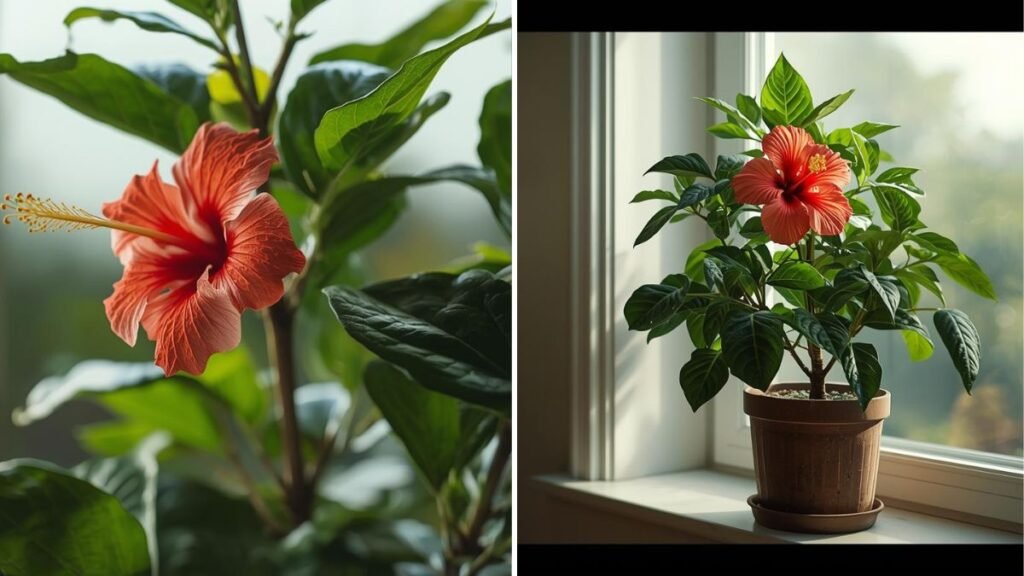
Fertilizing should be reduced. Excess nutrients stress plants. Use diluted fertilizer sparingly. Feed only if growth continues. Dormant plants need minimal feeding. Gentle care prevents damage.
Paragraph 12: Dealing With Pests Indoors
Indoor conditions attract pests. Spider mites are common. Inspect leaves regularly. Clean foliage often. Treat early if detected. Prevention avoids infestations.
Paragraph 13: Leaf Drop and Dormancy Explained
Some leaf loss is normal. Plants adjust to lower light. Dormancy conserves energy. Avoid panic reactions. Continue proper care. Patience ensures recovery.
Paragraph 14: Overwintering Hibiscus With Continued Blooming
Some hibiscus may bloom indoors. High light encourages flowers. Stable conditions are required. Avoid stress. Blooming plants need slightly more care. Enjoy winter color indoors.
Paragraph 15: Repotting Considerations Before or After Winter
Avoid repotting before winter. Roots need stability. Repot in spring instead. Fresh soil supports new growth. Timing repotting prevents shock. Planning is important.
Paragraph 16: Spring Transition After Winter Dormancy
Gradual outdoor reintroduction is vital. Increase light exposure slowly. Resume normal watering. Begin feeding lightly. Hardening off prevents shock. Smooth transitions ensure success.
Paragraph 17: Long-Term Benefits of Proper Overwintering
Healthy plants return stronger. Bloom production improves. Plant lifespan increases. Stress is minimized yearly. Proper care builds resilience. Results improve each season.
Paragraph 18: Common Mistakes to Avoid When Overwintering Hibiscus
Overwatering is most common. Insufficient light weakens plants. Sudden temperature changes cause shock. Ignoring pests worsens problems. Avoid rushing transitions.
Paragraph 19: Overwintering Hibiscus in Small Spaces
Compact plants suit apartments. Grow lights help small homes. Rotate plants regularly. Space efficiency matters. Indoor overwintering is flexible.
Paragraph 20: Final Thoughts
Overwintering potted hibiscus indoors is manageable. With proper preparation, plants thrive safely. Consistent care prevents loss. Spring blooms reward effort. Hibiscus plants can live for years. Winter care ensures long-term success.