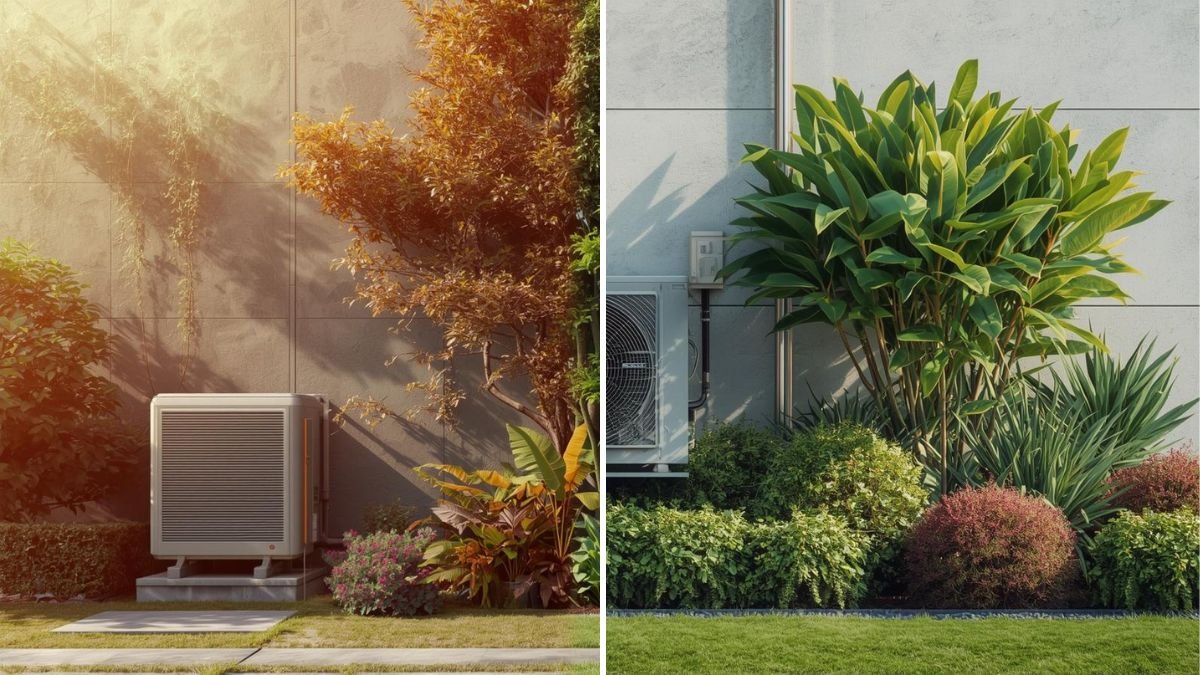
Your HVAC system works harder when exposed to direct sunlight and heat. Landscaping around HVAC units can significantly influence energy consumption, system lifespan, and cooling efficiency. Strategically placed trees, shrubs, and ground covers can reduce ambient temperature around the unit. Proper airflow and shading prevent overheating, lower energy bills, and increase comfort indoors. Additionally, smart landscaping minimizes debris accumulation and protects equipment. This article explores six actionable landscaping strategies that enhance HVAC performance while maintaining aesthetic appeal. Following these tips can lead to long-term cost savings and improved home efficiency.
Paragraph 1: Understanding Heat Stress on HVAC Systems
HVAC units generate cooling or heating energy by exchanging heat. When external temperatures rise, systems must work harder to maintain indoor comfort. Excess heat around outdoor units decreases efficiency. Components like compressors and coils may wear faster. Energy consumption increases as a result. Shading and airflow improvements reduce heat stress. Understanding this principle guides effective landscaping decisions. Healthy surroundings improve performance.
Paragraph 2: Tip 1 – Plant Shade Trees Strategically
Trees provide natural shade and cool the air through transpiration. Plant deciduous trees on the west or south side of the HVAC unit. Ensure at least three feet clearance from the unit. Shade reduces solar radiation on equipment surfaces. Cooler surroundings reduce energy demand. Avoid evergreen trees that may block airflow year-round. Proper species selection maximizes benefits. Shaded units last longer and perform efficiently. Strategic planting is key.
Paragraph 3: Tip 2 – Use Shrubs to Redirect Heat
Low shrubs can block reflected heat from walls or paved areas. Place shrubs around two to three feet from the HVAC unit. Avoid dense planting that restricts airflow. Choose drought-tolerant species to reduce water requirements. Shrubs act as windbreaks during hot seasons. Maintaining airflow ensures optimal heat dissipation. Visual appeal improves alongside efficiency. Combining trees and shrubs creates layered protection. Proper maintenance prevents debris accumulation.
Paragraph 4: Tip 3 – Install Ground Cover to Reduce Soil Heat
Bare soil or concrete reflects heat upward, increasing unit temperature. Low ground covers like clover or creeping thyme absorb less heat. Avoid tall ground plants that obstruct airflow. Mulching around the base maintains moisture and temperature control. Ground cover reduces radiant heat toward the HVAC unit. Soil temperature reduction improves energy efficiency. Low-maintenance species are ideal. Proper ground coverage enhances unit performance.
Paragraph 5: Tip 4 – Maintain Adequate Clearance Around Units
HVAC manufacturers recommend a minimum clearance of three feet on all sides. Crowding reduces airflow and increases operational strain. Landscaping must balance shade with airflow. Regular trimming prevents interference with coils and vents. Avoid planting tall trees immediately adjacent to units. Proper spacing allows technicians to access equipment easily. Clearance reduces heat accumulation. Well-planned layout ensures long-term efficiency. Safety and serviceability are priorities.
Paragraph 6: Tip 5 – Use Reflective Barriers for Heat Deflection
Reflective barriers or heat shields can redirect sunlight away from the HVAC unit. Install panels or fences with reflective coating on the sunny side. These barriers protect equipment from direct solar exposure. Materials must be fire-resistant and durable. Reflective surfaces minimize heat absorption on coils. Combined with shade, barriers optimize cooling efficiency. Barriers also prevent wall-reflected heat from reaching the unit. Proper installation ensures long-term effectiveness. Barriers supplement natural landscaping.
Paragraph 7: Tip 6 – Ensure Proper Airflow with Landscape Design
Airflow is critical for heat dissipation. Landscaping should avoid obstructing vents or intake areas. Place plants and barriers in a way that promotes natural ventilation. Avoid dense hedges directly in front of units. Orient plantings to channel airflow away from structures. Clean debris regularly to maintain unrestricted ventilation. Airflow optimization reduces energy consumption. Proper airflow ensures optimal heat exchange. Design landscaping with airflow in mind.
Paragraph 8: Table – Recommended Plant Types for HVAC Landscaping
| Plant Type | Purpose | Spacing Recommendation |
|---|---|---|
| Deciduous trees | Shade | 6–10 feet from unit |
| Low shrubs | Heat redirection | 2–3 feet from unit |
| Ground cover | Reduce soil heat | 1–2 feet around base |
| Reflective panels | Sun deflection | Sunny side of unit |
Paragraph 9: Table – Common Mistakes in HVAC Landscaping
| Mistake | Problem | Solution |
|---|---|---|
| Planting too close | Reduced airflow | Maintain minimum 3 feet clearance |
| Dense foliage | Debris accumulation | Regular pruning |
| Tall ground cover | Obstructs airflow | Choose low-height plants |
| Ignoring reflective heat | Increased temperature | Install heat shields |
Paragraph 10: Seasonal Considerations for Landscaping
Summer heat increases HVAC load, so shade is more critical. Fall may require leaf cleanup to prevent debris buildup. Winter does not affect cooling but consider airflow for heat pumps. Spring planting should avoid obstructing units. Seasonal pruning maintains efficiency. Mulch can be reapplied seasonally. Seasonal adjustments optimize performance year-round. Planning for each season ensures consistent benefits.
Paragraph 11: Benefits Beyond Energy Efficiency
Landscaping improves property aesthetics and curb appeal. Shade and green spaces enhance outdoor comfort. Proper plant selection attracts pollinators and supports biodiversity. Soil stabilization reduces erosion near units. Landscaping also creates microclimates that improve home comfort. Home value may increase due to energy savings. A visually pleasing HVAC enclosure is desirable. Landscaping balances function and beauty.
Paragraph 12: Table – Seasonal Landscaping Tasks for HVAC Units
| Season | Task | Purpose |
|---|---|---|
| Spring | Trim plants | Ensure airflow |
| Summer | Mulch and water | Reduce soil heat |
| Fall | Clear leaves | Prevent debris |
| Winter | Inspect barriers | Prepare for heat pumps |
Paragraph 13: Maintenance Tips for Landscaped HVAC Areas
Regular inspections prevent blockages and heat buildup. Check plant height and trim when necessary. Remove weeds and debris weekly. Ensure irrigation does not spray directly onto equipment. Inspect reflective panels and repair if damaged. Confirm adequate clearance is maintained. Regular monitoring prevents efficiency loss. Proactive maintenance saves energy costs.
Paragraph 14: Integrating Xeriscaping with HVAC Landscaping
Xeriscaping uses drought-resistant plants to minimize water use. Suitable for arid regions and energy-conscious homeowners. Reduces irrigation costs while protecting HVAC units. Combines shrubs, grasses, and ground covers efficiently. Enhances aesthetic appeal with minimal maintenance. Encourages natural shading without excess water. Supports sustainability and efficiency. Smart selection improves overall landscaping results.
Paragraph 15: Energy Savings from Smart Landscaping
Strategic landscaping can reduce HVAC energy consumption by 10–20 percent. Reduced heat load allows the system to run efficiently. Lower electricity bills improve homeowner savings. Less operational strain prolongs system lifespan. Shaded units require fewer repairs. Combined strategies maximize energy efficiency. Long-term savings justify initial landscaping investment. Measurable results encourage adoption.
Paragraph 16: Case Studies of Efficient Landscaping
Studies show homes with shaded HVAC units consume less energy during peak months. Suburban landscapes using reflective barriers reduced unit temperature significantly. Layered plantings around units in warm climates improved cooling efficiency. Maintenance routines combined with proper plant selection enhanced performance. Case studies demonstrate real-world benefits. Combining multiple strategies yields best results. Evidence supports strategic investment. Homeowners experience measurable improvement.
Paragraph 17: Choosing Plants for Different Climates
Tropical climates benefit from drought-tolerant, fast-growing trees. Arid climates require minimal watering and heat-resistant species. Temperate zones can use deciduous plants for seasonal shading. Plant selection must account for soil type, rainfall, and wind exposure. Consulting local horticulturists ensures best results. Climate-adapted plants improve unit cooling and home efficiency. Proper species maximize both beauty and function. Local adaptation is critical.
Paragraph 18: Landscaping Around Heat Pumps vs AC Units
Heat pumps require similar airflow but operate differently in winter. Landscaping should allow unobstructed winter airflow. AC units mainly need summer shading. Placement strategy may vary depending on system type. Heat pumps need protection from wind and ice buildup. AC units benefit from cooling shade. Proper landscaping ensures optimal performance for each system. Consider HVAC type before planting.
Paragraph 19: Common Misconceptions
Some believe planting dense shrubs always improves efficiency. Excessive coverage may trap heat and block airflow. Another misconception is sprinklers cool units effectively; water on coils can damage equipment. Misplaced trees may drop leaves into the unit, causing blockages. Understanding proper techniques avoids mistakes. Education ensures homeowners maximize benefits. Smart landscaping requires careful planning. Balance is essential.
Paragraph 20: Final Thoughts
Landscaping around HVAC units is a cost-effective, aesthetic, and energy-saving strategy. Strategic placement of trees, shrubs, ground covers, and barriers improves cooling efficiency. Proper clearance and maintenance prevent airflow obstruction and debris buildup. Seasonal planning and climate-specific plants enhance benefits year-round. Implementing these six smart tips reduces energy bills, prolongs system life, and improves property aesthetics. Smart landscaping is an investment with long-term returns. Proper planning ensures functional and beautiful outdoor spaces. Energy-efficient homes start with strategic landscaping.