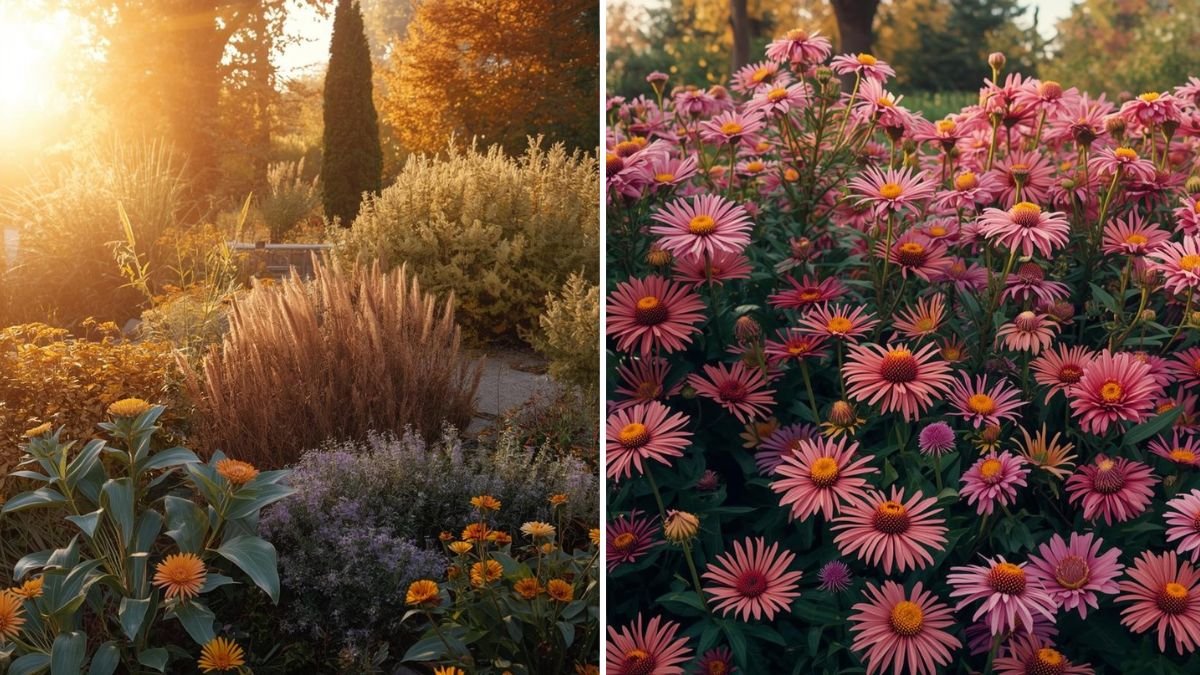
Many gardens lose their charm as summer fades. Fall-blooming perennials bring fresh color when most plants slow down. They help gardens stay vibrant into autumn. These plants thrive in cooler temperatures. Fall flowers support pollinators late in the season. They add structure and texture to landscapes. Choosing the right perennials extends beauty. Autumn gardens can be just as colorful as spring.
What Makes a Perennial Bloom in Fall
Fall-blooming perennials respond to shorter days. Cooler nights trigger bud formation. Strong root systems support late blooms. These plants store energy during summer. Proper sunlight is still essential. Soil health affects flowering strength. Fall bloomers are naturally resilient. Understanding their cycle improves success.
Benefits of Growing Fall-Blooming Perennials
They reduce seasonal garden gaps. Landscapes look attractive longer. Maintenance needs are usually low. Many tolerate light frost. They pair well with ornamental grasses. Pollinators benefit greatly. Fall flowers improve curb appeal. Gardens feel alive into autumn.
1 Chrysanthemums for Bold Autumn Color
Chrysanthemums are classic fall flowers. They bloom in vibrant yellows and reds. These perennials prefer full sun. Pinching in early summer improves shape. Blooms appear in late fall. They work well in borders. Hardy varieties return yearly. Proper care ensures lasting color.
Caring for Chrysanthemums in the Garden
Plant mums in spring for best results. Well-drained soil is essential. Water regularly during growth. Avoid heavy fall pruning. Mulch protects roots in winter. Deadhead spent flowers gently. Healthy plants bloom longer. Maintenance is simple.
2 Asters That Light Up Autumn Beds
Asters bloom when many flowers fade. Their daisy-like blooms attract pollinators. Colors include purple and blue. They prefer sunny locations. Pruning in early summer improves shape. Tall varieties need support. Asters naturalize well. They bring softness to fall gardens.
Growing and Maintaining Asters Successfully
Plant asters in fertile soil. Space plants for airflow. Water during dry spells. Cut back after flowering. Divide plants every few years. This keeps them vigorous. Asters are low maintenance. Consistent care improves blooms.
3 Sedum for Texture and Late Blooms
Sedum thrives in poor soil. It blooms in late summer and fall. Flowers turn from pink to bronze. Succulent leaves add texture. Sedum tolerates drought well. It attracts butterflies. Minimal care is required. It suits modern gardens.
How to Use Sedum in Landscape Design
Plant sedum in sunny areas. Combine with grasses for contrast. Avoid overwatering. Cut stems back in spring. Sedum spreads slowly. It works well in borders. Rock gardens benefit greatly. Design flexibility is high.
4 Japanese Anemones for Elegant Blooms
Japanese anemones bloom in early fall. They produce delicate pink flowers. These plants prefer partial shade. Moist soil supports growth. They spread gently over time. Tall stems add height. Flowers sway beautifully. Elegance defines this plant.
Caring for Japanese Anemones
Water consistently during dry periods. Mulch retains soil moisture. Avoid heavy pruning. Allow natural spreading. Protect young plants from frost. Divide when overcrowded. These plants are long-lived. Care ensures graceful blooms.
5 Coneflowers That Last into Autumn
Coneflowers bloom from summer into fall. They are drought tolerant. Pollinators love their seeds. Colors range from pink to orange. Full sun is ideal. Deadheading extends blooms. Winter seed heads add interest. They are very hardy.
Seasonal Care Tips for Fall Bloomers
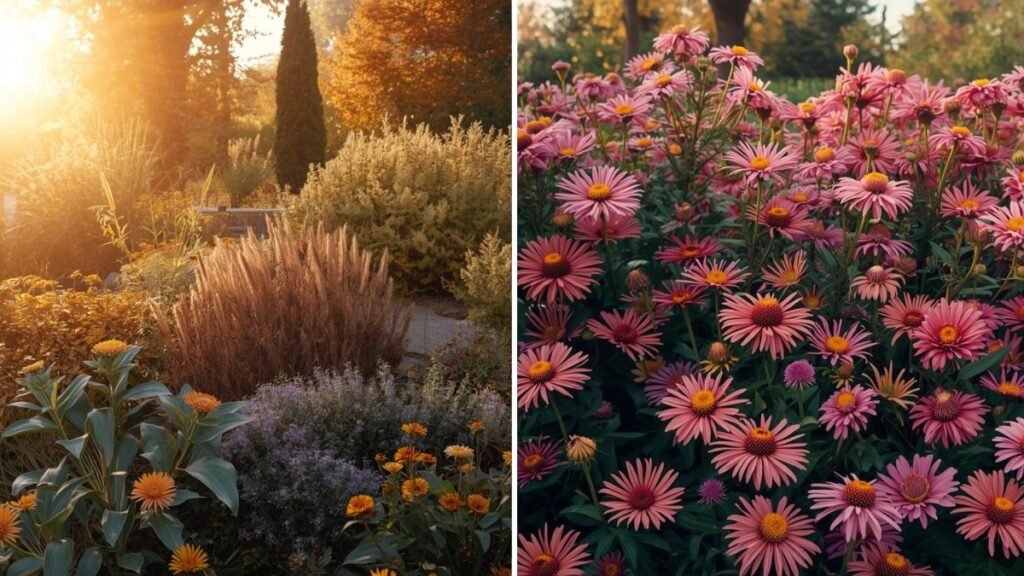
Reduce fertilizing in fall. Water deeply but less often. Avoid heavy pruning late. Clean debris to prevent disease. Mulch after frost. Protect young plants. Seasonal care ensures longevity. Simple steps make a difference.
Table Fall-Blooming Perennials Overview
Plant name bloom season sunlight need maintenance level Chrysanthemum fall full sun moderate Aster late summer to fall full sun low Sedum late summer to fall full sun very low Japanese anemone early fall partial shade moderate Coneflower summer to fall full sun low
How Fall Perennials Support Pollinators
Late blooms provide vital nectar. Bees rely on autumn flowers. Butterflies benefit greatly. Seed heads feed birds. Ecosystems stay balanced. Native varieties help more. Pollinator gardens thrive longer. Autumn support is crucial.
Designing a Garden with Fall Interest
Layer plants for visual depth. Mix textures and colors. Use grasses for contrast. Plan bloom succession carefully. Choose hardy varieties. Group plants for impact. Autumn gardens feel complete. Design improves enjoyment.
Common Mistakes with Fall-Blooming Plants
Planting too late causes stress. Overfertilizing reduces blooms. Ignoring sunlight needs weakens plants. Cutting back too early harms buds. Poor drainage causes rot. Avoid overcrowding. Awareness prevents problems. Proper planning ensures success.
Conclusion: Keep Your Garden Colorful into Autumn
Fall-blooming perennials transform gardens. They extend beauty beyond summer. Proper selection ensures success. Maintenance is minimal. Pollinators benefit greatly. Gardens stay vibrant longer. Autumn color is achievable. Fall flowers complete the season.