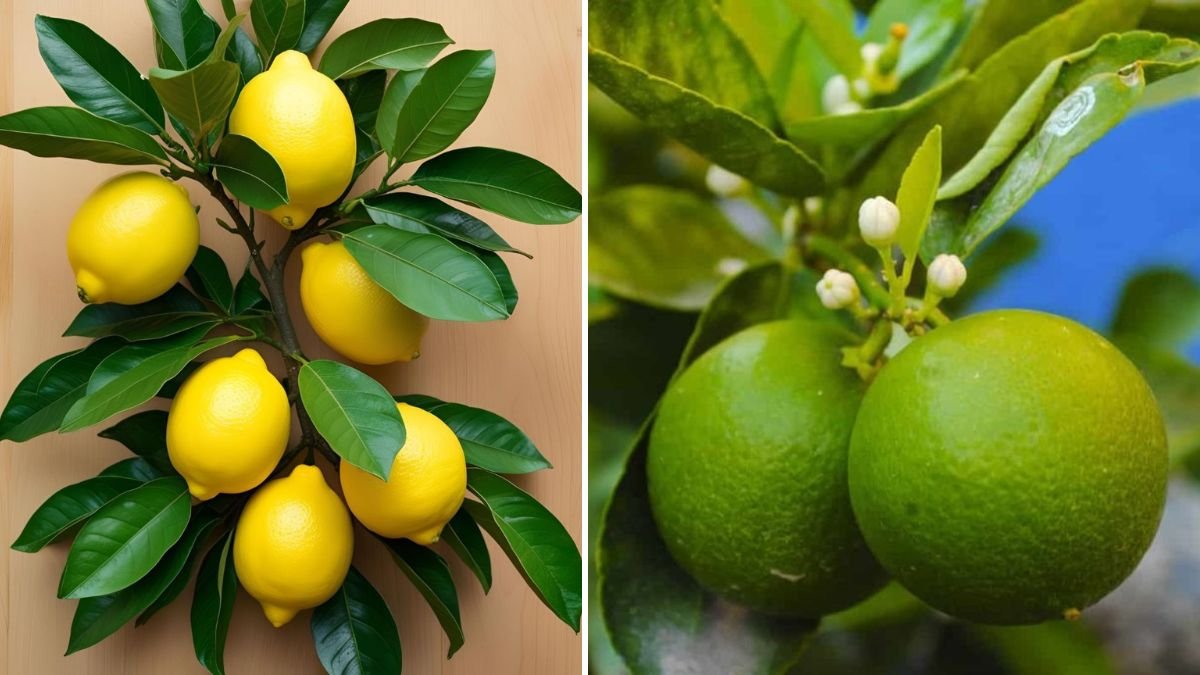
Lemon trees are among the most rewarding and easiest fruit trees you can grow at home. Their glossy green leaves, fragrant blossoms, and vibrant yellow fruits make them a beautiful addition to any garden or balcony. Whether you want fresh lemons for tea, cooking, or natural cleaning, growing your own lemon tree ensures you have chemical-free, organic fruit right at your fingertips.
This complete guide will teach you exactly how to grow a healthy, productive lemon tree, whether in the ground or in containers.
Why Lemon Trees Are Perfect for Home Gardeners
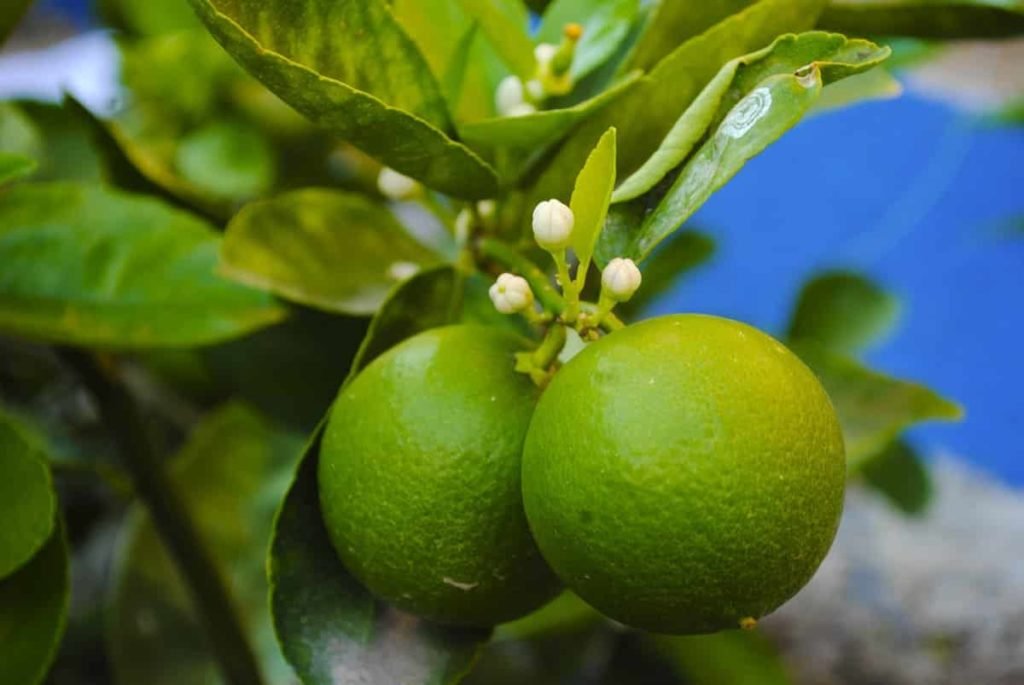
Lemon trees thrive in warm climates and adapt easily to pots, terraces, rooftops, and backyards. They are:
- Fast-growing
- High-yielding
- Low-maintenance
- Fragrant and beautiful
- Long-living (20–30 years)
A well-cared lemon tree can produce 50–200 lemons per year, depending on the variety.
Step 1: Choosing the Best Lemon Variety
Different varieties grow differently. Choose based on climate and preference.
Top Lemon Varieties to Grow
- Meyer Lemon: Sweet, low acidity, ideal for pots
- Eureka Lemon: Classic tart lemon, heavy fruiting
- Lisbon Lemon: Perfect for hot regions
- Kagzi Nimbu (Indian Lime): Very productive and popular in India
If you want faster fruiting, buy a grafted lemon plant — it fruits in 1–2 years.
Step 2: Selecting the Right Planting Location
Lemon trees love sunlight.
Sunlight Requirement
- 6–8 hours of bright sunlight daily
- South or west-facing area is best
Soil Requirements
- Well-draining soil
- Slightly acidic pH (5.5–7.0)
- Avoid clay-heavy or soggy soil
Mix sandy soil + compost for best results.
🪴 Step 3: Growing Lemon Trees in Pots (Container Method)

Lemon trees grow beautifully in pots if given enough space.
Pot Requirements
- Minimum pot size: 16–22 inches (40–55 cm)
- Must have a drainage hole
Best Soil Mix for Lemons
- 40% garden soil
- 40% compost/vermicompost
- 20% sand or cocopeat
- A handful of neem cake
Planting Steps
- Fill the pot with soil mix.
- Place the lemon plant at the center.
- Gently firm the soil around the root ball.
- Water deeply after planting.
- Keep in partial shade for a week, then move to full sun.
Step 4: Growing Lemon Trees in the Ground
If you have space, planting in the ground gives the best growth.
How to Plant
- Dig a pit 2× the size of the root ball.
- Mix compost + soil in equal parts.
- Plant the tree slightly above ground level.
- Water generously.
Leave 2–3 meters spacing between multiple trees.
Step 5: Watering Lemon Trees Correctly
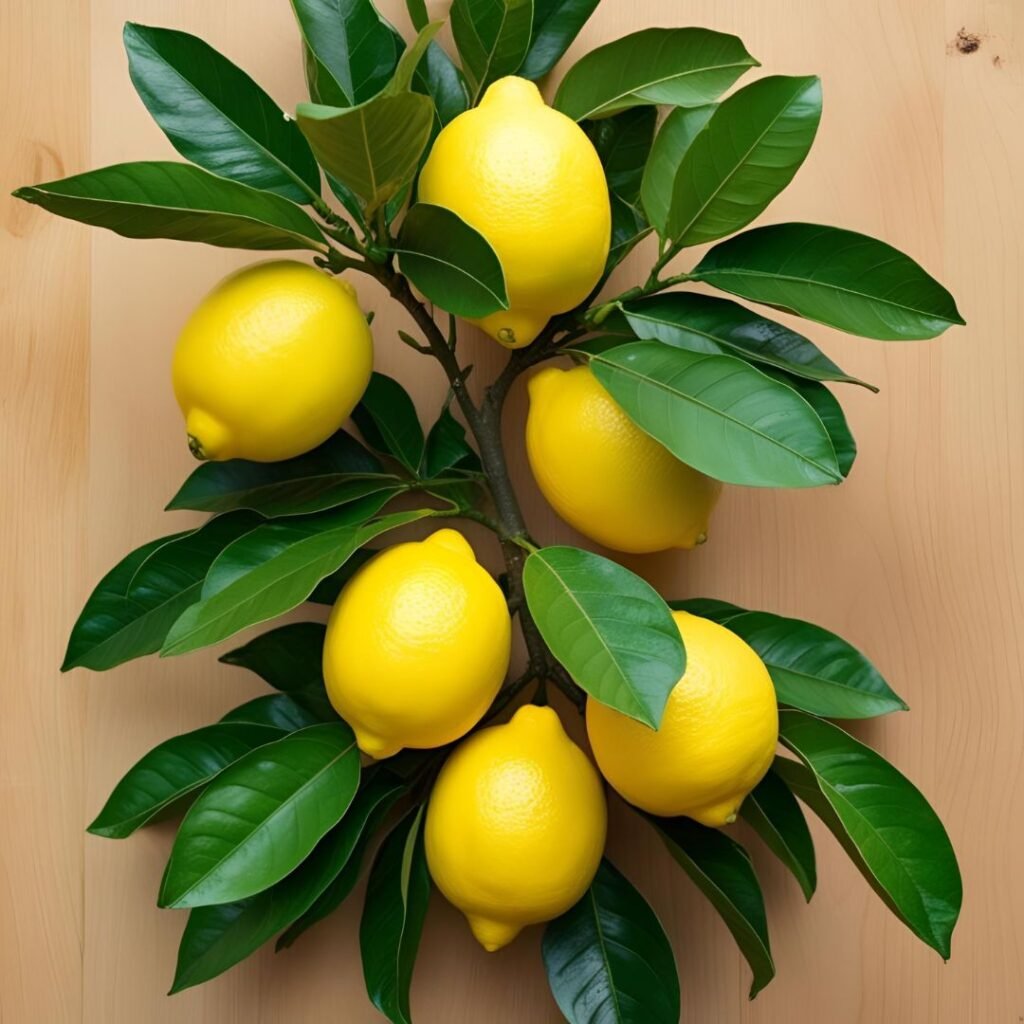
Watering is crucial, especially for young plants.
Watering Schedule
- New plants: Water every 2–3 days
- Established plants: Once every 4–7 days
- During fruiting: Slightly increase watering
- Winter season: Reduce watering
Lemons hate standing water but love evenly moist soil.
Step 6: Fertilizing for Faster Growth & More Lemons
Lemon trees are heavy feeders and require regular nutrition.
Fertilizer Routine
- Apply compost every 30–45 days.
- Use NPK 6-6-6 or 10-10-10 every 2 months.
- Before flowering, add extra potash for more fruits.
Organic Fertilizer Options
- Banana peel fertilizer
- Bone meal
- Mustard cake liquid
- Epsom salt (magnesium for greener leaves)
- Cow dung manure
Important Tip:
Too much nitrogen = more leaves, fewer lemons. Balance nutrition wisely.
Step 7: Flowering Stage and How to Increase Fruit Set
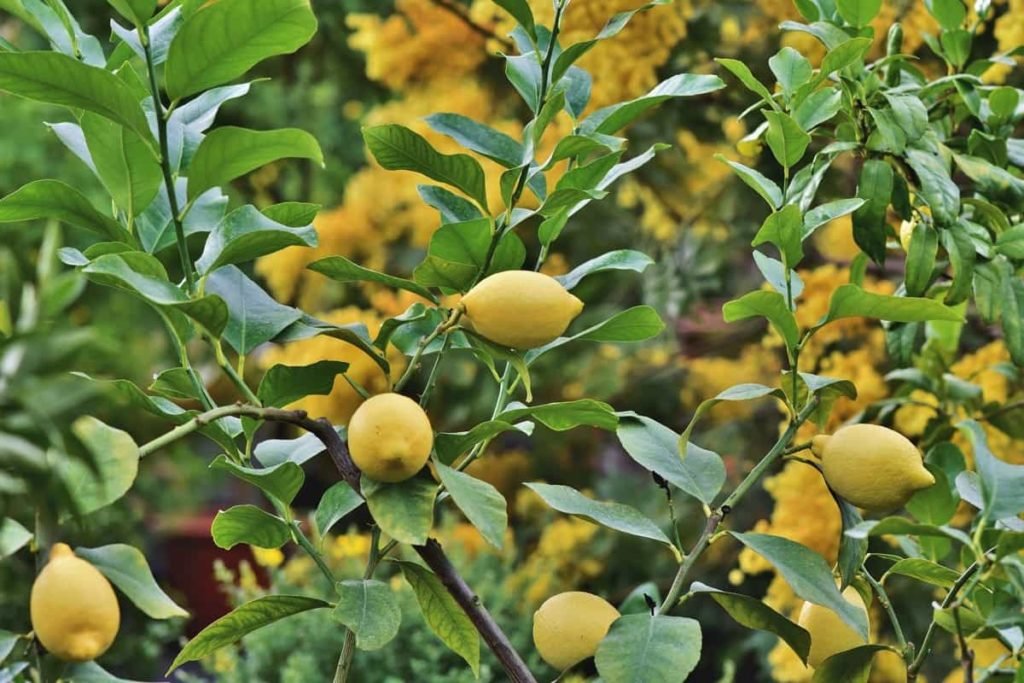
Lemon trees flower mainly in:
- Spring
- Monsoon
- Sometimes winter (depending on region)
How to Boost Flowering
- Provide 6–8 hours of sunlight
- Reduce watering slightly before flowering
- Add potash-rich fertilizer
- Avoid pruning during flowering period
Pollination
Lemon flowers are self-pollinating. Bees help, but manual pollination can increase fruiting:
- Gently shake the plant
- Use a soft brush to transfer pollen between flowers
Step 8: Protecting Flowers and Small Fruits from Falling
Fruit drop is common but avoidable.
Reasons for Fruit Drop
- Overwatering
- Underwatering
- Nutrient deficiency
- Temperature shock
- Strong winds
How to Prevent Fruit Drop
- Keep consistent watering
- Add micronutrients like zinc, magnesium, boron
- Spray seaweed extract for stronger flowers
- Protect plant from hot winds
Step 9: Pruning for Healthier Growth & More Lemons
Pruning shapes the tree, improves airflow, and increases fruiting.
When to Prune
- Late winter or immediately after harvest
How to Prune
- Remove dead, weak, or crossing branches
- Cut water shoots growing straight upwards
- Maintain an open center structure
- Never prune during flowering or fruiting
A well-pruned tree grows stronger and fruits better.
Step 10: Pest & Disease Control
Lemon trees can face pests, but simple treatments work well.
Common Pests
- Aphids
- Mealybugs
- Whiteflies
- Leaf miners
Organic Solutions
- Neem oil spray every 15 days
- Soap water spray for mealybugs
- Sticky traps for whiteflies
Common Diseases
- Citrus canker
- Root rot (from overwatering)
- Fungal spots
Use copper-based sprays when necessary and ensure good drainage.
Step 11: Harvesting Your Lemons
Lemons take 6–9 months to mature after flowering.
Signs of a Ready Lemon
- Full yellow or light green color
- Firm to touch
- Smells citrusy
- Size matches the variety
Cut lemons with scissors to avoid damaging branches.
Fun Fact:
Harvesting more encourages the tree to produce again!
Extra Tips for Growing a Super-Healthy Lemon Tree
- Mulch the soil to keep moisture in.
- Rotate the pot occasionally for even sunlight (if container-grown).
- Avoid keeping the plant in a fully shaded area.
- Protect from frost or extremely cold air.
- Add Epsom salt once every 45 days for deeper green leaves.
Final Thoughts: Your Lemon Tree Can Become a Lifetime Companion
Growing a lemon tree is simple, rewarding, and perfect for beginners. With proper sunlight, nutrition, and pruning, your tree will flourish and produce fresh lemons for many years. Whether planted on a terrace, garden, or balcony, lemon trees adapt beautifully and bring fragrance and freshness to your home.
Start today, and soon you’ll enjoy the incredible taste of homegrown organic lemons—fresh, juicy, and full of flavor.