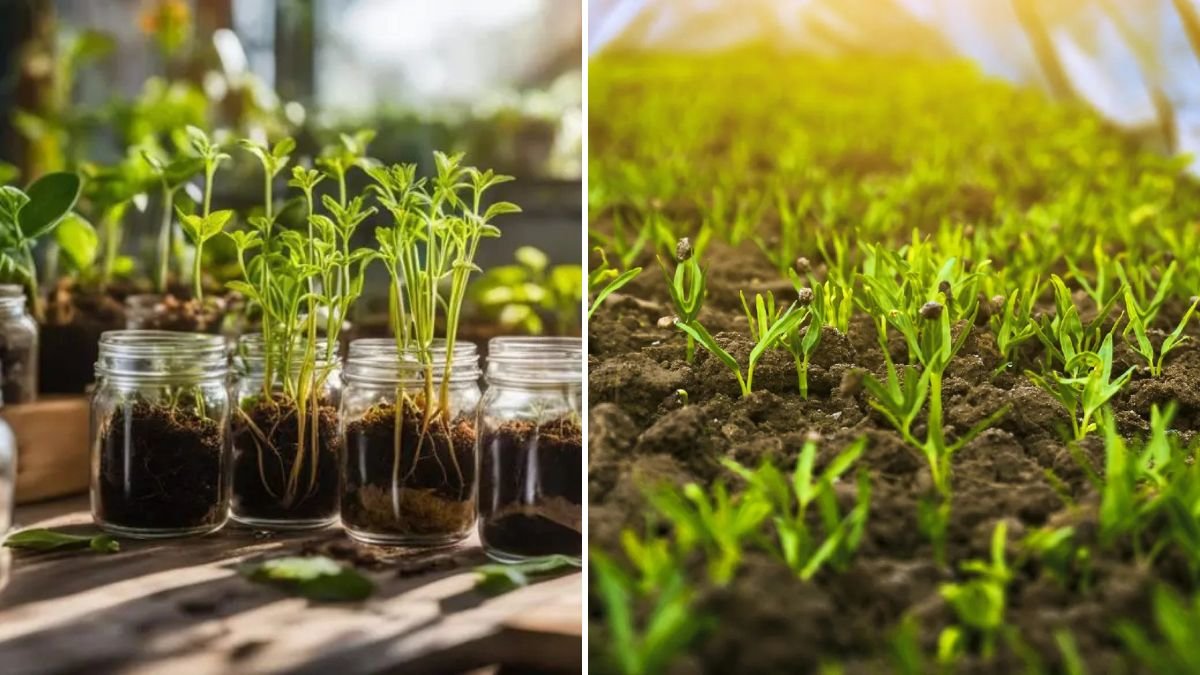
Propagating plants is one of the most rewarding and fascinating skills any gardener can learn. Whether you have a small balcony garden, a terrace full of pots, or a lush backyard, propagation allows you to expand your plant collection at almost no cost. It’s nature’s magic—turning a tiny cutting, leaf, or seed into a brand-new plant. With the right knowledge, anyone can do it successfully.
This guide breaks down everything you need to know about how to propagate plants effectively, the best techniques for beginners, and expert tips to ensure high success rates.
What Is Propagation?
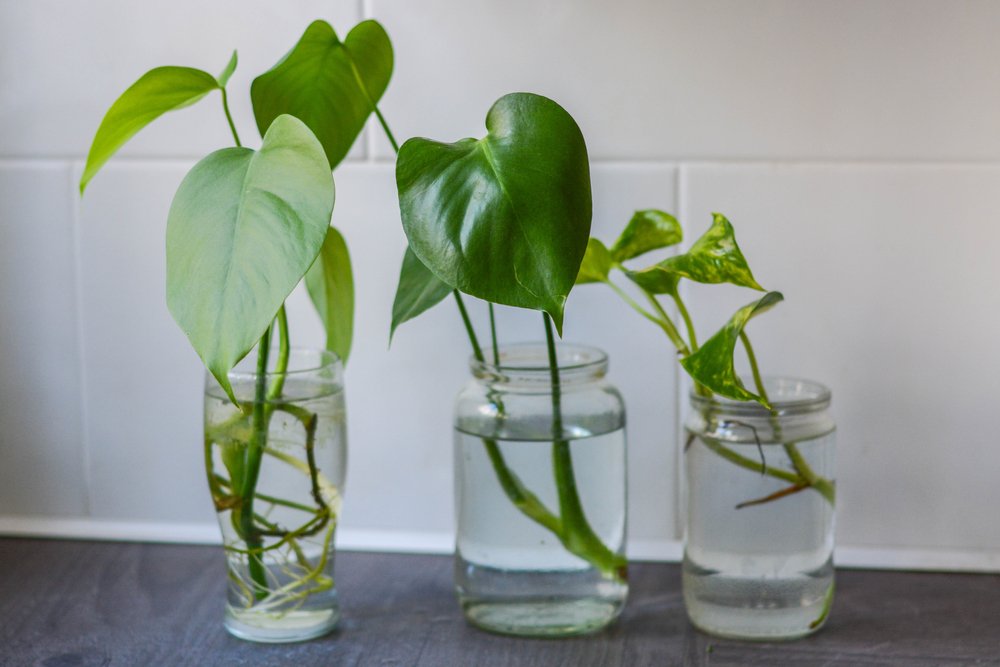
Propagation is the process of creating new plants from existing ones. Instead of buying new plants, you use parts of your current plants—such as stems, leaves, roots, or seeds—to grow new individuals.
There are two major categories:
1. Sexual Propagation (Using Seeds)
This involves growing plants from seeds. Seed-grown plants may show variations from the parent plant, especially in fruit trees.
2. Asexual Propagation (Vegetative Propagation)
This method uses stems, branches, roots, or leaves to grow new plants, producing perfect clones of the parent plant. Examples include stem cuttings, layering, division, and grafting.
For home gardeners, asexual propagation is the easiest and most reliable.
Popular Methods of Plant Propagation
Below are the most commonly used and highly successful techniques you can start today.
🪴 1. Stem Cuttings – The Easiest and Most Popular Method
Stem cutting is the go-to propagation technique for most plants. You simply cut a portion of a stem, plant it in soil or water, and wait for it to develop roots.
How to do it:
- Choose a healthy parent plant.
- Cut a 4–6 inch stem just below a node (the place where leaves grow).
- Remove the bottom leaves.
- Dip the cut end in rooting hormone or honey (optional but increases success).
- Plant the cutting in moist soil or place in water.
- Keep it in partial shade and maintain high humidity.
Best plants for stem cuttings:
- Lemon
- Hibiscus
- Rose
- Money plant
- Coleus
- Jasmine
- Bougainvillea
Why it works well:
Stem cuttings root quickly, need minimal equipment, and have high success rates when done properly.
2. Air Layering – Perfect for Fruit Trees
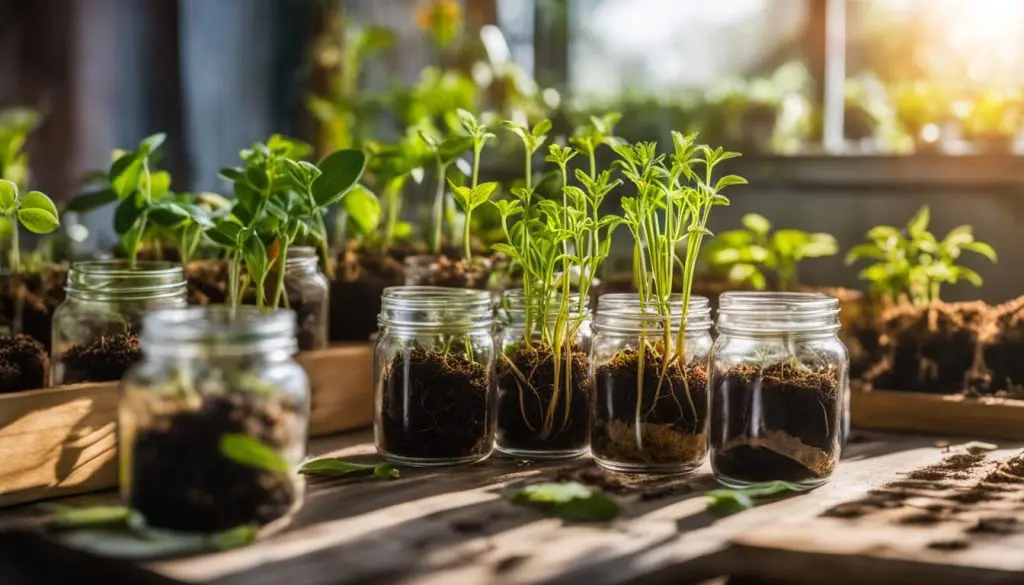
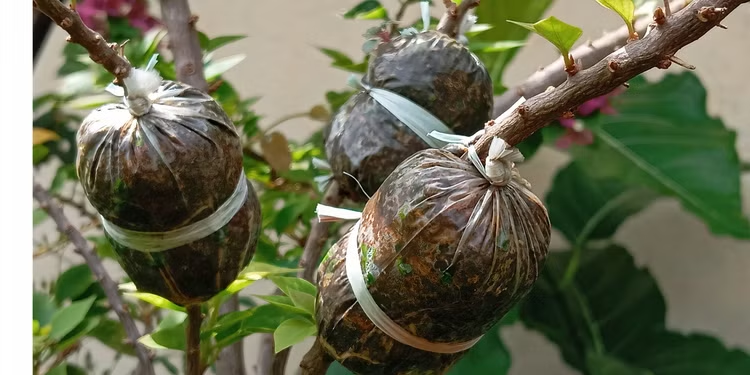
Air layering is a powerful propagation method for woody plants and fruit trees. It allows you to grow roots directly on the branch while it’s still attached to the mother plant.
How to do it:
- Select a healthy, pencil-thick branch.
- Remove 1–2 inches of bark to expose the inner cambium.
- Apply rooting hormone on the exposed area.
- Wrap moist coco peat or sphagnum moss around the section.
- Cover with plastic and tie both ends securely.
- Wait 30–60 days for roots to develop.
- Once you see good roots, cut the branch and plant it in a pot.
Best plants for air layering:
- Lemon
- Mango
- Guava
- Litchi
- Pomegranate
- Ficus species
Why it’s effective:
Air layering allows you to produce large, mature plants quickly, speeding up fruit production.
3. Leaf Cuttings – When a Single Leaf Becomes a Plant
Some plants grow beautifully from just a single leaf.
How to do it:
- Choose a healthy leaf and cut it close to the base.
- Insert the cut end into moist, well-draining soil.
- Keep the soil lightly moist and maintain humidity.
Best plants for leaf propagation:
- Snake plant
- Jade plant
- Begonia
- Kalanchoe
- African violet
Why it’s useful:
A single leaf can produce multiple new plants, making it ideal for indoor plant lovers.
4. Root Division – Best for Clumping Plants
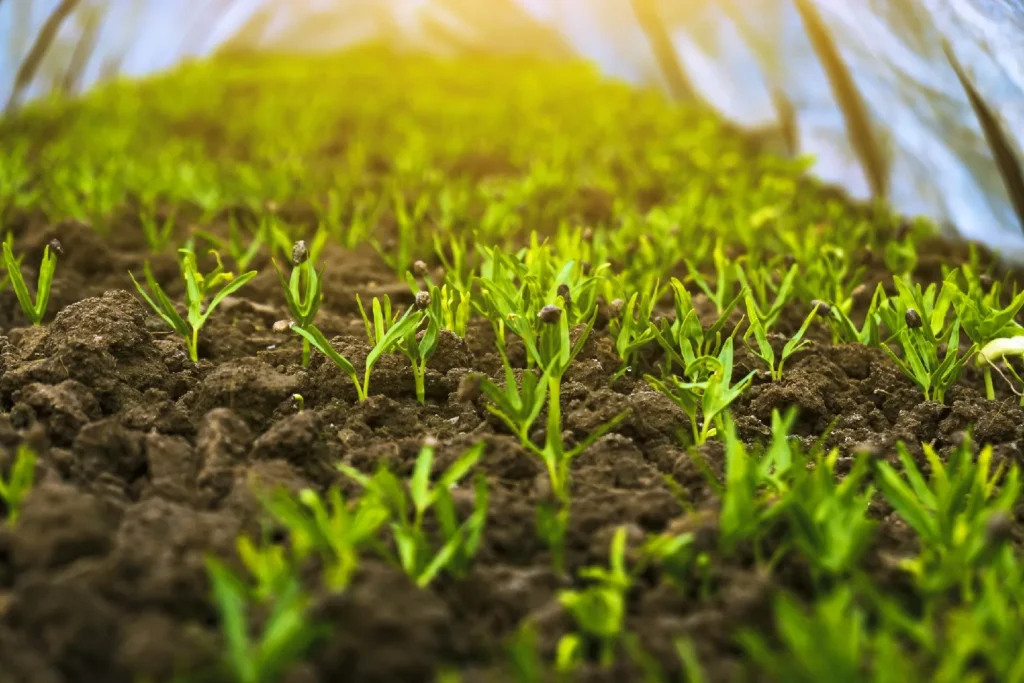
Root division works by separating sections of a mature plant, each containing roots and shoots.
How to do it:
- Uproot the parent plant carefully.
- Identify natural clumps or sections.
- Use a sharp knife or your hands to divide them.
- Replant each division into separate containers.
Best plants for division:
- Banana
- Ginger
- Turmeric
- Aloe vera
- Mint
- Ferns
Why it’s great:
Division instantly produces full-sized plants.
5. Seed Propagation – Simple and Natural
Although slower, growing from seeds is a satisfying method and ideal for vegetables, flowers, and some fruit plants.
How to do it:
- Prepare seed trays with well-draining soil.
- Sow seeds at appropriate depth (usually twice the seed’s size).
- Keep the soil moist but not waterlogged.
- Provide adequate sunlight.
Best plants for seeds:
- Tomatoes
- Chilies
- Marigold
- Sunflower
- Papaya
Why it’s important:
Some plants, especially annuals, grow best from seeds.
Key Factors That Affect Propagation Success
Propagation is easy, but paying attention to just a few things can dramatically increase your success rates.
1. Temperature
Most plants propagate best between 20°C to 30°C. Avoid extreme cold or heat.
2. Moisture
Propagation requires consistent moisture but not waterlogging.
Water only when the top layer of soil begins to dry.
3. Light
Indirect sunlight or partial shade is ideal.
Direct harsh sun can burn tender cuttings.
4. Clean Tools
Always use sharp, sanitized tools to avoid infection.
5. Rooting Medium
For best results, use:
- Coco peat
- Perlite
- Sand
- Vermiculite
- Loose potting mix
Good drainage is essential to prevent rot.
Top Tips to Boost Propagation Success
Use rooting hormone or honey
Stimulates faster root growth and prevents fungus.
Maintain high humidity
Cover cuttings with a plastic bag to create a mini greenhouse.
Choose young, healthy shoots
Young stems root faster than old woody branches.
Water with a spray bottle
Prevents soil disturbance.
Be patient
Some plants root in days; others take weeks.
Common Mistakes to Avoid
- Overwatering cuttings
- Keeping cuttings in harsh sunlight
- Using old or diseased plant material
- Planting in heavy clay soil
- Not maintaining hygiene
Avoid these to dramatically improve success.
Why Learning Propagation Is So Rewarding
Propagation connects you directly to the magic of nature. It allows you to:
- Multiply plants at no cost
- Preserve your favorite varieties
- Grow healthier and more resilient plants
- Share plants with friends and family
- Develop deeper gardening skills
Whether you are a beginner or an experienced gardener, propagation offers endless possibilities to expand your garden and your knowledge.
Final Thoughts
Propagation is not just a technique—it’s an art and a joy. With simple tools, a little patience, and the right methods, you can grow hundreds of new plants right at home. Start with easy plants, practice often, and soon you’ll become an expert propagator capable of transforming a single cutting into a flourishing garden.