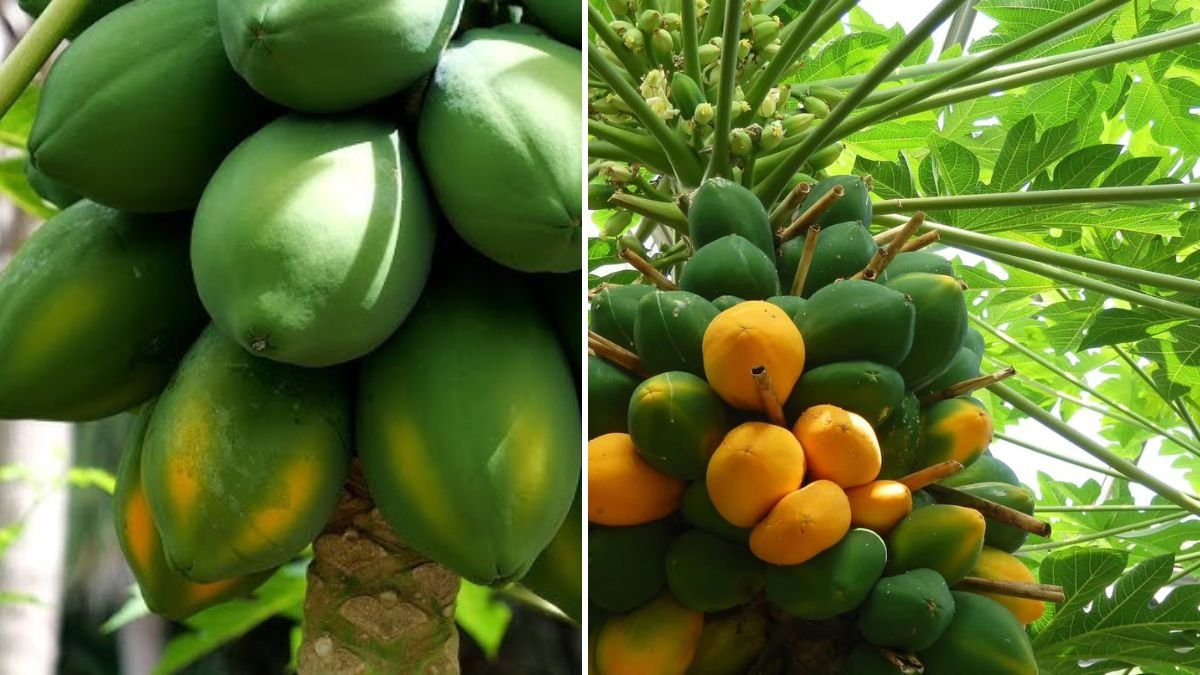
Papaya is one of the most popular tropical fruits, loved for its sweet, juicy flesh and numerous health benefits. Rich in vitamins A, C, and E, papaya is not only delicious but also boosts digestion, immunity, and overall health. Growing papaya at home or on a small farm can be highly rewarding, but to grow strong, healthy plants and enjoy abundant fruit, you need to follow proper techniques.
In this article, we’ll explore how to grow papaya from seeds or seedlings, soil preparation, watering, fertilization, pest management, and harvesting tips. By following these steps, you can cultivate thriving papaya plants and enjoy fresh, juicy fruits right from your garden.
1. Why Growing Papaya Is Rewarding
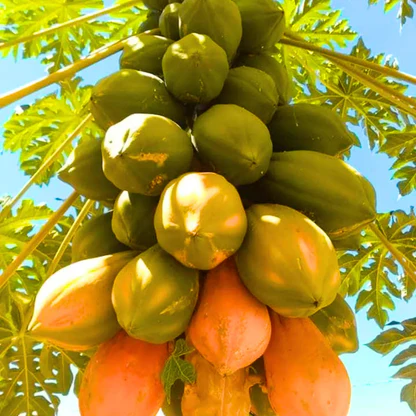
Papaya is a fast-growing tropical plant that offers several advantages:
- Quick Growth: Papaya plants can start flowering within 6–12 months from sowing seeds.
- High Nutritional Value: Provides vitamins, antioxidants, and digestive enzymes like papain.
- Space Efficiency: Grows well in small gardens and containers.
- Year-Round Harvest: With proper care, papaya can produce fruits throughout the year.
Understanding the right techniques is key to overcoming common challenges like diseases, nutrient deficiencies, and poor fruiting.
2. Choosing the Right Papaya Variety
Selecting a suitable variety is essential for healthy growth and high yield.
Popular Papaya Varieties:
- Red Lady Papaya: Sweet, red-fleshed, high-yielding, and disease-resistant.
- Solo Papaya: Small to medium size, flavorful, ideal for home gardens.
- Honey Dew Papaya: Sweet flavor, smooth texture, fast-growing.
- Hybrid Varieties: Resistant to pests and diseases, suitable for commercial farming.
Pro Tip: For home gardens, choose dwarf or compact varieties that produce faster fruit and are easier to manage.
3. Propagating Papaya
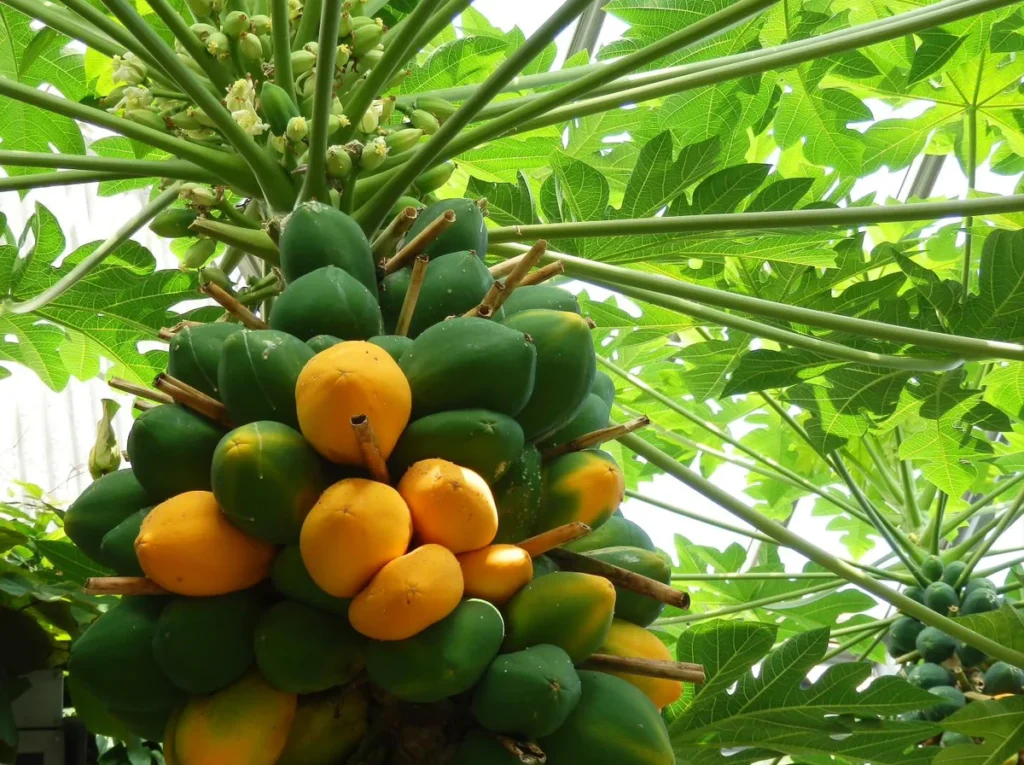
Papaya can be grown from seeds or seedlings. Propagation from seeds is common and easy, while seedlings provide a head start for faster fruiting.
A. Growing from Seeds
- Select Fresh Seeds: Use seeds from fully ripened fruits.
- Clean Seeds: Remove pulp and wash thoroughly.
- Dry Slightly: Spread seeds on paper towels for 1–2 days.
- Sow Seeds: Plant 1–2 seeds in a pot or seed tray, 1 cm deep, using well-draining soil.
- Germination: Keep soil moist and warm. Seeds germinate in 2–3 weeks.
B. Using Seedlings
- Purchase healthy seedlings from nurseries.
- Seedlings aged 2–3 months are ideal for transplanting.
Secret Advantage: Seed-grown plants may take slightly longer to fruit, but they are hardy and adaptable.
4. Preparing the Soil
Papaya thrives in well-draining, fertile soil with a pH of 6.0–7.0.
Soil Preparation Tips:
- Mix garden soil, compost, and sand for good drainage and nutrition.
- Avoid waterlogged or clay-heavy soil to prevent root rot.
- Apply organic matter or manure to improve fertility.
- Prepare raised beds in areas prone to heavy rain.
Secret Advantage: Healthy soil promotes strong root development and vigorous plant growth.
5. Planting and Spacing
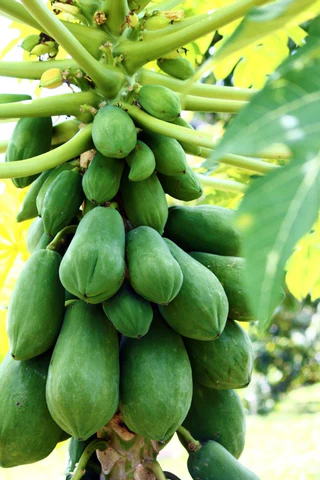
Proper planting and spacing are crucial for airflow, sunlight, and root growth.
Planting Steps:
- Dig holes 30–40 cm deep and wide.
- Mix compost or well-rotted manure with soil.
- Plant one seedling per hole and cover roots gently.
- Water immediately after planting.
Spacing Recommendations:
- Standard spacing: 2–3 meters between plants
- Row spacing: 2–2.5 meters to allow sufficient sunlight and air circulation
Secret Advantage: Adequate spacing reduces disease risk and encourages larger fruit production.
6. Watering Technique
Papaya plants need consistent moisture for proper growth but are sensitive to waterlogging.
Watering Tips:
- Water 2–3 times a week, depending on weather and soil type.
- Reduce watering slightly during cooler months.
- Use drip irrigation for consistent moisture and reduced fungal problems.
- Mulch around the plant to retain soil moisture and control weeds.
Secret Advantage: Proper watering prevents stress, promotes healthy leaves, and enhances fruit quality.
7. Fertilization Secrets
Papaya is a heavy feeder and responds well to organic and chemical fertilizers.
Fertilizer Tips:
- Apply NPK fertilizer (15:15:15) every 6–8 weeks.
- Supplement with organic compost or vermicompost for better soil health.
- Side-dress plants with nitrogen-rich fertilizer for strong vegetative growth.
- Avoid excessive nitrogen during fruiting to prevent leaf overgrowth at the expense of fruits.
Secret Advantage: Balanced nutrition results in strong stems, lush foliage, and sweet, juicy fruits.
8. Pest and Disease Management
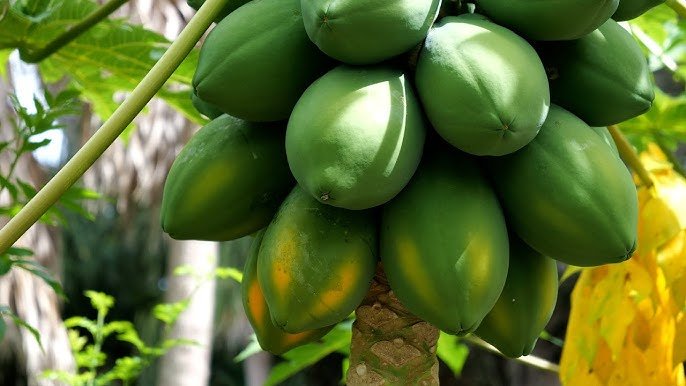
Papaya plants are prone to pests like aphids, mealybugs, and fruit flies, and diseases such as papaya ring spot, powdery mildew, and root rot.
Management Tips:
- Preventive Spraying: Use neem oil or mild insecticidal soaps.
- Regular Inspection: Check leaves and fruits for early signs of pests.
- Crop Rotation: Avoid planting papaya repeatedly in the same soil.
- Remove Diseased Plants: Prevent spread to healthy plants.
Secret Advantage: Early intervention ensures strong, healthy plants and reduces fruit loss.
9. Pruning and Training Papaya
Pruning may not be necessary for all varieties, but removing dead or damaged leaves improves airflow and reduces disease.
Pruning Tips:
- Remove lower leaves to prevent pests from reaching fruits.
- Trim damaged or yellowing leaves regularly.
- Support plants with stakes in windy areas to prevent stem breakage.
Secret Advantage: Proper pruning improves sunlight penetration, reduces fungal infections, and promotes fruiting.
10. Flowering and Fruit Development
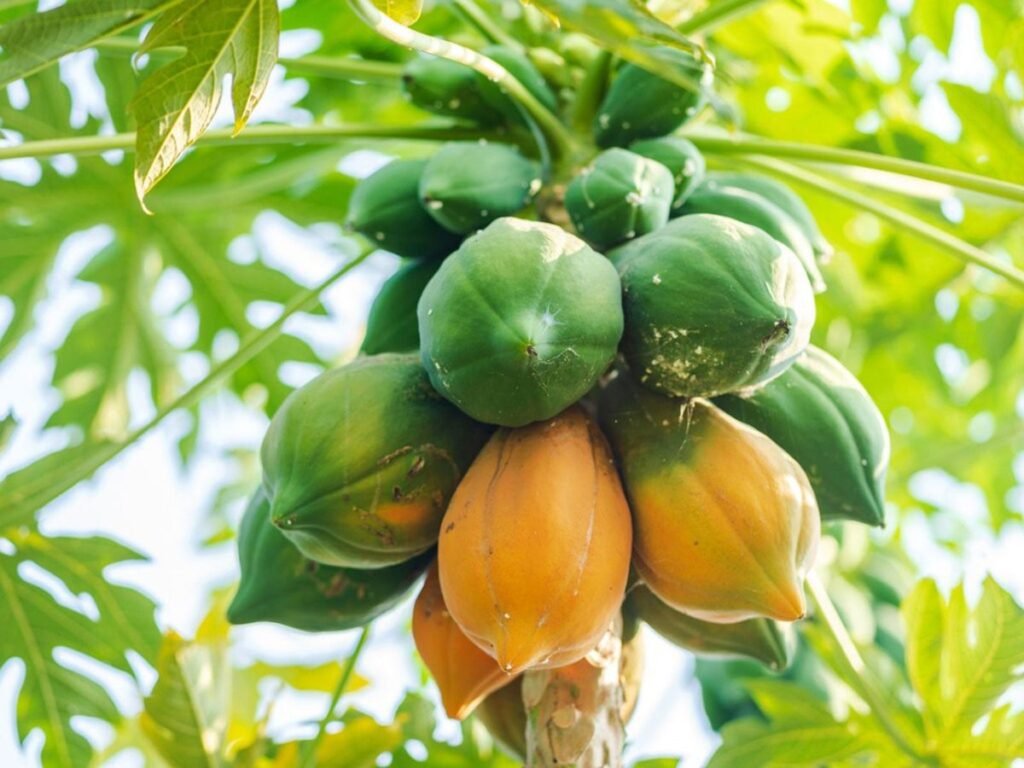
Papaya plants can be male, female, or hermaphrodite. Only female and hermaphrodite plants bear fruit.
Flowering Tips:
- Ensure adequate sunlight for flowering.
- Hand-pollinate flowers if pollinator activity is low.
- Maintain proper watering and nutrition during flowering.
Fruit Development Tips:
- Harvest fruits when fully mature but still firm.
- Avoid overripe fruits on the plant to encourage continuous fruiting.
- Use a clean knife or scissors to harvest to avoid damaging stems.
Secret Advantage: Proper flower and fruit management maximizes yield and quality.
11. Harvesting Tips
- Papayas are ready to harvest 6–12 months after planting, depending on variety and care.
- Fruits should have uniform skin color, typically yellow or orange, depending on the type.
- Harvest regularly to encourage more flowering and fruiting.
Secret Advantage: Timely harvesting ensures fresh, sweet fruits and promotes continuous production.
12. Benefits of Growing Papaya at Home
- Fresh, chemical-free fruits for your family
- Rich source of vitamins, antioxidants, and digestive enzymes
- Fast-growing plant that provides yield in under a year
- Can be grown in small spaces, containers, or backyards
- Attractive, tropical addition to your garden
Conclusion: Your Guide to Thriving Papaya Plants
Papaya is an incredibly rewarding plant to grow, offering nutritious fruits, fast growth, and year-round harvest with the right care. By following these steps:
- Selecting the right variety
- Preparing fertile, well-draining soil
- Proper planting, spacing, and watering
- Balanced fertilization and pest management
- Flowering and fruit development techniques
…you can cultivate healthy, high-yielding papaya plants that thrive in your garden or farm.
Start today, and with patience and care, you’ll enjoy juicy, delicious papayas straight from your own backyard, adding flavor, health, and vibrancy to your meals and garden.