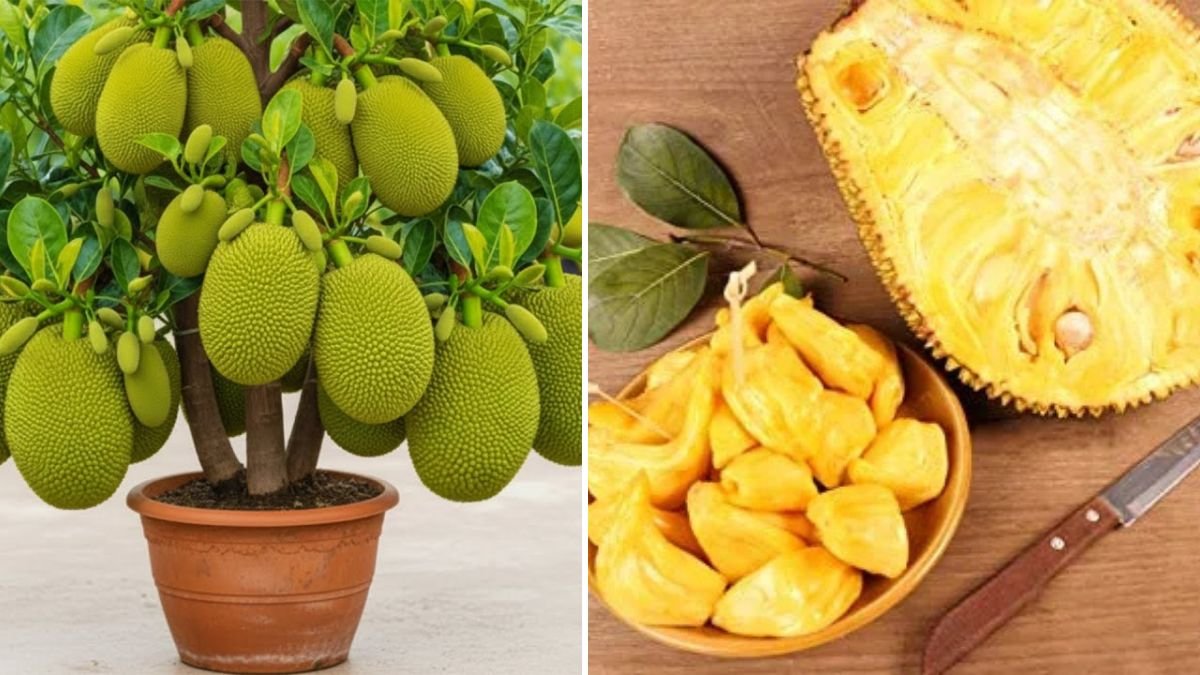
Jackfruit is one of the largest and most versatile tropical fruits, loved for its sweet, aromatic flesh and multiple culinary uses. Growing jackfruit from seeds is common, but seed-grown trees take 6–8 years to bear fruit. If you want earlier fruiting, better quality fruits, and strong, disease-resistant trees, grafting is the best technique.
In this comprehensive guide, we’ll explore everything you need to know about how to graft jackfruit, including the best methods, step-by-step instructions, tips for success, and common mistakes to avoid. With this knowledge, you can enjoy healthy trees and bountiful harvests in less time.
1. Why Grafting Jackfruit Is Beneficial
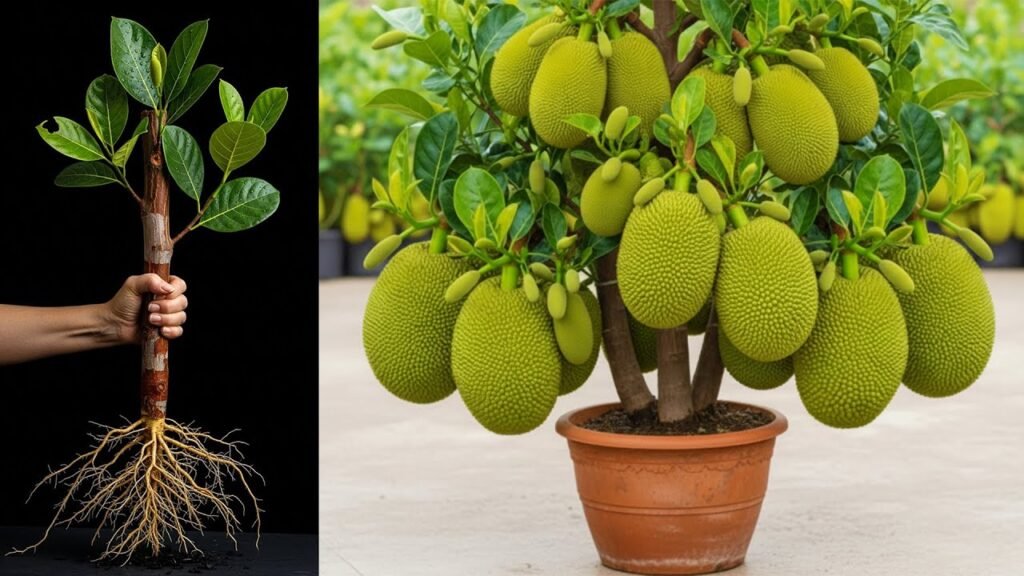
Grafting is an ancient horticultural technique that involves joining a scion (desired fruit-bearing branch) with a rootstock (young seedling or tree). This method offers several advantages:
- Faster Fruiting: Grafted trees can produce fruits within 2–3 years, much sooner than seed-grown trees.
- True-to-Type Fruits: Seedlings may vary, but grafting ensures the new tree produces fruit identical to the parent tree.
- Disease Resistance: Using a strong rootstock improves the tree’s overall health and resistance to soil-borne diseases.
- Space Optimization: Grafted trees can bear multiple varieties on the same rootstock for diverse fruit production.
Secret Advantage: Grafting combines the strengths of two trees—the scion’s fruit quality and the rootstock’s vigor.
2. Choosing the Right Rootstock and Scion
The success of grafting depends largely on selecting healthy rootstock and scion material.
Rootstock Selection:
- Use 6–12 month-old seedling trees.
- Should be vigorous, disease-free, and well-established.
- Well-rooted seedlings ensure a strong foundation for the grafted branch.
Scion Selection:
- Choose healthy, disease-free branches from mature jackfruit trees.
- The scion should have 2–4 buds or nodes for successful grafting.
- Select branches from high-yielding trees with desired fruit quality (taste, size, aroma).
Secret Advantage: Healthy, compatible rootstock and scion significantly increase grafting success rates.
3. Tools and Materials Needed
Before starting, gather all necessary tools to ensure a clean and precise grafting process:
- Sharp grafting knife or sterilized blade
- Pruning shears
- Grafting tape or parafilm
- Grafting wax or sealant
- Rootstock seedlings
- Selected scion branches
- Clean cloth or disinfectant (to sterilize tools)
Pro Tip: Always use sterile tools to prevent infections and increase the success rate of grafting.
4. Common Methods of Grafting Jackfruit
There are several grafting methods suitable for jackfruit trees. The most widely used are:
A. Cleft Grafting
- Cut the top of the rootstock seedling straight across.
- Make a vertical slit (cleft) about 2–3 cm deep.
- Shape the scion into a wedge and insert it into the cleft.
- Bind tightly with grafting tape and seal with wax.
Pros: High success rate, ideal for young seedlings.
Cons: Requires careful alignment of cambium layers.
B. Side Veneer Grafting
- Make a slanted cut on the side of the rootstock about 2–3 cm long.
- Shape the scion to fit snugly into the cut.
- Align the cambium layers carefully.
- Wrap the union with tape and apply grafting wax.
Pros: Works well with slightly older seedlings or thick rootstocks.
Cons: Needs precision to avoid gaps between scion and rootstock.
C. Approach Grafting
- Bring a scion branch close to the rootstock without detaching it from the parent tree.
- Make small cuts on both scion and rootstock.
- Join the two cuts and wrap tightly with tape.
- Once rooted, sever the scion from its parent.
Pros: High success rate since both scion and rootstock remain nourished.
Cons: Takes longer and requires more space.
5. Step-by-Step Grafting Process
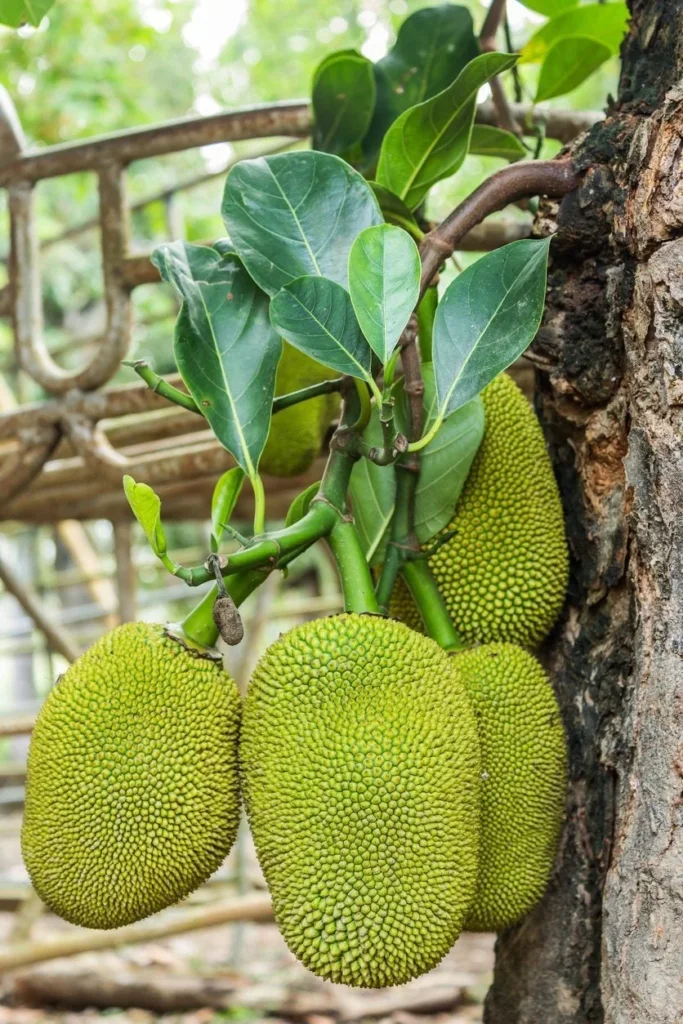
Here’s a step-by-step guide to successfully grafting jackfruit:
- Prepare Rootstock: Select a strong seedling and remove the top leaves to reduce moisture loss.
- Cut the Rootstock: Use the cleft or side veneer method depending on the age of the seedling.
- Prepare the Scion: Trim the scion into a wedge shape, ensuring smooth, clean cuts.
- Insert the Scion: Place the scion into the rootstock slit, aligning the cambium layers precisely.
- Secure the Graft: Wrap tightly with grafting tape to hold the scion in place.
- Seal the Union: Apply grafting wax to prevent moisture loss and infections.
- Provide Aftercare: Place the grafted seedling in partial shade and avoid waterlogging.
- Monitor Growth: Within 2–4 weeks, new shoots should start growing from the scion.
Secret Advantage: Attention to detail and clean cuts increase the likelihood of a successful graft.
6. Aftercare for Grafted Trees
Proper care is crucial during the first few months after grafting.
Watering:
- Keep soil consistently moist but avoid waterlogging.
- Reduce watering slightly if signs of over-saturation appear.
Sunlight:
- Provide partial shade initially to reduce stress.
- Gradually expose to full sun as the graft strengthens.
Fertilization:
- Apply balanced NPK fertilizer in small doses.
- Organic compost or vermicompost helps the scion develop faster.
Pest Management:
- Watch for aphids, mealybugs, or fungal infections.
- Use neem oil or organic insecticides if necessary.
Secret Advantage: Proper aftercare ensures strong union, vigorous growth, and earlier fruiting.
7. Common Problems and How to Avoid Them
Even with careful grafting, problems can arise:
- Scion Dieback: Often caused by poor cambium alignment or dry grafts.
Solution: Ensure proper alignment and seal the graft tightly. - Infection: Fungal or bacterial infections may occur.
Solution: Use sterile tools and clean grafting wax. - Weak Union: Can be caused by improper binding or stress.
Solution: Secure graft firmly with tape and protect from wind or extreme sunlight. - Delayed Growth: Sometimes due to nutrient deficiencies.
Solution: Apply light fertilizer and maintain proper watering.
8. Benefits of Grafting Jackfruit
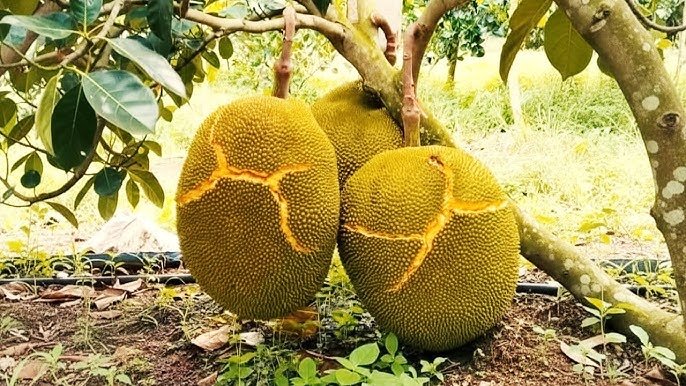
- Early Fruit Production: Grafted trees bear fruit within 2–3 years.
- High-Quality Fruits: Produces fruits identical to the parent tree in size, taste, and aroma.
- Stronger, Disease-Resistant Trees: Rootstock vigor supports healthy scion growth.
- Space Efficiency: Can graft multiple varieties on one rootstock for diversity.
9. Harvesting and Long-Term Care
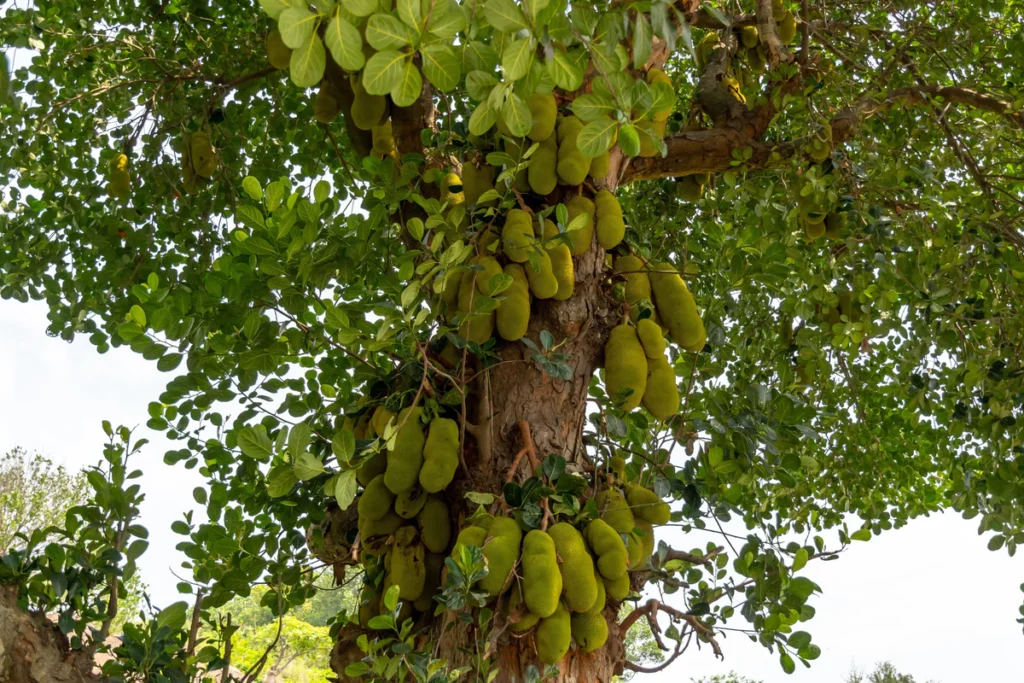
- Grafted jackfruit trees can start fruiting in 2–3 years.
- Regular pruning improves airflow and fruit quality.
- Support heavy fruits with slings or props to prevent branch breakage.
- Continue regular fertilization and pest monitoring for consistent yields.
Secret Advantage: Well-cared-for grafted trees produce larger, sweeter, and more uniform fruits for years.
10. Conclusion: Mastering Jackfruit Grafting
Grafting jackfruit is a powerful horticultural technique that accelerates fruiting, ensures high-quality produce, and improves tree health. By following these steps:
- Selecting healthy rootstock and scion
- Using proper grafting methods (cleft, side veneer, or approach)
- Maintaining aftercare with proper watering, fertilization, and pest control
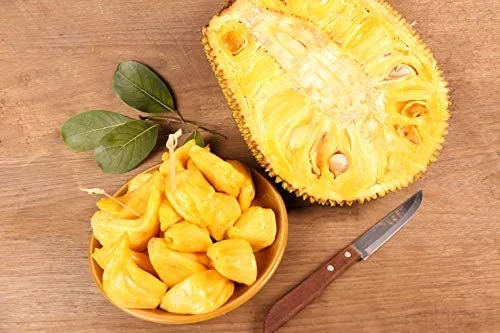
…you can enjoy healthy trees, faster fruiting, and abundant jackfruit harvests.
Whether you are a home gardener or a commercial grower, grafting is the secret to success with jackfruit cultivation, transforming years of waiting into just a few seasons of sweet, juicy fruits.