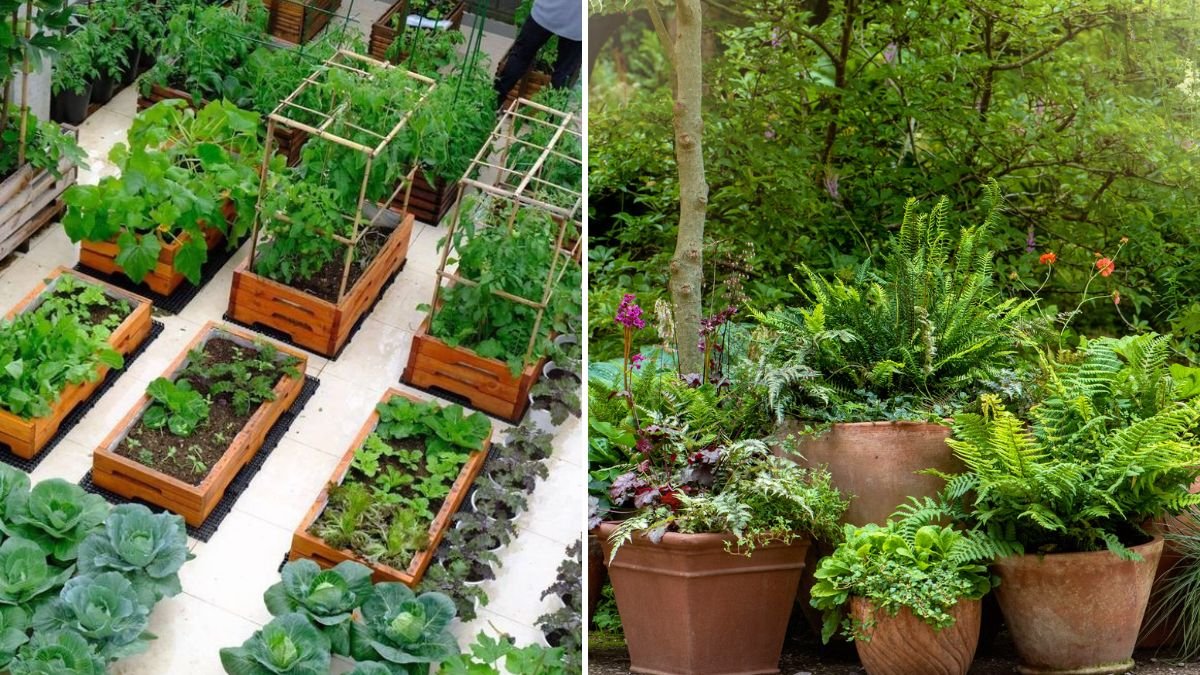
Gardening is both an art and a science. Every gardener dreams of achieving lush plants, abundant harvests, and minimal effort, but traditional methods often fall short. That’s where new, innovative ideas come in—methods that can transform your garden into a thriving, productive space.
In this guide, we’ll explore amazing new ideas for gardening, including advanced propagation techniques, space optimization, soil enrichment, pest control, and modern cultivation methods. By adopting these strategies, you can enjoy healthier plants, higher yields, and a more enjoyable gardening experience.
1. Why Innovation Matters in Gardening
Gardening has evolved over the years. While traditional methods work, they often face challenges such as:
- Limited space for planting
- Pest and disease infestations
- Low yield per plant
- Soil depletion and nutrient deficiencies
- Time-consuming maintenance
Implementing new ideas helps gardeners overcome these challenges, increase productivity, and create sustainable, low-maintenance gardens. Innovation in gardening isn’t just about tools—it’s about smarter planting, nutrient management, and creative cultivation techniques.
2. Space-Saving Gardening Techniques
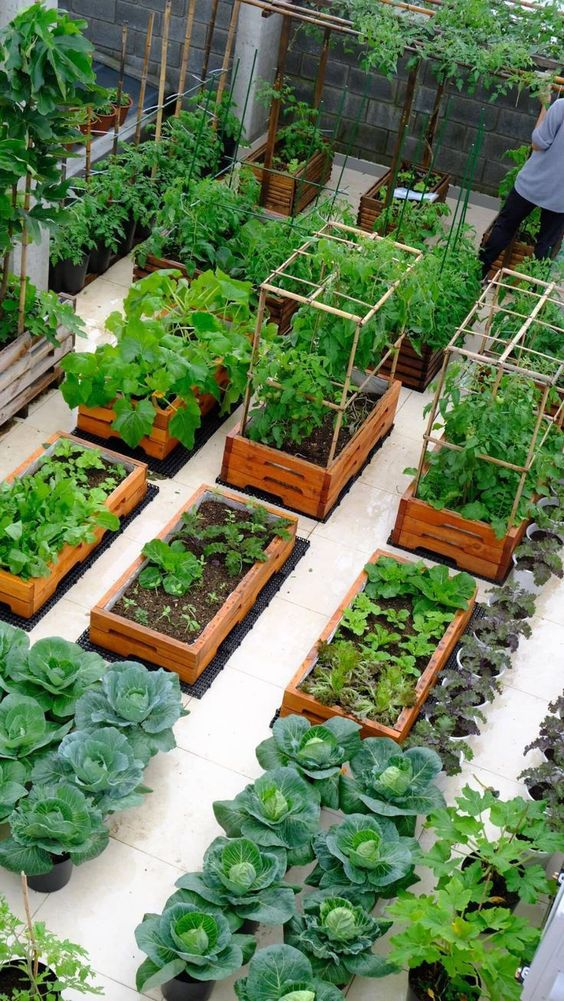
One amazing idea transforming modern gardens is vertical gardening and space optimization.
Vertical Gardening
- Use trellises, netting, or wall-mounted structures to grow climbing plants like cucumbers, beans, and tomatoes.
- Save ground space while improving airflow, reducing fungal diseases.
- Vertical gardens also make harvesting easier and reduce pest damage.
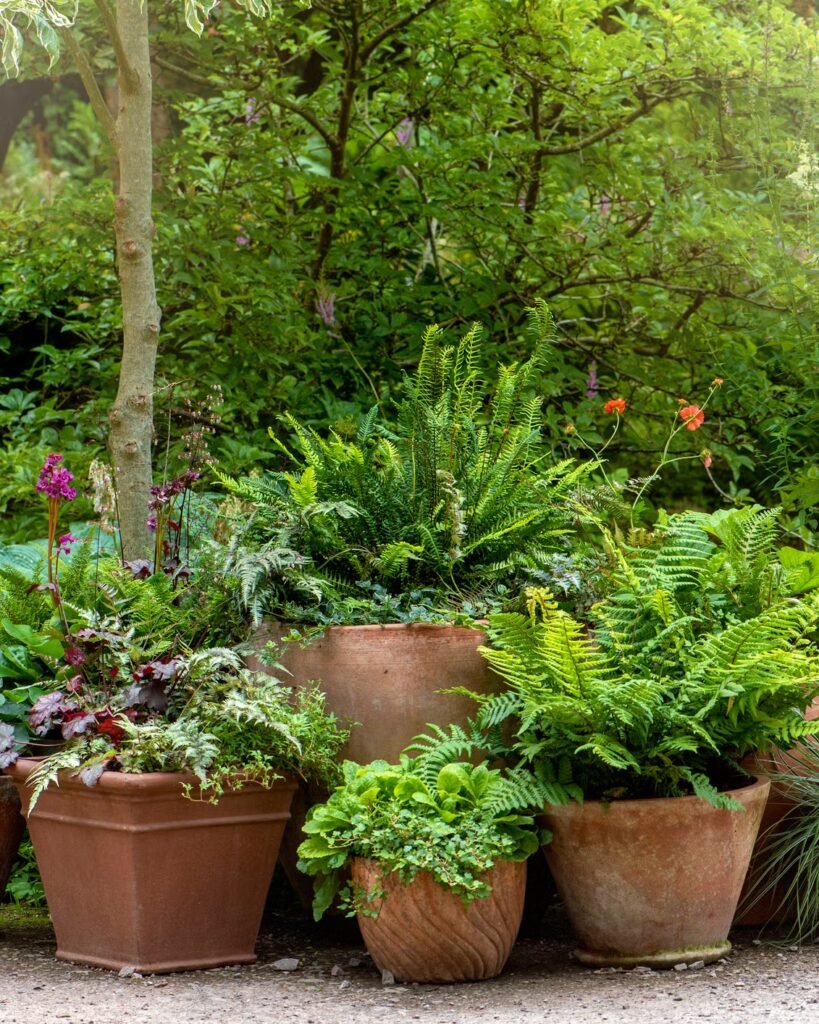
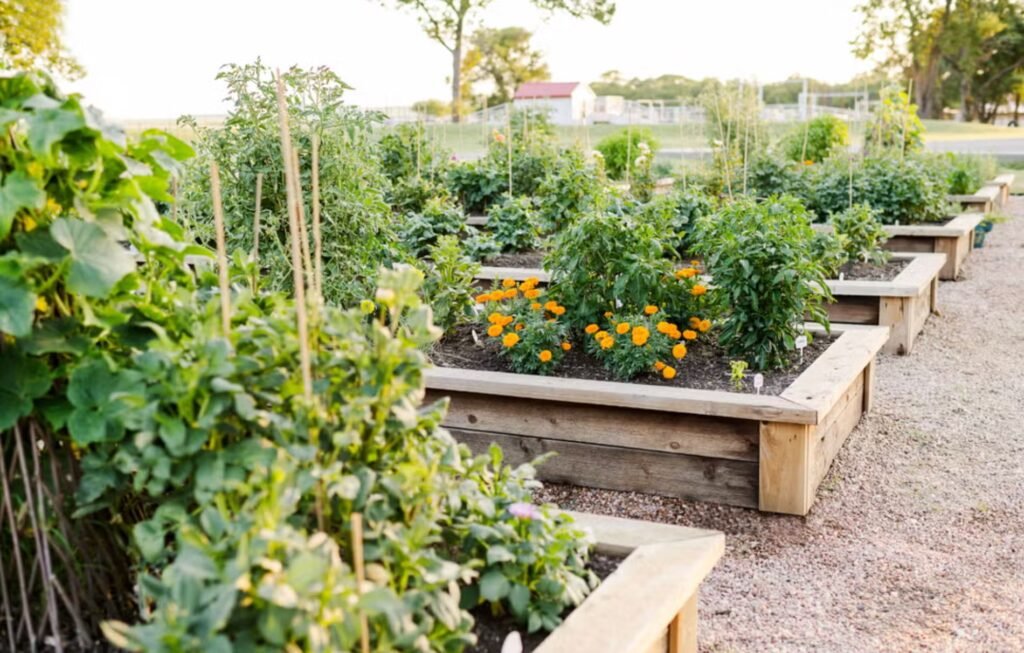
Container and Raised-Bed Gardening
- Plant vegetables, fruits, and herbs in containers or raised beds to control soil quality.
- Ideal for urban spaces, balconies, or limited gardens.
- Improves drainage, reduces soil compaction, and allows easy fertilization.
Secret Advantage: These techniques maximize yield per square meter, making even small spaces highly productive.
3. Innovative Propagation Methods
Propagation is one area where new ideas can make a huge difference in plant growth and yield.
A. Stem Cuttings and Air Layering
- Take semi-hardwood stems from healthy parent plants.
- Use rooting hormone to stimulate faster root growth.
- Air layering allows roots to form on a branch while still attached to the parent, producing a strong new plant.
B. Grafting
- Join a desirable scion (fruiting part) to a strong rootstock.
- Produces fast-growing plants that are disease-resistant and true-to-type.
- Common for fruit trees like mango, guava, and citrus.
C. Hydroponic Propagation
- Grow plants in nutrient-rich water instead of soil.
- Ensures faster growth and higher survival rates for seedlings.
Secret Advantage: These modern propagation techniques reduce waiting time for fruits and flowers, ensuring healthier, uniform plants.
4. Soil and Fertility Innovations
Healthy soil is the foundation of a thriving garden. A new idea is to boost soil fertility using natural, innovative methods.
A. Compost and Vermicompost
- Use kitchen scraps, garden waste, and earthworm castings.
- Enriches soil with essential nutrients and beneficial microbes.
B. Liquid Fertilizers
- Spraying diluted compost tea or seaweed extract directly on leaves accelerates nutrient absorption.
- Encourages stronger stems, healthier leaves, and more flowers.
C. Biochar and Mulching
- Biochar improves soil structure and water retention.
- Mulching reduces water evaporation, controls weeds, and regulates temperature.
Secret Advantage: Fertile soil improves plant vigor, reduces disease susceptibility, and increases fruit and vegetable quality.
5. Natural Pest and Disease Management
Traditional gardening often relies heavily on chemicals, but innovative, natural methods are safer and more sustainable.
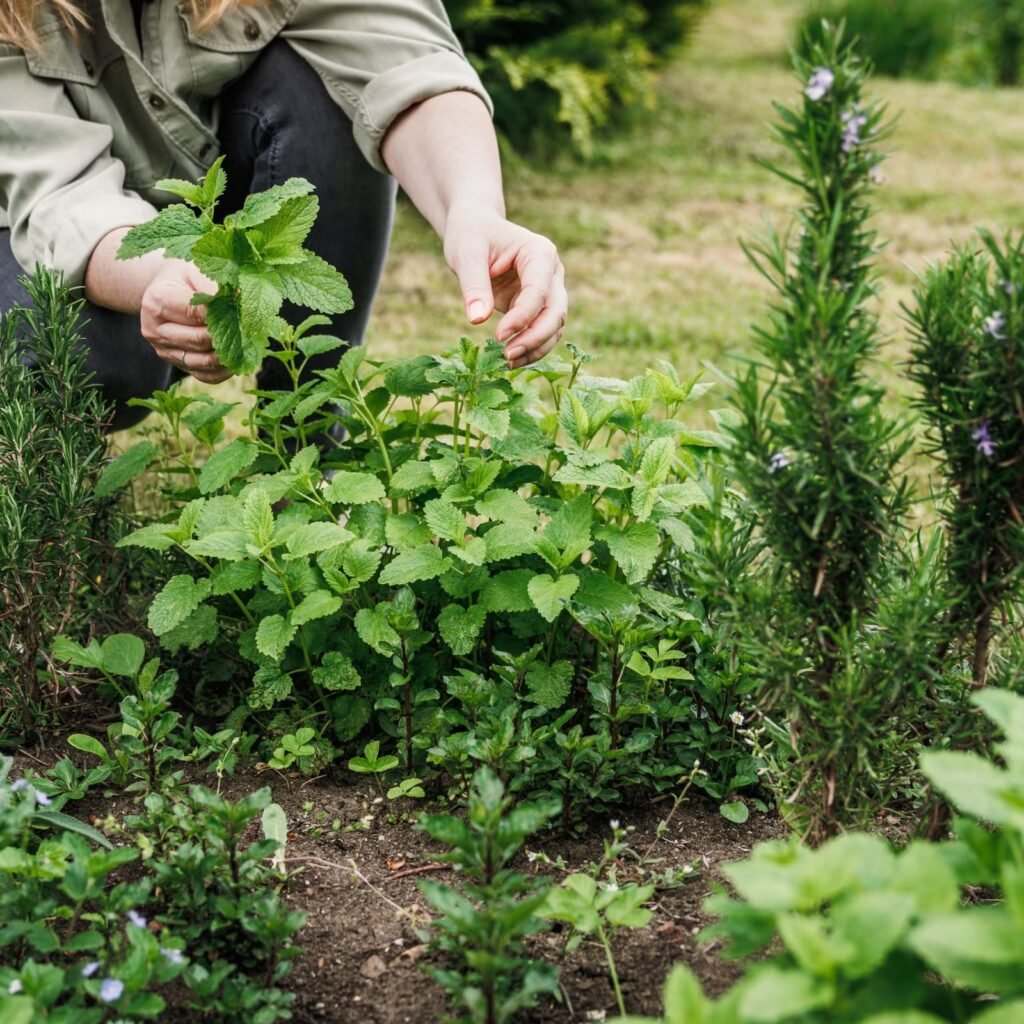
A. Companion Planting
- Plant pest-repelling species like marigolds, basil, or garlic near vegetables.
- Reduces aphids, whiteflies, and other common pests naturally.
B. Beneficial Insects
- Ladybugs, spiders, and lacewings consume harmful insects.
- Attracting these insects creates a balanced ecosystem in your garden.
C. Organic Sprays
- Neem oil, chili-garlic extract, or mild soap sprays protect plants without chemicals.
- Prevents fungal infections like powdery mildew and downy mildew.
Secret Advantage: Healthy, pest-resistant plants need less intervention, saving time and effort.
6. Smart Watering Techniques
Water is critical, but how you water your plants makes a difference.
A. Drip Irrigation
- Delivers water directly to the roots, reducing wastage.
- Maintains consistent soil moisture for optimal growth.
B. Mulching and Water Retention
- Organic mulch or shade covers prevent water loss.
- Keeps soil temperature stable and encourages deep root growth.
C. Rainwater Harvesting
- Collect rainwater for irrigation, reducing dependency on external water sources.
- Sustainable and cost-effective for long-term gardening.
Secret Advantage: Efficient watering promotes healthier roots, bigger leaves, and more flowers and fruits.
7. Innovative Crop Management Techniques
- Intercropping: Plant complementary crops together to save space and reduce pest issues.
- Succession Planting: Plant new crops as soon as one is harvested to ensure continuous production.
- Crop Rotation: Rotating plant families prevents soil nutrient depletion and reduces disease risk.
Secret Advantage: Smart crop management increases productivity, optimizes space, and reduces plant stress.
8. Harvesting and Post-Harvest Tips
An often-overlooked area is harvesting and handling crops properly.
- Harvest at the correct stage of ripeness for best taste and storage.
- Use clean tools to prevent contamination.
- Store fruits and vegetables in proper conditions to extend freshness.
- Frequent harvesting encourages more flowering and fruiting.
Secret Advantage: Proper harvesting maximizes yield, preserves quality, and encourages continuous production.
9. Embracing Technology in Gardening
Modern gardening offers amazing tools and technology that make growing easier and more productive.
A. Smart Sensors
- Monitor soil moisture, temperature, and nutrient levels.
- Alerts you when watering or fertilization is needed.
B. Mobile Apps
- Track planting dates, growth stages, and pest problems.
- Provides reminders for fertilization, pruning, and harvesting.
C. LED Grow Lights
- Ideal for indoor gardening or areas with limited sunlight.
- Promotes photosynthesis, flowering, and fruiting.
Secret Advantage: Technology reduces guesswork, improves efficiency, and enhances plant health.
10. Benefits of This Amazing New Idea
By adopting these innovative gardening ideas, you can enjoy:
- Higher yields from the same space
- Healthier plants resistant to pests and diseases
- Faster growth and fruiting
- Sustainable, low-maintenance gardening
- Beautiful, productive gardens even in urban settings
Conclusion: Transform Your Garden with Innovation
Gardening doesn’t have to be repetitive or stressful. By embracing amazing new ideas, such as vertical gardening, smart propagation, natural pest control, efficient watering, and technology integration, you can transform your garden into a thriving, productive oasis.
These techniques not only improve plant health and fruit quality but also make gardening more enjoyable, sustainable, and rewarding. Whether you’re growing vegetables, fruits, or ornamental plants, these innovative strategies help you get the most from every plant, every square foot, and every drop of water.
Start implementing these ideas today, and watch your garden flourish like never before!