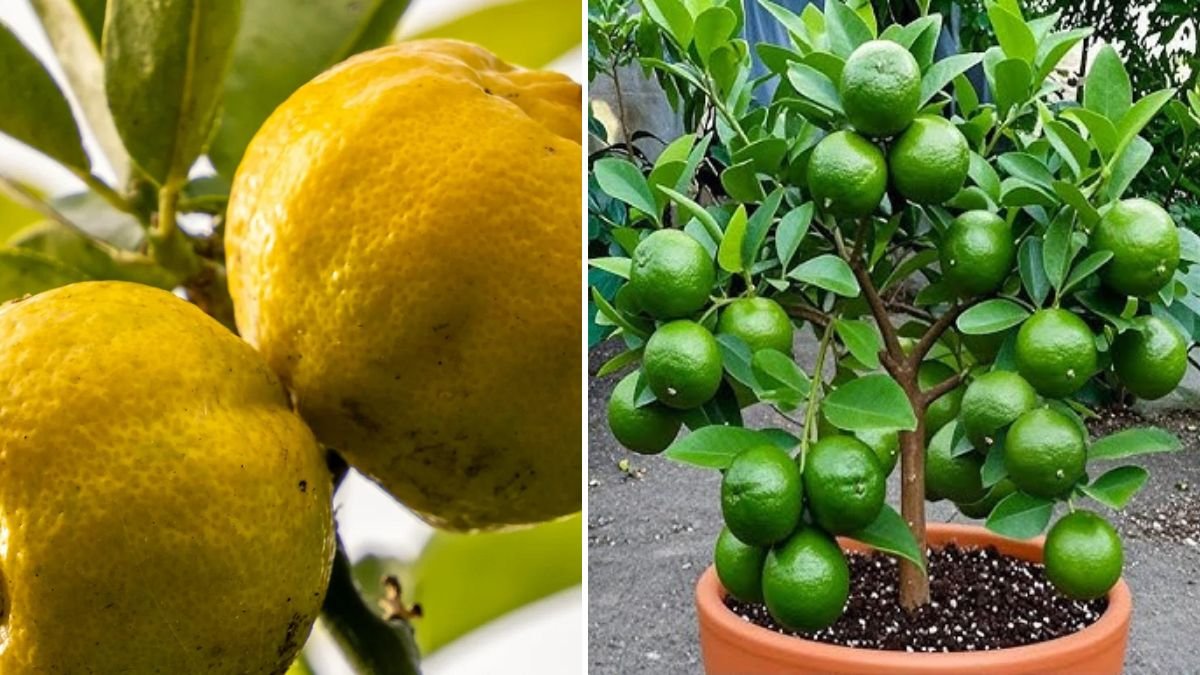
Lemon trees are among the most rewarding fruit trees you can grow. Their refreshing fragrance, evergreen leaves, and continuous fruiting make them a favourite for home gardeners. But buying new plants again and again isn’t always necessary—you can propagate your own lemon trees easily! Whether you’re a beginner or an experienced gardener, propagating lemon trees is fun, cost-effective, and highly satisfying.
In this comprehensive guide, you’ll discover the most reliable, scientific, and beginner-friendly ways to propagate lemon trees, including cuttings, seeds, air layering, and grafting. By the end, you’ll know exactly how to multiply your lemon plants and grow healthy, productive trees.
Why Propagate Lemon Trees?
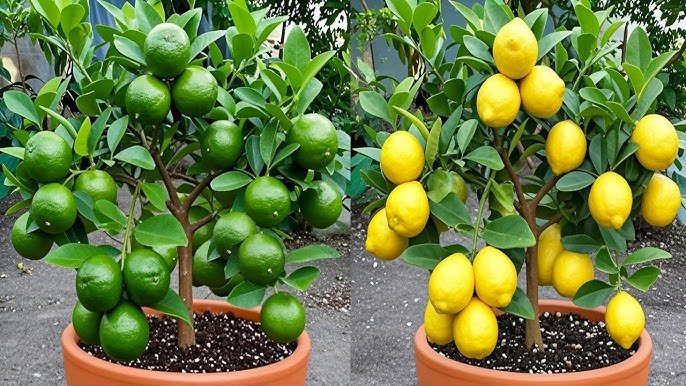
Propagation allows you to produce genetically identical clones of your favourite lemon tree. This means:
- ✔️ Faster fruiting than seed-grown trees
- ✔️ Guaranteed fruit quality
- ✔️ Stronger plants adapted to your climate
- ✔️ Cost-free and fun gardening project
- ✔️ Perfect way to share plants with friends and family
Lemon trees propagated from cuttings or layering can begin fruiting in 2–3 years, while seed-grown plants may take 5–7 years, and sometimes they do not resemble the parent plant at all.
Method 1: Propagating Lemon Trees from Cuttings (Most Popular & Easiest)
Cuttings are the fastest and most widely used method. You simply take a piece of stem from a healthy tree and allow it to root.
Best Time
- Early spring to late monsoon
- Temperature: 20–30°C
What You’ll Need
- Sharp pruning shears
- 6–8 inch healthy branch
- Rooting hormone (optional, but increases success rate)
- Cocopeat or well-drained potting mix
- Small pot
- Clear plastic bag or humidity dome
Step-by-Step Process
1. Choose the Right Branch
Select a semi-hardwood branch—not too soft, not too woody. It should be:
- Disease-free
- Pencil-thick
- With 3–5 nodes
2. Make a Clean Cut
Cut a 6–8 inch section at a 45-degree angle. Remove flowers and fruits if any.
3. Prepare the Cutting
- Remove lower leaves
- Keep only top 2–3 leaves
- Dip the bottom in rooting hormone
This helps develop roots faster and prevents fungal infection.
4. Plant the Cutting
Plant it 2–3 inches deep in a mixture of:
- 50% cocopeat
- 30% sand
- 20% compost
Moist but never soggy.
5. Maintain High Humidity
Cover with a plastic bag to create a mini-greenhouse.
Place in bright, indirect sunlight.
6. Wait for Rooting
Roots appear in 4–6 weeks.
You’ll know it worked when:
- New leaves appear
- Plant resists gentle pulling
Shift the plant to a larger pot once roots are strong.
Method 2: Propagating Lemon Trees through Air Layering (High Success Rate)
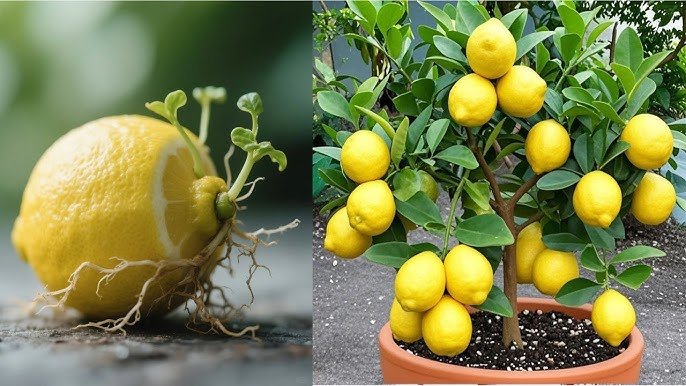
Air layering is perfect if you want fast, strong plants that fruit quickly. It encourages roots to grow while the branch is still attached to the parent tree.
Best Time
- Spring or monsoon
What You Need
- Sharp knife
- Cocopeat or moss
- Plastic wrap
- Rope or tape
Steps to Air Layer a Lemon Tree
1. Select a Healthy Branch
Choose a branch about:
- 1–2 cm thick
- At least 1 year old
2. Remove Bark (Girdling)
Cut a 1–1.5 inch ring of bark and peel it off.
3. Apply Rooting Hormone
Lightly dust the exposed area.
4. Wrap with Moist Medium
Surround it with wet moss or cocopeat.
Cover using plastic wrap.
5. Seal Tightly
Tie both ends to hold moisture.
6. Wait and Watch
Roots develop in 30–45 days.
Once the bag is full of roots, cut below the rooted section.
Advantages
- Extremely high success rate
- New plants fruit faster
- Works even on older trees
Method 3: Propagating Lemon Trees from Seeds (For Experiment Lovers)
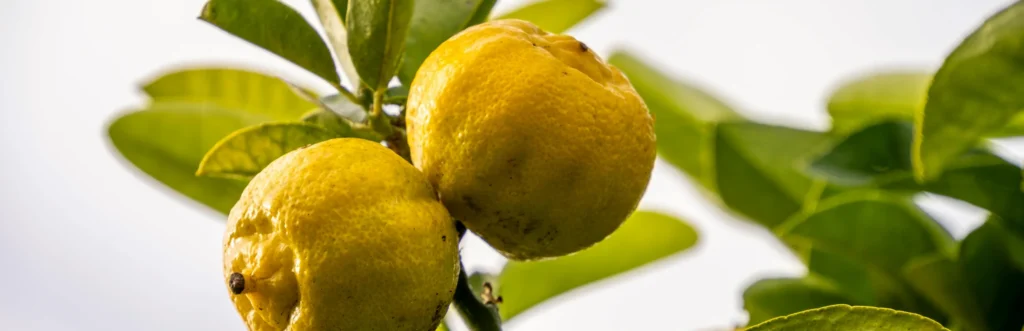
Although seeds take longer to bear fruit, they’re fun to grow.✔️ Steps
- Choose fresh lemon seeds.
- Rinse off the slimy coating.
- Plant them immediately in moist, well-drained soil.
- Keep in warm, bright light.
- Germination takes 10–20 days.
Pros & Cons
Pros:
- Very easy
- Cheapest method
- Great for kids or experiments
Cons:
- Slow fruiting
- Unpredictable fruit quality
Method 4: Propagating Lemon Trees Through Grafting
Grafting combines the best traits:
- A productive scion
- A disease-resistant rootstock
Best For
- Commercial growers
- Ensuring uniform fruit quality
Types of Grafting
- T-budding
- Whip and tongue grafting
- Cleft grafting
Benefits
- Highest fruit yield
- Faster fruiting
- Stronger plants
Care Tips for Newly Propagated Lemon Plants
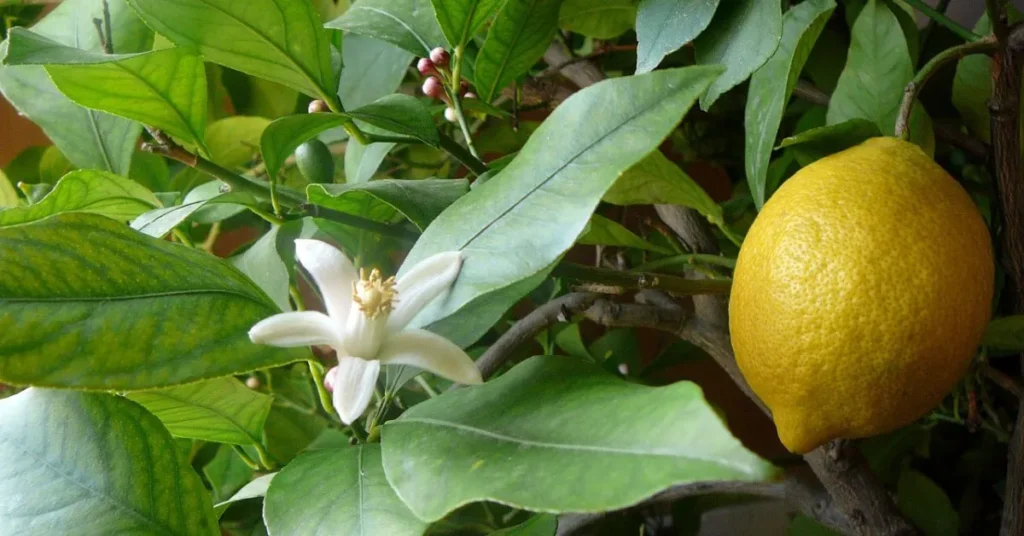
Regardless of the method used, follow these tips for healthy growth:
1. Sunlight Requirement
Lemon trees need 6–8 hours of sunlight daily.
2. Watering
- Keep soil moist, not soggy
- Water deeply but infrequently
3. Soil Type
Use well-aerated soil:
- 40% garden soil
- 40% compost
- 20% sand
4. Fertilizing
Use organic fertilizers:
- Neem cake
- Vermicompost
- Cow dung compost
Feed every 30–45 days.
5. Pruning
Prune to:
- Remove weak branches
- Shape the tree
- Encourage fruiting
6. Pest Management
Common pests:
- Aphids
- Leaf miners
- Mealybugs
Spray neem oil weekly to keep them under control.
When Will Your Propagated Lemon Tree Fruit?

- Cuttings: 2–3 years
- Air layering: 1.5–2 years
- Grafted plants: 1–2 years
- Seeds: 5–7 years
Air-layered and grafted trees give fastest results.
Final Thoughts
Propagating lemon trees is an incredibly rewarding gardening experience—whether you’re growing for fruit, greenery, or personal satisfaction. With cuttings, air layering, grafting, or even seeds, you can easily produce multiple trees with minimal tools and effort.
The key is patience, proper technique, and consistent care. Once you master propagation, you can create a small citrus orchard right at home!