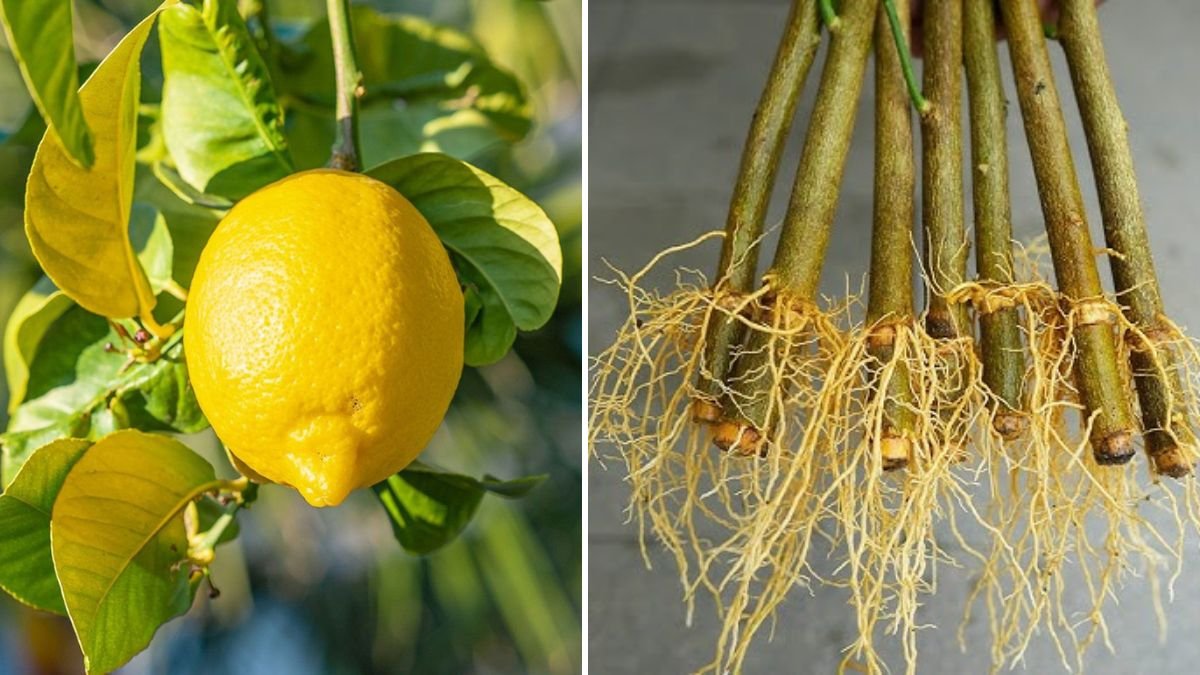
Lemon trees are among the most popular fruit trees in home gardens because they are beautiful, fragrant, and highly productive. But the best part? You don’t need to buy new plants every time. With the right techniques, you can propagate lemon trees and grow as many new plants as you want—free of cost!
Propagation is simply the process of creating new plants from an existing one. By mastering lemon tree propagation, you can expand your garden, clone your best varieties, and enjoy faster fruiting trees. In this complete 1200-word guide, we’ll explore the best methods, step-by-step instructions, common mistakes, and expert tips to ensure you succeed every time.
What Is Lemon Tree Propagation?
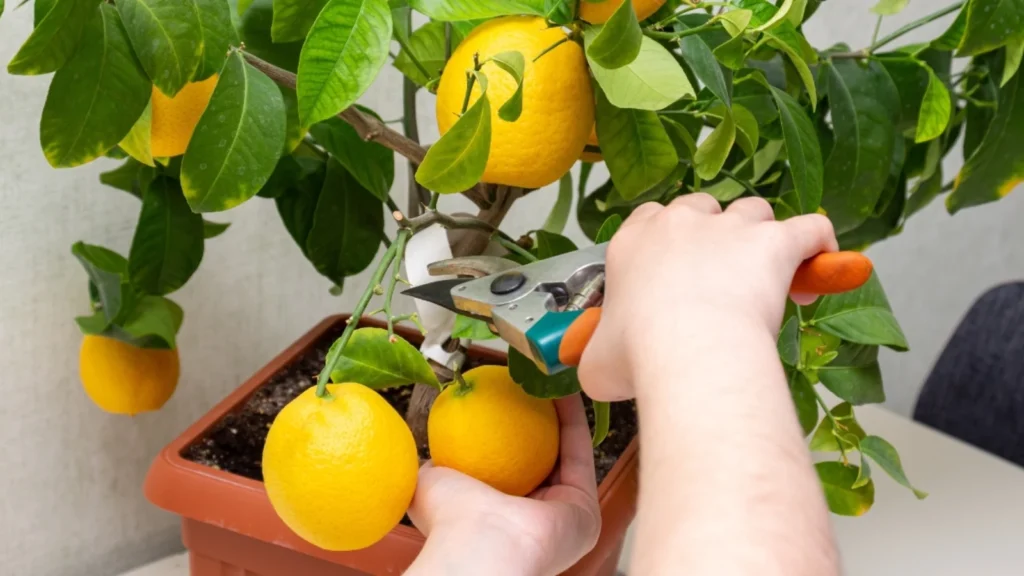
Propagation is a natural process where a part of the plant—such as a stem, branch, or seed—develops into a new plant. For lemon trees, the two most reliable methods are:
- Stem Cuttings
- Air Layering
Both techniques produce genetically identical plants to the mother tree. This means if your lemon tree is sweet, juicy, or fast-fruiting, every new plant will have the same qualities.
Why Should You Propagate Lemon Trees?
Here are the top advantages:
Save Money
No need to purchase new saplings.
Clone High-Quality Varieties
Get the same fruit flavor and characteristics as your original tree.
Faster Fruiting
Propagated plants mature quicker than those grown from seeds.
Higher Success Rate
Both cuttings and air layering give consistent results, even for beginners.
Perfect for Home Gardeners
Small spaces, containers, and terrace gardens can all benefit from this technique.
Best Methods for Propagating Lemon Trees
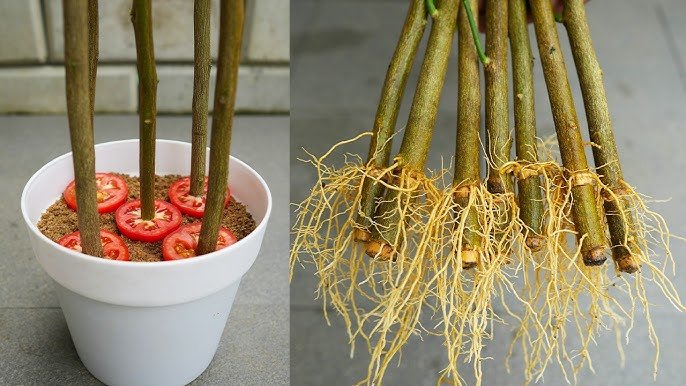
While seeds are an option, they are slow and unpredictable. The two best methods are:
1. Stem Cuttings (Easy and Popular)
Great for producing multiple plants quickly.
2. Air Layering (Very high success rate)
Best for strong roots and fast growth.
Let’s explore both methods in detail.
Method 1: Propagating Lemon Trees from Stem Cuttings

Stem cutting is the simplest and fastest way to propagate lemon trees. It does not require advanced tools, and results are usually visible within weeks.
Step 1: Select the Perfect Cutting
Choose a branch that is:
- 6–8 inches long
- Semi-hardwood (not too soft or too woody)
- Disease-free
- Non-flowering
Flowering branches drain energy and root slowly, so avoid them.
Step 2: Cut and Prepare the Stem
Using a clean, sharp knife or pruning shears:
- Make a diagonal cut to increase rooting surface.
- Remove leaves from the bottom half of the cutting.
- Keep only 2–3 leaves on top to reduce moisture loss.
To boost rooting:
- Slightly scrape 1 cm of the bark at the bottom.
- Dip the cut end in rooting hormone (optional but highly effective).
🪴 Step 3: Prepare the Potting Mix
A good potting mix ensures proper drainage and moisture. Use:
- 50% cocopeat or peat moss
- 25% sand or perlite
- 25% garden soil
This mix prevents fungal infections and encourages strong roots.
Step 4: Plant the Cutting
Insert the cutting at least 2–3 inches into the soil.
Firmly press the soil around it to remove air pockets.
Water lightly to settle the soil.
Step 5: Maintain High Humidity
Cuttings need moisture to survive and root. Create a mini greenhouse by covering the pot with:
- A clear plastic bag
- A transparent bottle
- A plastic dome
Keep the pot in bright but indirect sunlight.
Step 6: Root Development
Rooting takes around 4–6 weeks.
You’ll know the cutting has rooted when:
- New leaves appear
- The branch stands firm
- You feel resistance when tugged gently
Once roots are strong, remove the plastic cover gradually over 5–7 days.
Method 2: Propagating Lemon Trees with Air Layering
Air layering is a more advanced—but extremely effective—method. It creates roots on a branch while it’s still attached to the tree.
This technique is perfect if you want:
- Stronger root system
- Faster fruiting
- High success rate
- Healthy new plants
Step 1: Choose a Healthy Branch
Select a strong, pencil-thick branch that is:
- One year old
- Flexible
- Pest-free
- Not too shaded
Branches full of sunlight root better.
Step 2: Make the Layering Cut
Choose an area 10–12 inches below the tip.
Perform one of the following:
Ring Barking Method
- Remove a 1-inch ring of bark around the branch.
- Scrape the green layer lightly.
Upward Cut Method
- Make a 1-inch slanted upward cut.
- Insert a small stick or toothpick to keep it open.
Both methods stimulate root formation.
Step 3: Apply Rooting Hormone
Dab hormone powder or gel on the exposed area.
This prevents rot and encourages faster rooting.
Step 4: Wrap with Moist Medium
You can use:
- Sphagnum moss
- Cocopeat
- A mix of soil + compost
Ensure the medium is moist—not dripping.
Wrap it tightly around the wound.
Step 5: Seal with Plastic
Use polythene or cling film to cover the moist medium.
Tie both ends tightly so moisture doesn’t escape.
This creates a mini, moisture-filled chamber where roots thrive.
Step 6: Wait for Roots
It takes 4–8 weeks for roots to appear.
Once you see white or light-brown roots through the plastic, your new lemon plant is ready.
Step 7: Cut and Replant
Cut the branch below the roots.
Plant it in a pot with well-draining soil.
Keep the plant in shade for 10–14 days.
Gradually introduce it to sunlight afterward.
Caring for Newly Propagated Lemon Plants
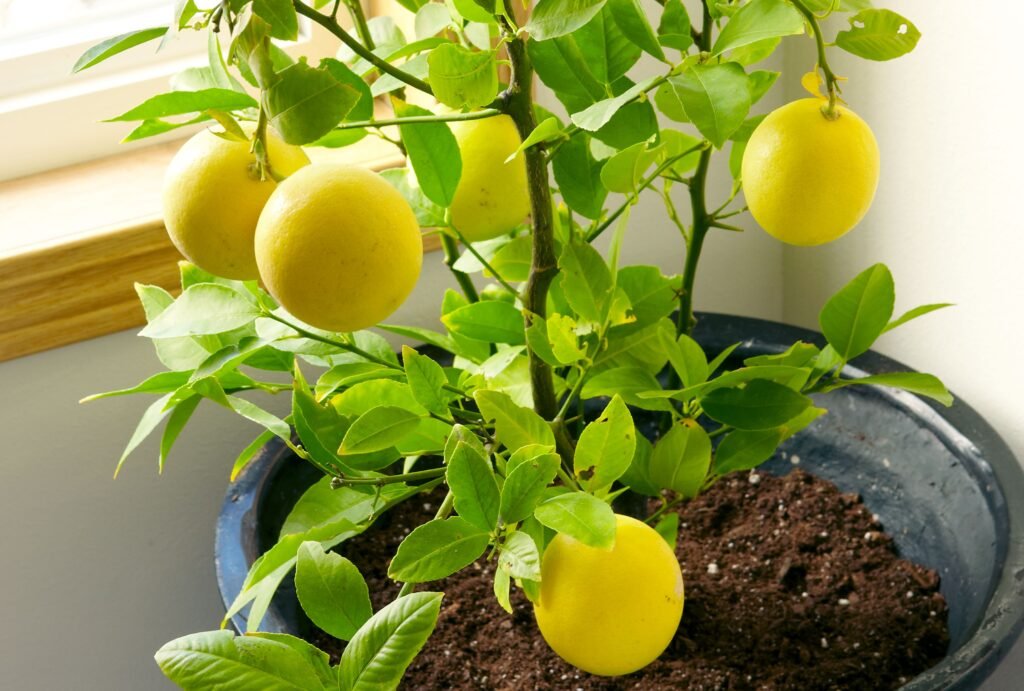
Once your lemon plant is established, proper care ensures healthy growth and faster fruiting.
1. Sunlight
- New cuttings: keep in shade initially
- After 2 weeks: soft morning sunlight
- After 1 month: full sun for 6–8 hours
2. Watering
Water when the top 1 inch of soil feels dry.
Avoid overwatering, as lemon roots are sensitive to rot.
3. Fertilizing
Start after 6–8 weeks.
Use:
- Organic compost
- Vermicompost
- Banana peel fertilizer
- Cow dung manure
- Liquid seaweed
Feed once every 20–30 days.
4. Pruning
Remove:
- Weak branches
- Inward-growing stems
- Dead leaves
Pruning helps the plant grow bushier and fruit better.
Common Propagation Mistakes to Avoid

Using soft green branches
They rot quickly.
Exposing cuttings to direct sunlight
This causes drying.
Overwatering the soil
Leads to fungal issues.
Not using moisture retention for cuttings
Humidity is essential.
Neglecting the air-layer
If moss dries, roots stop developing.
How Long Will It Take to Fruit?
Lemon plants propagated from:
- Cuttings — fruit in 2–3 years
- Air layering — fruit in 1.5–3 years
Seed-grown lemons may take 5–7 years, which is why propagation is preferred.
Final Thoughts
Lemon tree propagation is one of the most rewarding gardening skills you can learn. Whether you choose stem cuttings or air layering, both methods offer reliable, fast, and satisfying results. With patience and proper care, you can multiply your lemon trees easily and enjoy a garden full of fresh, juicy lemons.